
Antique Lacquer Desk
An antique lacquer desk brings painted surface and timber together, offering a functional writing space with distinct historical character.
Antique Lacquer Desk
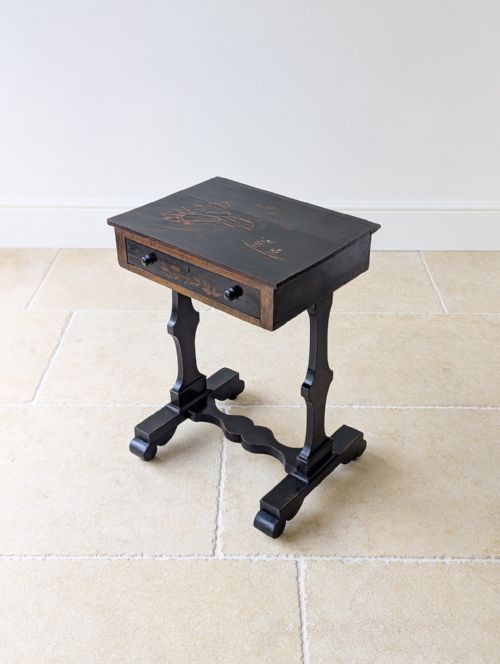
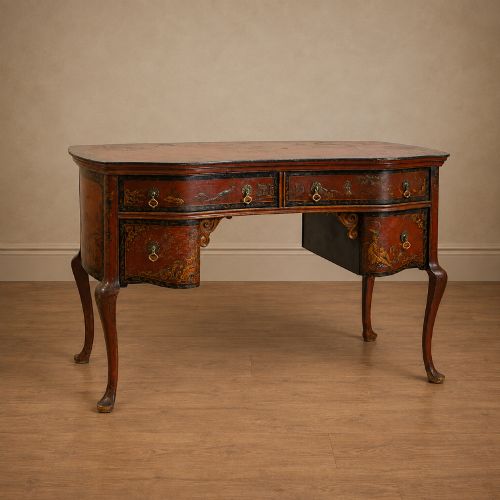
An antique lacquer desk comprises writing tables, bureaux, and pedestal desks finished with decorative surface treatments. These pieces span the eighteenth, nineteenth, and early twentieth centuries, drawing on European adaptations of Eastern traditions.
Bureau bookcases, kneehole desks, and writing cabinets appear alongside smaller writing boxes and accessories. Pieces range from early English and Venetian examples to Chinese export items and later nineteenth-century interpretations.
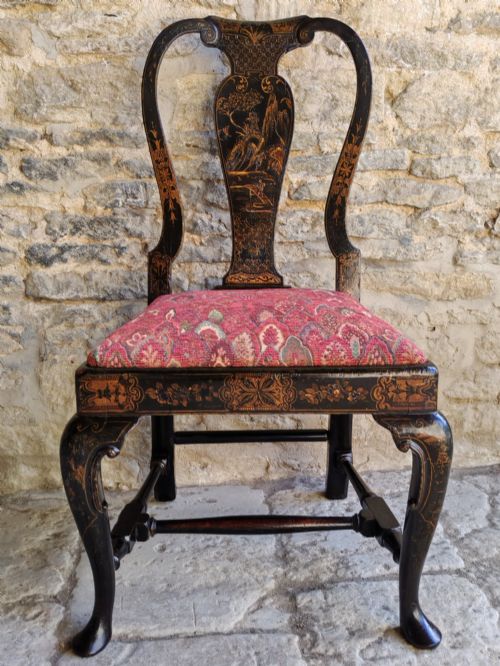
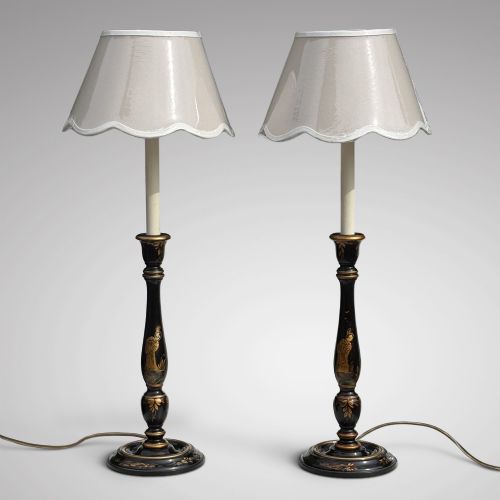
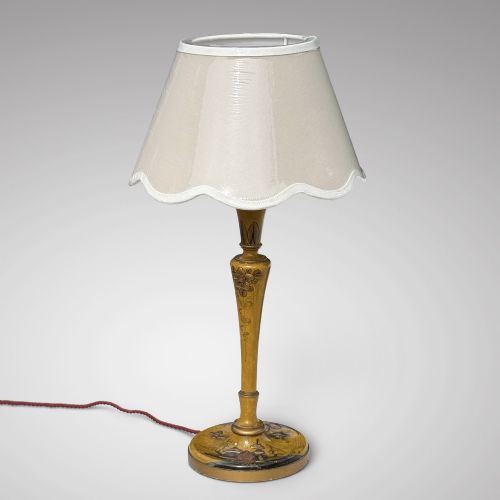
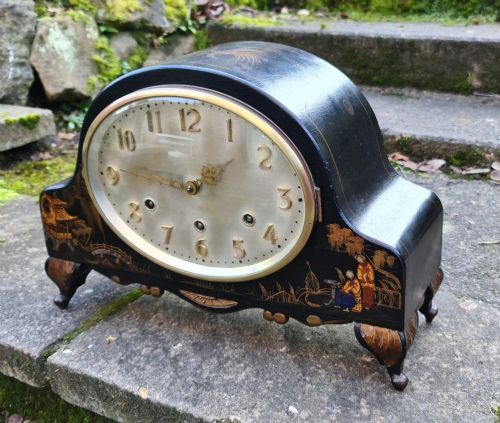
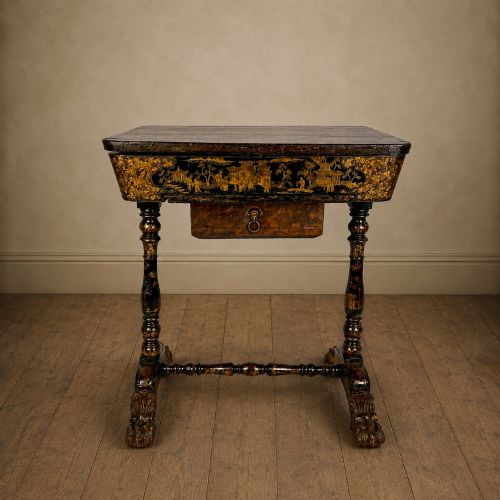
The aesthetic leans heavily towards Chinoiserie motifs, featuring hand-painted figures, landscapes, and floral arrangements in black, ochre, green, and cream lacquer grounds, often augmented with gilt decoration.
How they were made
Construction relies on timber foundations such as elm, walnut, and kingwood, alongside papier-mâché and lacquered wood substrates. Craftsmen applied successive coats of lacquer to build a smooth base before executing detailed hand-painted designs.
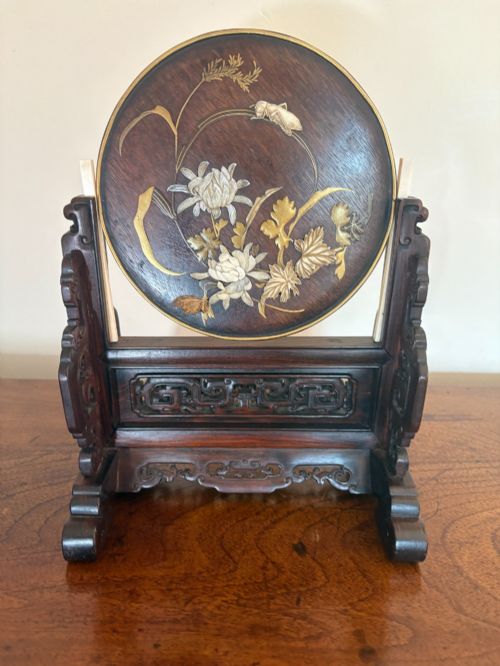
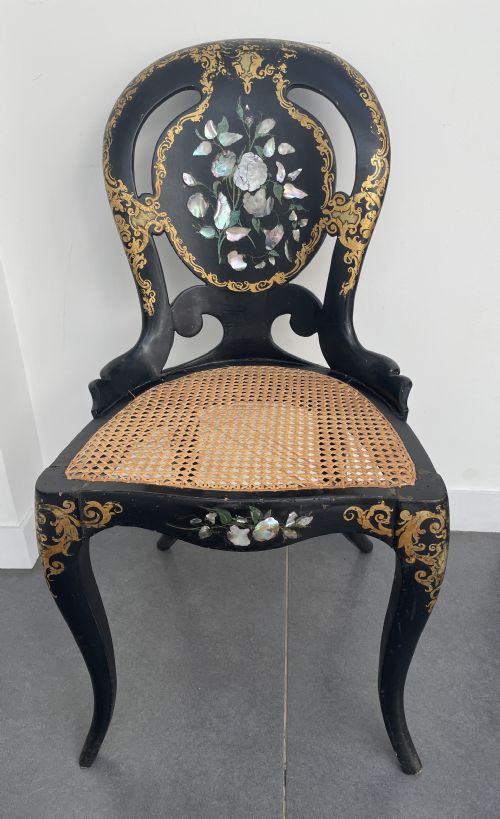
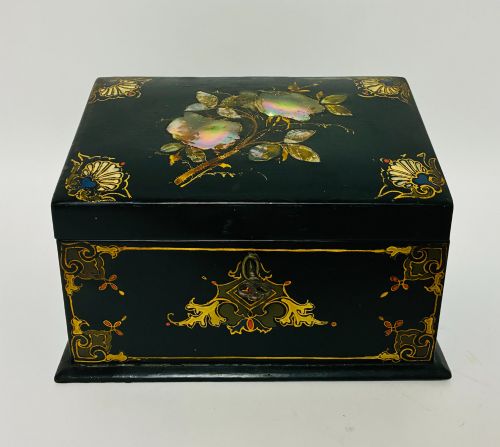
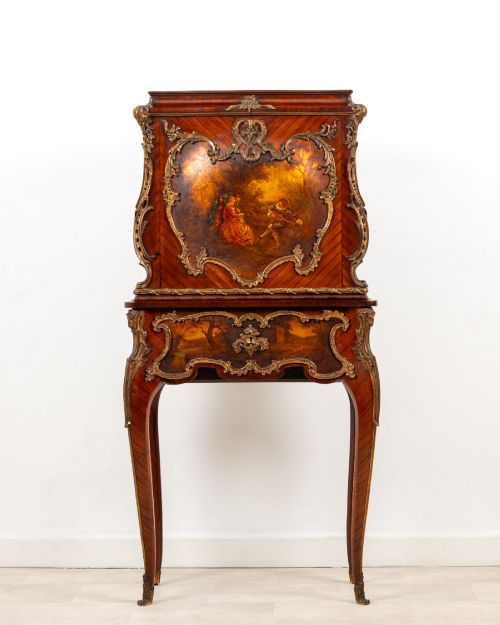
Surface ornamentation incorporates gilt highlights, brass mounts, and occasional mother-of-pearl inlay, particularly in Victorian and Edwardian interpretations. Vernis Martin techniques appear on French cabinets, mimicking European lacquer finishes with translucent varnish layers.
Listings feature items from the eighteenth, nineteenth, and early twentieth centuries, encompassing Victorian, Regency, and Chinoiserie styles.
What varies in quality
The depth and execution of the hand-painted decoration dictate the visual success of the surface, distinguishing routine ornamentation from finer artistic work. Original gilding and the preservation of the underlying lacquer ground determine the integrity of the piece.
Hardware such as brass handles, ormolu mounts, and hinges contribute to the overall standard of the construction. Timber selection and the stability of the core structure govern how well the desk endures centuries of daily use.
The Antique Lacquer Desk Glossary
- Chinoiserie
- European decorative style reflecting Chinese artistic influences, prevalent in furniture and lacquerwork. This aesthetic defines much of the painted ornamentation found on desks and cabinets.
- Vernis Martin
- Simulated lacquer finish developed by the Martin brothers in eighteenth-century France. It involves applying multiple coats of transparent varnish over painted decorations.
- Papier-mâché
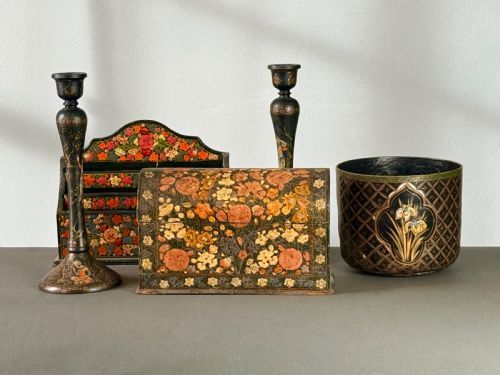
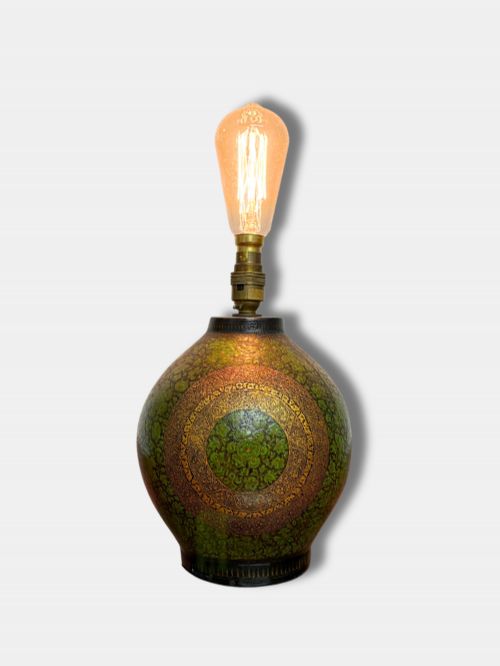
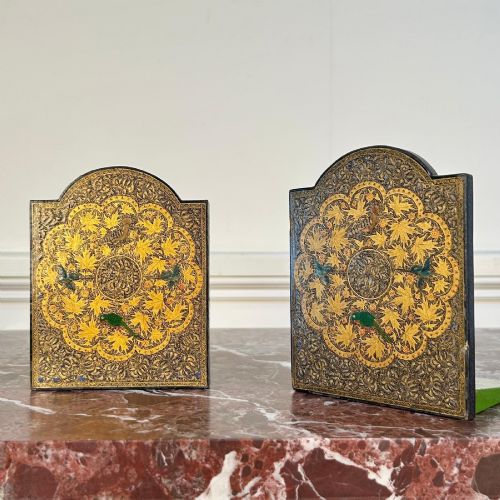
- Composite material made from paper pulp mixed with glue and resin, pressed into moulds. Victorian manufacturers utilised this durable substance for desk sets and small stationery boxes.
- Bureau
- Writing cabinet featuring a sloping flap that opens to reveal internal compartments and drawers. Many examples incorporate fitted pigeonholes for correspondence.
- Ormolu
- Gilded bronze used for decorative mounts, handles, and feet on finer pieces of furniture. This technique adds metallic contrast to wood and lacquer surfaces.
Antique Lacquer Desk: Frequently Asked Questions
How do I clean an antique lacquer desk?
Dust gently with a soft, dry microfibre cloth to prevent scratching the delicate painted surface. Avoid chemical cleaning products, excessive water, and modern polishes that can degrade aged varnish.
Maintain stable humidity levels in the room to protect both the timber substrate and the lacquer layers from cracking or lifting.
Are these desks suitable for daily writing?
Most antique lacquer desks function well for daily tasks, provided you treat the writing surface with care. Use a blotter or leather pad if you intend to write directly on the wood or lacquer.
Ensure that drawers and writing flaps operate smoothly without forcing mechanisms that rely on nineteenth-century joinery.
How can I date an antique lacquer desk?
Examine the secondary woods inside the drawers, construction methods, and hardware styles to establish a baseline period. Eighteenth-century pieces typically feature hand-cut dovetails and distinct lacquer ageing compared to Victorian or Edwardian revivals.
Stylistic shifts, such as the emergence of papier-mâché in the nineteenth century or Chinoiserie revivals around 1900, help narrow down the date of manufacture.