
Antique Lacquer Cupboard
An antique lacquer cupboard brings vivid colour and intricate oriental scenes into a room, offering striking storage with centuries of craftsmanship behind it.
Antique Lacquer Cupboard
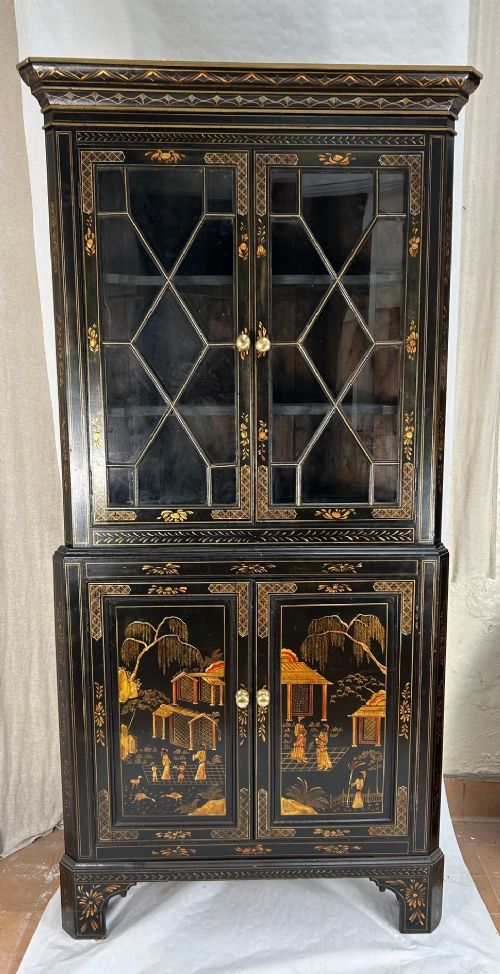
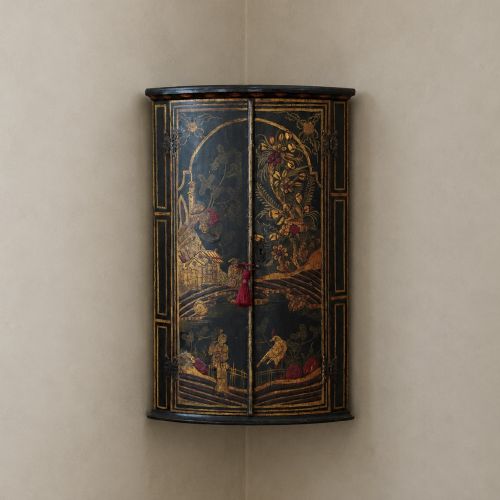
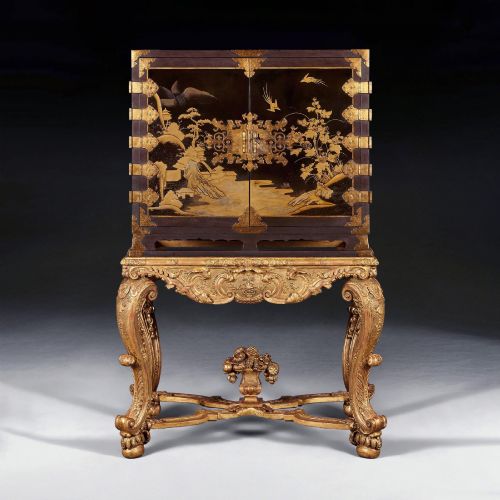
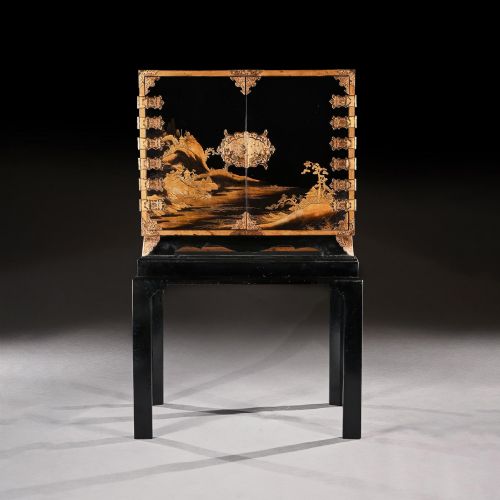
When you search for an antique lacquer cupboard, you encounter a fascinating mix of East Asian craftsmanship and European interpretation spanning several centuries. These pieces function primarily as storage units, ranging from tall wedding cabinets and apothecary chests to compact corner cupboards and cabinets mounted on stands.
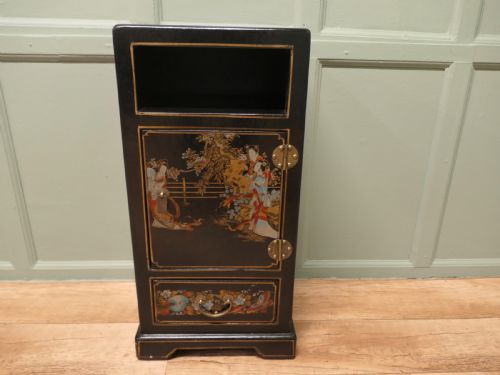
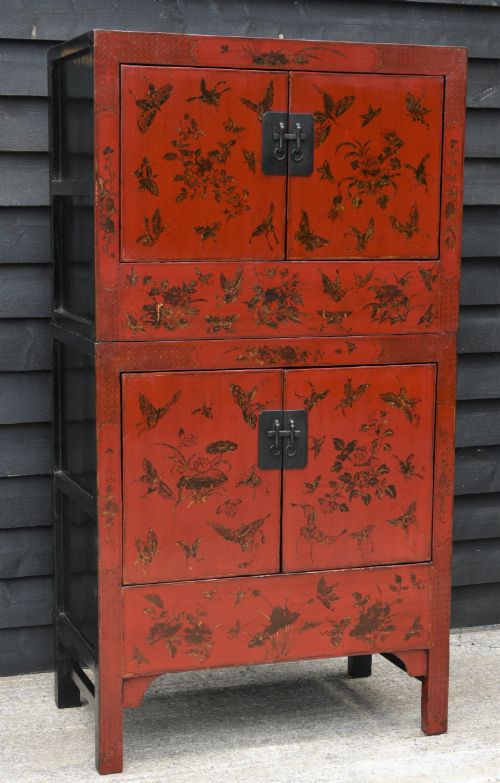
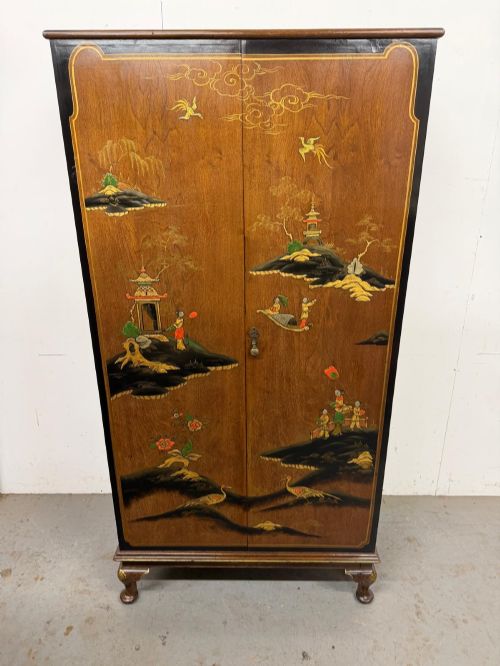
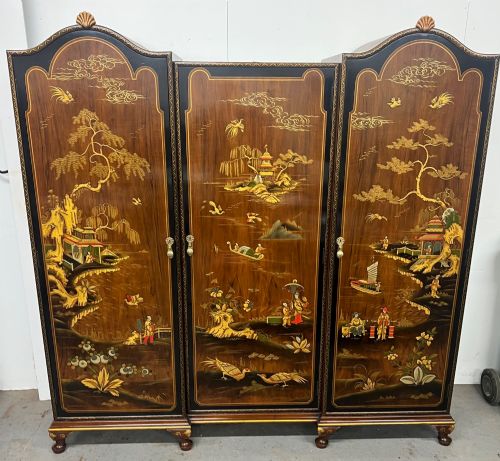
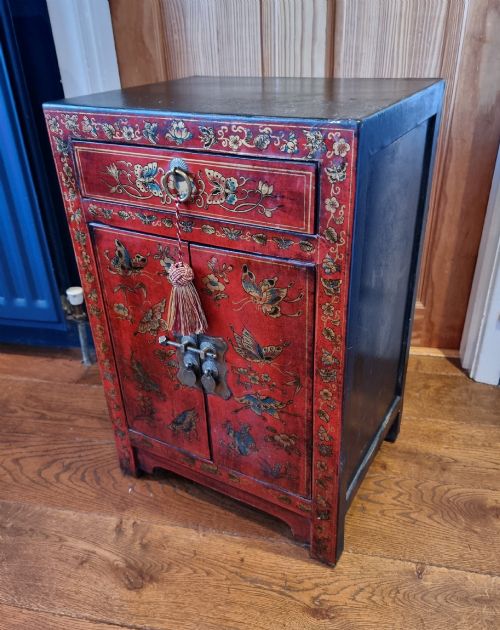
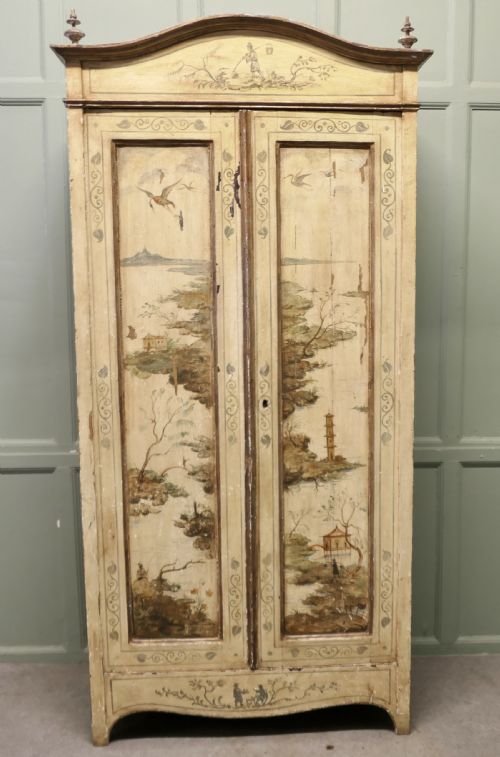
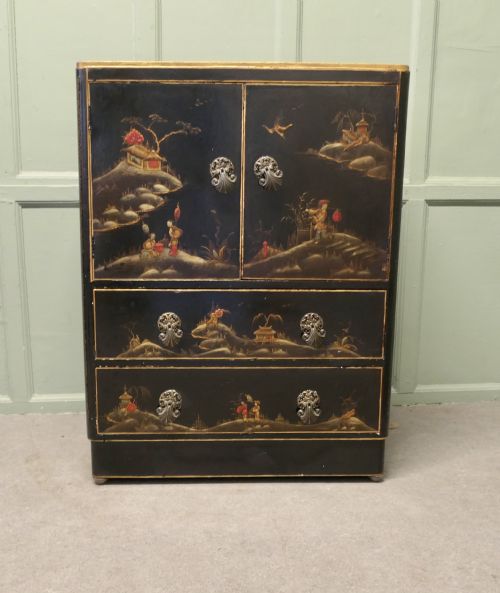
The versions you meet most frequently on this page date from the nineteenth and early twentieth centuries. Many originate from China and Japan, featuring traditional red or black finishes, while others reflect British and European Chinoiserie tastes from the Georgian era through to the Art Deco period.
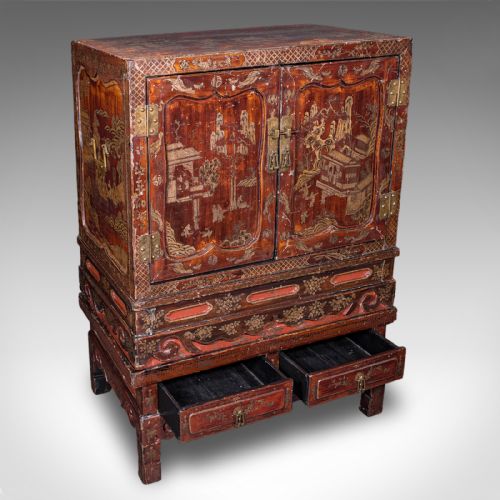
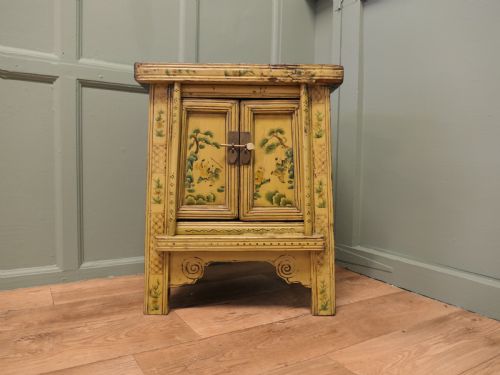
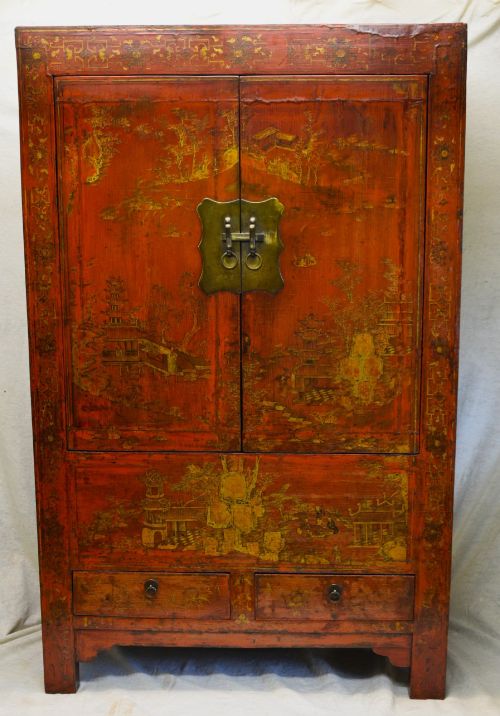
Forms vary significantly according to their original domestic use. Large marriage cabinets provide substantial interior space with double doors, whereas side cabinets and corner cupboards utilise smaller footprints for displaying decorative items and storing household goods.
Materials and Techniques
The foundational structures rely on timber substrates such as Chinese elm or pine, carefully prepared to receive multiple layers of natural resin or paint. Artisans applied successive coats of lacquer, sanding each layer smooth to create a durable, glossy base suitable for detailed decoration.
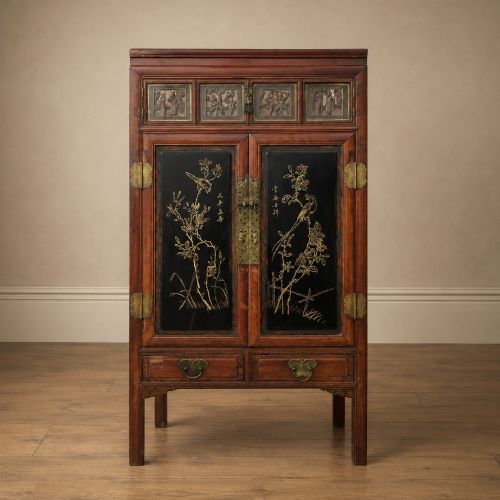
Decoration often involved gold leaf, gilt, and polychrome paint to depict outdoor scenes, figures, and botanical motifs. Brass hinges, lock plates, and mounts frequently secure the doors and drawers, providing both structural reinforcement and metallic contrast against the dark or brightly coloured lacquer.
Materials recorded on this page include elm, pine, brass, gold leaf, and painted wood applied across cabinet, wardrobe, and chest forms.
Evaluating the Craftsmanship
The distinction between standard examples and exceptional pieces lies in the depth of the surface finish and the crispness of the painted or carved decoration. Superior items display meticulous hand-applied gold leaf and finely detailed outdoor scenes that retain their vibrancy and cohesion across the entire cabinet surface.
Structural integrity and the retention of original hardware also dictate overall worth. Examples that preserve their initial stands, period brasswork, and untouched painted surfaces demonstrate a higher grade of historical preservation than those with extensive modern repainting or replaced fittings.
Maples & Co.·Harrods
The Antique Lacquer Cupboard Glossary
- Chinoiserie
- European decorative style reflecting Chinese artistic influences, popular during the eighteenth and early twentieth centuries. It frequently employs whimsical garden scenes and pavilion motifs.
- Japanning
- European imitation of East Asian lacquerwork developed in the seventeenth century. Artisans built up layers of varnish and gold dust to mimic oriental finishes.
- Tansu
- Traditional Japanese mobile storage chest constructed from wood with iron hardware. These pieces served various domestic functions including clothing and document storage.
- Apothecary chest
- Multi-drawer cabinet originally utilised by traditional practitioners for storing herbs and medicines. They feature numerous small drawers arranged in orderly grids.
- Cabinet on stand
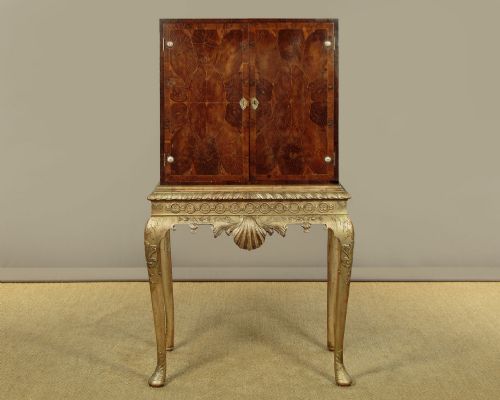
- Elevated storage unit supported by a dedicated framework or base. These stands often date to different periods than the primary cabinet body.
Antique Lacquer Cupboard: Frequently Asked Questions
How do I clean an antique lacquer cupboard?
Dust the surface gently with a soft, dry microfibre cloth to remove everyday particles. Avoid chemical sprays, abrasive cloths, or excessive moisture, which can damage aged resin and painted decoration.
For stubborn marks, consult a professional restorer rather than attempting chemical cleaning yourself. Preserving the integrity of the original surface finish requires specialist care and minimal intervention.
Where should I place an antique lacquer cupboard?
Position your cabinet away from direct sunlight and strong heat sources like radiators. Ultraviolet rays fade red and black pigments and cause vulnerable wooden joints to dry out.
Maintain a stable room temperature and moderate humidity to prevent the lacquer from cracking or lifting. A shaded alcove or an interior wall provides an ideal environment for display.
How do I tell an 18th-century piece from a 20th-century one?
Examine the underlying timber construction, joinery methods, and the wear patterns on the hardware. Earlier pieces typically feature hand-cut joints and heavier natural resin finishes that show authentic craquelure over time.
Twentieth-century interpretations, such as Art Deco Chinoiserie or 1920s Japanned items, utilise machine-assisted construction and distinct chemical drying processes. Comparing the style of the painted outdoor scenes with known period patterns also clarifies the date.
What is a marriage cabinet used for?
Chinese marriage cabinets traditionally served as gift items for newlyweds to store garments, linens, and valuable personal possessions. Their large interior compartments accommodated bulky textiles and ceremonial robes.
Today, these substantial cupboards function well as wardrobe spaces or living room storage units. Their striking red or black lacquer exteriors make them natural focal points in contemporary interiors.