

Antique Lacquer Boxes
These antique lacquer boxes bring together centuries of layered resin, gilt painting and intricate carving from workshops across Europe and Asia.
Antique Lacquer Boxes
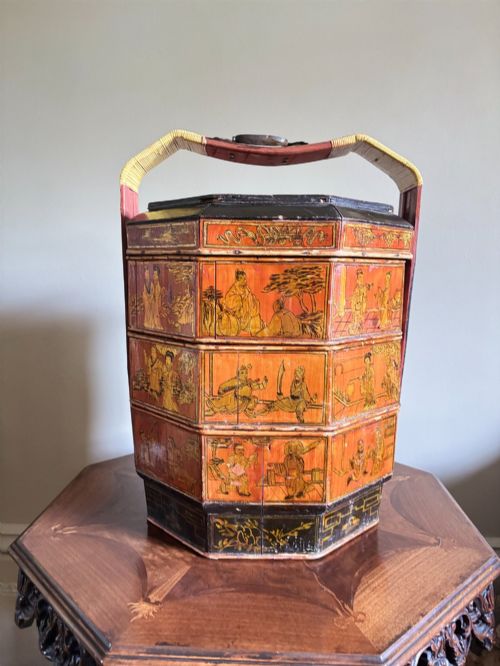
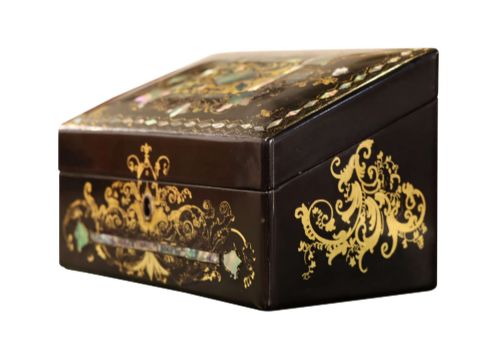
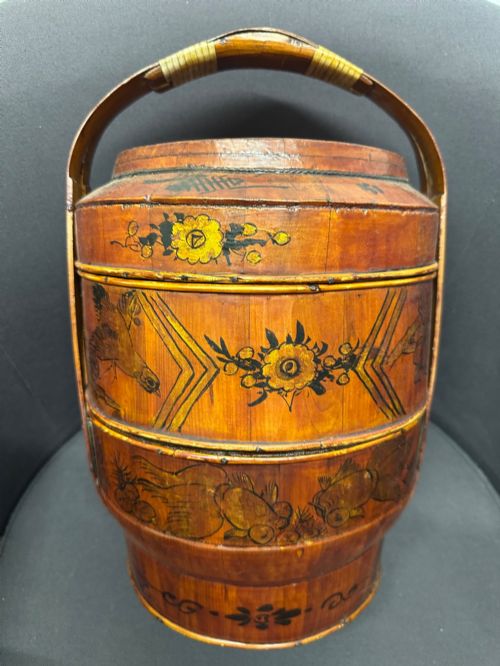
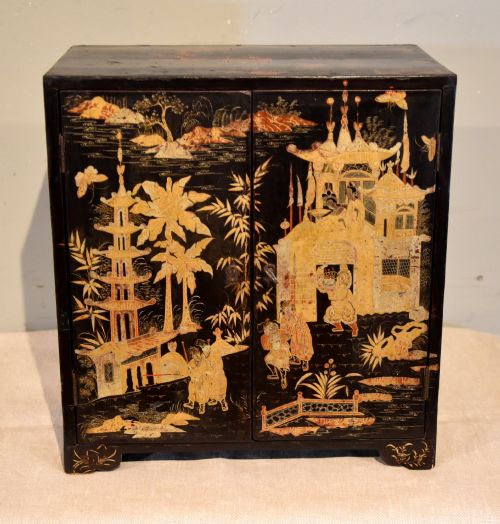
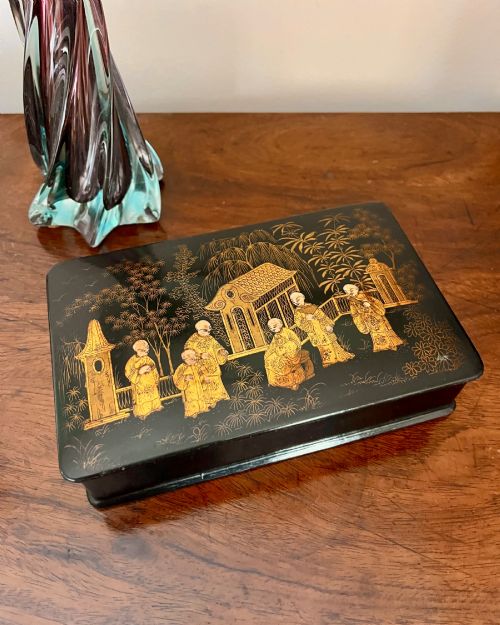
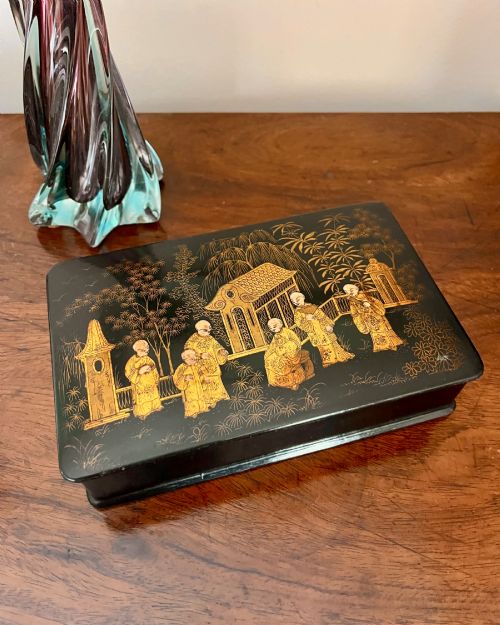
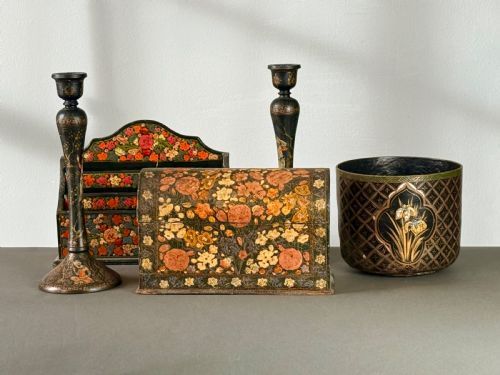
When you search for antique lacquer boxes, you encounter an array of vessels spanning small pocket snuff boxes to large storage coffers and tea caddies. The examples on this page cover periods from the 18th century to the early 20th century, originating from English, French, Russian, Chinese and Japanese makers. Papier-mâché and wood form the foundational structures for these pieces, finished with painted, gilt or carved surfaces in Victorian, Regency, Georgian and Chinoiserie styles.
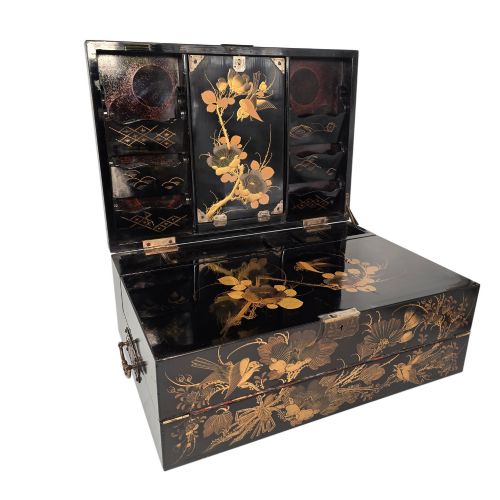
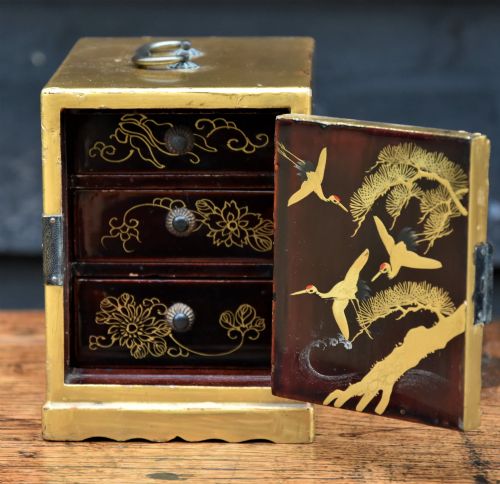
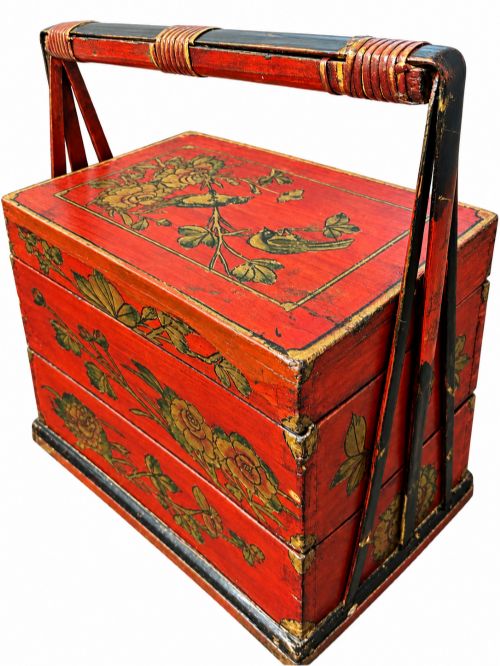
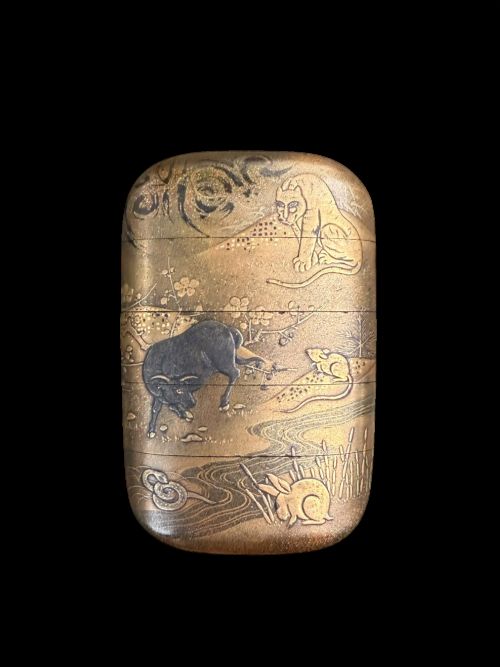
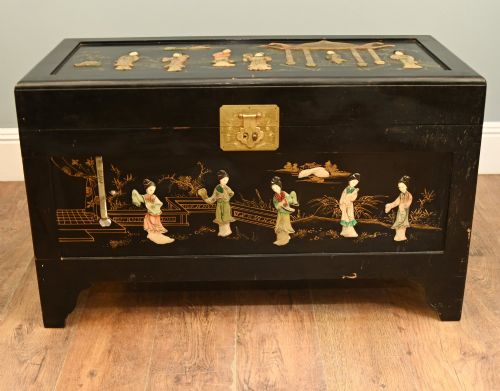
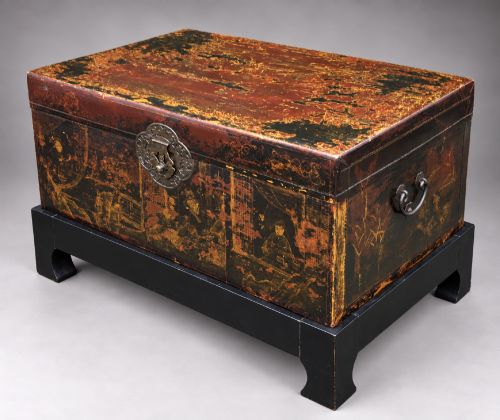
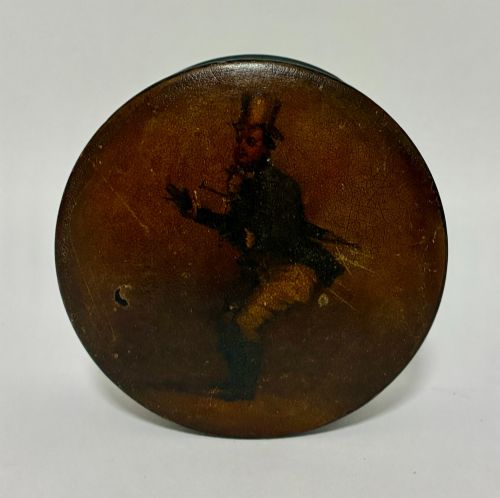
The smaller formats include pocket-sized snuff boxes, letter racks and intricate inro designed for traditional Japanese garments. Tea caddies and needlework caskets represent the domestic utility pieces popular in 19th-century European drawing rooms. Larger storage requirements are met by Chinese export trunks, wedding chests and blanket boxes finished in red or black lacquer.
How they were made
Makers utilised wood or pressed paper pulp known as papier-mâché to build the core structure of the box before applying multiple coats of natural sap or lacquer. This surface medium accepted rich pigments, gold leaf, and paint, allowing artisans to build up detailed figurative and floral scenes. Additional decorative elements such as mother-of-pearl inlay, brass fittings and carved cinnabar details completed the construction.
Antique Lacquer Boxes Retail Price Guide 2026
Typical asking prices for lacquer boxes among the pieces listed under this phrase on Sellingantiques today, from the lower quarter to the upper quarter. They describe what is for sale here now, not the wider market.
Listings feature 19th-century papier-mâché tea caddies alongside 18th-century Chinese export coffers and Japanese Meiji period inro.
What varies in quality
The standard of execution in the painted and gilt decoration dictates the visual success of the piece, particularly in the rendering of Chinese export scenes and Japanese Meiji period motifs. The depth and stability of the underlying lacquer layers, whether carved black lacquer or polished red finishes, influence the durability of the surface over time. Finer items exhibit precise integration of secondary materials such as mother-of-pearl or fine brass hinges that match the overall design ambition of the box.
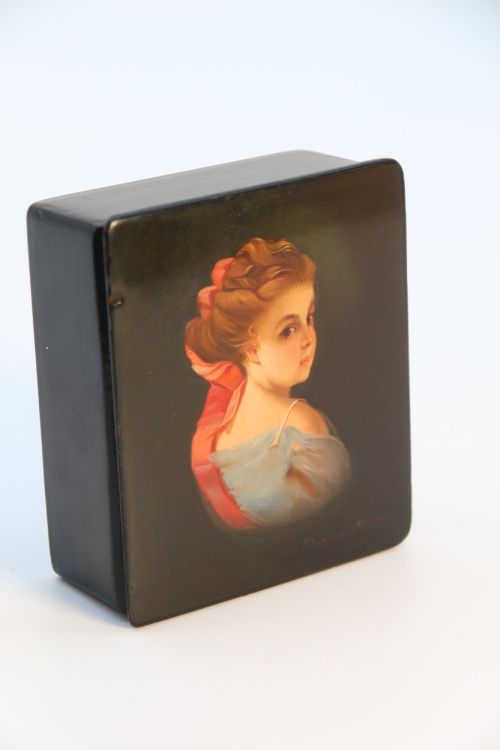
Vishnyakov Workshop·G Cobb
The Antique Lacquer Boxes Glossary
- Lacquer
- A durable finish applied in multiple coats derived from botanical resins, providing a smooth, protective surface that accepts pigment and metal leaf. This technique appeared across various Asian and European decorative traditions.
- Papier-mâché
- A composite material made from paper pulp or layers of paper bound with glue, pressed into moulds and dried to form rigid boxes and trays. It served as a popular base for Victorian and Georgian painted snuff boxes and tea caddies.
- Inro
- A traditional Japanese multi-tiered case suspended from a sash for carrying small personal items. These miniature containers often display intricate gilt lacquer work or carved surfaces.
- Chinoiserie
- A European decorative style reflecting Chinese artistic influences, frequently applied to lacquered furniture and storage boxes during the Georgian and Victorian periods.
- Tea caddy
- A specialised container originally built with compartments to store and preserve dry tea leaves. Many surviving 19th-century examples feature fine lacquer work and internal crystal or foil linings.
Antique Lacquer Boxes: Frequently Asked Questions
What were antique lacquer boxes used for?
These boxes served various domestic and personal storage functions, from holding dry tea leaves and sewing equipment to containing tobacco, snuff and letters. Larger examples functioned as blanket chests, wedding coffers or travel trunks for valuable garments.
Over successive centuries, households adapted these decorative containers to suit changing social rituals. Their durable surfaces protected delicate contents from moisture and handling during daily use.
How do I care for an antique lacquer box?
Keep these boxes away from direct sunlight and fluctuating temperatures to prevent the lacquer from drying out or cracking. Dust them gently with a dry, soft cloth and avoid chemical polishes or excessive moisture.
Stable indoor humidity helps preserve the integrity of both the wooden or papier-mâché substrate and the delicate surface decoration. Handle lids and latches with care to avoid stressing original hinges and clasps.
How can I tell a Chinese export box from a Japanese Meiji piece?
Chinese export pieces frequently feature black or red grounds decorated with court scenes, pavilions and gold floral motifs designed for Western markets. Japanese Meiji period items often display distinct naturalistic elements, birds, landscapes and meticulous takamaki-e relief work.
Examining the construction methods and the specific styling of the figures helps determine the geographic origin and cultural workshop tradition. Regional variations in the lacquer formula also contribute to the distinct feel of each piece.
What is papier-mâché in antique boxes?
Papier-mâché is a strong composite material created by pressing layers of paper or pulp with adhesive binders into rigid box shapes. This technique allowed makers to produce smooth surfaces ideal for dark lacquer finishes and hand-painted ornamentation.
Commonly utilised during the Georgian and Victorian eras, this medium supported intricate mother-of-pearl inlay and detailed pastoral scenes. The resulting containers combined lightweight construction with considerable durability.