



Antique Kyoto Pottery
Antique kyoto pottery pieces are refined earthenware vessels from Japan, offering collectors intricate hand-painted enamel scenes and rich gold gilt detailing.
Antique Kyoto Pottery
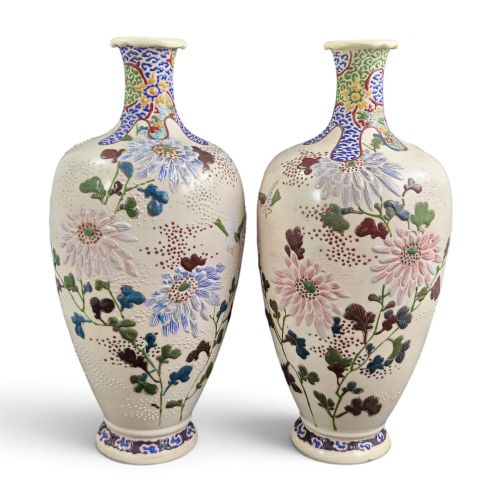
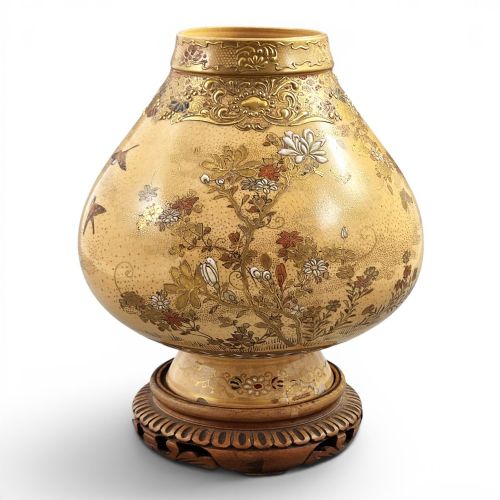
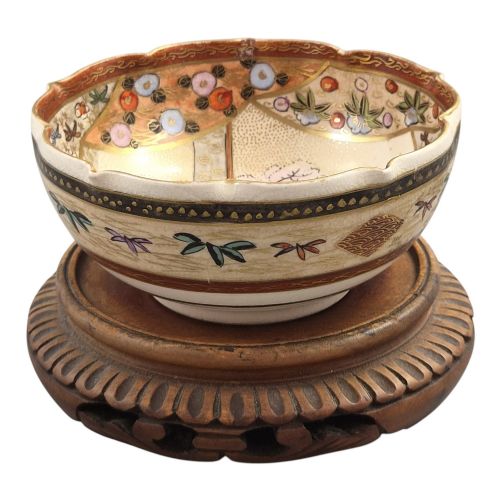
When you search for antique kyoto pottery, you encounter earthenware forms produced predominantly during the 19th century and the Meiji period. The selection on this page centres on Satsuma ware pieces created in the Kyoto region, spanning diverse decorative objects.
Vases and decorative bowls dominate the available forms, alongside smaller items such as incense burners, known as koro, and sugar bowls. These pieces range from miniature cabinet items to monumental display vessels.
Makers in Kyoto applied detailed narrative scenes, landscapes, and floral motifs, often incorporating traditional Japanese iconography like the Seven Gods of Good Fortune or Shi-Shi lions. The pieces reflect the artistic output of prominent local studios and workshops during a period of significant craft development.
How they were made
Potters shaped these items using earthenware bodies, which were then finished with intricate surface decoration. Artisans applied detailed enamel painting alongside extensive gold gilt, gilding, and gold leaf accents.
Techniques such as moriage involved building up thick layers of slip to create raised, textured relief patterns on the ceramic surface. Many pieces also feature rich cobalt blue underglazes beneath fine surface decoration.
Listings feature items from the 19th century, Edwardian era, and specific years including 1880, 1900, and 1890, utilising enamel, earthenware, wood, and gold leaf.
What varies in quality
The degree of artistic execution in the hand-painted figures and landscape panels distinguishes the finer examples. Mastery in brushwork, particularly in miniature scenes containing numerous human figures, separates standard production from superior output.
The application and preservation of gold leaf, heavy gilding, and raised moriage work indicate the level of craftsmanship invested in a vessel. Signed pieces from established Kyoto workshops often demonstrate higher precision in both the ceramic body and the surface enamel.
Kinkōzan Workshop·Chosei·Seiko-en Chokei·Choshuzan·Hakusan·Tagawa·Kotobuki-do·Shozan·Hayakawa
The Antique Kyoto Pottery Glossary
- Moriage
- A decorative technique using raised slip applied to ceramics to create textured, three-dimensional relief patterns. This method is frequently seen on Satsuma vases and bowls.
- Koro
- A traditional Japanese incense burner, typically featuring a fitted lid and sometimes supported by tripod feet. These vessels often incorporate sculptural elements like Shi-Shi lions.
- Satsuma
- A type of Japanese earthenware originating from Satsuma province but widely produced in Kyoto. It is characterised by a crackle-glaze finish and detailed overglaze enamel and gold decoration.
- Mon
- A Japanese heraldic badge or family crest used to identify individuals or clans. The Shimazu family mon frequently appears on Kyoto Satsuma ceramics.
- Shi-Shi
- A mythical guardian lion or dog figure common in Asian art. Sculptural representations often serve as finials on incense burner lids.
Antique Kyoto Pottery: Frequently Asked Questions
What is antique kyoto pottery?
Antique kyoto pottery primarily encompasses Satsuma earthenware vessels produced in the Kyoto region during the 19th century and the Meiji period. These items are defined by their cream-coloured crackle glazes and detailed overglaze enamel and gold decoration.
Artisans in Kyoto workshops produced forms ranging from miniature vases to monumental display pieces, often depicting narrative scenes, landscapes, and traditional Japanese motifs.
How were these pottery pieces used?
Many of these ceramics served as decorative display items within Japanese interiors and later for export markets in the West. Vases and decorative bowls were designed to showcase exceptional artistic skill and wealth.
Specialised forms like incense burners, or koro, functioned as vessels for burning incense during traditional gatherings, combining practical utility with sculptural artistry.
How do I identify Meiji period pieces?
Meiji period pieces are identified by their distinct artistic styles, materials, and signatures or artist marks on the base. The era spans from 1868 to 1912, a time when Kyoto studios produced highly refined export wares featuring dense gold gilding and intricate enamels.
Many pieces from this time bear signatures from renowned workshops and individual artists, documenting the specific creator and studio origin.
How should I display these ceramics?
Display these delicate earthenware pieces in stable environments away from direct sunlight and extreme temperature fluctuations to protect the enamel and gold leaf. Because many items feature intricate raised moriage and gilding, placement should minimise accidental contact.
Pairing different forms, such as placing a miniature vase alongside a larger decorative bowl, highlights the varied scale of 19th-century Kyoto craftsmanship.