



Antique Kpm Porcelain
Antique kpm porcelain brings master German hand-painted plaques, cabinet cups, and lidded vases into the home with exceptional artistic detail.
Antique Kpm Porcelain
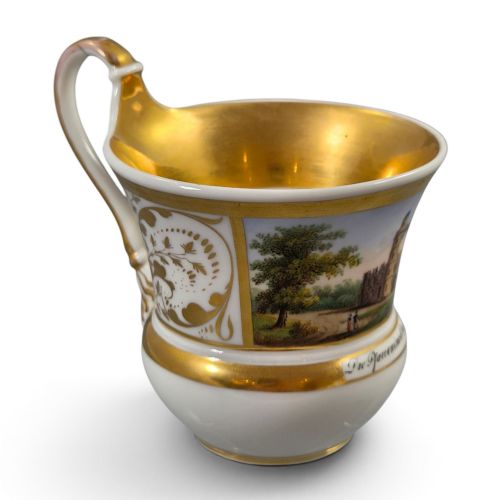
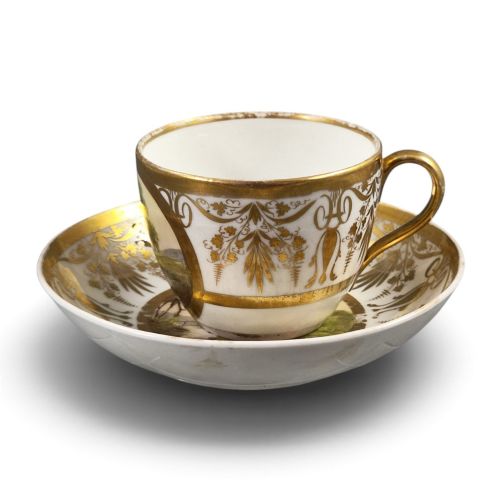
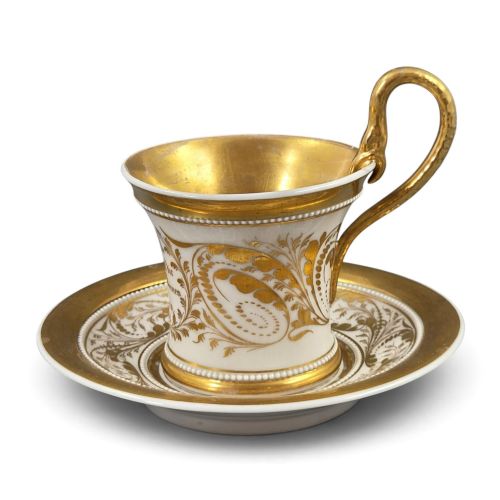
Buyers seeking antique kpm porcelain encounter finely painted cabinet cups, saucers, vases, and substantial portrait or narrative wall plaques. These works originate primarily from the nineteenth century, spanning Georgian, Victorian, and Edwardian periods.
The most common forms on this page include hand-painted porcelain plaques depicting literary or historical subjects, alongside gilt-accented demitasse cups and topographical cabinet pieces. Makers such as the Berlin factory and Krister Waldenburg produced these items within Rococo Revival, Neoclassical, and Biedermeier styles.
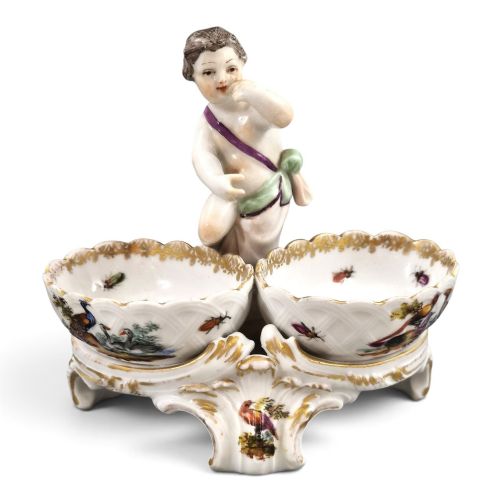
Vessels range from sugar shakers and coffee pots to double salt cellars and large lidded display urns. Each piece reflects the rigorous standards of German porcelain manufacture during the eighteen-hundreds.
Materials and manufacture
Potters utilised hard-paste porcelain as the primary body, fired at high temperatures to achieve a dense and durable white ceramic base. This surface provided an ideal ground for intricate miniature painting.
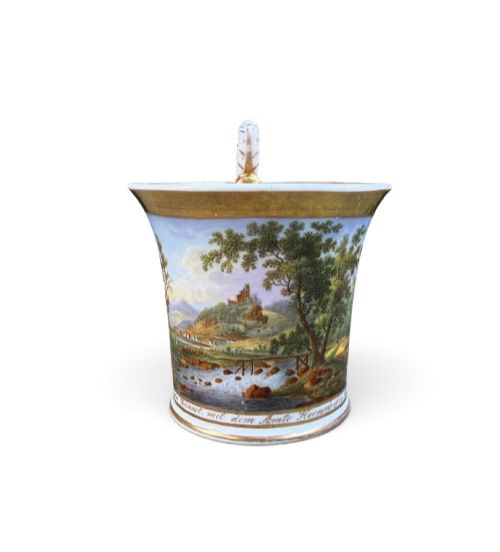
Artisans applied polychrome enamel pigments by hand, often recreating master artworks or capturing detailed topographical landscapes and portraits. Gilding and gold leaf finished the rims, handles, and frames.
Antique Kpm Porcelain Retail Price Guide 2026
Typical asking prices for kpm porcelain among the pieces listed under this phrase on Sellingantiques today, from the lower quarter to the upper quarter. They describe what is for sale here now, not the wider market.
Current listings feature nineteenth-century German hard-paste porcelain, including portrait plaques, lidded vases, and Biedermeier cabinet cups.
Assessing quality and execution
The finesse of the hand-painting dictates the upper tier of these works, where brushwork on portraits and scenic plaques achieves painterly depth. Signed works by specific artists command particular attention for their superior pictorial detail.
The preservation of the original gilding and the crispness of moulded porcelain details, such as rococo scrolls or figural elements, separate standard domestic wares from exhibition-grade presentation pieces.
KPM Berlin·Krister KPM Waldenburg
The Antique Kpm Porcelain Glossary
- Hard-paste porcelain
- A dense ceramic material composed of kaolin and petuntse, fired at high temperatures. It forms the durable white body characteristic of Berlin factory output.
- Cabinet cup
- A decorative small cup and saucer intended for display rather than everyday dining. These often feature hand-painted topographical views or portraits.
- Plaque
- A flat panel of fired porcelain used as a canvas for detailed pictorial art. They are frequently housed in ormolu or giltwood frames.
- Gilding
- The application of gold leaf or powdered gold paint to ceramic surfaces. It highlights handles, rims, and borders on cups and vases.
- Biedermeier
- A style period emphasising domestic comfort and clean architectural lines. Pieces from this era often feature restrained forms and naturalistic painted landscapes.
Antique Kpm Porcelain: Frequently Asked Questions
What is an antique kpm porcelain plaque?
A porcelain plaque is a flat, fired ceramic panel painted with portraits, landscapes, or mythological scenes. These were produced as independent artworks.
Most examples are mounted in decorative frames and display fine miniature brushwork comparable to canvas paintings.
How do I identify a kpm cabinet cup?
Cabinet cups are smaller cups paired with saucers, usually featuring detailed hand-painted views or gilt ornamentation. They were made for display in vitrines rather than tea service.
Look for precise topographical scenes or classical portraits accompanied by factory marks on the underside.
When were these porcelain pieces made?
The majority of items date from the nineteenth century, spanning the Georgian, Victorian, and Edwardian eras. Styles range from Biedermeier simplicity to elaborate Rococo Revival.
Production methods remained consistent with high-fired hard-paste porcelain and meticulous enamel painting throughout this period.
How should I display kpm porcelain at home?
Display wall plaques securely using appropriate hardware or dedicated picture frames that protect the porcelain edges. Cabinet cups and vases suit enclosed glass display cabinets where light reveals the gilding.
Keep pieces away from direct sunlight to preserve the vibrant enamel colours over time.