

Antique Knotted Rug
An antique knotted rug brings the rich floor coverings of Persia, the Caucasus, and beyond into a modern interior.
Antique Knotted Rug
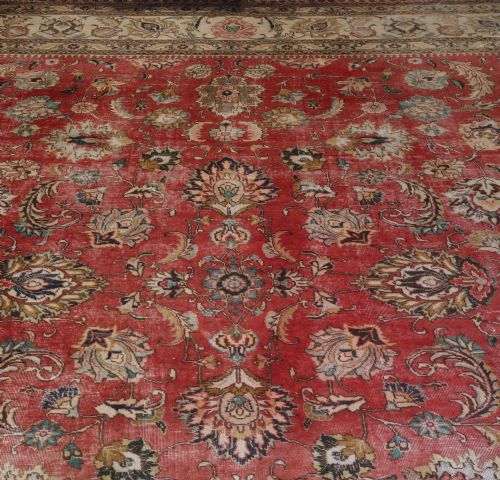
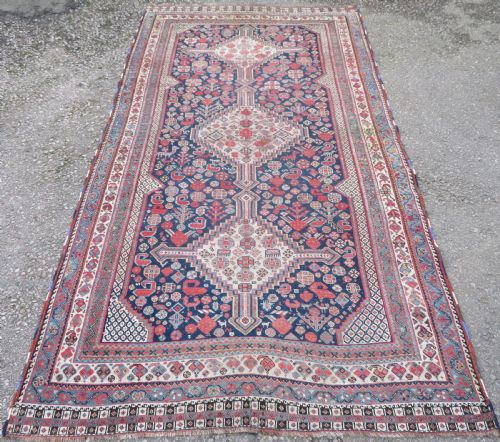
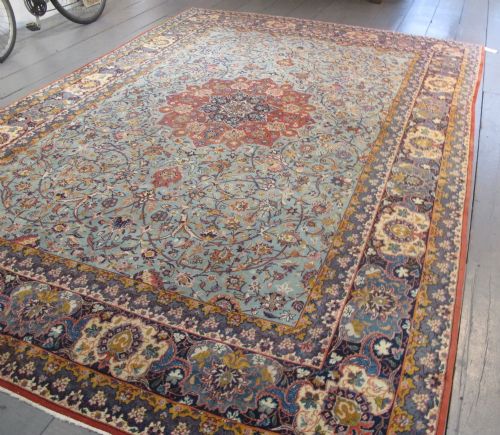
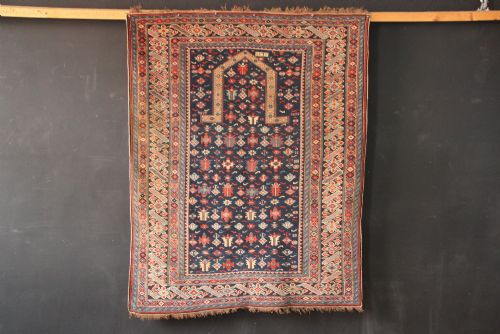
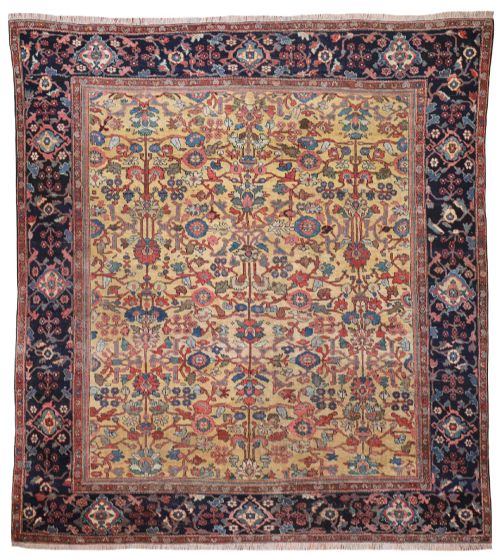
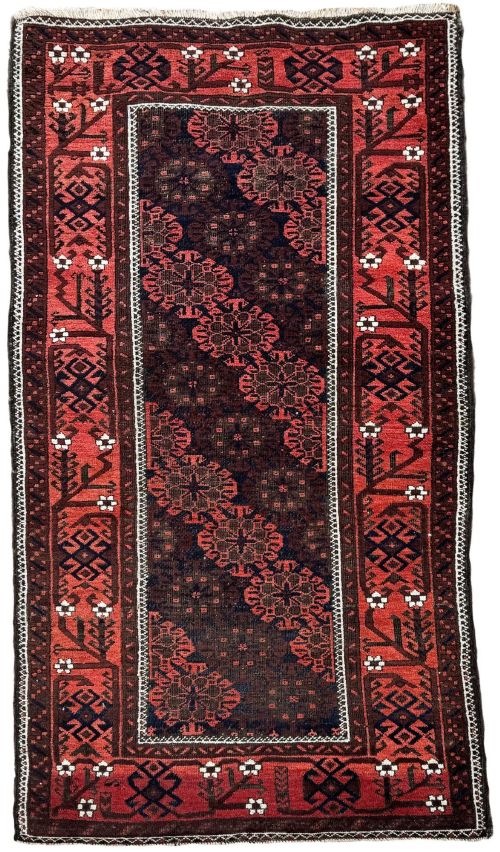
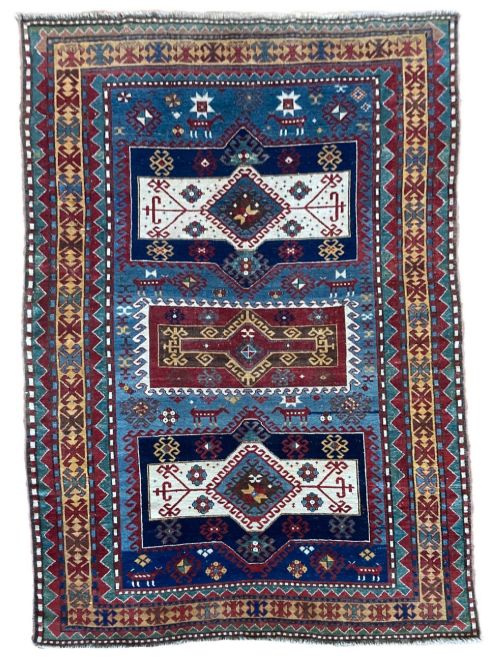
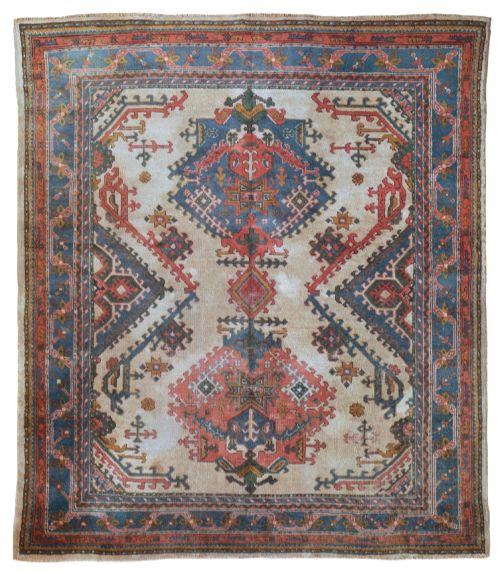
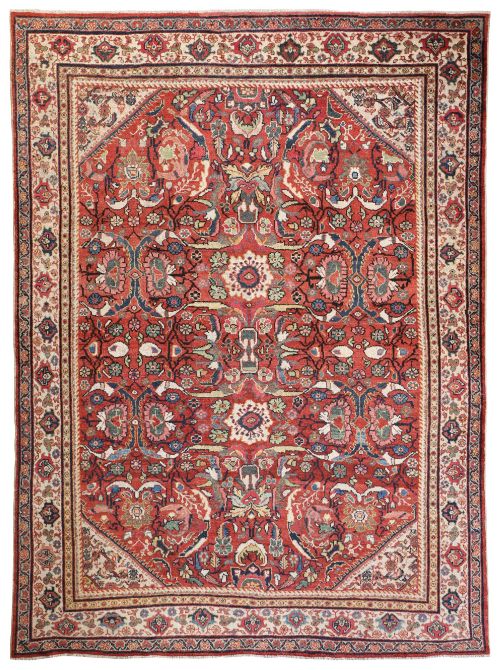
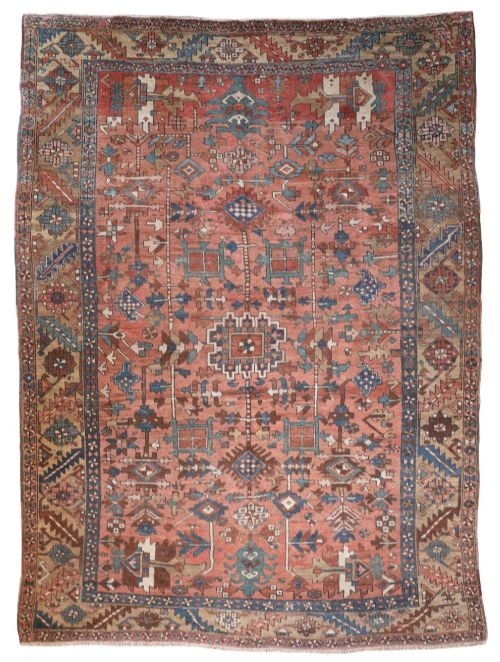
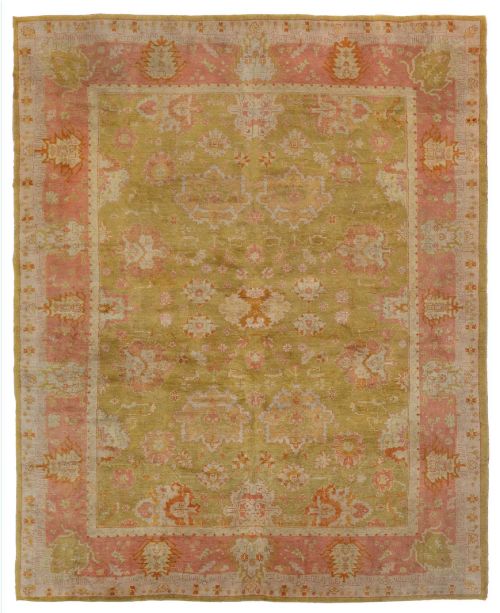
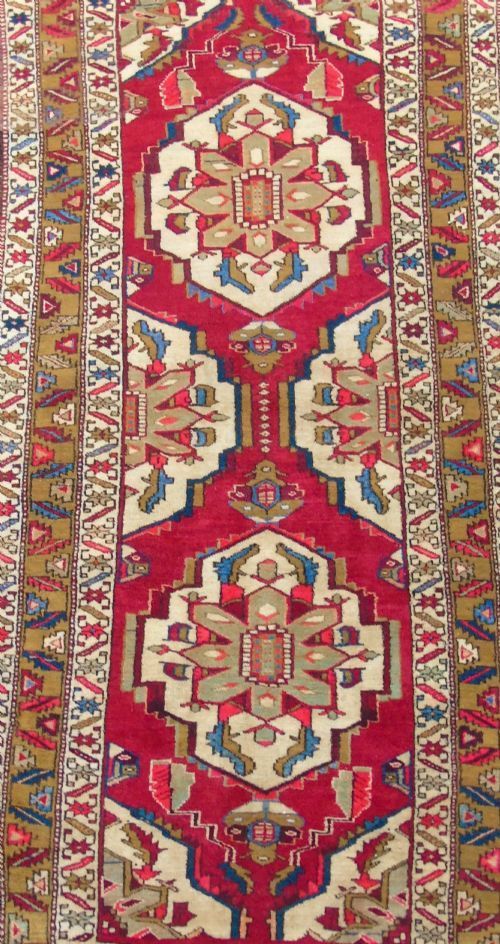
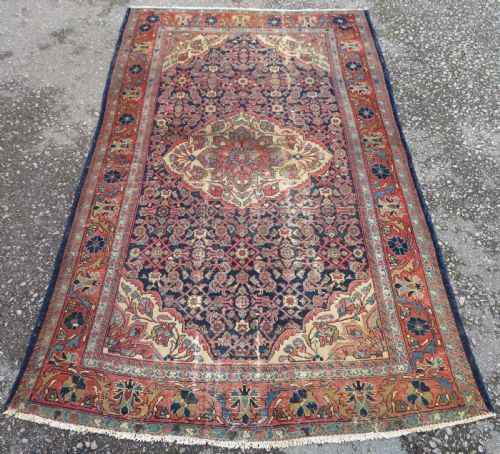
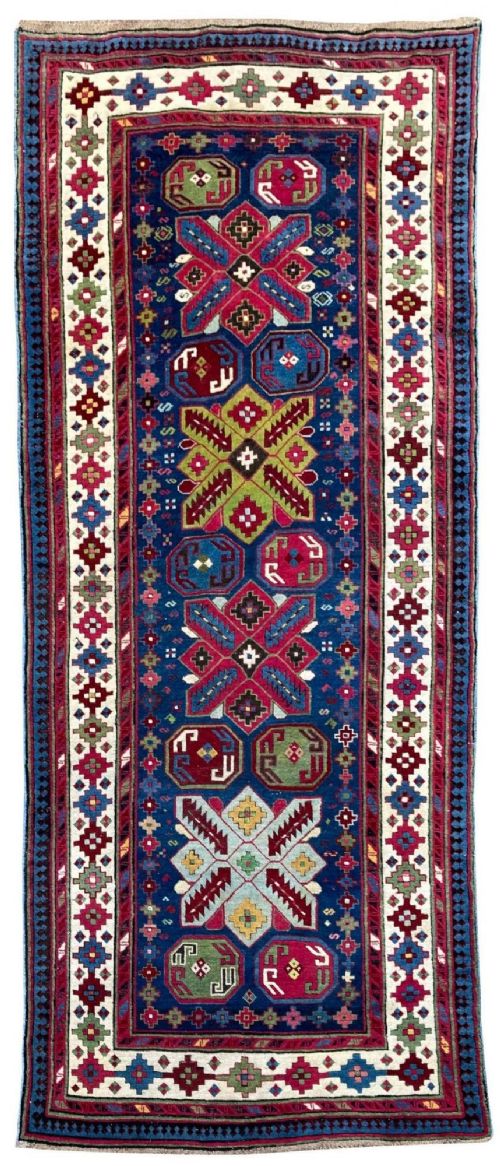
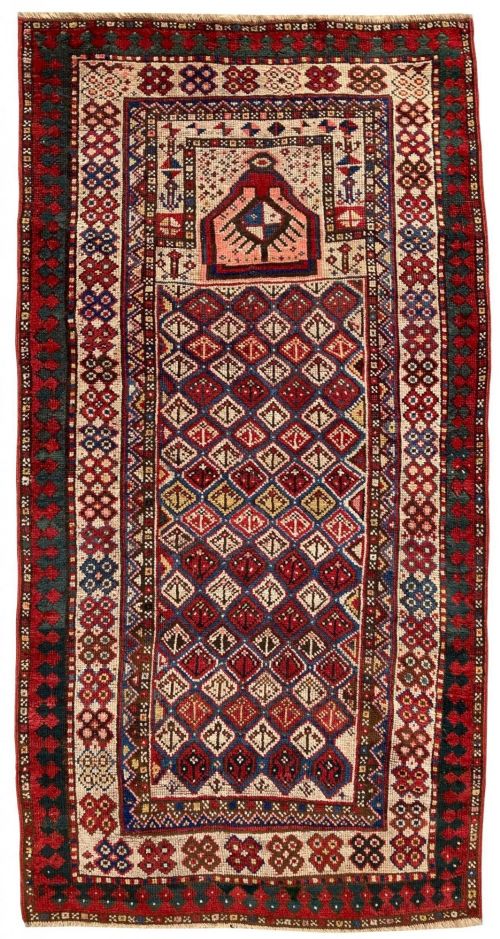
An antique knotted rug is a traditional floor covering created by hand-tying individual tufts of yarn to warp and weft threads. When you search for an antique knotted rug, you encounter floor textiles originating from Persian, Caucasian, Turkish, and Turkmen weaving traditions. These pieces range from small prayer mats to large carpets woven in village workshops, tribal camps, and city looms.
The selections span from the nineteenth century into the early twentieth century, reflecting diverse regional aesthetics. You find geometric Kazak and Shirvan village rugs alongside curvilinear Heriz and Tabriz carpets. Tribal pieces from Baluch, Khamseh, and Kurdish makers sit alongside workshop productions from Kashan and Kirman.
How They Were Made
Weavers constructed these textiles using natural materials, predominantly wool, hand-spun wool, cotton, and occasional silk. Foundation threads of cotton or wool support the dense pile tied by hand knotting techniques. Natural dye sources provided the pigments, resulting in rich colour palettes that aged with deep patination.
Village and tribal weavers set up vertical or horizontal frame looms in homes and tents, relying on memory or rudimentary cartoons for designs. City workshops employed master designers who drew elaborate floral and medallion patterns on graph paper for teams of weavers to execute.
Antique Knotted Rug Retail Price Guide 2026
Typical asking prices for knotted rug among the pieces listed under this phrase on Sellingantiques today, from the lower quarter to the upper quarter. They describe what is for sale here now, not the wider market.
Some tribal weavers tucked stray animal hairs directly into the wool pile.
What Varies in Quality
Quality rests in the density of the knotting and the stability of the foundation. Tighter knots allow intricate pattern definition and greater durability under foot traffic. The selection of wool grade dictates the tactile softness and resilience of the pile over decades of use.
Dye quality separates standard examples from exceptional ones. Master dyers achieved saturated hues and subtle tonal shifts using plant and insect extracts, while inferior pieces show uneven colour absorption or harsh synthetic dyes.
The Antique Knotted Rug Glossary
- Knot
- The individual loop of yarn tied around warp threads that forms the pile of the rug. Persian and Turkish knot types define regional weaving methods.
- Warp
- The vertical foundation threads stretched tightly on the loom before weaving begins. Weavers tie the pile knots around these parallel strands.
- Weft
- The horizontal threads passed alternately over and under warp threads between rows of knots. This binds the structure together across the width of the rug.
- Pile
- The vertical surface of cut or looped yarn standing up from the foundation. The height of this wool or silk layer affects the texture and flexibility of the piece.
- Mihrab
- A niche design element found on prayer rugs, representing the direction of prayer. This architectural arch motif points toward Mecca in Islamic design traditions.
Antique Knotted Rug: Frequently Asked Questions
How do I clean an antique rug?
Professional specialist cleaning is essential for antique textiles to protect fragile wool and natural dyes.
Vacuuming with a plain suction attachment removes surface dirt without damaging the old foundation threads.
Can I place these rugs in high traffic areas?
Sturdier village and tribal carpets handle moderate foot traffic well when supported by a proper underlay.
Finer silk or delicate nineteenth-century pieces require placement in low-traffic rooms to preserve their structure.
How do I identify regional rug styles?
Geometric motifs, bold primary colours, and stark medallion layouts typically point to Caucasian or tribal village origins.
Curvilinear floral sprays, intricate central medallions, and balanced borders usually indicate Persian city workshop production.
What is a prayer rug used for?
Traditional weavers created prayer rugs with a single mihrab arch design for personal devotion and ritual use.
Today these smaller formats function effectively as bedside mats, wall hangings, or striking entryway focal points.