
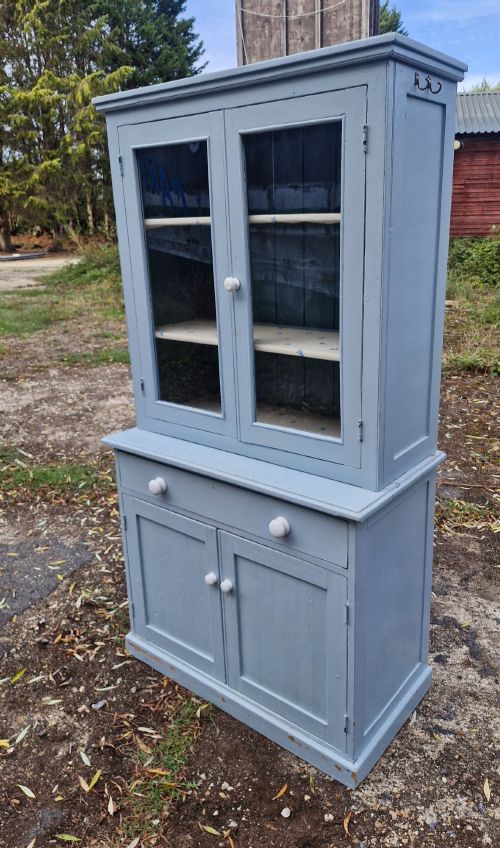
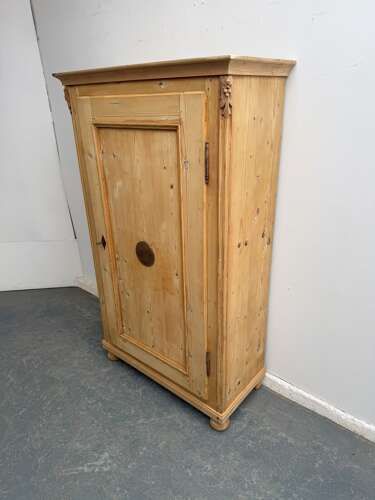
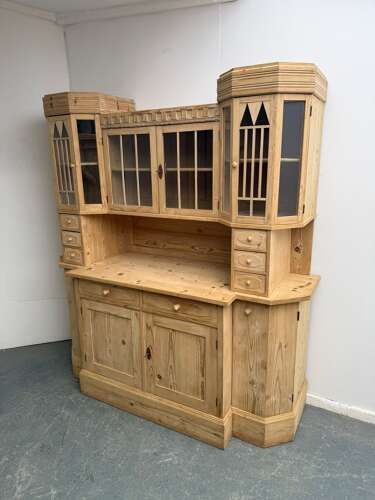
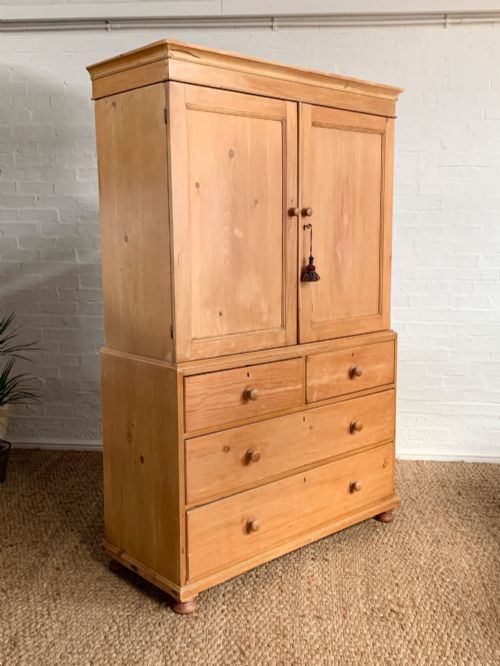
Antique Kitchen Larder
An antique kitchen larder offers serious utility and traditional charm, storing provisions in timber furniture built for daily country life.
Antique Kitchen Larder
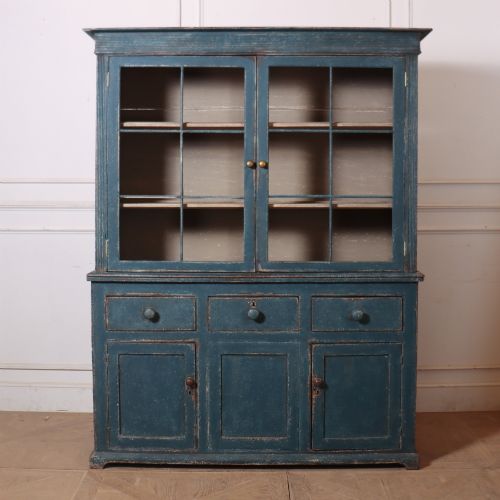
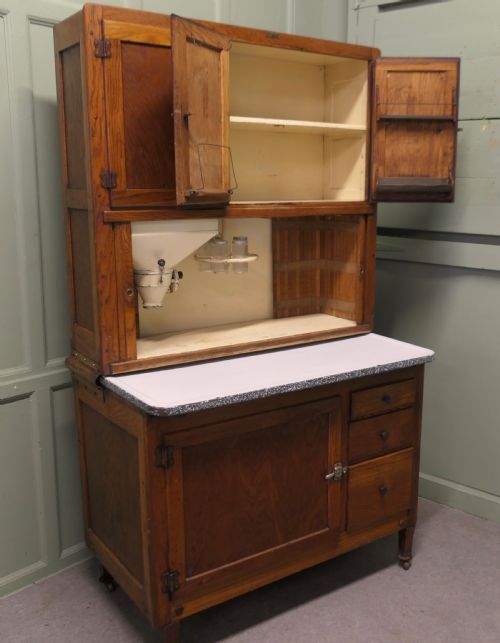
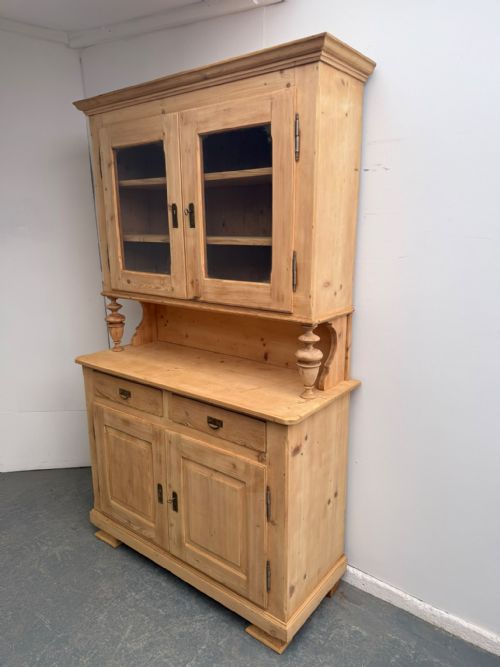
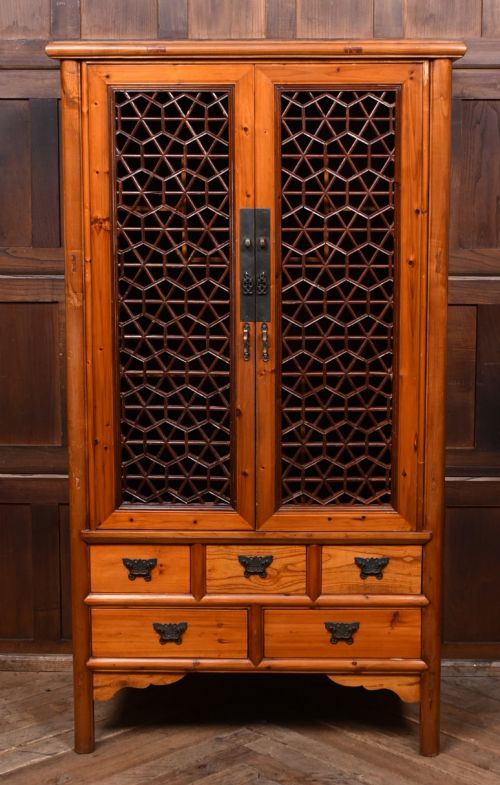
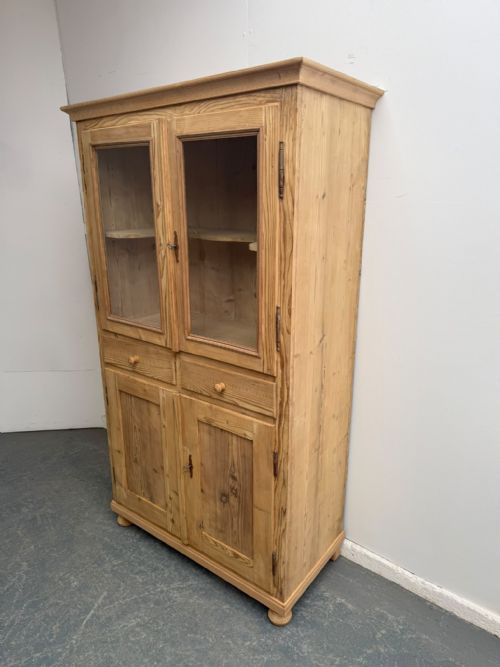
When you search for an antique kitchen larder, you are looking at substantial storage furniture designed for food preservation and household provisions. These pieces range from tall narrow cupboards to large housekeeper's cupboards and kitchen dressers originating across the eighteenth, nineteenth, and early twentieth centuries.
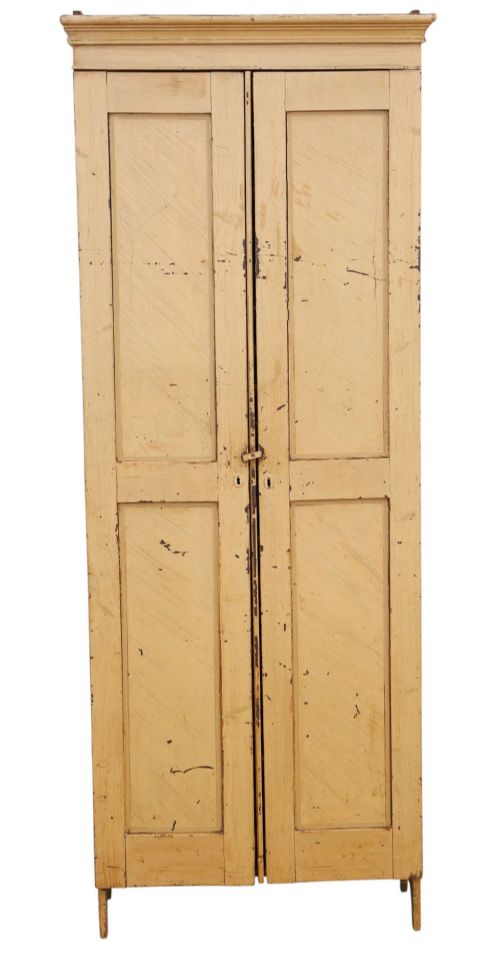
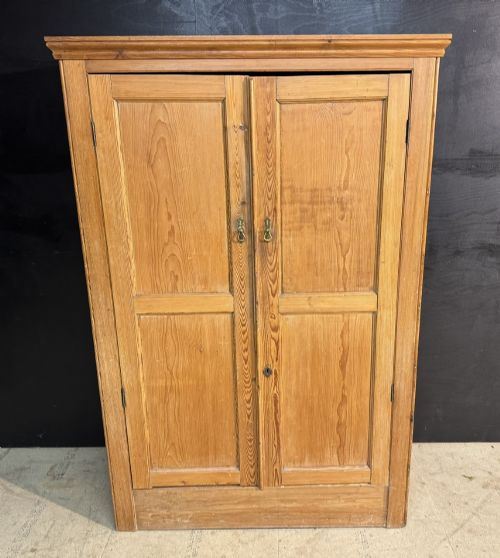
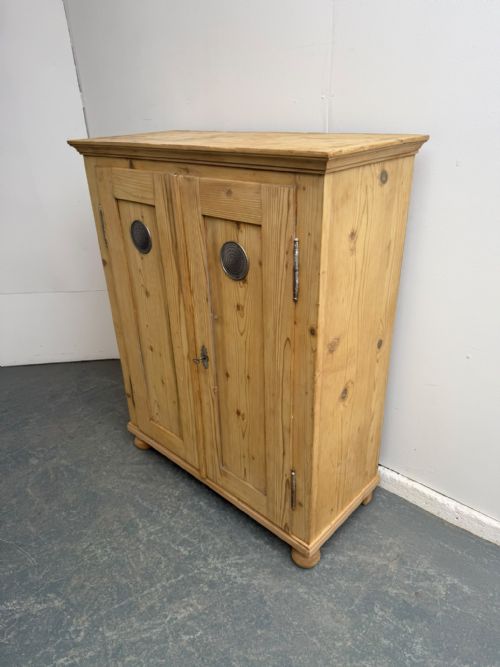
The version you are most likely to meet on this page is a pine or oak cupboard, often featuring panelled doors, drawers, and internal shelving. Many examples show regional British or European origins, including English, French, Scottish, and West Country pieces.
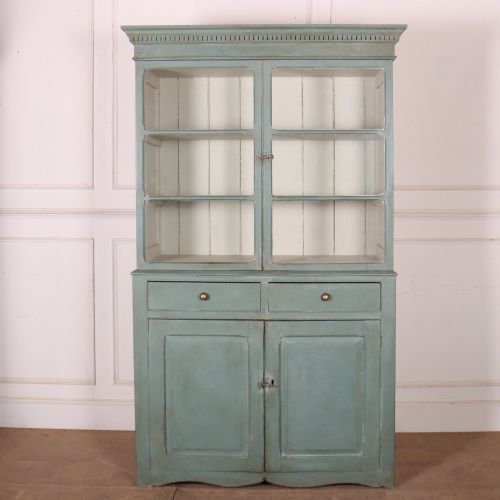
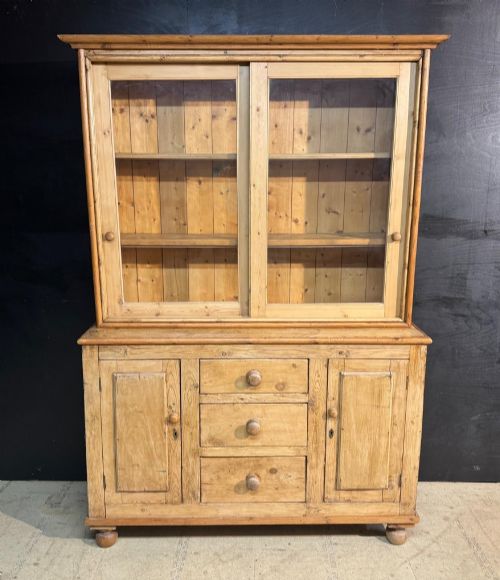
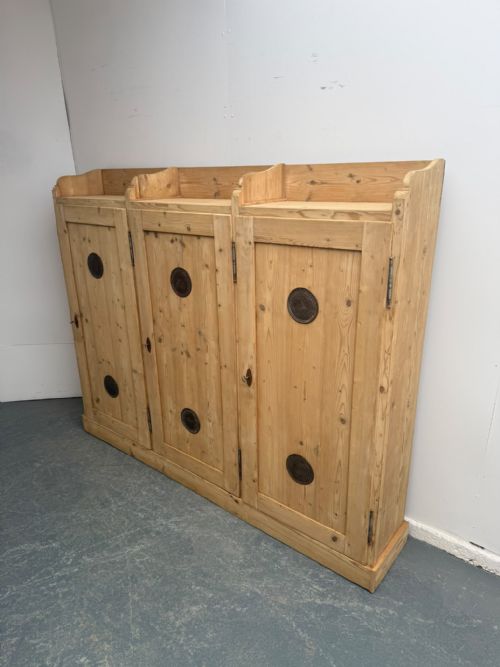
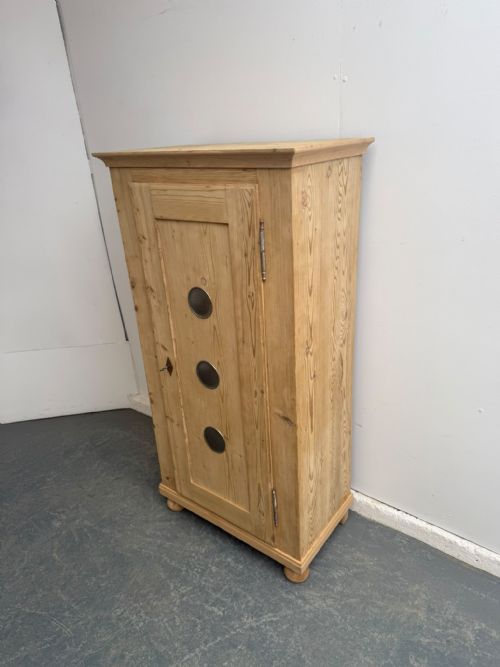
Forms vary from simple single-door food cupboards to multi-door glazed cabinets and vented designs intended to keep provisions cool. These practical items reflect the domestic routines of country houses, farmhouses, and estates.
Materials and construction
Makers built these storage pieces predominantly in solid pine and oak, alongside occasional chestnut and mixed timbers. Iron and brass hardware, such as hinges and latches, secure heavy doors built to withstand daily domestic use.
Surfaces frequently show historical treatments, ranging from original paint and cream or green finishes to stripped wood and surfaces prepared for waxing or painting. Glazed sections incorporate glass panes for display, while specialised cupboards include wire mesh or perforated wooden vents for air circulation.
One unexpected piece crosses domestic storage with ecclesiastical history as an antique French confessional booth wardrobe kitchen larder cupboard.
Assessing quality in storage furniture
Quality in an antique kitchen larder lies in the integrity of its timber, the honesty of its construction, and the survival of original surface finishes. Superior pieces retain their structural soundness, solid backboards, and working period hardware without excessive modern timber replacement.
The presence of untouched original paint or undisturbed early patination elevates a piece above those that have been repeatedly stripped or altered. Proportions also matter, separating utilitarian workshop items from finely scaled farmhouse furniture designed for prominent domestic spaces.
Hudson Bros
The Antique Kitchen Larder Glossary
- Housekeeper's cupboard
- A large storage piece traditionally used in substantial homes for linen, dry goods, and kitchen provisions. These tall cupboards often combine upper doors with lower banks of drawers.
- Bread and cheese cupboard
- A regional storage cabinet featuring ventilated panels, traditionally used to keep dairy and baked goods cool before refrigeration. These pieces rely on airflow rather than sealing.
- Glazed cabinet
- A storage unit with glass-fronted upper doors designed to display contents while protecting them from dust. They frequently appear in kitchen dressers and display furniture.
- Vented cupboard
- A cabinet fitted with perforated panels, wire mesh, or slatted wood to allow air circulation for perishable food storage. This ventilation is a defining characteristic of period larder furniture.
- Country pine
- A term describing domestic furniture constructed from softwood, often finished with paint, scrubbed surfaces, or wax. It forms the backbone of traditional farmhouse and provincial storage pieces.
Antique Kitchen Larder: Frequently Asked Questions
What is an antique kitchen larder used for?
These cupboards served as the primary storage space for dry goods, perishables, and household provisions before modern refrigeration. Their deep shelves and ventilated doors kept food items organised and cool.
Today, they function as pantry cupboards or statement storage units in modern kitchens and dining rooms. They hold everything from tableware to kitchen appliances while adding traditional character to a room.
How do I date an antique larder?
Dating relies on construction methods, timber choice, nail types, and overall style characteristics recorded across the eighteenth and nineteenth centuries. Georgian pieces often display specific joinery details, whereas Victorian and Edwardian examples utilise machine-sawn timber and different hardware.
Surface finishes also provide clues, as many pieces retain layers of original paint or later decorative treatments applied during their working life.
Are these cupboards made of solid wood?
Period larders and housekeeper's cupboards are constructed from solid timbers such as pine, oak, and chestnut rather than modern manufactured boards. Backboards and internal shelves are typically heavy plank timber.
This solid construction allows the wood to respond to wax finishes and endure centuries of household use.