



Antique Kerman Rug
An antique kerman rug brings dense botanical motifs and nomadic woolwork from South Persia into domestic interiors.
Antique Kerman Rug
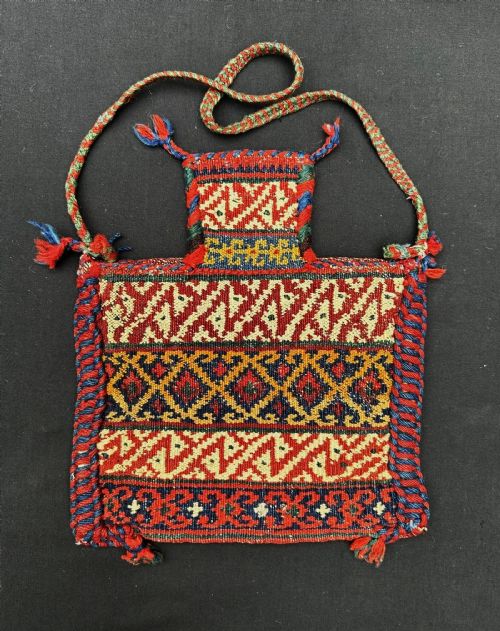
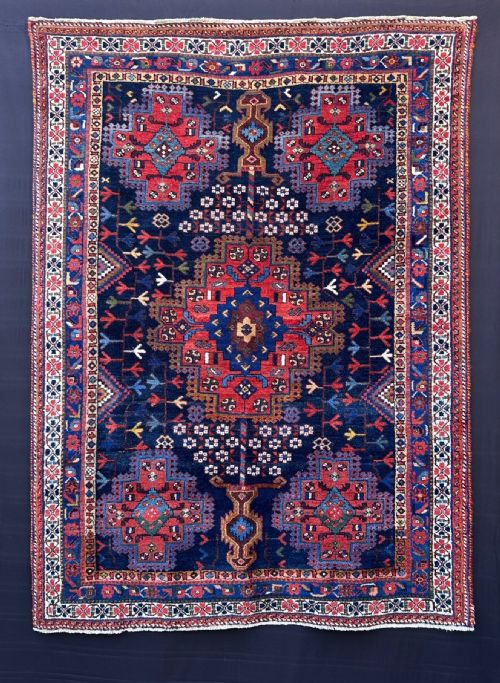
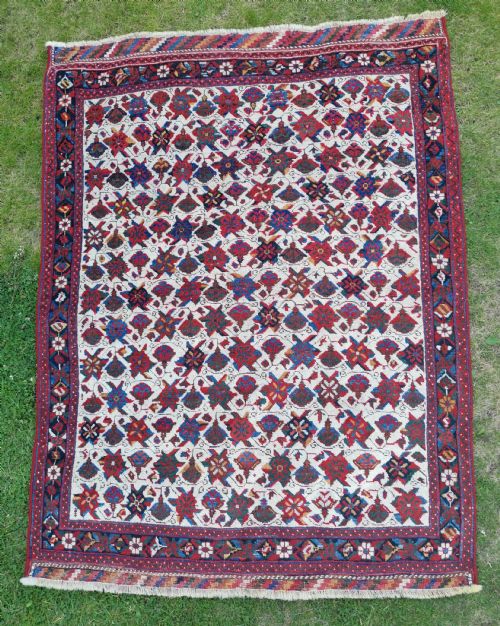
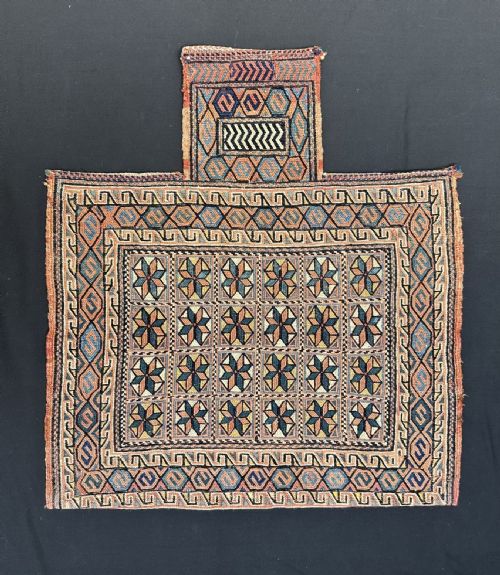
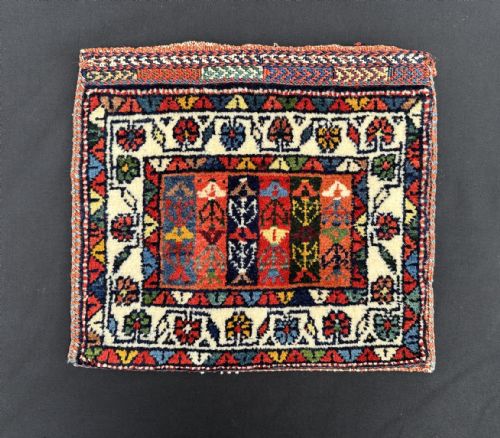
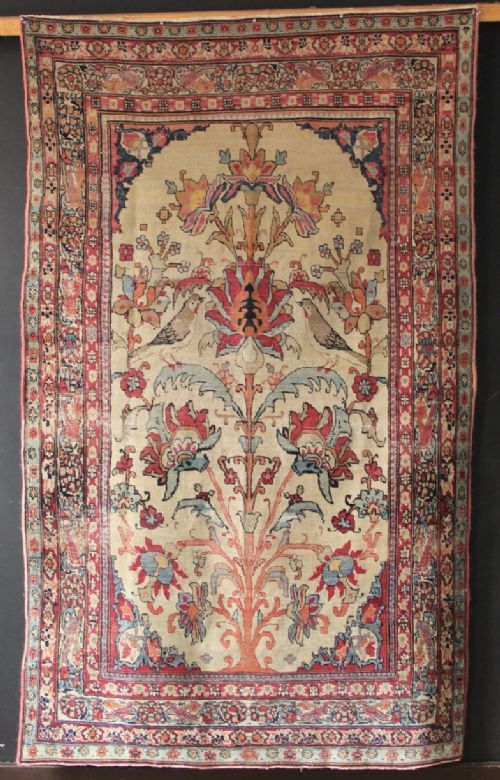
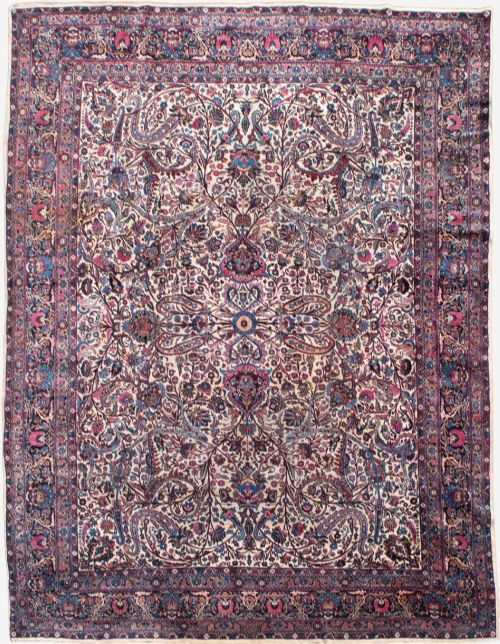
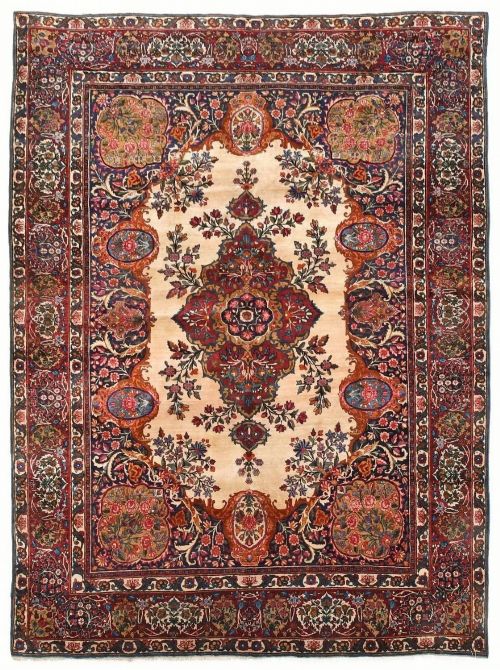
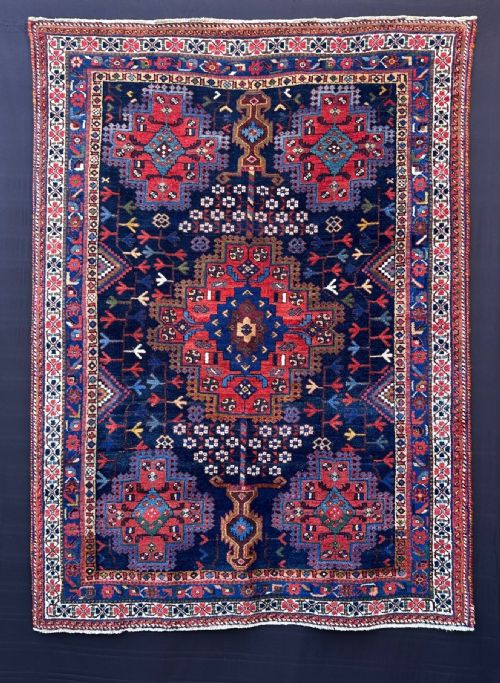
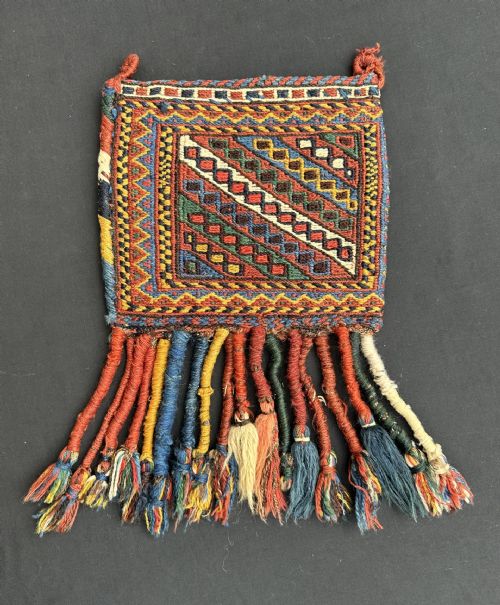
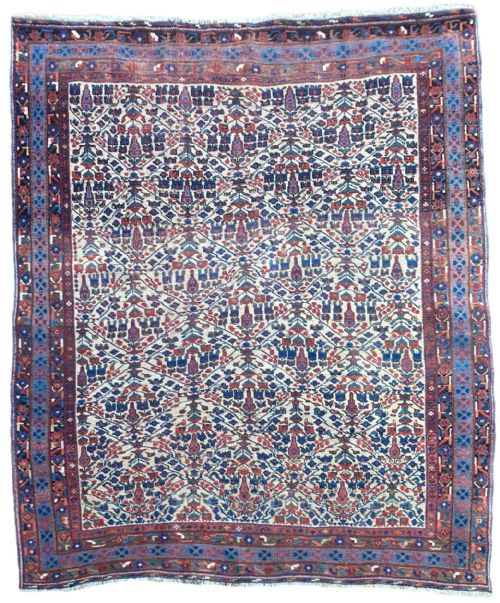
An antique kerman rug encompasses both urban workshop carpets and the smaller tribal weaving produced across the Kerman province of South Persia. The selection ranges from expansive room-size floor coverings to compact utility items such as vanity bags, bread sofreh cloths, and pipe pouches.
The regional output reflects two distinct making traditions within the same geographic boundaries. City workshops produce finely knotted floral carpets, while nomadic groups such as the Afshar weave geometric rugs and storage items in regions like Neiriz and Sirjan.
Dated examples span from the mid-nineteenth century through the early decades of the twentieth century. Buyers encounter formats varying from long runners and square mats to intricate pictorial designs and prayer rugs.
Distinctions in craftsmanship and material grade
Knot density and structural fineness separate standard utility weaving from master workshop production. Higher grade pieces demonstrate meticulous execution in curvilinear floral details and pictorial compositions.
The quality of the wool and the depth of natural dyes determine the visual resonance and longevity of the pile. Refined preparation of materials yields resilient surfaces that retain clarity of design across centuries.
Several nomadic bags retain their original cowrie shells, once sewn on to ward off the evil eye.
The Antique Kerman Rug Glossary
- Sofreh
- A flatweave or pile cloth utilised for dining, food preparation, or handling bread within nomadic households. These textiles feature distinct tribal iconography.
- Boteh
- A recurring almond-shaped motif representing a floral or cypress shoot, frequently arranged in overall patterns across the field. This design symbolises life and eternity.
- Chanteh
- A small personal bag or vanity pouch woven by nomadic groups for carrying small possessions. They display intricate geometric field compositions.
- Soumak
- A flatweave technique utilising wrapping threads over the warp to create a textured, durable surface without a cut pile. This method appears on various storage bags and rugs.
- Lavar
- A specific regional sub-type associated with fine Kerman weaving, known for delicate floral execution and superior knot count. These pieces represent advanced urban workshop output.
- Masnad
- A small throne rug used as a seat of honour within tribal settings. These textiles exhibit dense, focused geometric arrangements.
Antique Kerman Rug: Frequently Asked Questions
How do I clean an antique kerman rug?
Surface dust requires gentle sweeping or specialist vacuuming without a beating attachment to protect the natural wool pile. Professional conservation cleaning remains necessary for deeper maintenance.
Water exposure and standard chemical detergents damage natural dyes and cotton foundations. Specialist textile conservators handle periodic washing to preserve structural integrity.
Where were these rugs made?
Production centres span the Kerman province in South Persia, encompassing both urban workshops and regional tribal areas. Specific weaving groups operated in districts such as Neiriz, Sirjan, and Bardsir.
Nomadic populations moved through these mountain and desert regions, while city weavers operated permanent workshops in urban centres. Both environments contributed distinct design vocabularies to the regional output.
How are tribal rugs different from city carpets?
Tribal examples display geometric layouts, nomadic symbols, and practical utility formats created by groups like the Afshar. City pieces focus on curvilinear floral arrangements and room-size dimensions.
Nomadic weavers utilised portable looms and local materials for personal items and floor coverings. Urban workshops employed fixed looms and master designers to execute intricate medallion and millefleurs patterns.
Can I place these rugs in high traffic areas?
Durable wool construction and sturdy cotton foundations allow these textiles to withstand regular domestic use. Placing them in moderate traffic zones prevents excessive localized wear.
Underlays provide necessary grip and cushioning to protect the antique foundation from friction against hard flooring. Regular rotation ensures even exposure to light and foot traffic.