
Antique Joint Table
An antique joint table brings sturdy timber and centuries of domestic use straight into a room.
Antique Joint Table
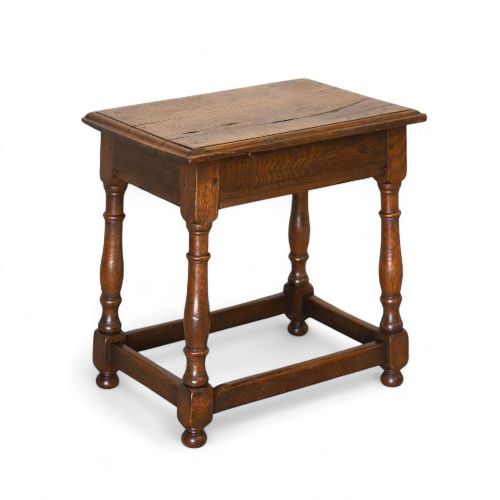
An antique joint table comprises solid timber constructions built with pegged joints rather than metal nails. These pieces span centuries of domestic craft, often overlapping in form with heavy stools and low side tables.
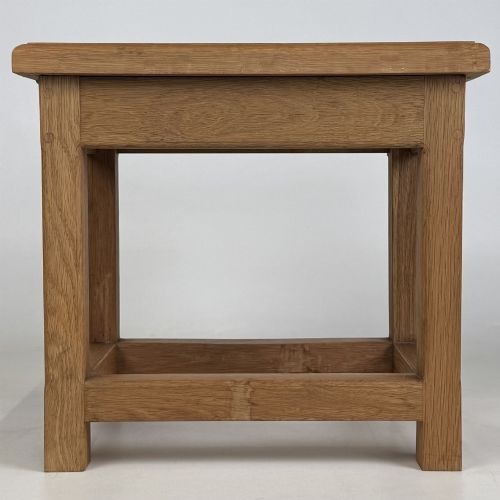
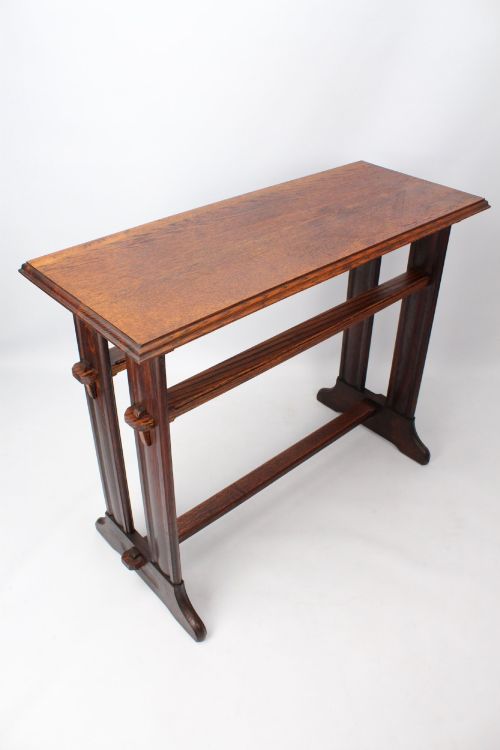
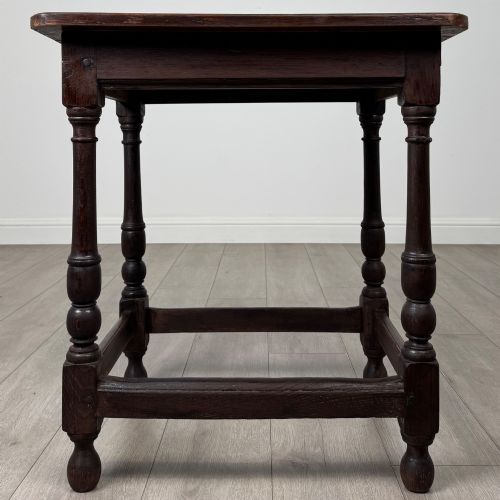
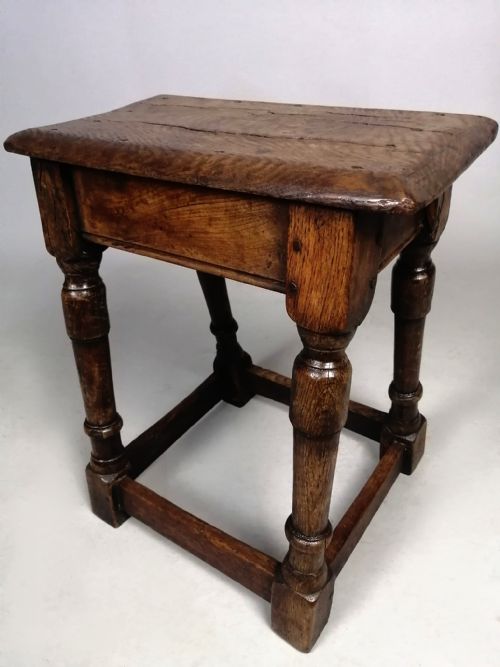
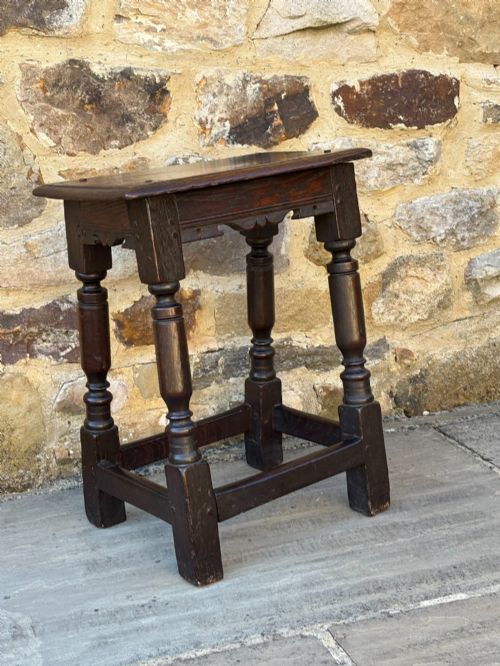
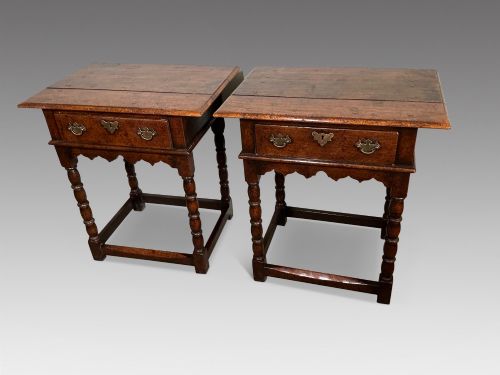
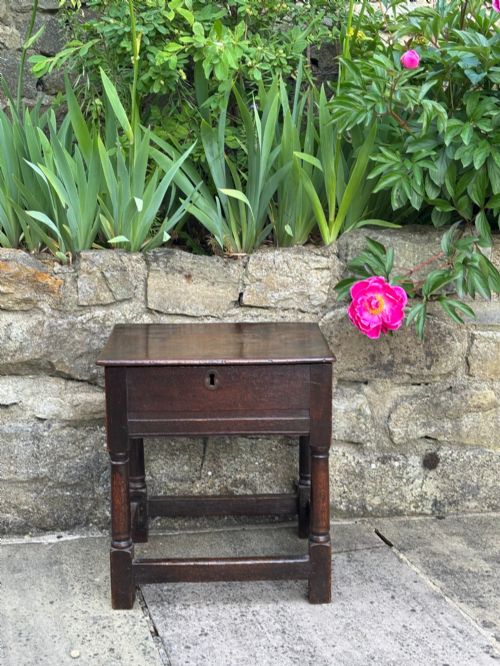
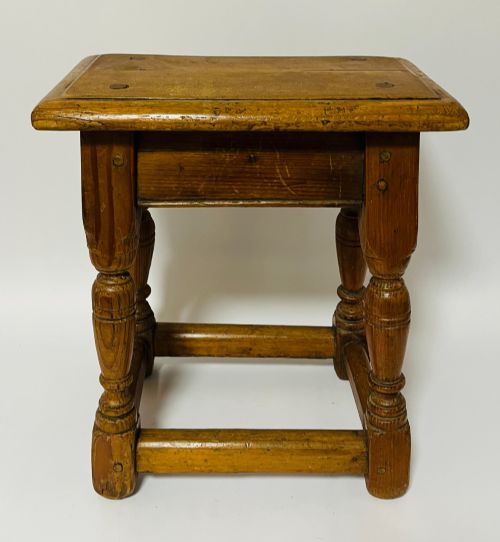
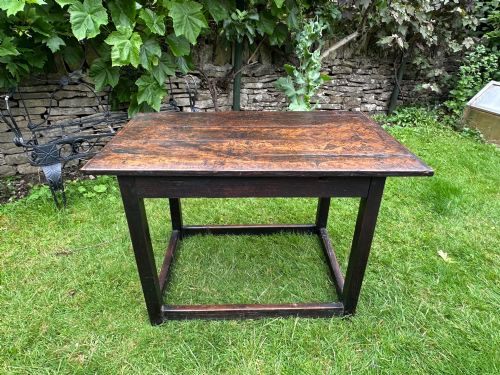
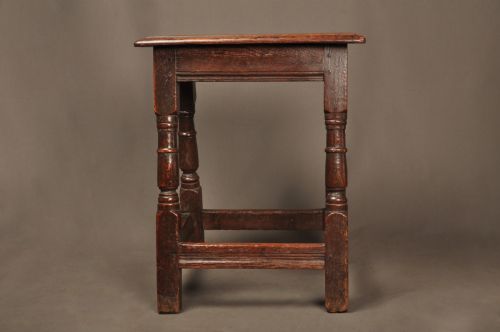
The version most commonly met on this page is an oak side table or low table from the seventeenth or eighteenth centuries. Surviving examples demonstrate heavy plank tops supported by sturdy legs connected with low stretchers.
Makers produced these items for utilitarian household tasks, using local hardwoods to withstand daily farm and village life. Over time, smaller forms adapted into occasional tables, lamp stands and bedside surfaces.
How they were made
Carpenters relied primarily on English oak, supplemented by elm, yew wood and pine for secondary elements or provincial builds. Timber selection depended on regional availability and the specific load-bearing demands of the top and legs.
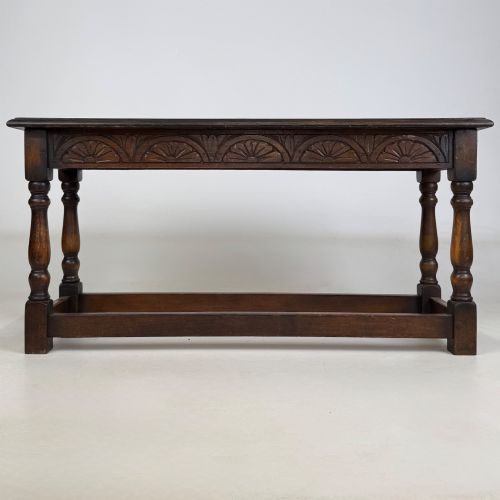
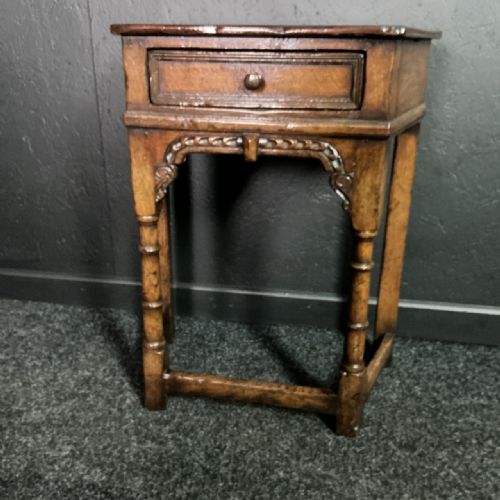
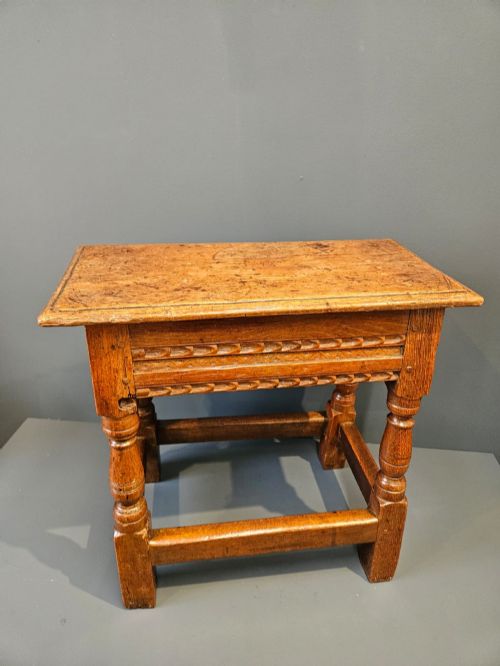
Construction utilised mortise and tenon joinery secured with wooden pegs, creating rigid frames without iron fastenings. Surface finishing involved hand planing and occasional carved ornamentation along rails and aprons.
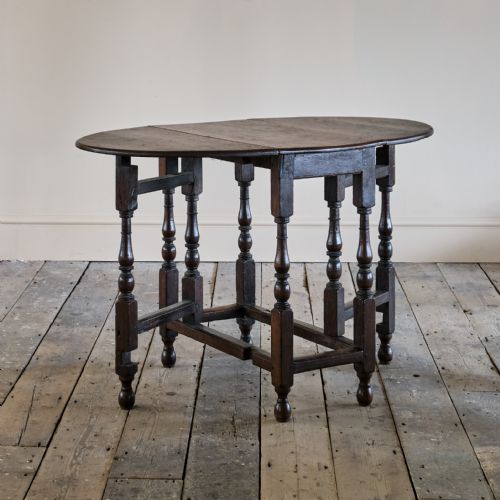
The inventory includes side tables, box stools, occasional tables and dining tables.
What varies in quality
The integrity of the original pegging and the thickness of the plank top determine the structural merit of a piece. Substantial timber preservation without extensive timber replacement separates superior survivals from heavily restored examples.
Natural patina and surface depth accrued through centuries of polishing differentiate exceptional provincial items from later revival copies. The crispness of hand-carved details on rails adds distinction to specific forms.
The Antique Joint Table Glossary
- Joint stool
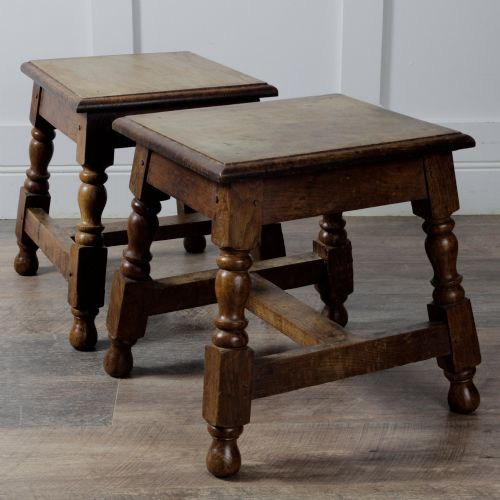
- A sturdy wooden seat built with pegged mortise and tenon joinery. These pieces often double as small side tables in modern interiors.
- Plank top
- A solid wooden surface constructed from joined boards rather than veneered panels. This feature defines the primary work surface on early tables.
- Stretcher
- A horizontal wooden brace connecting the legs near the floor to provide structural rigidity. They prevent the frame from wobbling under heavy loads.
- Provincial
- Description for items made by regional craftsmen outside major urban centres. These objects reflect local material choices and traditional working methods.
Antique Joint Table: Frequently Asked Questions
What is an antique joint table used for today?
These compact wooden tables serve well as lamp stands, side surfaces or bedside tables in modern rooms. Their modest footprints allow them to fit easily into tight spaces.
Buyers also utilise low examples as occasional tables next to armchairs or sofas. The robust timber construction handles everyday items without difficulty.
How do I date an antique joint table?
Dating relies on examining the tool marks, timber shrinkage and structural assembly methods visible on the frame. Hand-split boards and irregular pegging usually point towards earlier periods.
Revival pieces from the nineteenth and twentieth centuries often display mechanical sawing marks and uniform machine-turned stretchers. Comparing the wear patterns on the feet helps confirm age.
Are these tables made entirely of solid oak?
Many examples consist primarily of English oak, though secondary woods like elm or pine occasionally appear in top panels or stretchers. Provincial makers utilised whatever strong local hardwoods were available in their workshop.
Checking the underside reveals the grain consistency and confirms whether secondary timbers were used for structural repairs later in its life.
How should I care for an oak joint table?
Maintain the timber by applying natural beeswax periodically to nourish the dry grain and preserve the surface shine. Avoid placing the wood near direct heat sources or in areas with fluctuating humidity.
Cleaning requires only a soft, dry cloth to remove dust without harming the accumulated patina. Moisture should be wiped away immediately to prevent water rings.