


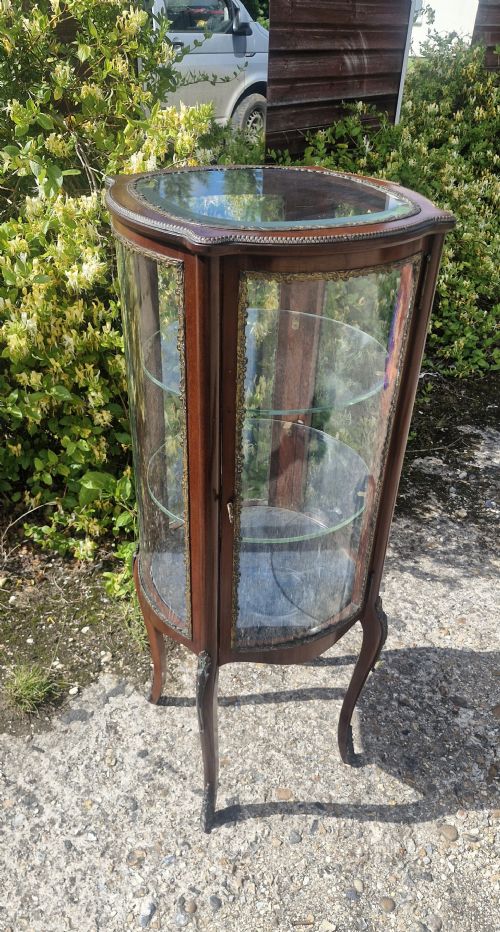


Antique Jewellery Display Case
An antique jewellery display case presents small treasures under glass, uniting utility and elegance across Victorian, Edwardian and Art Deco periods.

Antique Jewellery Display Case
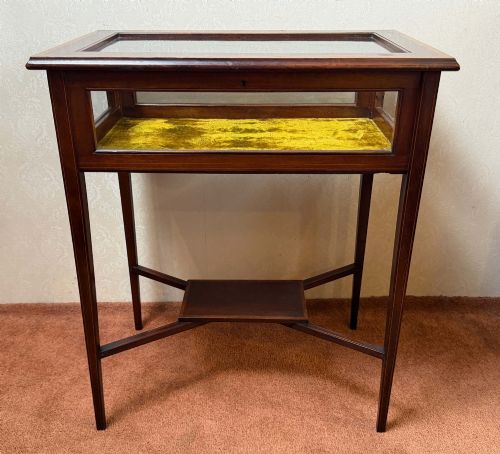
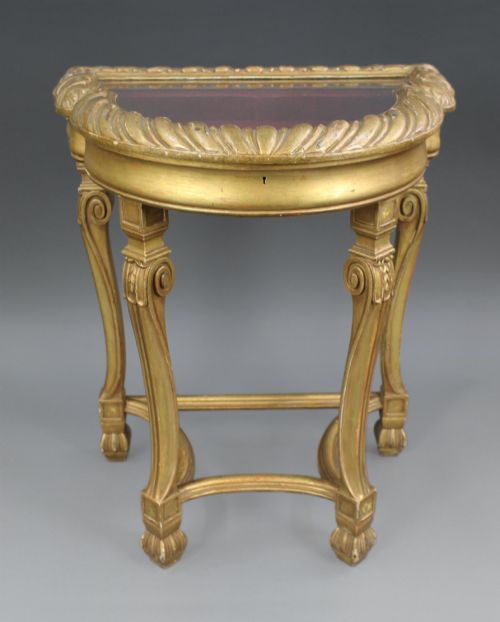
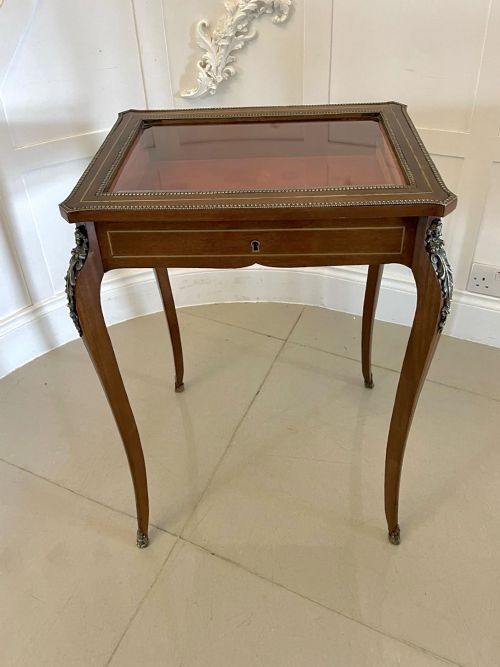
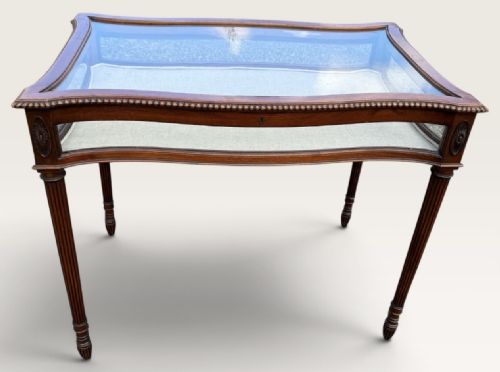
An antique jewellery display case encompasses freestanding tables, countertop boxes and tall vitrines designed to showcase precious items. You will frequently encounter Edwardian mahogany examples alongside Victorian rosewood and walnut iterations.
Forms range from serpentine bijouterie tables to pentagonal display counters and wall-mounted vitrines. These pieces serve to protect valuables while offering an unobstructed view from above or the sides.
Origins stretch across English, French and continental workshops, spanning the nineteenth and early twentieth centuries. The selection here leans heavily towards Edwardian inlaid timber and glass constructions.
Materials and construction
Cabinet makers utilised dense hardwoods including mahogany, rosewood, satinwood and walnut, often enhanced with marquetry or crossbanding. Glazed panels form the viewing surfaces, secured within wooden or metal frames.
Ormolu mounts, brass hinges and locks add both structural reinforcement and decorative detail. Interiors typically feature linings of velvet or fabric to cushion the items on display.
Antique Jewellery Display Case Retail Price Guide 2026
Typical asking prices for jewellery display case among the pieces listed under this phrase on Sellingantiques today, from the lower quarter to the upper quarter. They describe what is for sale here now, not the wider market.
Several display cases bear later sign-written details for Breitling watches, hinting at commercial lives spent advertising precision timepieces.
Distinctions in craftsmanship
Quality rests upon the precision of the timber joinery and the clarity of the glass panels. Finer examples display intricate inlay work, hand-carved details and substantial ormolu mounts rather than stamped metal.
The choice of internal fabric lining and the smoothness of hinged opening mechanisms distinguish standard utility pieces from exceptional salon cabinets.
Quincy Showcase Works
The Antique Jewellery Display Case Glossary
- Bijouterie table
- A glass-topped table specifically constructed for displaying small ornaments and jewellery. These pieces often feature hinged lids opening to velvet-lined interiors.
- Vitrine
- A glass-fronted cabinet designed for displaying porcelain, curiosities and fine items. The term derives from the French word for glass.
- Ormolu
- Gilded bronze ornamentation applied to furniture and display cases during the eighteenth and nineteenth centuries. This technique imparts a rich metallic lustre to decorative mounts.
- Marquetry
- Decorative veneer patterns formed by fitting together small pieces of various woods. Artisans apply these designs to cabinet surfaces to create intricate pictorial motifs.
- Crossbanding
- A border technique where thin strips of veneer are laid across the grain of the main panel. This method frames the primary timber with a contrasting wood.
Antique Jewellery Display Case: Frequently Asked Questions
What is a bijouterie table?
A bijouterie table is a specialised piece of furniture featuring a glazed compartment set into the top surface. It was traditionally used in drawing rooms to exhibit rings, watches and small decorative objects.
The hinged glass lid allows items to be viewed from above while keeping them secure. These tables combine the function of a display case with the height and proportions of a small side table.
How do I clean the glass?
Cleaning the glass on an antique display case requires mild, non-abrasive cleaning solutions applied to a cloth rather than sprayed directly. This prevents moisture from seeping into vulnerable wooden frames or fabric linings.
Take care around delicate brass hinges, locks and ormolu mounts during the cleaning process. Older glass can be fragile, so gentle pressure is essential.
How do I date a display case?
Dating relies on observing construction methods, timber choices and prevailing design styles across different eras. Victorian pieces often utilise heavy rosewood or walnut, whereas Edwardian examples frequently feature inlaid mahogany.
Hardware such as locks and screws also provide chronological clues. Hand-cut dovetails and specific revival styles help narrow down the period of manufacture.
Where should I place a vitrine?
A vitrine requires a stable location away from direct sunlight and sudden temperature fluctuations. Excessive heat or light can damage sensitive interior fabrics and dry out older timber.
Positioning the cabinet near natural light sources enhances the visibility of displayed items. Ensure the floor surface is level so that glazed doors and hinged lids close properly.