


Antique Jewellery Brooches
Antique jewellery brooches span Georgian, Victorian, Edwardian and Art Deco designs crafted in gold, silver and enamel.
Antique Jewellery Brooches
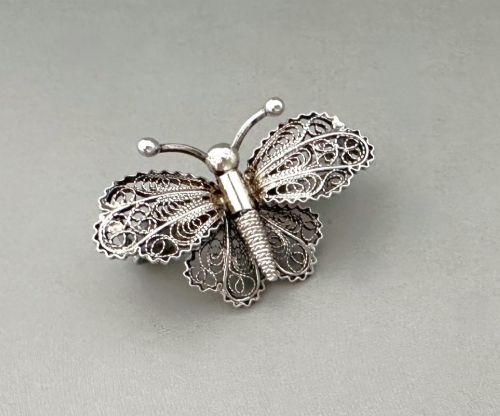
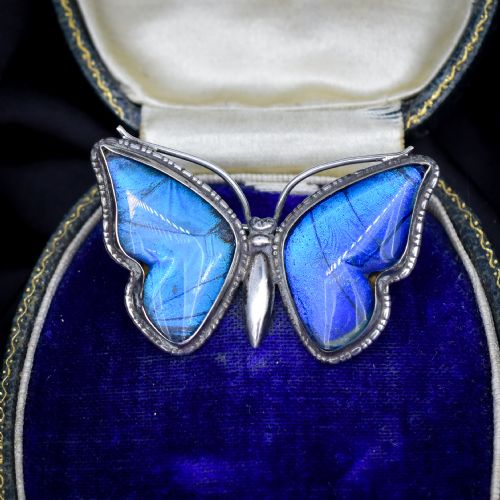
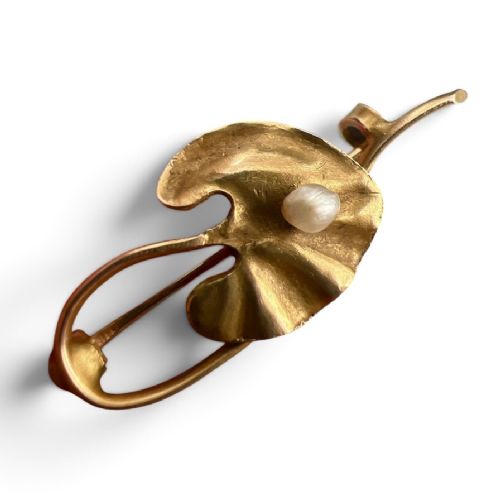
When you search for antique jewellery brooches, you encounter a diverse array of wearable ornaments spanning the Georgian, Victorian, Edwardian and Art Deco periods. These pieces take many forms, from intricate floral sprays and insect motifs to geometric bar brooches and Scottish pebble designs.
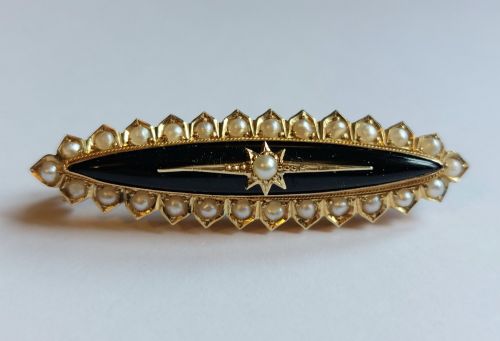
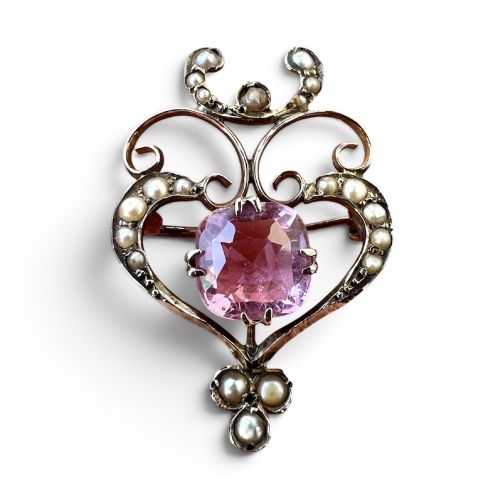
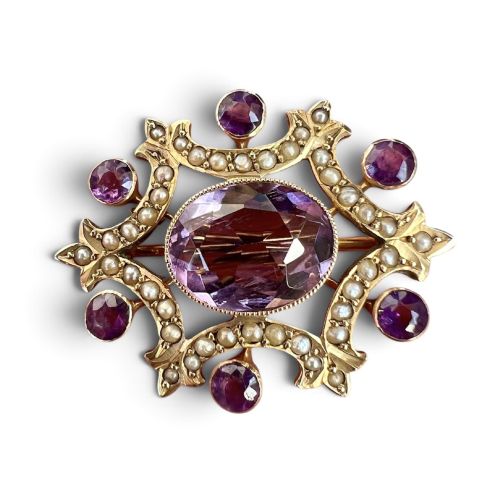
You are most likely to meet Victorian and Edwardian examples on this page, often set with seed pearls, garnets, diamonds or colourful enamel. Many of these items also double as pendants, offering versatility in how they are worn today.
How they were made
Goldsmiths and silversmiths utilised various purities of gold, including 9ct and 15ct, alongside sterling silver and platinum to form the structural mounts for these brooches. Stones such as diamonds, rubies, sapphires, tourmalines and opals were hand-set into these metal frames.
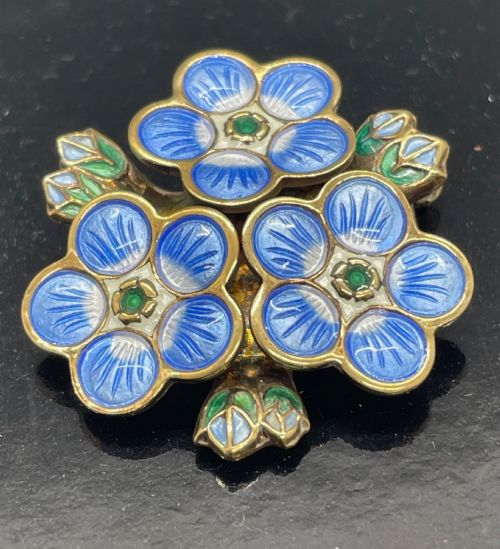
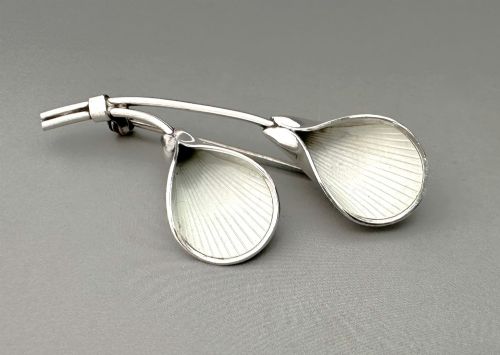
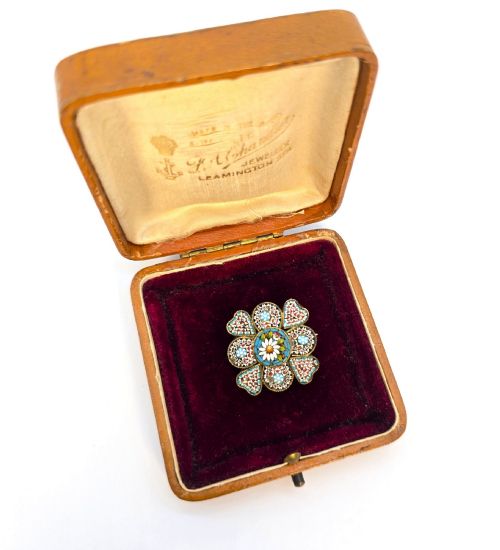
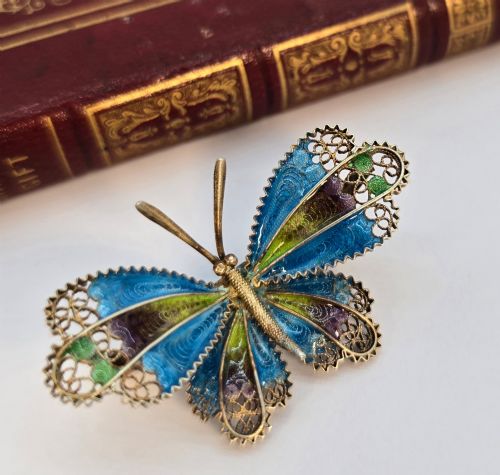
Enamelling techniques, particularly guilloche, added vibrant colour to silver and gold surfaces, while specialised stonework such as micro-mosaics and agates demonstrated meticulous lapidary skills.
The listings on this page span eight distinct periods, from Georgian and Victorian eras through to the mid-twentieth century.
What varies in quality
The standard of an antique brooch rests upon the precision of its metalwork, whether through delicate silver filigree, heavy Etruscan revival granulation or clean Art Deco platinum geometry. Superior execution shows in the crispness of the casting and the secure, flush setting of every seed pearl, garnet or diamond.
A H Darby & Son·Charles Horner
The Antique Jewellery Brooches Glossary
- Bar brooch
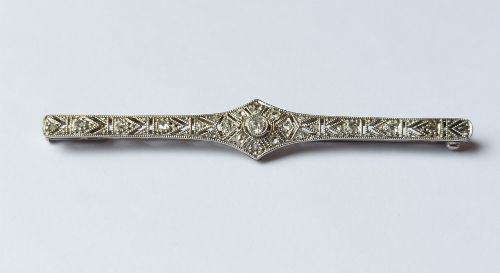
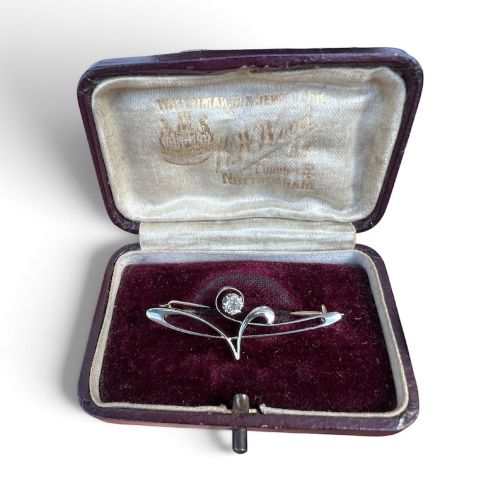
- A narrow horizontal pin format popular during the Edwardian and Art Deco eras, often centred with gems.
- Guilloche enamel
- Decorative engine-turned metalwork covered with translucent coloured enamel layers, frequently seen on butterfly and floral motifs.
- Seed pearl
- Very small natural or cultured pearls, typically threaded or glued into floral and starburst clusters in Victorian and Edwardian jewellery.
- Micro mosaic
- Tiny coloured glass tesserae assembled by hand to form detailed pictorial scenes, characteristic of nineteenth-century Italian work.
- Agate
- A variety of chalcedony utilised heavily in Scottish revival pebble brooches, displaying natural banded patterns.
Antique Jewellery Brooches: Frequently Asked Questions
How do I wear an antique brooch?
Antique jewellery brooches can be pinned to lapels, scarves, hats or the front of a blouse to add a decorative focal point to modern attire. Many period pieces also feature hidden loops, allowing them to transform into pendants suspended from a chain.
Ensure the pin mechanism is secure before fastening to heavier fabrics like wool or tweed, while delicate silks require careful placement to avoid pulling the threads.
Were all Victorian brooches mourning pieces?
Not all Victorian brooches served as mourning jewellery, though the nineteenth century did produce many onyx, jet and black enamel pieces dedicated to remembrance. The era also celebrated vibrant life through floral sprays, colourful garnets, seed pearls and Scottish agate designs.
Mourning brooches specifically often incorporated hair compartments or dark stones, whereas the broader selection of Victorian pieces highlighted gemstones and sentimental motifs like hearts and crescents.
What is a conversion brooch?
A conversion brooch is a piece of antique jewellery that has been adapted from its original purpose, such as an earring, a button or a stickpin, into a wearable pin. This practice has a long history within the trade, giving new life to orphaned items.
Examining the reverse reveals the soldered additions of a pin stem and safety catch, which indicate where the conversion took place.
How do I care for antique enamel and pearls?
Enamel and seed pearls require gentle handling because they are sensitive to harsh chemicals, ultrasonic cleaners and prolonged exposure to moisture. Clean them simply with a soft, dry cloth after wearing to remove natural skin oils.
Store your brooches individually in lined boxes to prevent the metal pins from scratching delicate enamel surfaces or softer gemstones.