





Antique Japanese Style Plate
An antique japanese style plate brings the bold colours and intricate motifs of East Asian craft into Western interiors.
Antique Japanese Style Plate
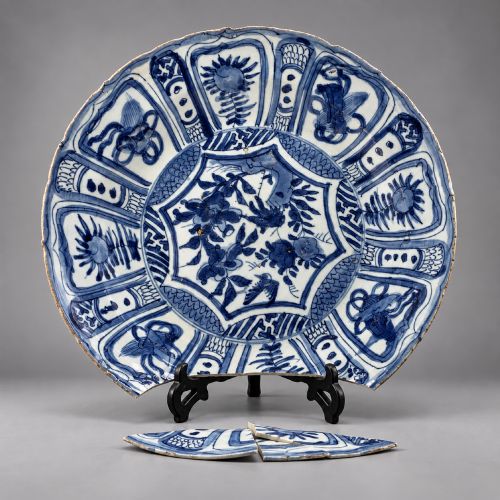
When you search for an antique japanese style plate, you encounter a selection spanning the nineteenth and early twentieth centuries. These pieces encompass decorative chargers, cabinet plates, and ceramic dishes created in Britain and Japan alike.
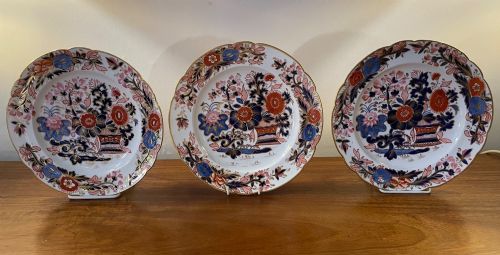
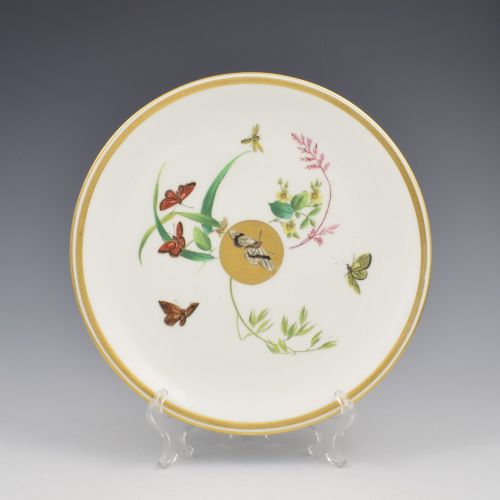
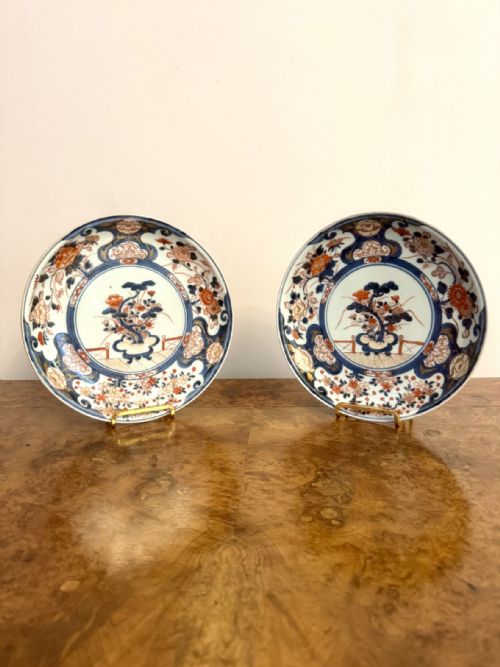
The most common form on this page is the Japanese Imari plate or charger, alongside Victorian interpretations from English potteries like Minton. Makers adapted Eastern palettes and motifs for European dining rooms and drawing rooms, producing items intended for display.
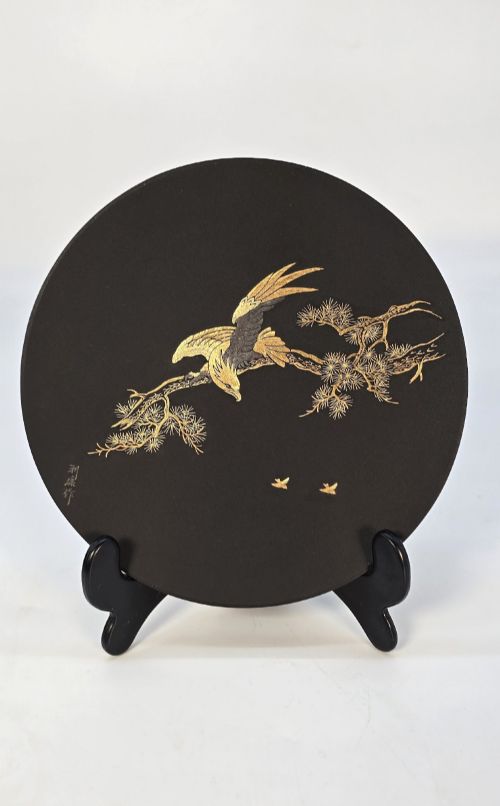
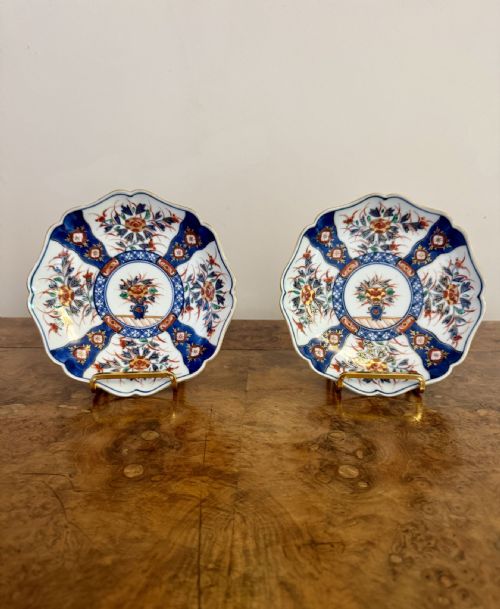
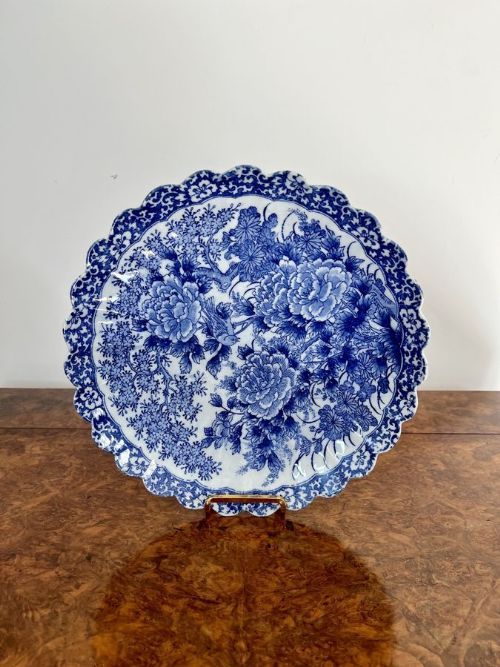
Forms range from standard round dishes to hexagonal, scalloped, oval, and fan-shaped variations. Alongside ceramics, the selection includes patinated iron, brass, and lacquer plaques reflecting the enduring influence of Japanese aesthetics on Western design.
How they were made
Potters and artisans utilised porcelain, earthenware, and iron as a base, applying cobalt underglaze, enamel colours, and gold leaf to achieve rich surface decoration. English factories such as Minton and Staffordshire potteries adopted these Japanese methods alongside traditional European body pastes.
Metal items received patination, engraving, and intricate gold and silver inlay work, particularly in mixed-metal dishes and plaques. Hand-painted details defined both imported wares and domestic pieces produced during the Aesthetic Movement.
Lacquer work and wood framing completed the construction of specialised display pieces. Kiln techniques allowed for vibrant cobalt blue and iron-red palettes that characterised Imari and Kakiemon style productions.
Forms include chargers, cabinet plates, scalloped edges, and framed prints in Japanese Imari and Aesthetic styles.
What varies in quality
Quality rests upon the precision of the hand-painted brushwork and the vibrancy of the enamel and gilt application. Pieces displaying crisp cobalt underglaze and careful gilding distinguish themselves from simpler commercial output.
The sophistication of the form also dictates the tier of the piece, with unusual shapes such as hexagonal, fan, or scalloped edges requiring greater skill from the potter. Maker attributions, such as established English ceramic factories or specialised Japanese metalworkers, elevate the standing of an item.
Minton·Warwick Goble·Komai
The Antique Japanese Style Plate Glossary
- Imari palette
- A traditional decorative scheme utilising rich cobalt blue, iron red, and supplementary gold. This distinctive colour combination originated in Japan and was widely copied by European potteries.
- Kakiemon style
- An asymmetrical porcelain design style featuring refined pictorial motifs such as birds and flora. It relies on a restrained palette upon a milky white porcelain body.
- Aesthetic Period
- A late nineteenth-century cultural movement in Britain emphasising art for art's sake. It generated a strong demand for Japanese-inspired decorative arts in domestic interiors.
- Cobalt underglaze
- A blue pigment applied to ceramic pieces before glazing and firing. It yields a deep, permanent colour beneath a clear protective finish.
- Cabinet plate
- A decorative ceramic dish intended for display in a cabinet or on a wall rather than for practical dining use. These items prioritized visual impact over utility.
Antique Japanese Style Plate: Frequently Asked Questions
What is an Imari plate?
An Imari plate is a ceramic piece decorated in the traditional Japanese style using deep cobalt blue, iron red, and gilt highlights. These dishes were produced both in Japan for export and copied by European factories.
Collectors prize them for their vibrant colours and intricate patterns which suit decorative display.
How do I date these plates?
Dating relies on maker marks, ceramic bodies, and stylistic indicators such as Aesthetic Movement influences or specific period production dates. English factories often stamped date ciphers directly into the ceramic base.
Examining the glaze and wear patterns also helps determine whether a piece originates from the nineteenth or early twentieth century.
Were these plates used for dining?
Many larger examples serve as decorative chargers or cabinet plates intended strictly for visual display on walls or furniture. Smaller dishes and specific sets functioned as tableware for specialised meals.
Their survival in pristine condition often indicates they spent their history in cabinets rather than on active dining tables.
What is the Aesthetic Movement?
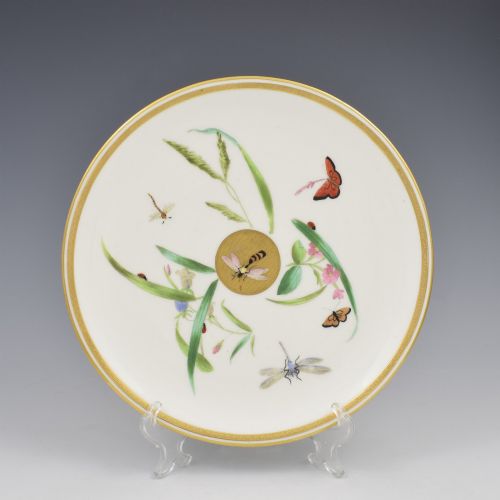
The Aesthetic Movement was a late Victorian design trend that rejected heavy Victorian ornamentation in favour of simplicity and Japanese-inspired motifs. British potteries produced dessert plates and chargers reflecting this exact philosophy.
Items from this era combine European ceramic techniques with Eastern pictorial composition.