






Antique Japanese Iron Dish
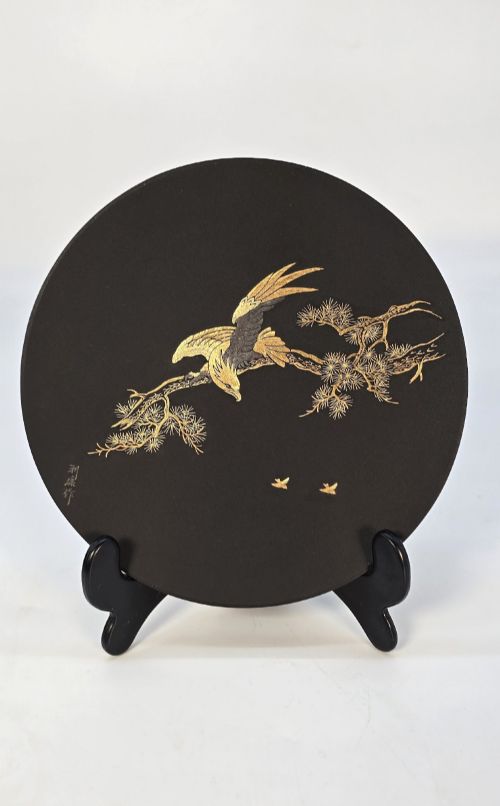
An antique japanese iron dish combines robust metalwork with intricate metallic detailing, offering a striking display piece for a collection.
Antique Japanese Iron Dish
When you search for an antique japanese iron dish, you encounter heavy metal objects formed into plaques and display pieces. The listings show works originating from the Meiji period and the early twentieth century.
Most examples appearing in this selection take the form of flat wall plaques rather than deep vessels. They represent the specialised metalworking crafts exported during late nineteenth and early twentieth century periods.
How they were made
Makers formed these items using cast or wrought iron as a heavy base material. The metal surfaces received dark patination treatments to provide a stable background.
Artisans applied metallic decoration through precise inlay techniques. Gold and silver threads were hammered into recessed channels cut directly into the iron surface.
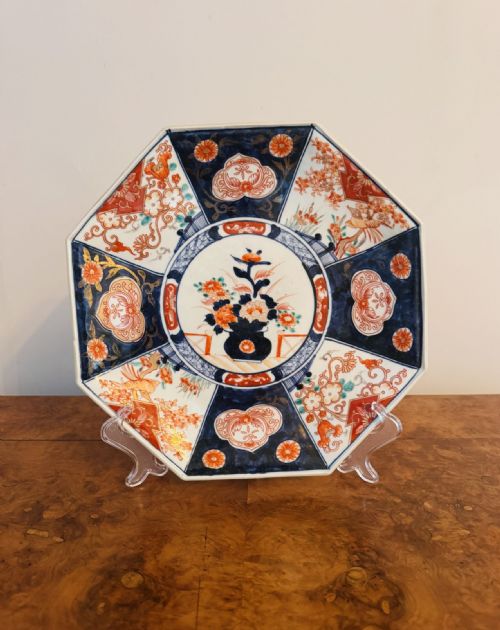
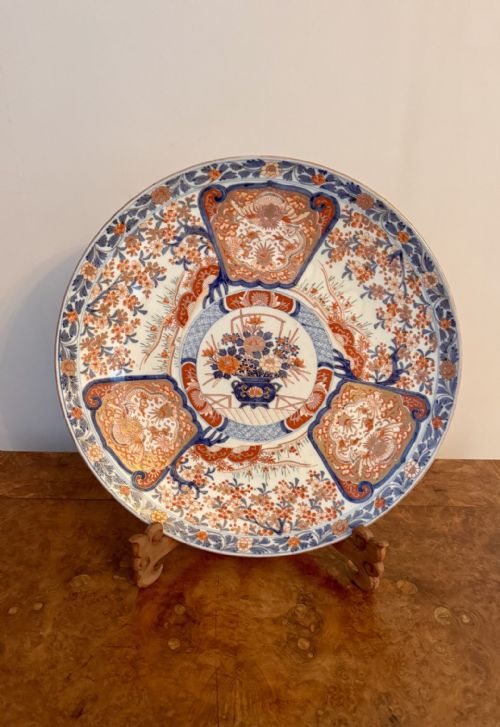
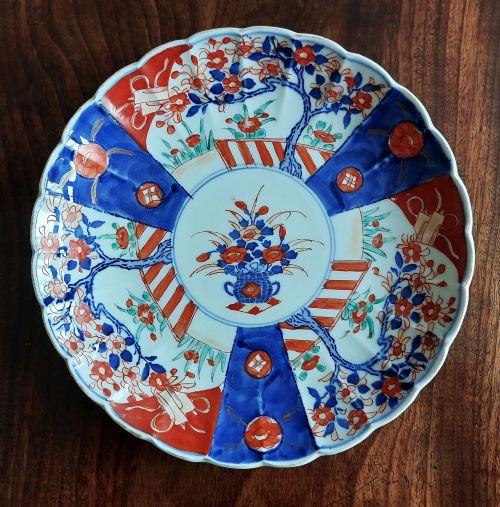
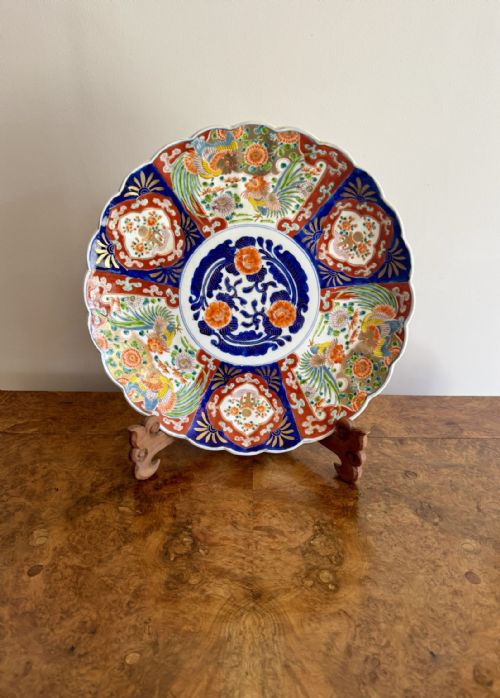
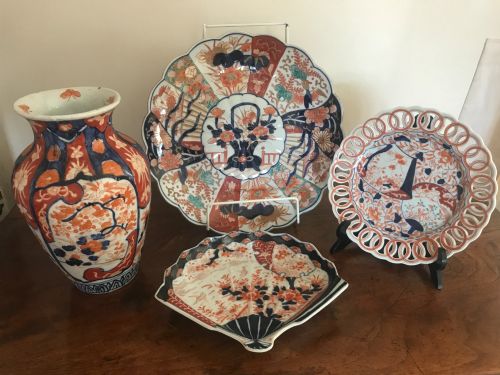
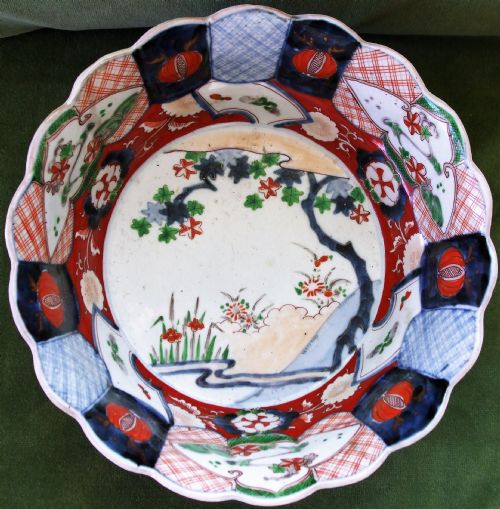
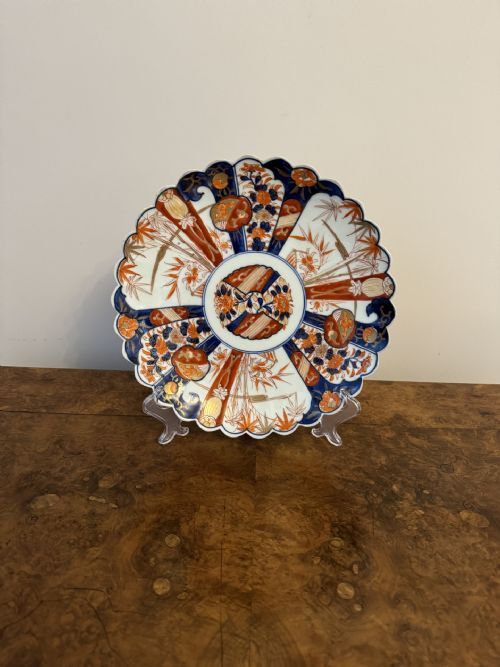
Listings combine patinated iron plaques with nineteenth century Japanese Imari porcelain plates and Kutani ware bowls.
What varies in quality
The fineness of the metal inlay dictates the standard of execution. Superior pieces display crisp, secure precious metal lines that remain flush with the dark iron ground.
The complexity of the pictorial design also separates standard items from finer works. Controlled patination and balanced composition distinguish the more ambitious metal panels.
The Antique Japanese Iron Dish Glossary
- Patination
- The artificial darkening or chemical treatment applied to the iron surface. This process creates a stable dark background that highlights the applied metalwork.
- Inlay
- A decorative technique where contrasting metals are embedded into the base material. Gold and silver wires sit within carved channels on the iron face.
- Plaque
- A flat or low-relief decorative panel intended for display on a wall or stand. These iron items function primarily as pictorial works of art.
- Meiji Period
- The historical Japanese era spanning from eighteen sixty-eight to nineteen twelve. Many of the decorative metal objects originate from this time of increased export.
Antique Japanese Iron Dish: Frequently Asked Questions
How were iron dishes displayed?
These iron plaques were created primarily for decorative display on walls or within specialised cabinets rather than for practical table use.
Their robust metal construction allowed them to hang securely without the fragility associated with contemporary ceramic wares.
How do I care for iron dishes?
Maintenance requires keeping the patinated iron surface dry and free from moisture to prevent rust formation.
Gentle dusting with a soft, dry cloth preserves the inlaid gold and silver without damaging the dark metal ground.
What motifs appear on iron dishes?
Decoration frequently includes traditional Japanese motifs such as birds, floral arrangements, and scenic landscapes rendered in contrasting metals.
The inlay work relies on precise manual skill to achieve detailed pictorial representations across the dark iron surface.
How do I date these iron pieces?
Dating relies on stylistic markers associated with late nineteenth and early twentieth century manufacturing periods.
The combination of dark patination and mixed metal inlay points directly toward the output of the Meiji and Taisho eras.