




Antique Japanese Decor
These pieces of antique japanese decor bring hand-painted porcelain, bronze, and lacquer directly from late nineteenth-century workshops into modern rooms.
Antique Japanese Decor
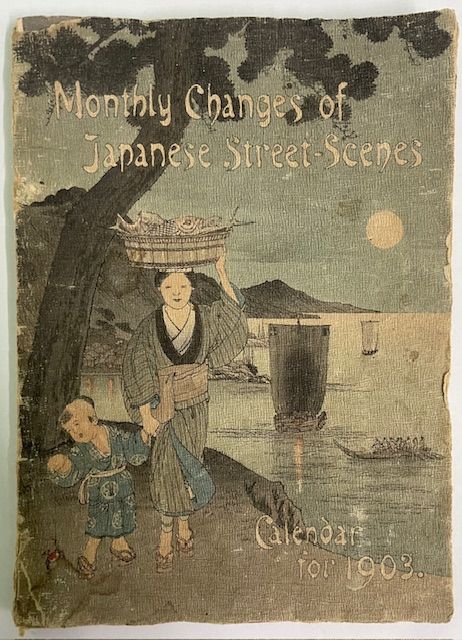
Antique japanese decor covers a wide range of objects, from porcelain vases and Imari plates to bronze vessels, lacquered sake cups, and woodblock prints. The selection most commonly met here spans the late nineteenth century through to the early twentieth century, capturing the Meiji period alongside Victorian and Edwardian interpretations.
Vessels and wall pieces dominate the listings, including decorative bowls, chargers, jardiniere dishes, and ceremonial presentation boxes. Buyers encounter both domestic items like sake cups and vanity cases alongside larger display pieces designed specifically for export during the Meiji era.
The aesthetic bridges traditional Japanese craftsmanship with Western collecting tastes of the period. Many items merge native ceramic and metalworking traditions with the decorative preferences of Victorian and Edwardian interiors.
Materials and methods of production
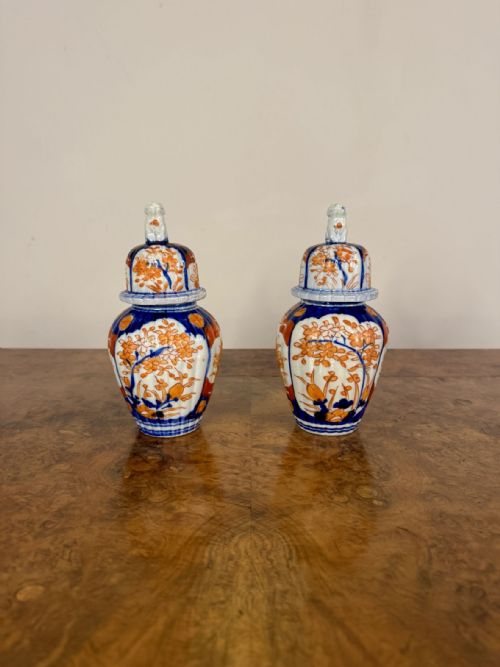
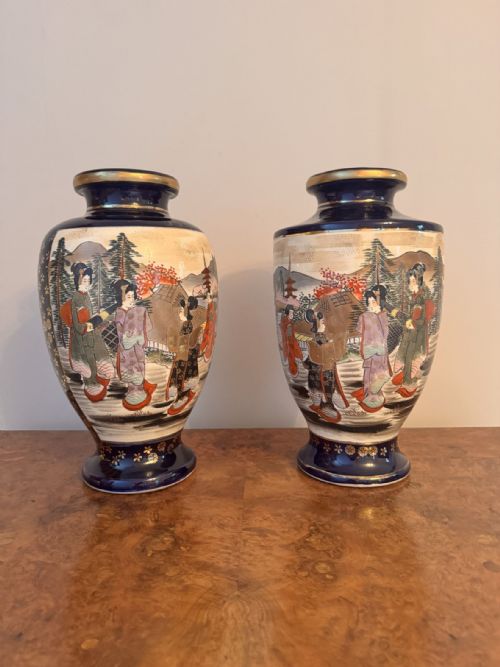
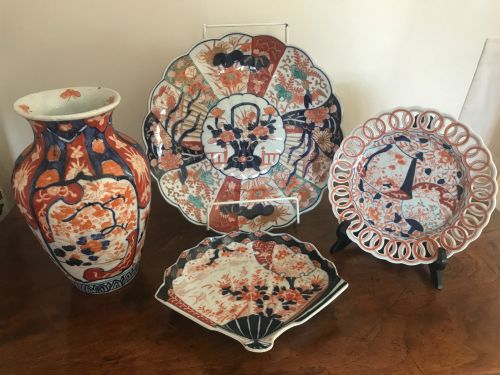
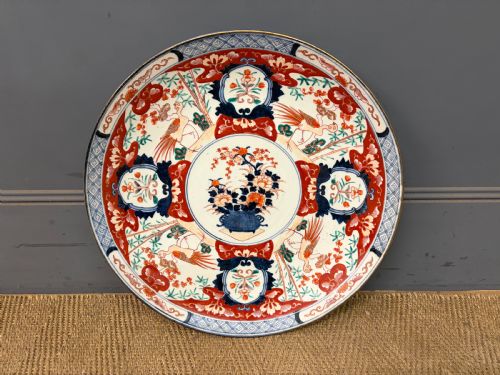
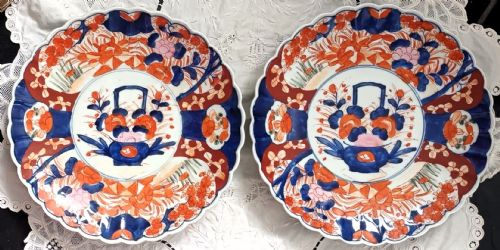
Ceramic pieces rely on porcelain, earthenware, and glaze, often decorated in the distinctive Imari palette using underglaze blue and iron red, frequently heightened with gold leaf. Satsuma wares employ finely crackled glazes decorated with polychrome enamels and raised moriage details.
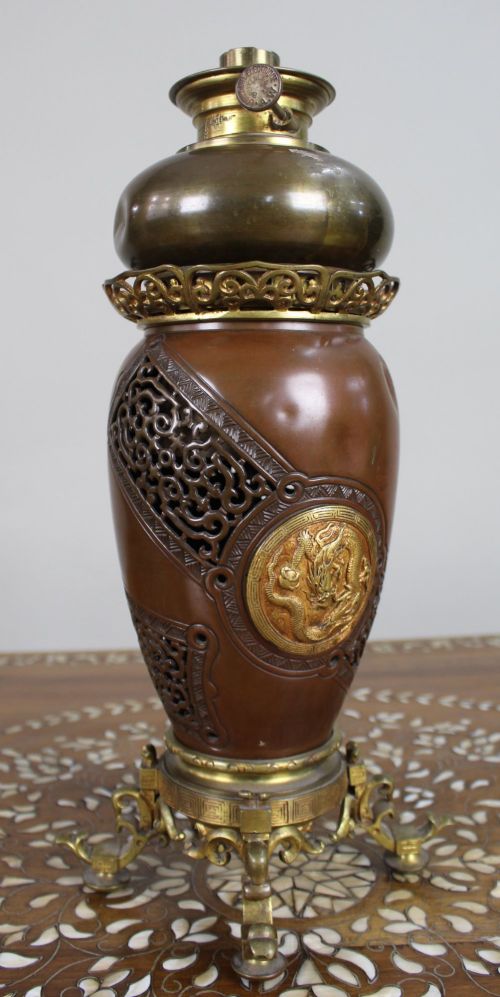
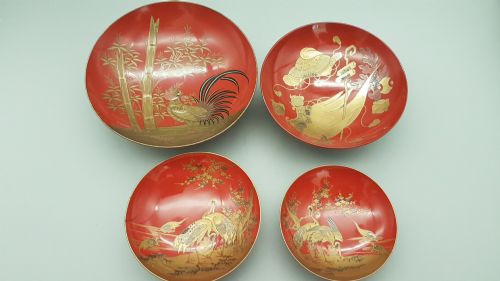
Metalwork utilises bronze, brass, and copper, shaped into vases, censers, and jardiniere dishes through casting and mixed metal techniques. Lacquer items build complex surfaces over wood bases, sometimes incorporating mother-of-pearl or painted details.
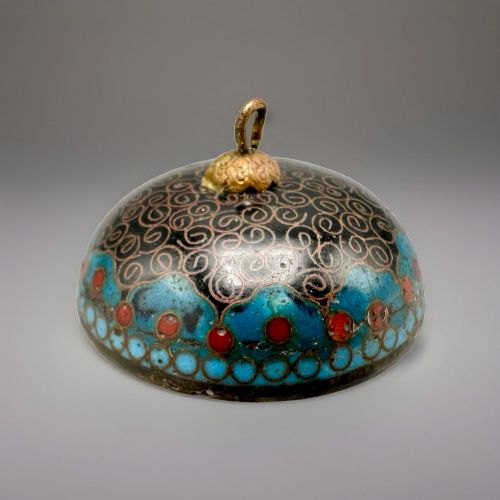
Woodblock prints utilise traditional carved woodblocks and silk brocade mounts, whilst cloisonné enamel pieces fuse vitreous enamel within wire compartments on metal bases.
Antique Japanese Decor Retail Price Guide 2026
Typical asking prices for japanese decor among the pieces listed under this phrase on Sellingantiques today, from the lower quarter to the upper quarter. They describe what is for sale here now, not the wider market.
Listings feature items from the Meiji period alongside Victorian and Edwardian interpretations, using materials such as porcelain, bronze, lacquer, and enamel.
Distinctions in quality and execution
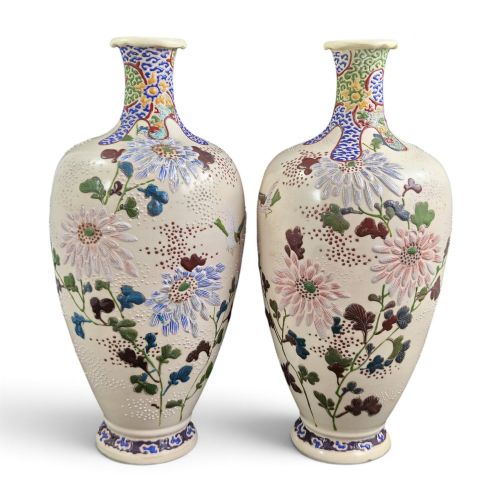
Quality rests upon the precision of the hand-painted detail and the crispness of the forming, whether in the fine brushwork of a Kutani vase or the intricate wirework of cloisonne plaques. Superior examples display depth of colour, careful control of glazes, and harmonious composition across plates, bowls, and chargers.
The standard of the base material dictates longevity and presence, distinguishing heavier cast bronzes and substantial porcelain bodies from lighter, purely decorative tourist wares. Finer lacquer work and crisp woodblock impressions maintain sharp definition without blurring or uneven surfaces.
Hakusan·Hododa
The Antique Japanese Decor Glossary
- Imari
- A style of Japanese porcelain featuring underglaze blue and iron red, often accented with gold leaf. It originated in the town of Arita and was widely exported during the Meiji period.
- Meiji Period
- The era in Japanese history lasting from 1868 to 1912, corresponding closely with the late Victorian and Edwardian periods in Britain. Much of the decorative export ware available today dates from this dynamic timeframe.
- Satsuma
- A type of earthenware pottery with a pale, ivory-coloured crackle glaze, typically decorated with elaborate polychrome enamels and raised gilding. It became immensely popular in the West during the late nineteenth century.
- Cloisonne
- A technique where enamel is applied to compartments created by soldering flat metal wires onto a metal base. The piece is then fired and polished to a smooth finish.
- Ukiyo-e
- A genre of Japanese art encompassing woodblock prints and paintings depicting scenes of everyday life, landscapes, and theatre. These prints are frequently mounted with silk brocade.
Antique Japanese Decor: Frequently Asked Questions
How do I care for antique lacquerware?
Keep lacquer items out of direct sunlight and away from extreme temperature fluctuations to prevent the wood base from warping and the surface from cracking. Dust gently with a dry, soft cloth and avoid chemical polishes or excessive moisture.
Display these pieces in stable indoor environments where humidity remains relatively constant. Handling them with clean, dry hands protects the delicate painted and lacquered surfaces over time.
What is the difference between Imari and Satsuma?
Imari pieces are made of hard-paste porcelain and feature a distinctive palette of cobalt blue, iron red, and gold leaf. They are typically durable and vitreous, designed for both decorative and practical use.
Satsuma items are earthenware with a characteristic ivory crackle glaze, decorated with detailed enamel paintings and raised gold. They are more porous than porcelain and were created primarily for decorative display.
How do I identify Meiji period pieces?
Meiji period items date between 1868 and 1912, an era defined by increased trade with the West. Look for fine hand-painted details, signature marks on ceramics or bronzes, and craftsmanship that blends traditional Japanese motifs with Western display preferences.
Many of these objects were made specifically for export to British and European markets during the late Victorian and Edwardian eras. Their materials often include bronze, porcelain, lacquer, and cloisonne enamel.
Where should I display Japanese bronze vases?
Bronze vessels require a stable surface that can support their weight, whether placed on a wooden table, sideboard, or dedicated display stand. Position them away from damp areas to preserve the integrity of the metal and any patination.
Allow enough space around each piece to appreciate its form, mixed metal details, or weathered surface texture without visual clutter from surrounding objects.