




Antique Jade Sculpture
These antique jade sculpture pieces carry centuries of carver skill, offering tactile beauty that transforms a desk or cabinet.
Antique Jade Sculpture
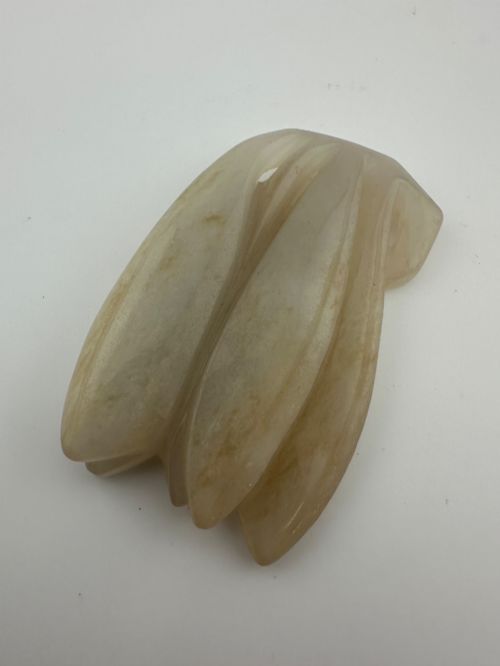
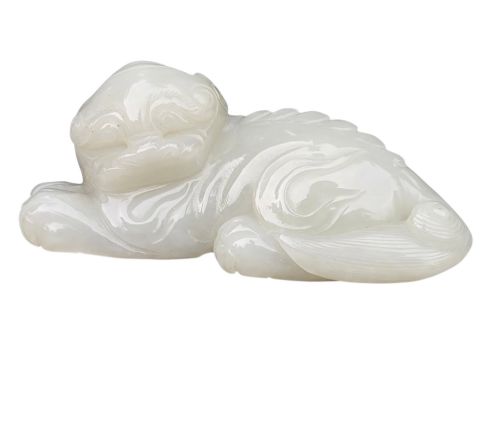
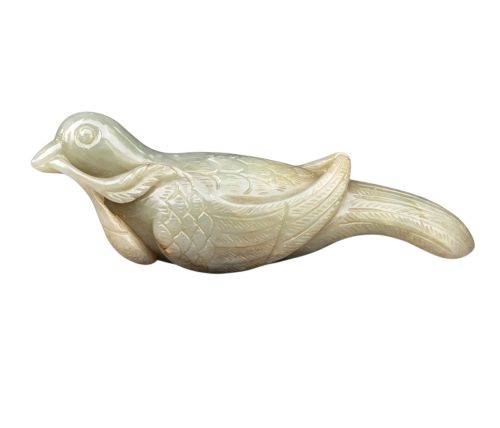
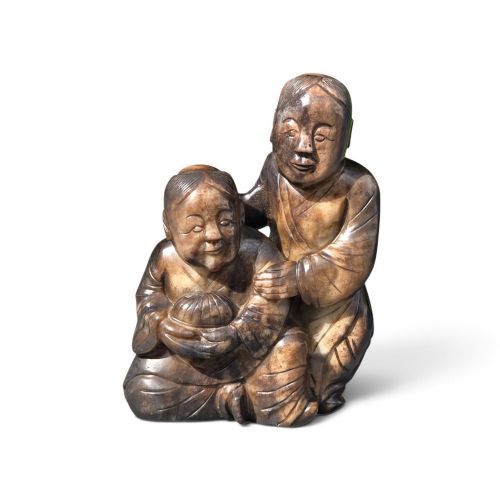
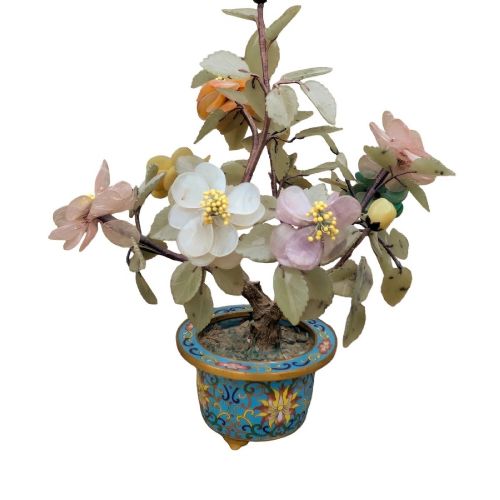
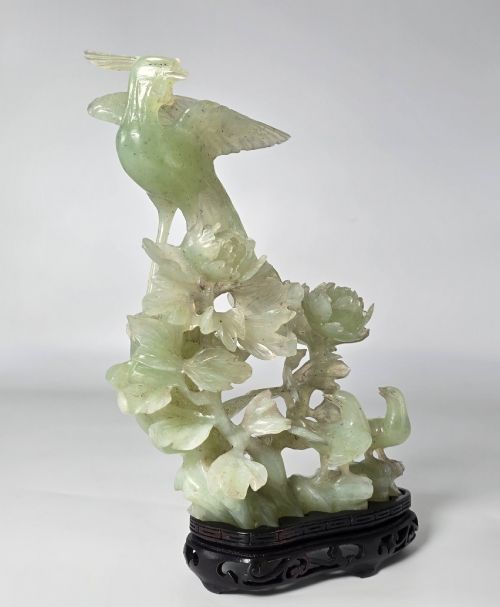
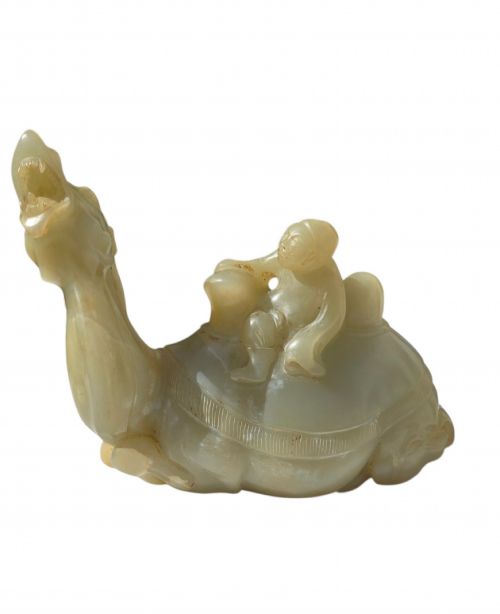
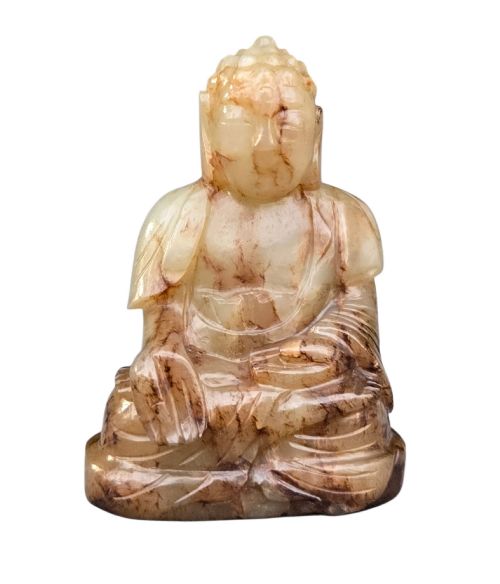
When you search for an antique jade sculpture, you encounter carved vessels, figures, and animal studies originating largely from the Qing dynasty and the nineteenth century. The most common forms on this page include celadon and white jade animal carvings, scholarly water birds, and figural groups mounted on dedicated hardwood stands.
Pieces span various eras, from pre-sixteenth century figures to late nineteenth and early twentieth century creations, reflecting enduring traditions in Chinese lapidary work. Collectors find both miniature fish sculptures and monumental landscape carvings among the available decorative objects.
Makers utilised distinct regional stones, producing works that range from pale celadon cicadas to vibrant jadeite lotus figures. Each sculpture bridges ceremonial function and decorative display, maintaining the polished lustre characteristic of historic hardstone carving.
Judging lapidary excellence
Superior examples demonstrate complete command over the stubborn mineral, displaying deep undercut relief and crisp anatomical lines rather than sluggish, rounded contours. The polish across recessed areas matches the exterior surfaces without masking natural stone grain or structure.
Proportion and spatial harmony dictate the success of complex compositions, such as multi-figure groups or mountain landscape sculptures. The best pieces integrate the natural colour variations of the jade directly into the narrative design of the carving.
Listings feature hardstone objects spanning the eighteenth century to nineteen thirty, predominantly utilising nephrite and jadeite.
The Antique Jade Sculpture Glossary
- Celadon jade
- A pale green to grey-green mineral tone prized for its subtlety. It forms the foundation of many scholarly desk objects.
- Nephrite
- One of the two distinct mineral species classed as jade, known for its dense fibrous microstructure and high toughness. Historical Chinese carvings rely heavily on this durable material.
- Jadeite
- A pyroxene mineral brighter and more vitreous than nephrite, often showing vivid emerald greens or lavender hues. It appears frequently in later Qing and Republican period figures.
- Hardstone
- A general term encompassing non-transparent decorative minerals like serpentine, agate, and jade family stones. Carvers used these materials interchangeably for ceremonial vessels and animal groups.
- Qing dynasty
- The final imperial dynasty of China spanning from sixteen forty-four to nineteen twelve, which produced the vast majority of these sculptures. Its workshops defined traditional Chinese lapidary aesthetics.
Antique Jade Sculpture: Frequently Asked Questions
How do I clean old jade?
Dust gently with a soft, dry brush to prevent particulate accumulation in recessed carved areas. Avoid liquid immersion or chemical cleaners that might damage aged organic polishing agents or fitted wooden stands.
Store pieces away from direct sunlight and extreme temperature shifts to protect the mineral structure. Regular handling helps maintain a natural sheen through skin oils, provided hands are clean.
What is nephrite jade?
Nephrite is a calcium-magnesium silicate with a tightly interlocking micro-fibrous structure that makes it extremely resistant to breaking. Historic Chinese carvers relied on this specific mineral for intricate functional items like brush washers and belt hooks.
Its natural palette ranges from white and pale celadon to deep spinach green and russet tones. This material forms the core of early imperial lapidary output found in major collections.
How were jade mountains carved?
Lapidaries selected large boulders with varied skin colours, cutting away excess stone to reveal layered landscape scenes of figures, trees, and pavilions. The process took months or years of grinding with abrasive pastes suspended in water.
Carvers worked three-dimensionally around natural fissures, incorporating flaws into rock faces or cascading streams. Each mountain rested on a custom-carved hardwood base designed to elevate the irregular mineral form.
Are all these pieces Chinese?
The vast majority of historic hardstone carvings originate from Chinese imperial and regional workshops across multiple dynasties. Their motifs, from mythical beasts to lotus cups, follow established cultural iconography.
Occasional pieces from other traditions, such as pre-Columbian talisman pendants, appear alongside Asian decorative objects. Examining the mineral type and tool marks helps clarify geographic origin.