

Antique Jade Carving
An antique jade carving brings tactile depth and centuries of lapidary tradition to a room, offering the collector everything from small auspicious pendants to monumental landscape sculptures.
Antique Jade Carving
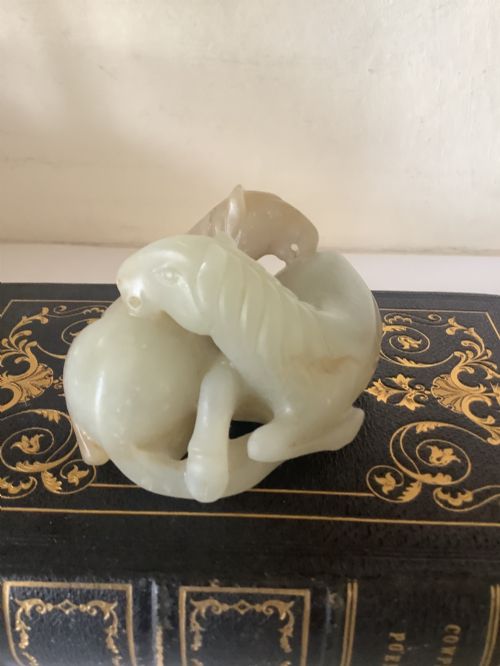
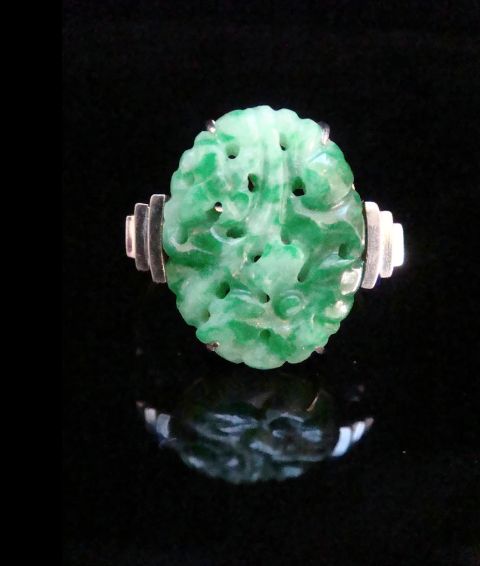
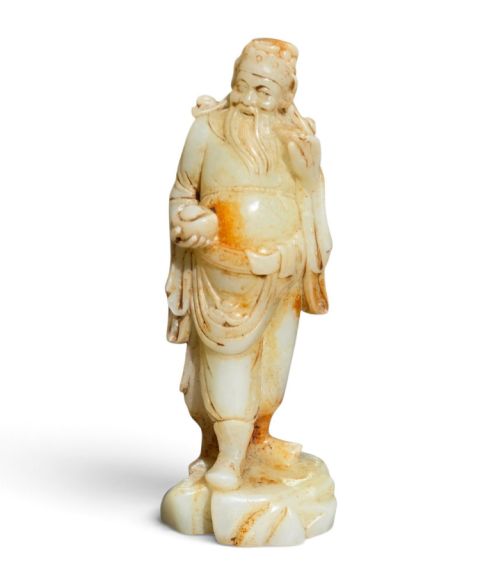
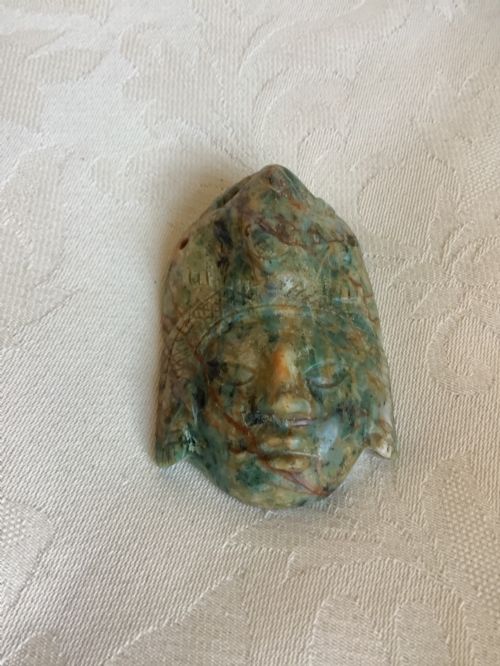
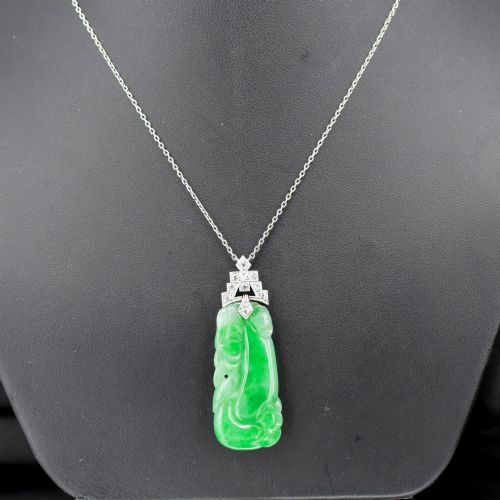
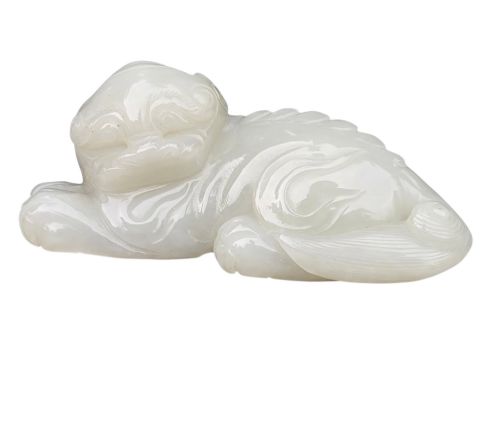
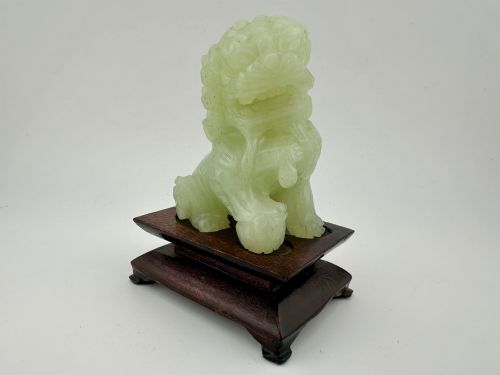
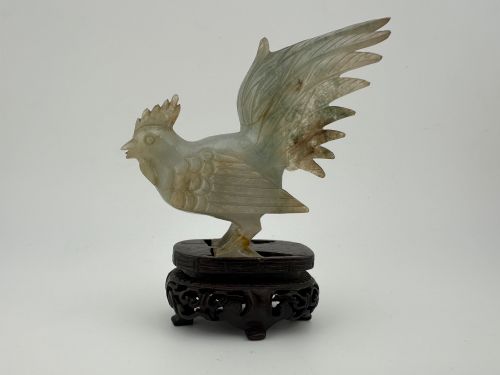
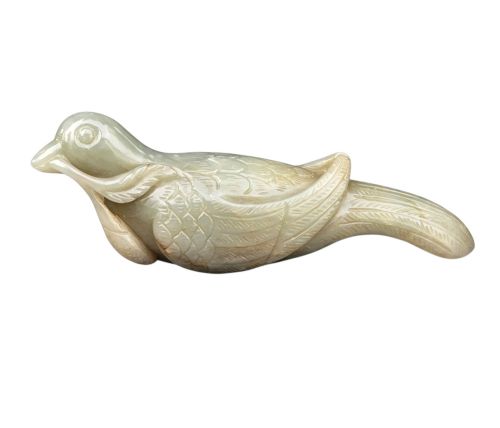
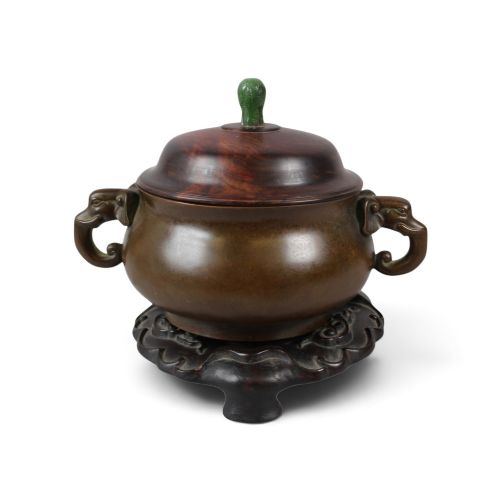
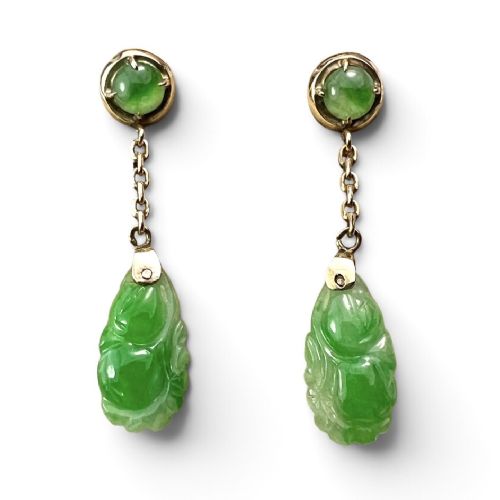
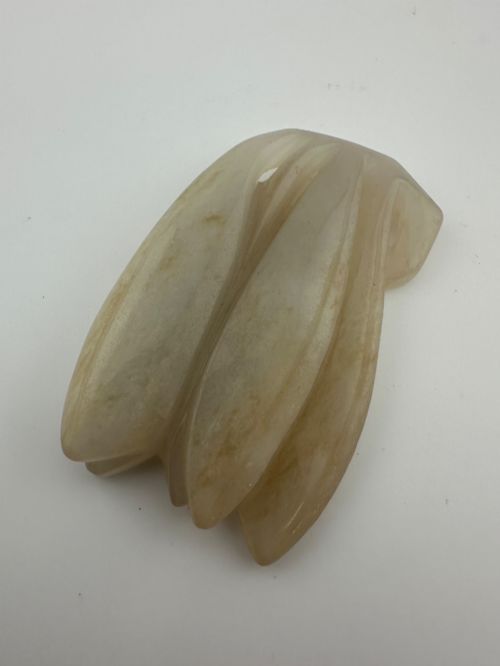
When you examine an antique jade carving, you encounter a range of forms spanning scholarly desk objects, ritual vessels, jewellery, and animal figures. The selection includes pale celadon pendants, tripod censers, snuff bottles, and larger sculptures mounted on custom hardwood stands.
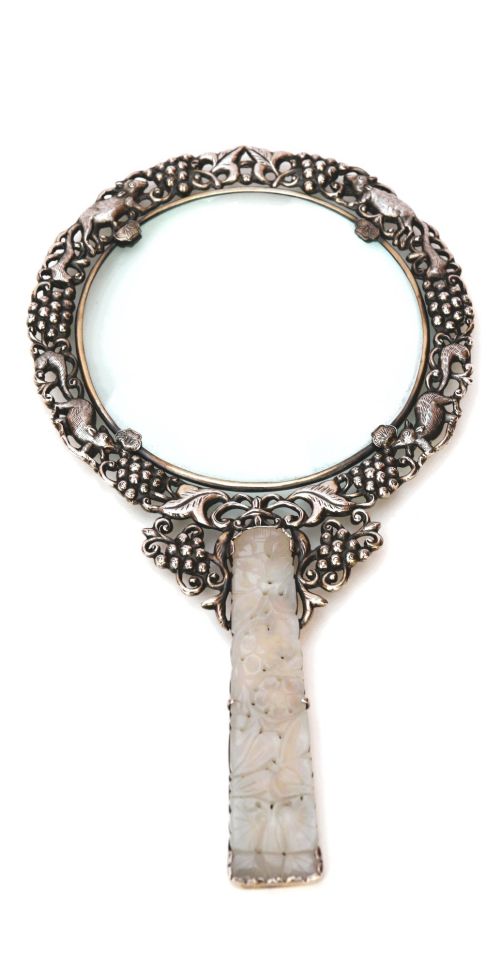
The objects on this page bridge traditional Chinese workmanship from the Qing Dynasty and Republic Period alongside Western Art Deco jewellery designs. You will find small personal talismans such as cicadas and pixiu alongside utilitarian items like magnifying glasses and brush washers.
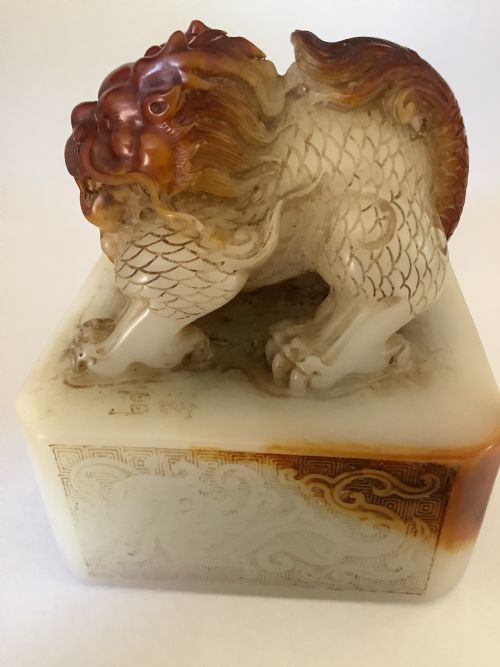
Many examples incorporate specific motifs from Chinese iconography, including dragons, foo dogs, phoenixes, and lotus forms. These pieces reflect both secular decorative arts and deeper symbolic traditions tied to longevity, wisdom, and status.
How they were made
Lapidaries worked nephrite and jadeite using abrasive sands and rotary tools, shaping the stubborn stone through patient friction rather than direct cutting. This demanding process explains the smooth contours found on bangles, cups, and animal sculptures.
Makers frequently combined jade with supporting materials such as carved hardwood stands, sterling silver, gold settings, and platinum. Artisans also integrated precious metals and enamel work to mount pendants, rings, and earrings.
Antique Jade Carving Retail Price Guide 2026
Typical asking prices for jade carving among the pieces listed under this phrase on Sellingantiques today, from the lower quarter to the upper quarter. They describe what is for sale here now, not the wider market.
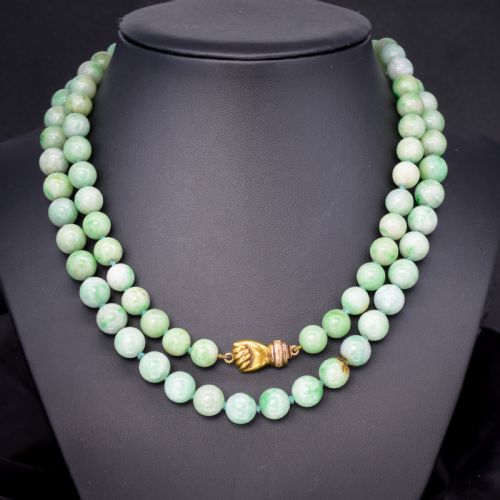
Materials appearing across these entries include white jade, jadeite, nephrite, bowenite serpentine, silver, gold, platinum, and hardwood.
What varies in quality
The standard of a piece rests heavily on the natural characteristics of the mineral itself, including translucency, colour distribution, and the absence of distracting flaws in the stone. Superior examples display a lively interaction between the primary tone and russet or yellow skin inclusions.
Execution of detail separates routine production from masterwork carving, particularly in the crispness of undercut motifs and the symmetry of archaic forms. The harmony between the natural shape of the boulder and the final subject demonstrates the lapidary's skill.
The Antique Jade Carving Glossary
- Nephrite
- A dense, tough amphibole mineral utilised for the majority of ancient and imperial Chinese carvings. It ranges in colour from white and pale celadon to deep spinach green.
- Jadeite
- A pyroxene mineral that yields brighter translucent greens, lavenders, and whites, frequently seen in jewellery and later items. It differs chemically from nephrite.
- Archaistic
- A style that deliberately mimics the decorative motifs and vessel shapes of ancient bronze or jade artefacts from earlier dynasties. This approach was particularly favoured during the Qing period.
- Celadon
- A pale green or grey-green glaze or stone colour reminiscent of jade, highly valued for its subtle and calming visual tone. It provides a neutral backdrop for detailed relief work.
- Hardwood
- Dense timber species such as zitan or huanghuali used to construct custom display stands for sculptures and vessels. These stands are often carved to match the exact contours of the stone.
Antique Jade Carving: Frequently Asked Questions
How do I care for antique jade?
Keep the stone away from harsh chemicals, sudden temperature extremes, and abrasive surfaces that might scratch the polish. Gentle wiping with a soft, dry cloth is usually sufficient for maintenance.
For pieces set in gold or silver, avoid soaking the mountings in liquid cleaners that could penetrate any organic adhesives or natural fissures in the mineral.
What is the difference between nephrite and jadeite?
Nephrite and jadeite are two distinct mineral species that share the common designation of jade. Nephrite is tougher and possesses an oily lustre, while jadeite often shows greater translucency and brighter colours.
Imperial and earlier Chinese carvings are predominantly nephrite, whereas brighter green jewellery items frequently utilise jadeite.
How can I tell the period of a carving?
Dating relies on stylistic clues, the nature of the tool marks, and the specific iconography associated with dynasties like the Qing or periods like the Republic. Examining the accompanying hardwood stand can also offer clues regarding the age of the presentation.
Consulting the treatment of archaic motifs helps distinguish genuine historical interpretations from later revival pieces.
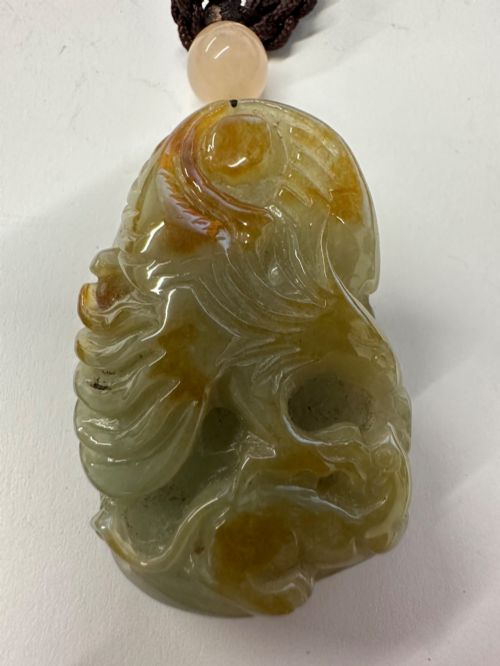
Why do some carvings feature russet patches?
The russet or yellowish skin is the oxidized outer layer of the original river boulder or pebble from which the object was carved. Lapidaries often incorporated these contrasting natural colours into the design to highlight a bird's plumage or a fruit's stem.