




Antique Italian Pier Mirror
An antique Italian pier mirror brings a grand vertical presence to a room, catching the light between windows.
Antique Italian Pier Mirror
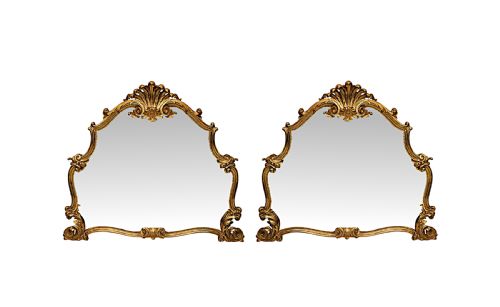
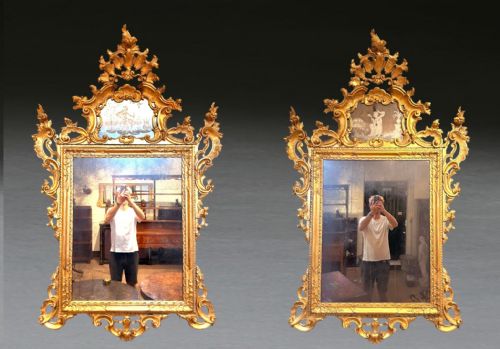
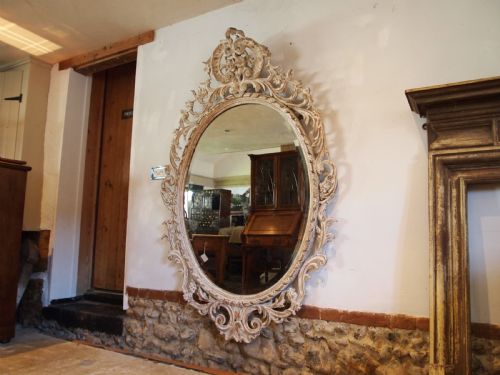
An antique Italian pier mirror is a tall looking glass designed to hang in the wall space between windows, often accompanied by matching console tables. These pieces originate primarily from the eighteenth and nineteenth centuries, reflecting elaborate historical aesthetics across various Italian regions. You will most frequently encounter nineteenth-century examples on this page, alongside earlier eighteenth-century survivors.
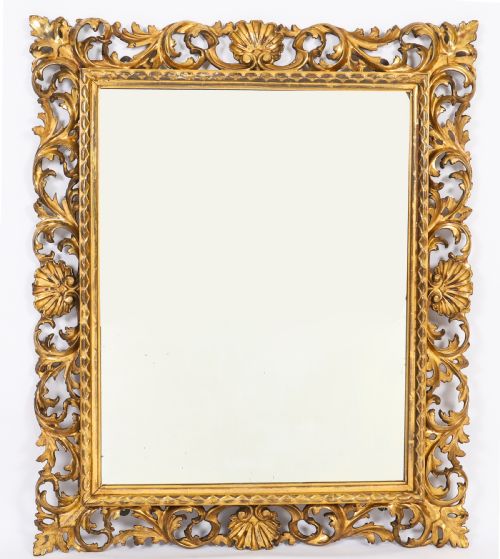
The forms span simple wall mirrors and monumental overmantels to intricate dressing glasses and girandole pier mirrors. Many showcase regional stylistic shifts, moving from Florentine Baroque and Venetian Rococo to Empire and Neoclassical designs. They serve both decorative and functional purposes, historically intended to brighten dimly lit reception rooms by reflecting natural light.
Makers and artisans constructed these tall glasses to command attention in high-ceilinged interiors, frequently pairing them with marble-topped console tables. The surviving selection includes pairs and single grand plates, demonstrating the lasting appeal of Italian giltwood craftsmanship. Each object preserves the scale and decorative ambition of its original domestic setting.
How they were made
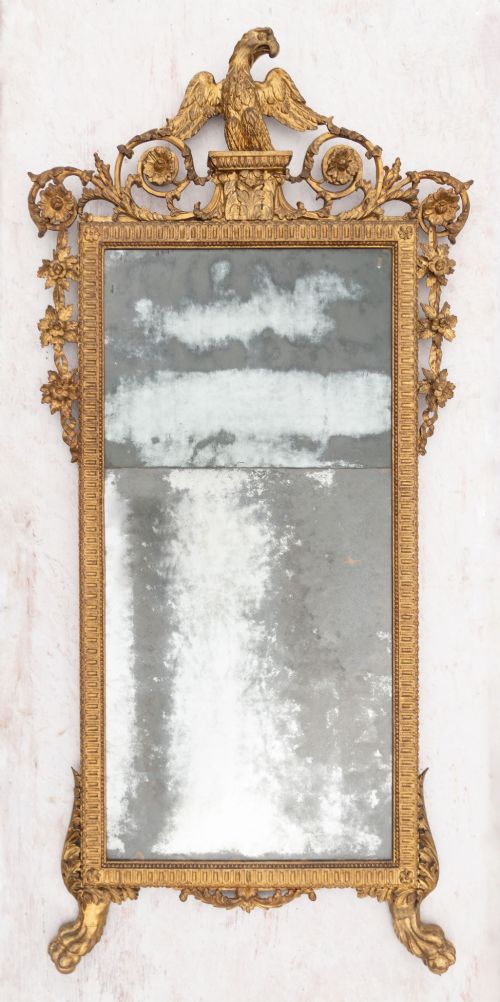
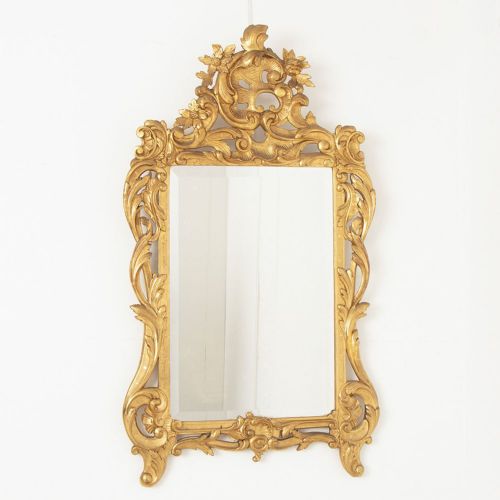
Makers shaped these mirrors using carved wood and gesso, applying gold leaf or silver-leaf finishes to create reflective surfaces that caught candlelight and daylight alike. The underlying wooden structures often support intricate hand-carved ornamentation, ranging from scrolling foliage to dolphin motifs and crested pediments.
Mirror glass plates are set within these heavy frames, sometimes retaining original antique glass panels that display authentic foxing and age spots. Selected pieces incorporate hand-painted elements alongside giltwood, while others combine walnut and marble components in associated console tables.
Some nineteenth-century tables feature carved dolphins swimming eternally beneath heavy marble tops.
What varies in quality
Quality rests on the depth and crispness of the wood carving, where fluid Rococo scrolls and sharp Florentine details separate masterwork execution from simpler production. The application of gold or silver leaf dictates the brilliance of the surface, with genuine leaf ageing gracefully compared to heavier painted alternatives.
The survival of original mirror plates and integrated structural elements significantly elevates an example, as replacement glass alters the historic character. Proportion also plays a vital role, where tall, well-balanced frames maintain structural integrity without excessive warping in the carved wooden carcass.
The Antique Italian Pier Mirror Glossary
- Pier mirror
- A tall looking glass specifically designed to hang on the pier wall between two windows. These mirrors often feature matching console tables placed directly beneath them.
- Giltwood
- Timber that has been coated with a thin layer of gold leaf or gold paint. This technique protects the wood while providing a brilliant, reflective metallic finish.
- Gesso
- A plaster-like mixture applied to wood surfaces as a base for gilding and fine carving. It allows artisans to model intricate relief ornamentation before applying leaf.
- Girandole
- A decorative wall mirror featuring attached candle sconces. The candle arms reflect additional light back into the room from the main glass plate.
- Overmantel
- A large mirror designed to hang directly above a fireplace mantelpiece. They share similar decorative vocabularies with tall pier glasses of the same period.
Antique Italian Pier Mirror: Frequently Asked Questions
Where should I hang a pier mirror?
These tall glasses work best on narrow wall spaces between windows or above matching console tables where they can reflect natural light.
Ensure the wall structure can support the weight of heavy giltwood and carved wooden frames safely.
Are these mirrors genuinely old?
The selection spans eighteenth and nineteenth-century periods, showcasing traditional hand-carved techniques and period materials like gesso and gold leaf.
Examine the backboards and the ageing of the glass plate to understand the historic origins of each piece.
What is a girandole mirror?
A girandole is a specialised wall mirror that includes built-in candle holders attached to the frame.
These arms allowed the glass to multiply the flickering light of candles in eighteenth-century drawing rooms.
How do I clean an antique mirror?
Dust the carved giltwood frame gently with a soft, dry brush to avoid disturbing fragile gesso and leaf finishes.
Use minimal moisture on old mirror glass to protect original silvering and historical foxing from further degradation.