


Antique Italian Canvas Painting
An antique italian canvas painting brings centuries of European artistry and atmosphere directly into your home.
Antique Italian Canvas Painting
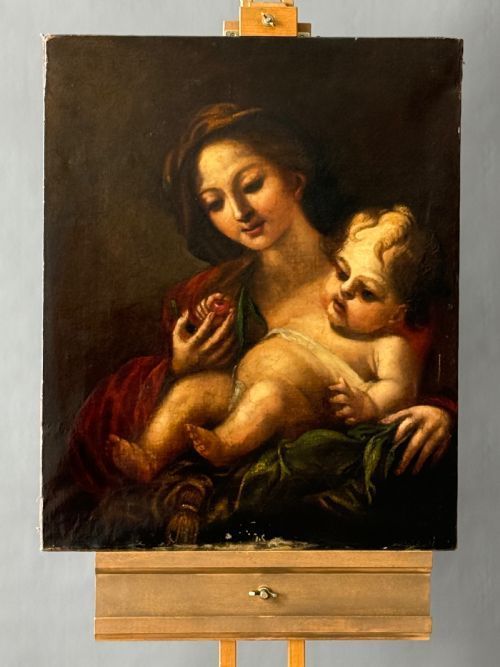
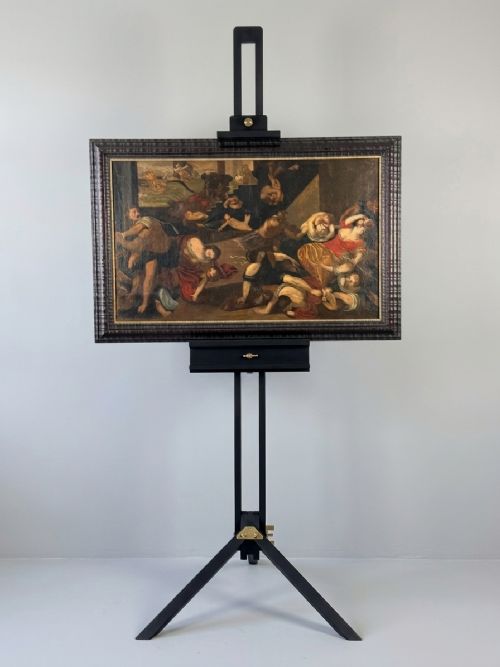
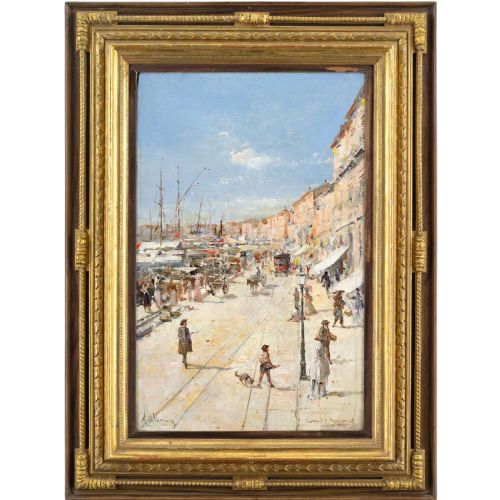
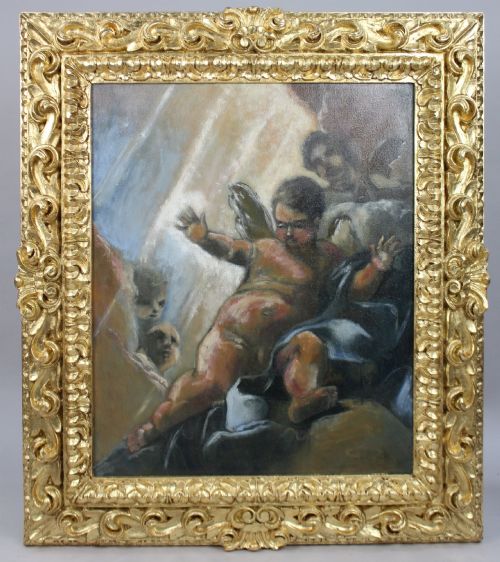
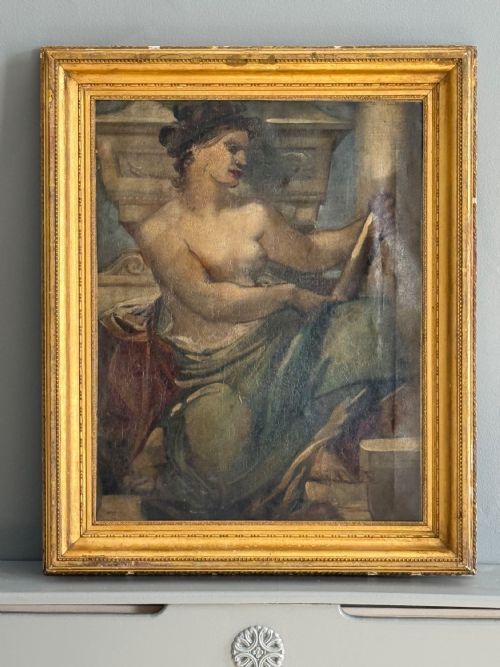
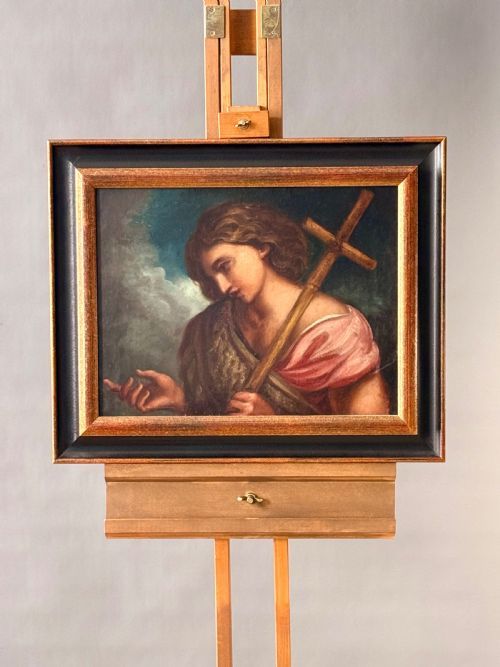
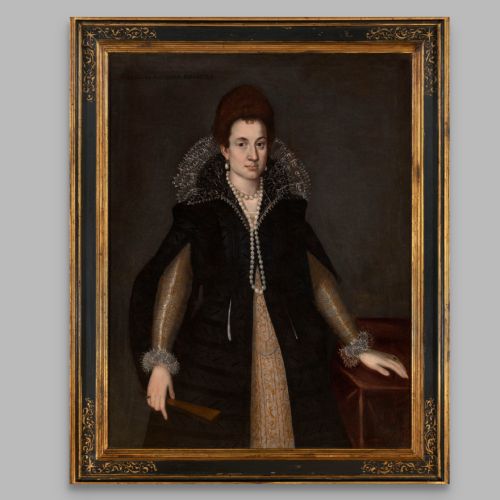
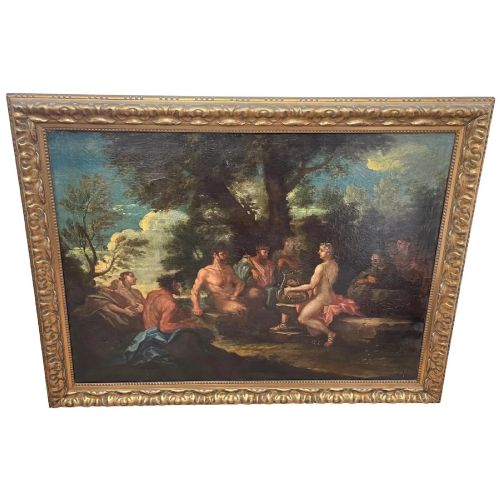
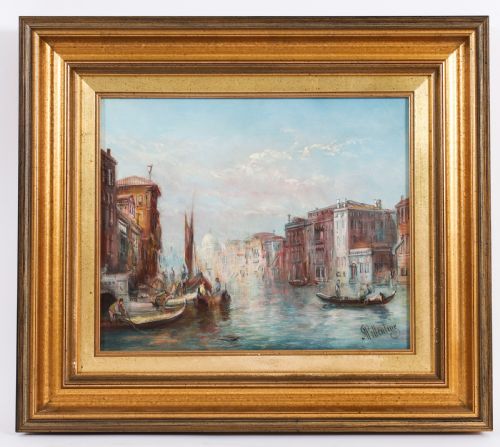
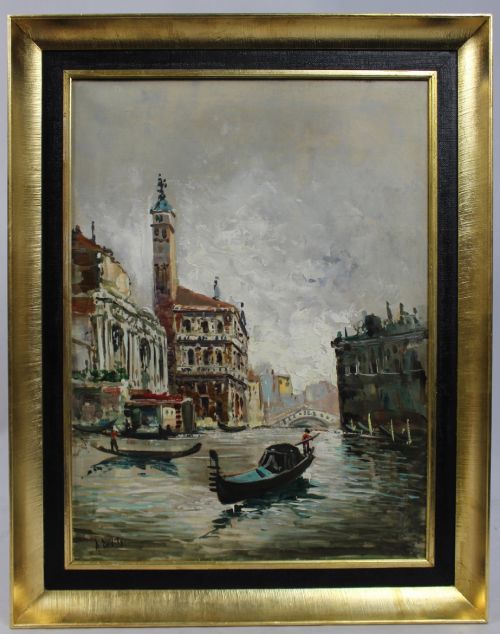
When you search for an antique italian canvas painting, you encounter works spanning from the sixteenth century through to the mid-twentieth century, encompassing religious subjects, mythological scenes, portraits, and Venetian lagoons. These pieces reflect diverse periods including the Baroque, Renaissance Revival, and nineteenth-century realism, capturing the visual traditions of Italy.
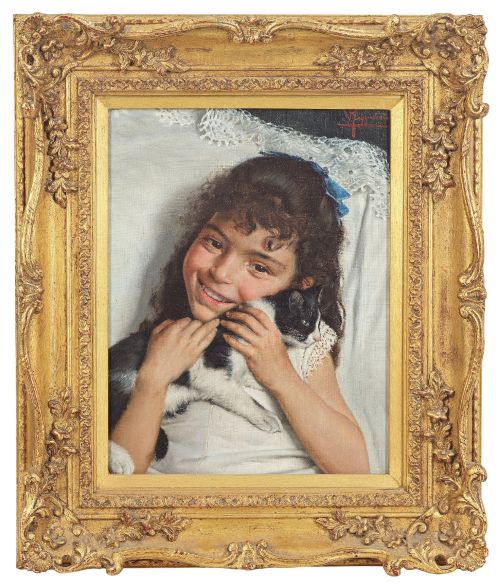
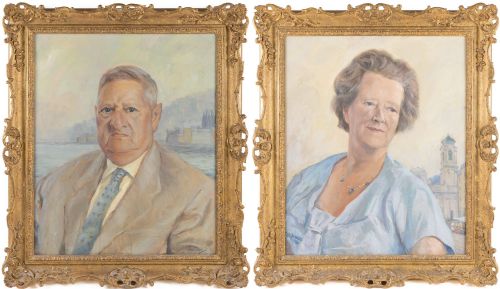
The most common versions met on this page are nineteenth-century oils and grand tour landscapes, alongside earlier old master compositions and mid-century portraits set in swept gilt frames. Such artworks serve as historical documents and decorative statements alike, often portraying nobility, pastoral landscapes, or bustling canals.
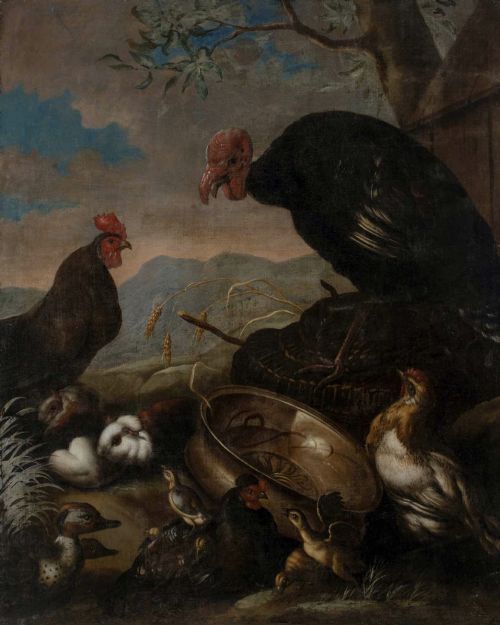
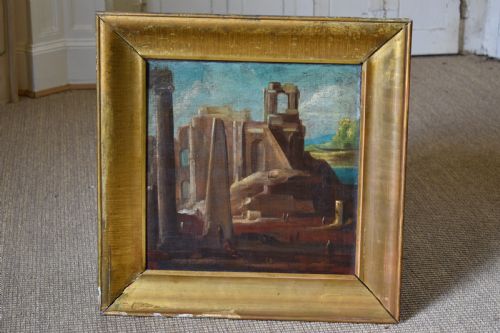
The selection ranges from intimate studies to large canvas works depicting birds in castle ruins, religious figures, and coastal ports. Each piece embodies the evolving techniques of Italian schools and European followers who drew inspiration from classical masters.
How they were made
These works rely fundamentally upon oil paint applied to woven canvas supports, sometimes mounted over wood stretchers. Artists utilised rich oil pigments to achieve depth of tone, subtle shadows, and luminous highlights.
The listings feature oil paintings on canvas spanning the sixteenth to the twentieth centuries, created by various Italian and European schools.
What varies in quality
The standard of a canvas painting depends upon the dexterity of brushwork, anatomical proportion, and the expressiveness captured in portraiture or landscape depth. Masterly handling of light and shadow distinguishes accomplished old master or academic works from simpler decorative copies.
Framing also influences the overall presence of the piece, with hand-carved gilded wood frames offering greater historical harmony than later replacements. The integrity of the original canvas surface and the subtlety of the colour palette further separate standard examples from superior artistic achievements.
Dumini Leopoldo·Angelo Maria Crivelli·Vittorio Reggianini·Augusto Alberici·Pietro Fachetti·Alfred Pollentine·Francis Moltino·Bernardino Luini·Guillaume Courtois·Jan Miel·Paolo Veronese·Benvenuto Tisi·Attilio Toro·Francesco Solimena·Costantino Frixione·Claude Lorrain·Eugene von Blaas·John Syme·Cesare Augusto Detti
The Antique Italian Canvas Painting Glossary
- Oil on Canvas
- A painting medium where pigments are bound with drying oils and applied to a woven fabric support. This combination allows for rich blending and textured impasto work.
- Giltwood
- Wood that has been decorated with a thin layer of gold leaf or gilt powder. It is commonly found on period frames enclosing fine art.
- Old Master
- A term for a European artist of high skill working before about eighteen hundred. These pieces often carry significant art historical attribution.
- Pentimento
- A visible trace of earlier painting beneath the layers of paint, showing where the artist changed their composition. This phenomenon confirms the authenticity of historical hand-painted works.
- Grand Tour
- A traditional trip of Europe undertaken by upper-class Europeans for pleasure and education. Paintings from this context often depict Italian architecture and landscapes.
Antique Italian Canvas Painting: Frequently Asked Questions
How do I identify a seventeenth century canvas painting?
Seventeenth century canvases typically display the dark tonalities, dramatic lighting, and theatrical composition characteristic of Baroque or old master traditions. Subject matter often centres on religious narratives, classical mythology, or detailed animal studies set within ruined landscapes.
Examination of the canvas weave, stretcher construction, and pigment ageing helps corroborate the period. Additionally, historical attribution or signature styles linked to known Italian schools provide further context for dating.
What is a grand tour painting?
Grand tour paintings are historical artworks created to commemorate the travels of visitors touring cultural sites across Italy during the eighteenth and nineteenth centuries. They frequently portray famous vistas such as the Venetian canals, Roman ruins, and Tuscan landscapes.
These pieces were collected as tangible memories of foreign travel and artistic appreciation. They showcase the picturesque qualities of Italian scenery through the eyes of visiting artists and local painters alike.
How should I care for an antique oil painting?
Preserving an oil painting requires stable indoor humidity and temperature away from direct sunlight and heat sources. Avoiding extreme environmental fluctuations prevents the canvas from slackening and protects the oil medium from cracking.
Dusting should be performed gently with a soft, dry brush by someone experienced in handling historic art. Professional conservation is recommended for any deeper cleaning or structural repairs to the canvas.
What does attribution mean for old master paintings?
Attribution indicates that an artwork is ascribed to a specific artist, workshop, or school based on stylistic comparison and historical evidence. Terms like circle of or follower of denote that the piece was produced in the manner or vicinity of a master.
This classification helps art historians understand the spread of technique and influence across different generations of painters. It provides buyers with a framework for understanding the piece's historical pedigree.