




Classical Narrative Art
Classical narrative art tells stories from literature, myth, and history across canvas, copper, and tapestry.
Classical Narrative Art
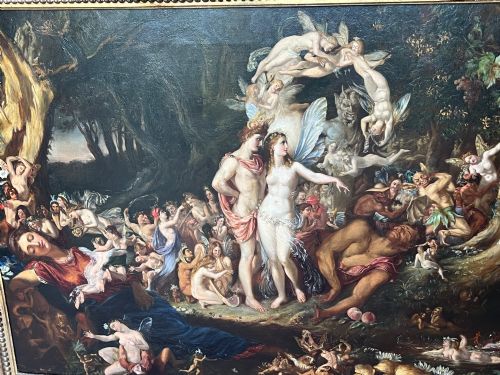
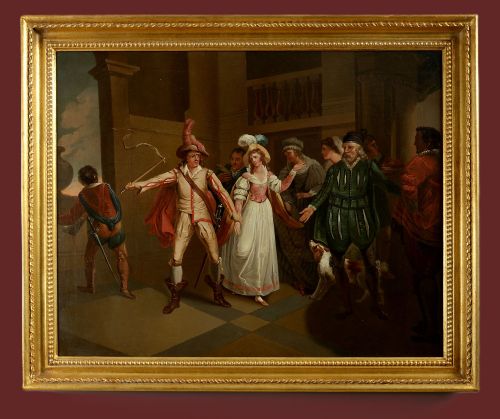
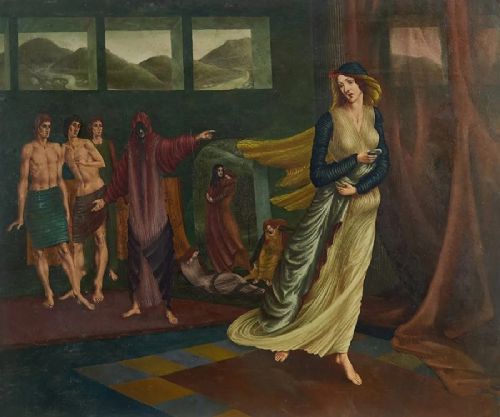
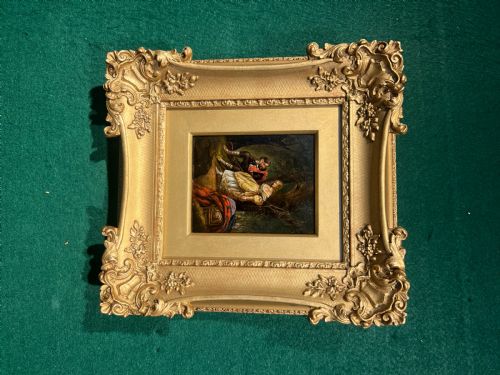
Classical narrative art comprises framed paintings, drawings, engravings, and tapestries that depict specific literary, mythological, and historical scenes. When searching for classical narrative art, a buyer encounters works spanning from the sixteenth century through the mid-twentieth century, with nineteenth-century pieces appearing frequently.
The subjects range from Shakespearean drama and biblical episodes to classical mythology and historical events, often rendered by named artists, regional schools, or followers of major European traditions.
Evaluating Quality
Quality in these works rests upon the confidence of the draughtsmanship, the complexity of the figural composition, and the handling of light and narrative tension. Pieces executed by listed academic artists or closely documented regional schools generally demonstrate superior anatomical precision and atmospheric depth compared to unsigned decorative copies.
The condition of the primary support - whether canvas, copper, or panel - alongside the preservation of the original pigment layers and period framing, distinguishes works that retain their original historical impact.
One canvas captures a monumental moment of domestic rebellion as an old man faces his three sons.
Sir Joseph Noel Paton·Friedrich von Kaulbach·William Edward Frost·Pietro D'asaro·Andrea Celesti·Peter Paul Rubens·Jules Girardet·Abraham Cooper·Alexandre Decamps
The Classical Narrative Art Glossary
- Oil on canvas
- Pigments bound in drying oil applied to stretched fabric. This medium allows for rich tonal gradation and depth.
- Gesso
- A plaster-like mixture applied to wood or canvas to prepare a smooth surface for painting or gilding. It provides a stable base for fine detail.
- Engraving
- A printmaking process where an artist cuts lines into a metal plate to hold ink. Impressions are then transferred onto paper.
- Nereid
- A sea nymph from Greek mythology. These figures frequently appear in classical and mythological paintings.
Classical Narrative Art: Frequently Asked Questions
What subjects appear in classical narrative art?
These works depict specific scenes drawn from classical mythology, the Bible, historical events, and literary works such as Shakespearean plays. Artists select moments of high drama to engage the viewer directly.
Scenes range from classical deities and historical battles to quiet interior narratives and allegorical episodes from various European traditions.
How should I care for an antique oil painting?
Keep oil paintings away from direct sunlight and sources of extreme heat or humidity to prevent the canvas from sagging and the paint from cracking. Maintain a stable indoor climate.
Dust the surface gently with a soft, dry brush and avoid using water or chemical cleaners on either the paint layer or the giltwood frame.
How do I identify the period of a painting?
Examine the materials of the support, such as the weave of the canvas, the preparation of the panel, or the type of paper used for prints and drawings. Stylistic clues within the clothing and architecture also offer guidance.
Signatures, exhibition labels on the reverse, and framing styles frequently provide secure benchmarks for dating the work accurately.
Where were these narrative artworks displayed historically?
Large oil paintings and tapestries hung primarily in country houses, formal reception rooms, and municipal galleries where their scale could command attention. Smaller works on copper and paper suited private studies.
Owners selected these pieces to demonstrate classical learning, cultural literacy, and an appreciation for theatrical or historical storytelling.