




Antique Islamic Furniture
Antique islamic furniture brings intricate geometry and rich inlay into a room, offering functional seating and tables rooted in centuries of diverse craftsmanship.
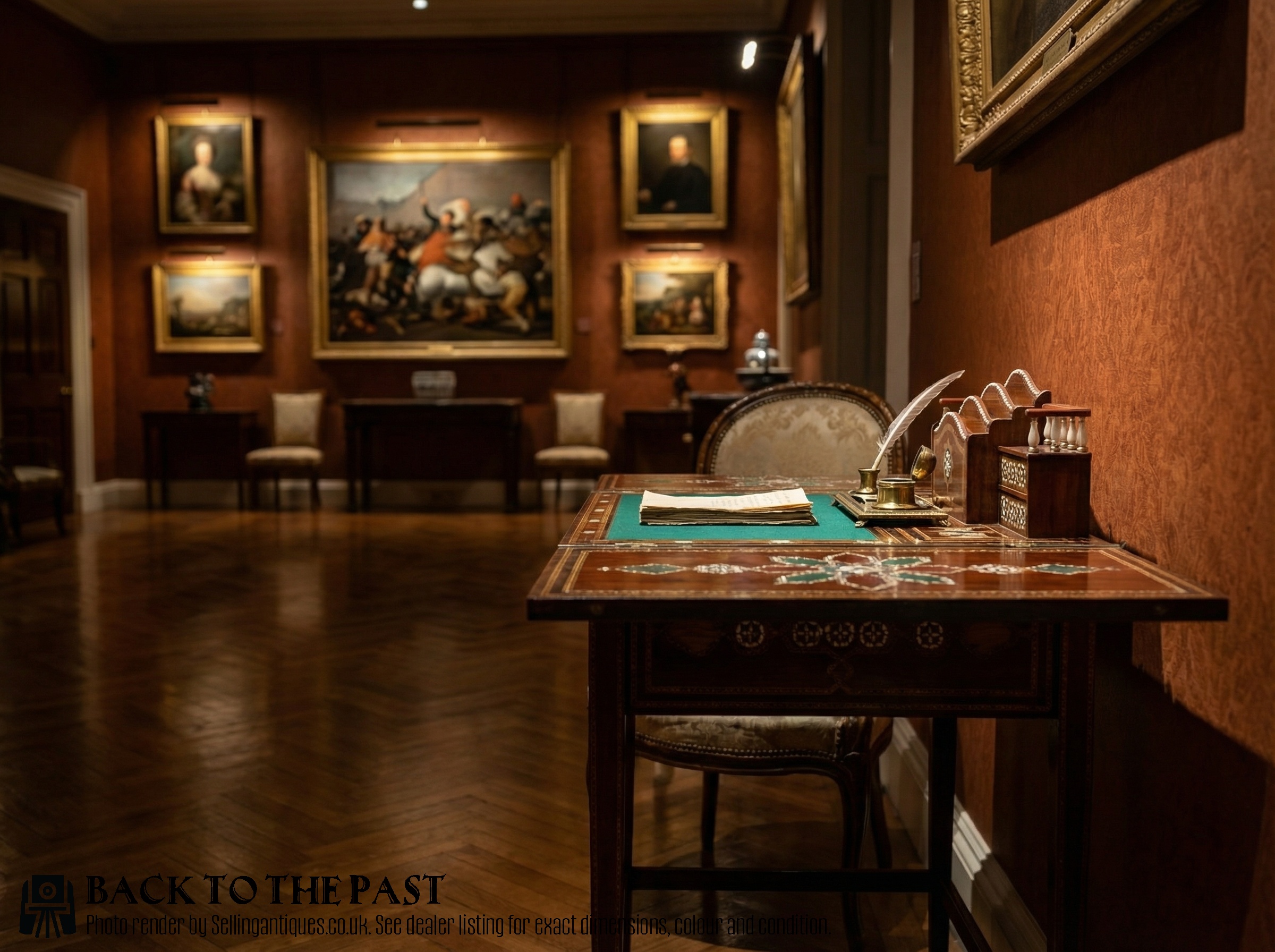
Antique Islamic Furniture
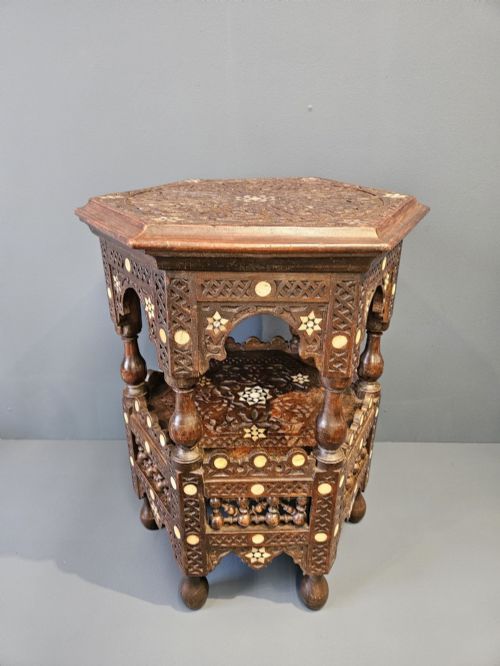
When buyers search for antique islamic furniture, they encounter a range of seating and tables spanning the nineteenth and early twentieth centuries. These pieces reflect diverse regional traditions including Moorish, Syrian, Moroccan and Egyptian styles.
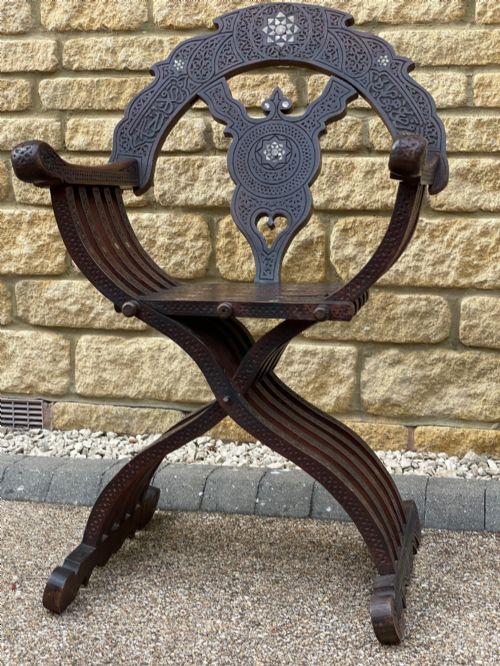
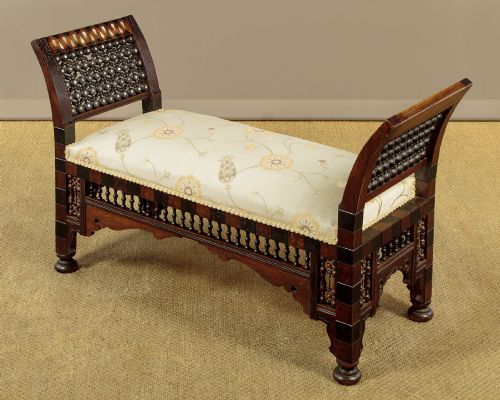
Moorish revival and Mamluk revival designs dominate the aesthetic, often combining European furniture forms with Middle Eastern decorative motifs. Makers working within these styles drew upon traditional geometric patterns and marquetry techniques.
How they were made
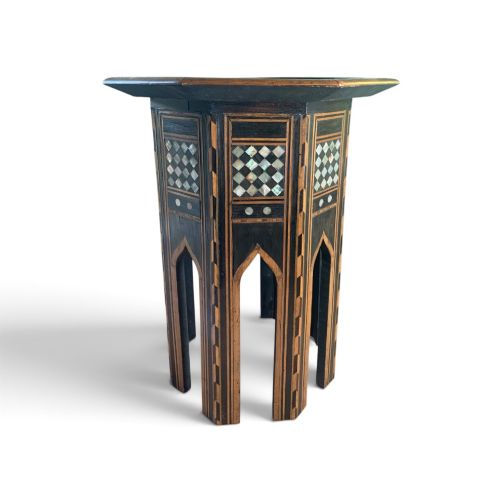
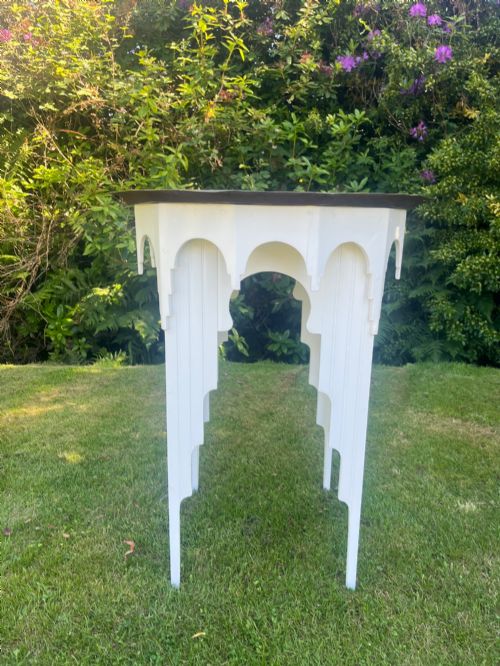
Construction relies heavily on walnut and various hardwoods shaped into octagonal and hexagonal forms. Artisans then applied intricate surface decoration using contrasting materials.
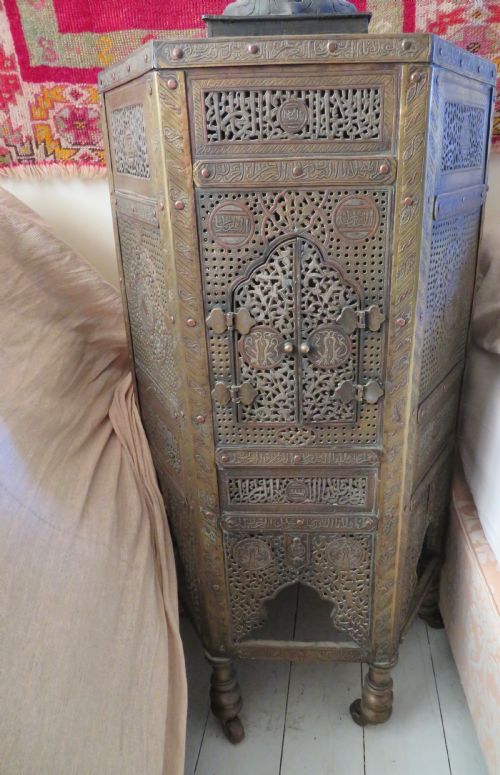
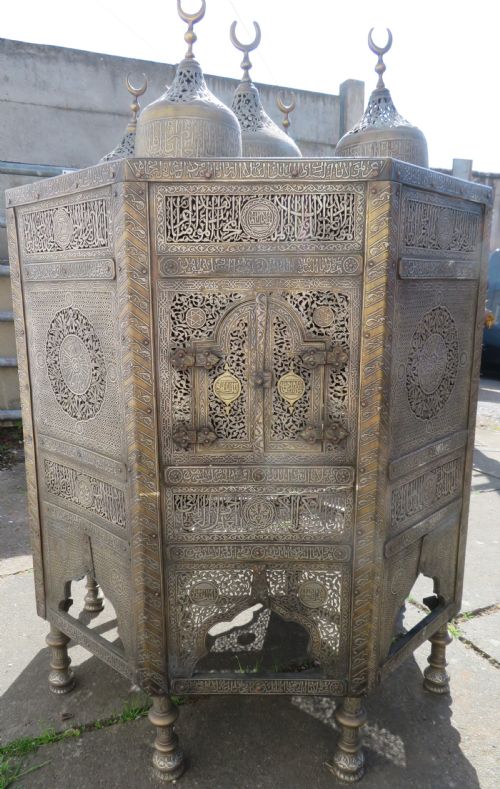
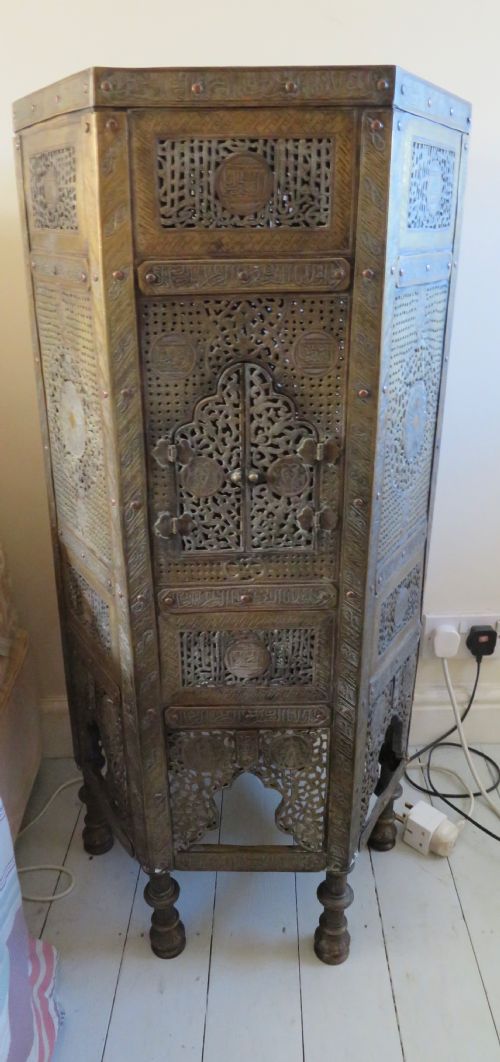
Inlay work forms a central part of the technique, incorporating mother-of-pearl, bone, abalone and white metal into wooden frames. Metal elements also appear as openwork brass and copper panels in cairoware pieces.
Carving and pierced openwork define the wooden components of chairs and tables. Painted finishes and boulle inlay complete the surface treatments recorded in the evidence.
Conversation seats designed for two people to sit facing opposite directions appear among the seating options, adding a touch of Victorian sociability.
What varies in quality
The density and precision of the inlay work distinguish finer examples from simpler production. Closely fitted pieces of mother-of-pearl, bone and metal require considerable skill to align across complex geometric surfaces.
The choice of structural timber also dictates quality, with dense hardwoods and walnut providing greater durability than softer alternatives. Furthermore, the depth and crispness of hand-carved openwork demonstrate the artisan's level of execution.
The Antique Islamic Furniture Glossary
- Kursi
- A low hexagonal table or Quran stand typically associated with Cairene metalwork and woodworking traditions. These pieces often feature extensive metal inlay and openwork panels.
- Cairoware
- Metalware originating from Cairo, featuring intricate copper, silver and white-metal inlay upon brass surfaces. It frequently decorates the bodies of hexagonal occasional tables.
- Boulle inlay
- A marquetry technique using tortoiseshell and brass to create ornate decorative patterns on furniture surfaces. This European method occasionally appears combined with Middle Eastern forms.
- Moorish Revival
- An architectural and decorative style popular in the nineteenth century that reinterprets traditional Islamic design elements for Western interiors. It heavily influences many tables and chairs from this era.
Antique Islamic Furniture: Frequently Asked Questions
What is a kursi table?
A kursi is a traditional low hexagonal table or stand often used for holding texts or objects. These pieces frequently display intricate metal and wood inlay.
In period interiors, they served as versatile occasional surfaces rather than central dining tables.
How do I identify Moorish revival furniture?
Moorish revival pieces typically feature dense geometric carving, star patterns and intricate inlay. They combine traditional Middle Eastern motifs with nineteenth-century European furniture shapes.
Materials like walnut, mother-of-pearl and brass are common identifiers of the style.
Where were these pieces made?
The furniture originates from various regions including Syria, Egypt, Morocco and North Africa. Workshops in these areas produced items for both local use and the growing European export market.
European firms also manufactured revival pieces inspired by these distinct regional aesthetics.
How do I care for inlaid wooden furniture?
Inlaid surfaces require gentle dusting with a dry, soft cloth to protect delicate mother-of-pearl and bone elements. Avoid using harsh chemical polishes that might damage the organic materials or loosen the surrounding wood.
Maintaining stable room humidity prevents the timber from shrinking and the intricate inlay work from lifting.