



Antique Iron Strongbox
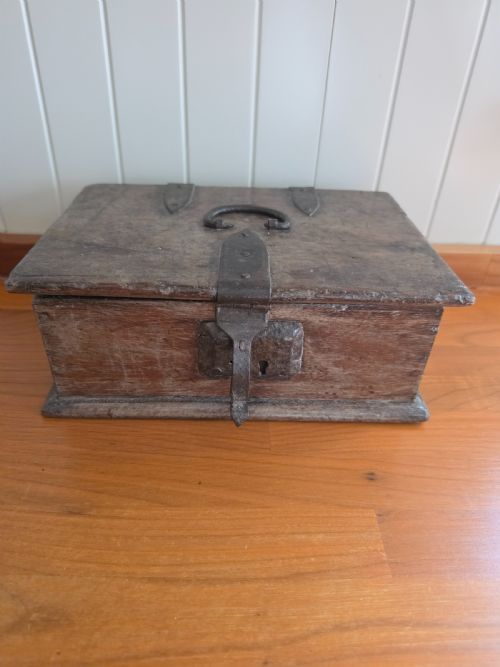
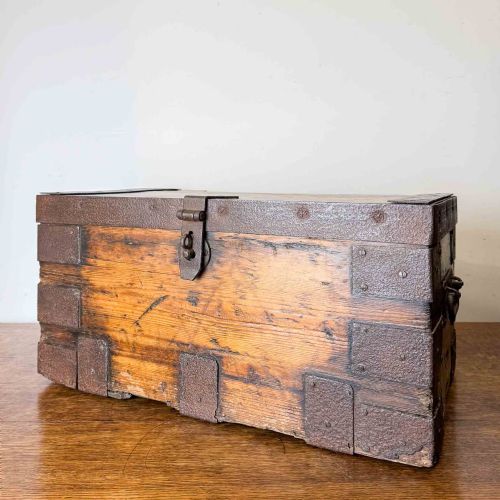
An antique iron strongbox is a heavy security chest built to safeguard valuables, offering tangible history and robust metalwork for modern interiors.
Antique Iron Strongbox
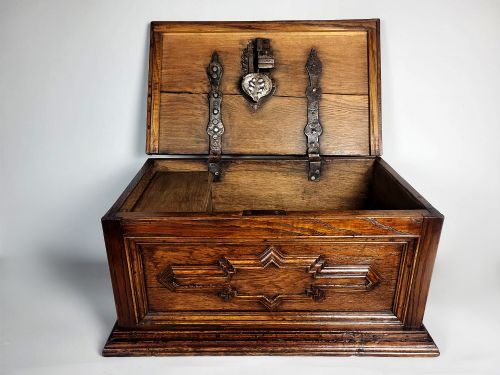
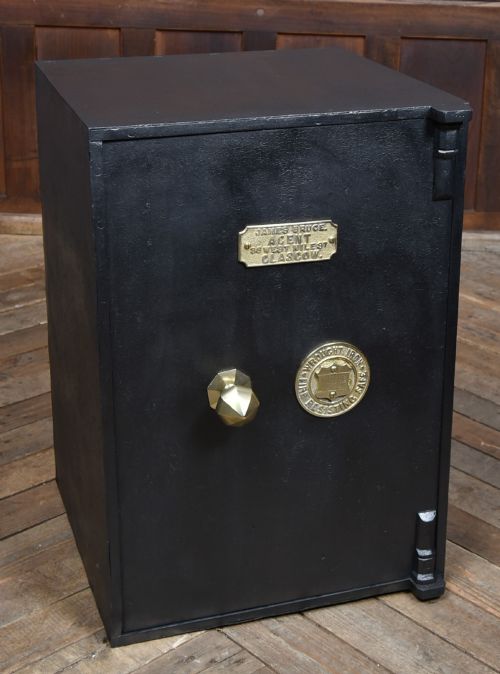
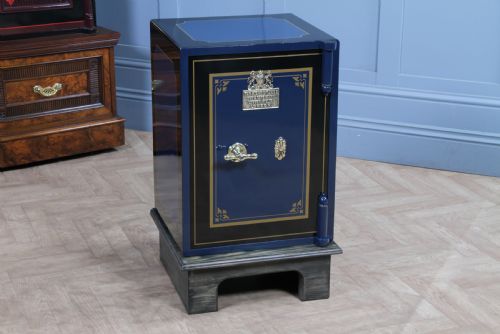
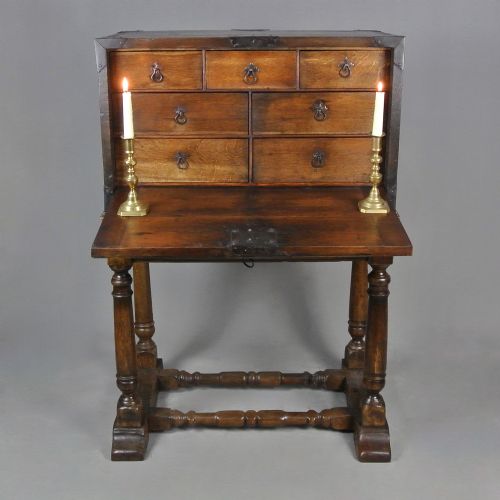
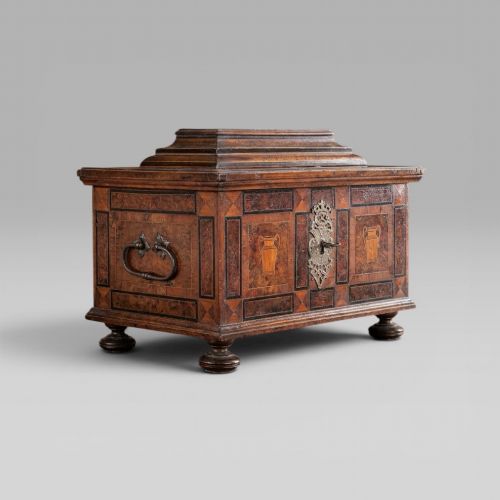
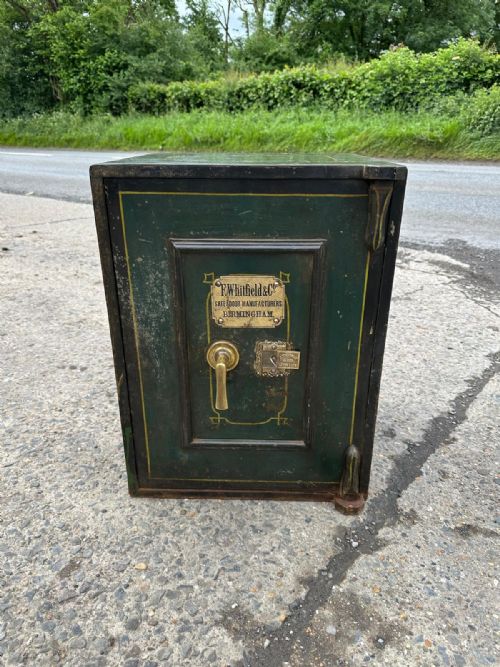
The antique iron strongbox encompasses heavy security chests, specialised deed boxes, and reinforced coffers originating from diverse European workshops. Buyers exploring this selection will frequently encounter seventeenth-century oak and iron banded trunks alongside nineteenth-century industrial safes and painted Scandinavian pieces.
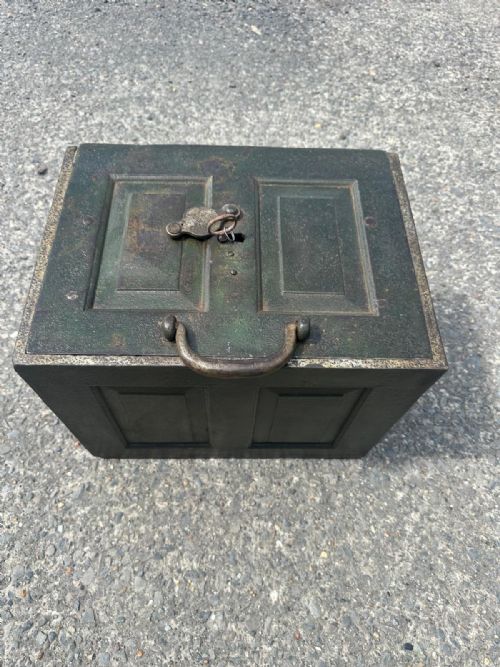
Earlier iterations often rely on timber carcasses heavily banded in wrought iron, while later examples transition to solid cast iron and polished steel bodies. These containers served domestic, mercantile, and institutional purposes, ranging from domestic silver storage to secure travel.
Geographic variations span from English oak silver chests and Scottish models to German steel caskets and brightly painted Swedish pine boxes. Each regional tradition employs distinct decorative motifs and locking mechanisms suited to its period.
Materials and Construction
Makers constructed these protective containers using durable hardwoods such as oak, elm, pine, and chestnut, reinforced with straps of wrought iron, cast iron, and steel. Many items incorporate complex internal locking systems housed behind metal plates.
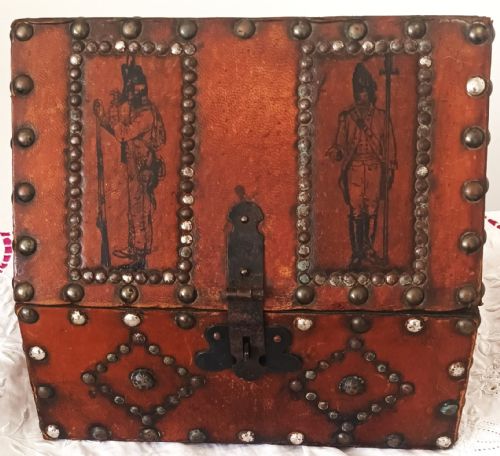
Surface treatments vary significantly, utilising natural timber finishes, leather bindings, marquetry, and vibrant hand-painted folk art colours on pine or oak. Structural integrity relied on heavy metal banding, rivets, and corner brackets.
The inventory includes continental caskets, Scottish chests, and brightly painted Scandinavian folk art strongboxes.
Distinctions in Execution
Quality rests in the complexity of the original locking mechanism and the precision of the metal banding and blacksmithing. Pieces retaining their original functional keys and complex internal steel mechanisms command higher regard.
The preservation of original surface elements, whether untouched painted decoration on Scandinavian pine or patinated oak and leather, distinguishes superior examples from heavily altered pieces.
James Bruce·Tanns Defiance London·F. Whitfield and Co.·Milners of Liverpool·Chubb·Waring and Sons
The Antique Iron Strongbox Glossary
- Armada chest
- A type of heavy iron-banded storage box produced in continental Europe, often featuring elaborate internal locking mechanisms beneath the lid. These strongboxes were transported easily and utilised for securing valuables during travel.
- Coffre fort
- A French term translating to strongbox or safe, typically denoting a heavily reinforced chest designed for security. These objects frequently combine robust metal construction with decorative exterior details.
- Silver chest
- A specialised strongbox lined for the storage of domestic silverware, frequently constructed from oak with substantial iron bands and carrying handles. Retailers often retailed these robust containers to affluent households.
- Nuremberg casket
- A portable metal strongbox originating from German manufacturing centres, renowned for intricate engraved steel panels and complex spring-loaded lid locks. These small caskets served merchants and travellers.
- Deed box
- A secure container intended for the storage of legal documents, land indentures, and important papers, often fashioned from timber and reinforced with metal.
Antique Iron Strongbox: Frequently Asked Questions
What is an antique iron strongbox?
An antique iron strongbox is a secure, heavy-duty chest or box constructed from timber and reinforced with iron bands, or manufactured entirely from cast iron and steel.
Designed to protect money, documents, and valuables, these containers feature robust locking mechanisms and date from the sixteenth century through the Victorian era.
How were these strongboxes used historically?
These boxes served merchants, noble households, and institutions as primary security devices for storing coin, plate silver, and legal documents.
Many examples were built for travel in carriages or ships, incorporating sturdy side handles and complex internal locks to deter theft.
How do I date an iron strongbox?
Dating relies on examining the construction methods of the timber carcass, the style of the ironwork, and the complexity of the locking mechanism.
Earlier seventeenth-century pieces often feature hand-forged strapwork and oak frames, whereas Victorian and later examples utilise cast iron, steel, and patented maker-signed locks.
How do I care for an antique strongbox?
Maintain the piece in a stable environment away from excessive moisture and direct sunlight to preserve the wood and original painted surfaces.
Apply a light wax to timber elements and keep metal components clean and dry to prevent corrosion.