

Antique Iron Side Table
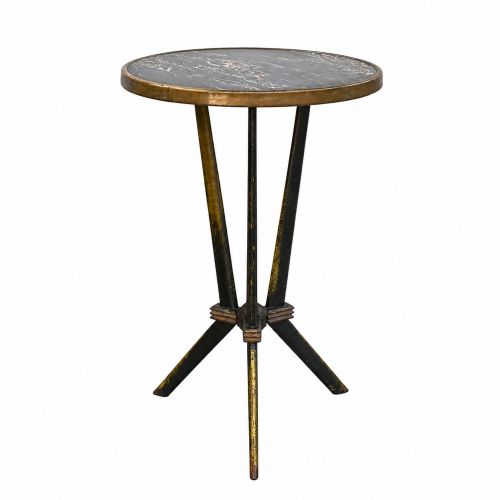
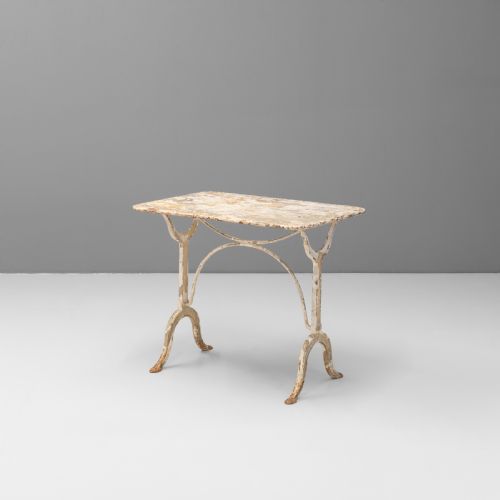
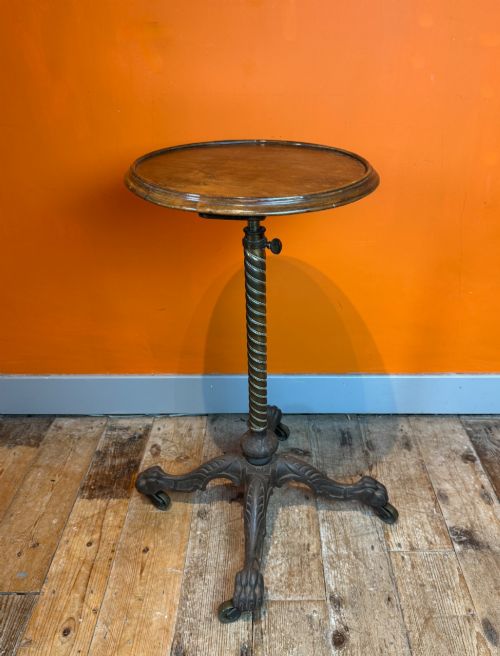
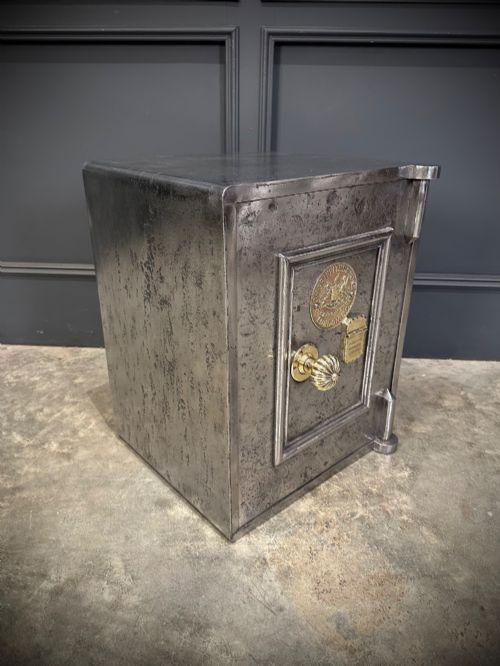
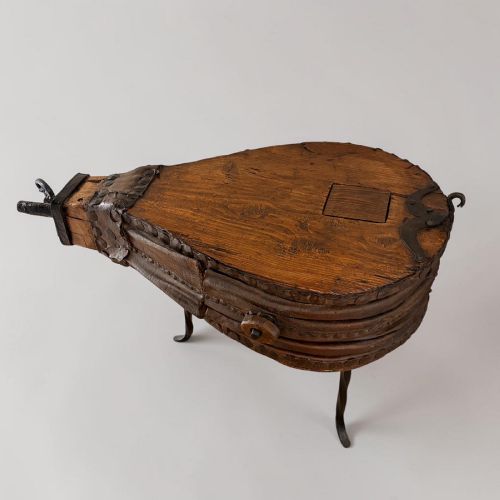
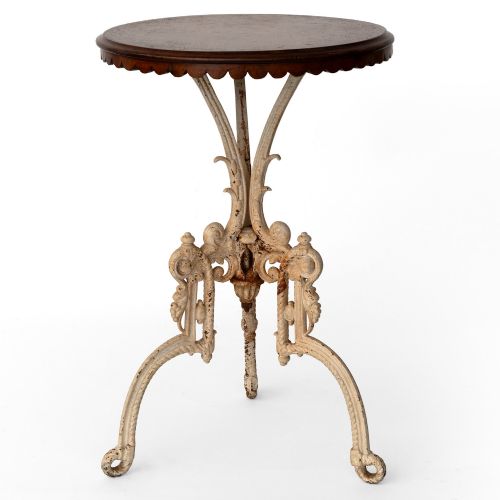
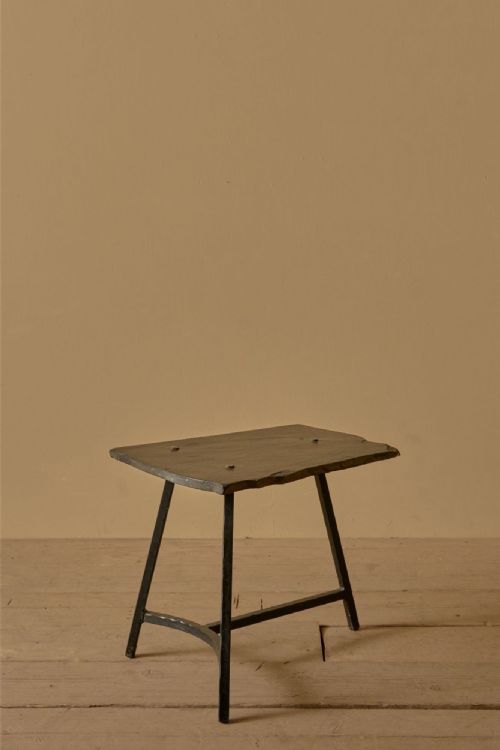
An antique iron side table brings heavy metal bases and polished stone or timber tops together, offering robust utility for any room.
Antique Iron Side Table
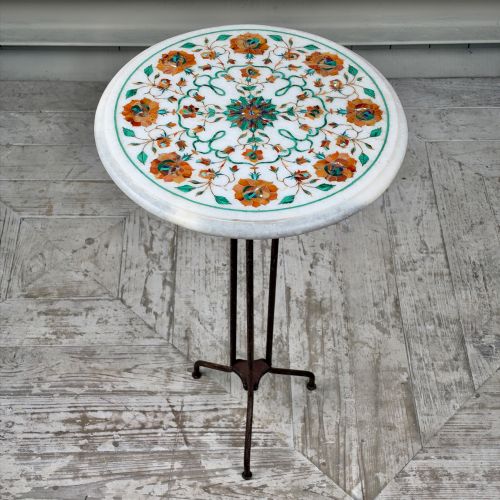
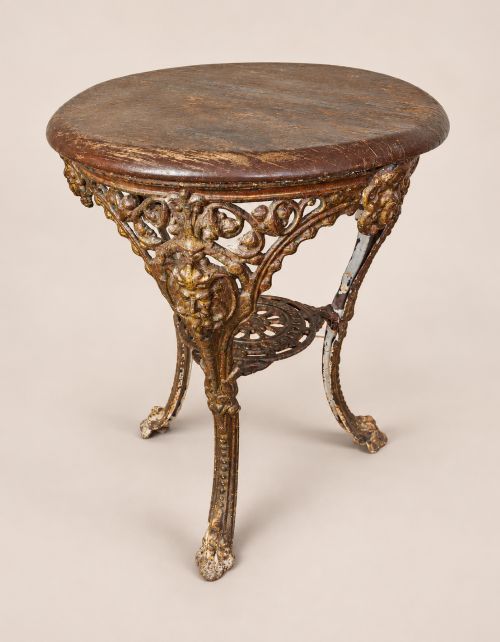
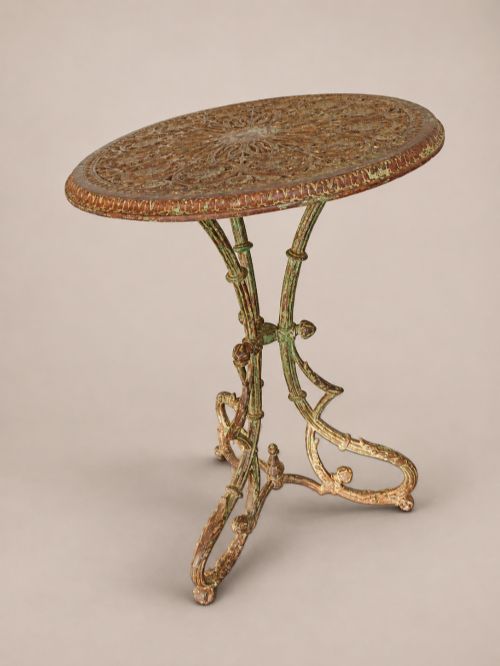
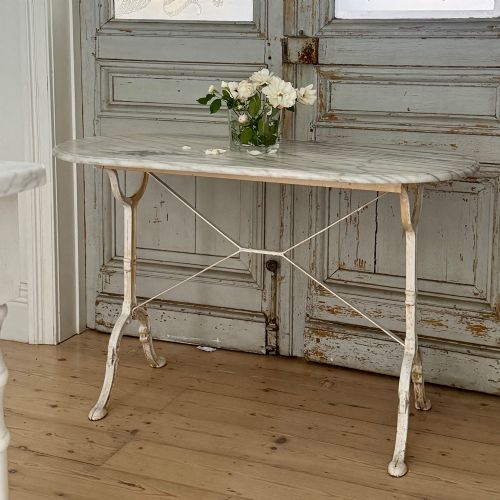
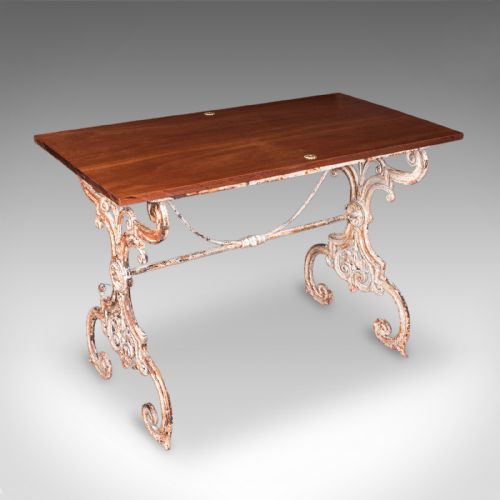
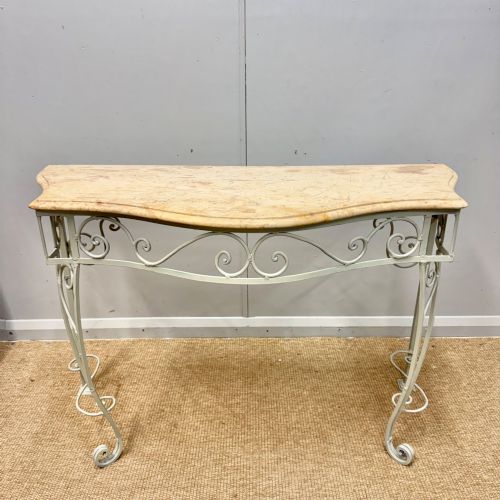
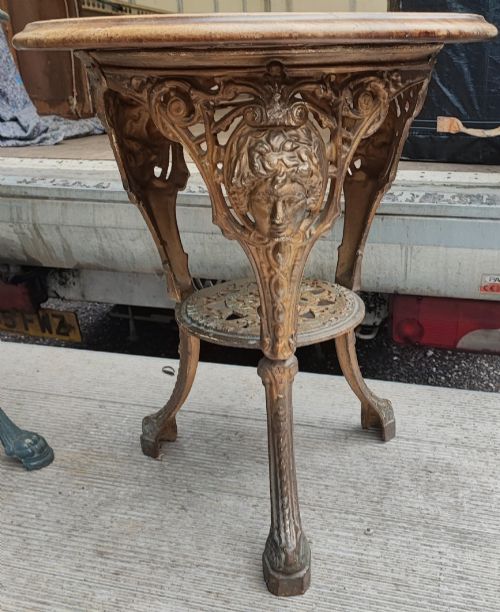
An antique iron side table spans utilitarian tavern stands, garden furniture, and marble-topped console pieces found across Britain and continental Europe. Buyers frequently encounter Victorian cast iron pub tables alongside Edwardian and French bistro designs.
Production ranges from heavy industrial machinery bases and pub stands to refined domestic occasional tables incorporating marble, oak, and mahogany. These pieces cross various periods from the eighteenth century through the early twentieth century, reflecting both commercial and residential origins.
Materials and Construction
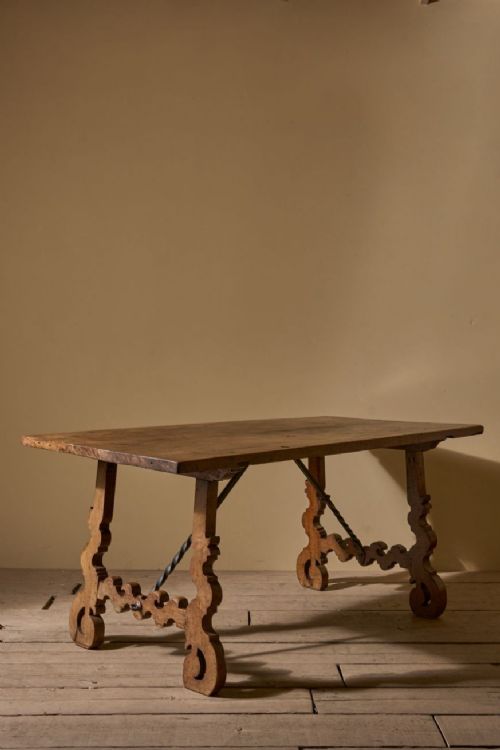
Foundries shaped molten metal into durable cast iron bases, often featuring decorative scrollwork, dolphin motifs, or Britannia figures, while blacksmiths hammered wrought iron into fluid brackets and frames. These rigid supports provide the structural backbone for the furniture.
Workers mounted tops of white marble, serpentine stone, or timber such as oak, pine, and mahogany directly onto the metal frames. Secured with bolts or brackets, these mixed-media constructions married industrial strength with domestic surfaces.
Antique Iron Side Table Retail Price Guide 2026
Typical asking prices for iron side table among the pieces listed under this phrase on Sellingantiques today, from the lower quarter to the upper quarter. They describe what is for sale here now, not the wider market.
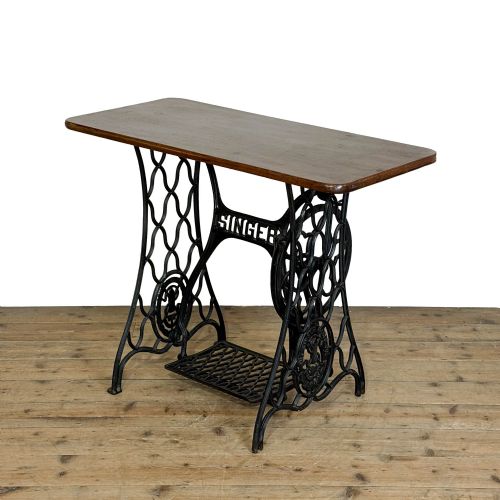
Several tables started life as heavy sewing machines or garden racks before finding new careers supporting afternoon tea.
Quality and Character
Superior examples display crisp foundry casting details and well-balanced proportions without clumsy repairs to the ironwork. The integration between the metal base and the fitted stone or timber top dictates the overall integrity.
Original surface patination on both the metal and the wooden elements elevates a piece, showing genuine age rather than recent intervention. Tables retaining their original marble slabs or aged timber tops command stronger presence.
Archibald Knox·Carters Of London·TANNS DEFIANCE LONDON
The Antique Iron Side Table Glossary
- Cast iron
- A strong, hard alloy poured into moulds to create intricate bases and pub table pedestals. It provides heavy stability for small surface areas.
- Wrought iron
- Iron beaten into shape by hand, producing fibrous structural components with visible hammer marks. It appears frequently in console tables and decorative stands.
- Britannia
- A specific cast iron pub table design featuring a moulded figure of Britannia on the pedestal. These pieces date predominantly to the Victorian era.
- Gueridon
- A small French round table supported by a single central column or tripod base. They often feature marble tops paired with iron frames.
- Serpentine
- A curved tabletop edge waving gently in a convex and concave profile. This shape is typically carved from solid marble on upscale console tables.
Antique Iron Side Table: Frequently Asked Questions
Where were these tables used?
These tables served multiple functions in commercial taverns, domestic hallways, and outdoor gardens. Pubs utilised heavy cast iron pedestals to withstand constant patronage, while homes employed marble-topped versions for display.
Industrial settings also adapted iron frames for workshops before collectors brought them into modern living spaces as versatile accent pieces.
How do I clean marble tops?
Marble surfaces require gentle cleaning with warm water and a soft cloth to preserve the polished finish. Acidic substances etch the stone easily and must be avoided entirely.
Applying a specialist stone sealer helps protect porous antique marble from liquid stains while maintaining its historic appearance.
Are the iron bases original?
Many tables combine nineteenth-century cast iron bases with later timber or stone replacement tops suited for modern domestic use. Checking the fitting points beneath the surface reveals whether the components belong together.
Matching patination and wear across both the iron support and the top usually indicate a unified period piece.
How do I date an iron table?
Dating relies on stylistic clues in the iron casting, such as Victorian aesthetic movement motifs or Edwardian neoclassical details. Foundry marks and patent stamps stamped directly into the metal also help pinpoint the manufacturing era.
Timber species and marble thickness provide further supporting evidence when narrowing down the decade of production.