

Antique Iron Dish
When you handle an antique iron dish, you hold centuries of trade and painstaking hand-painted detail.
Antique Iron Dish
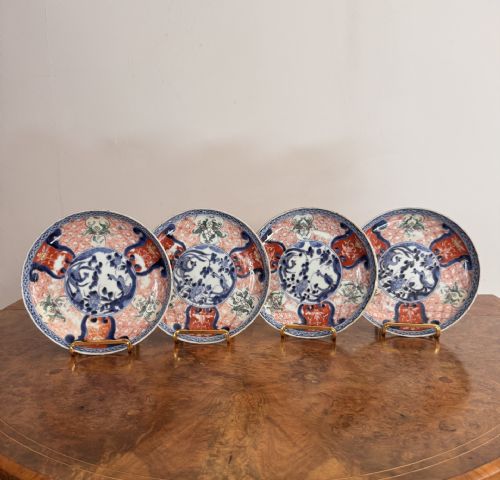
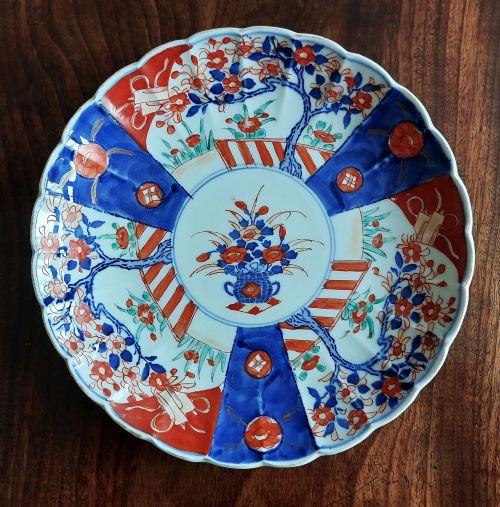
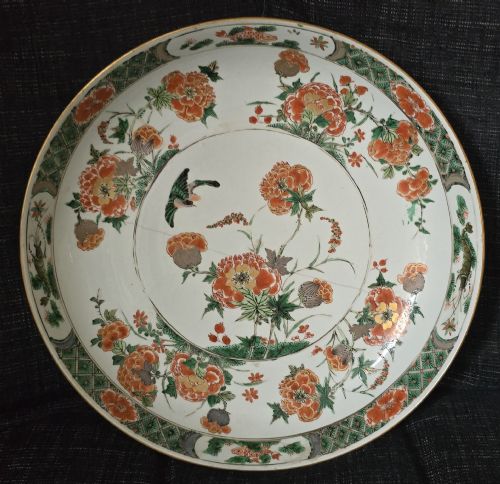
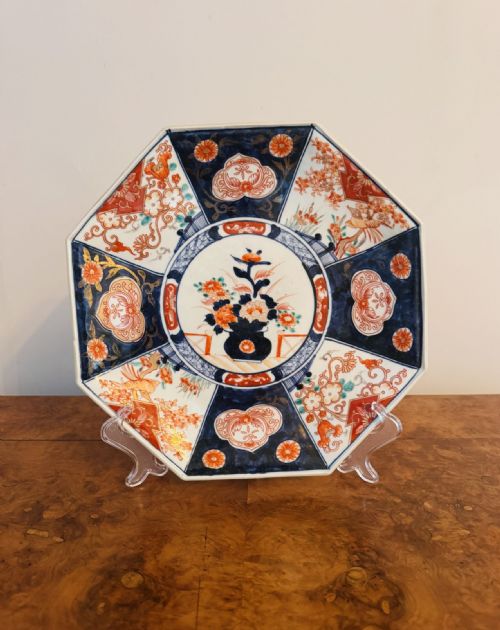
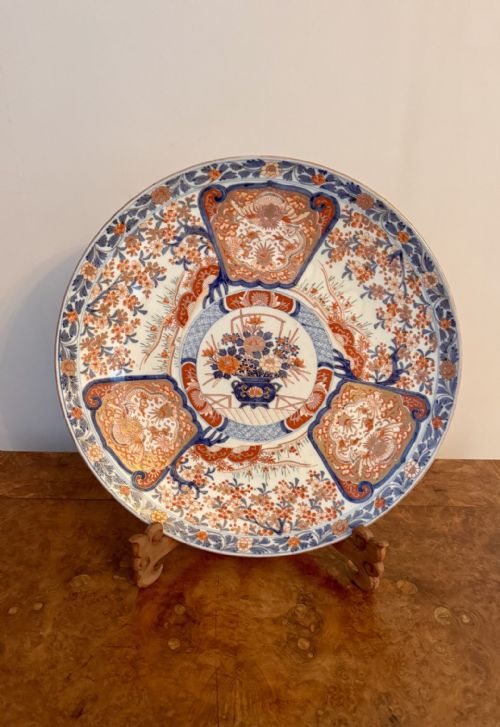
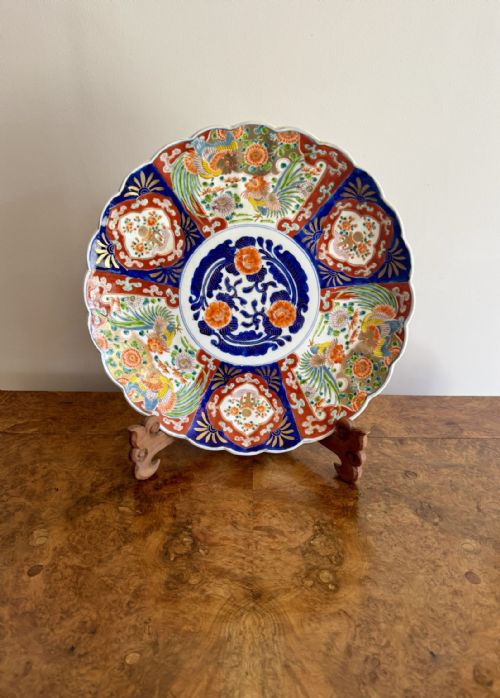
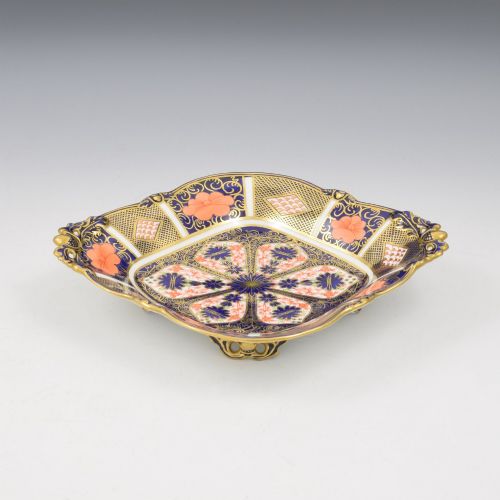
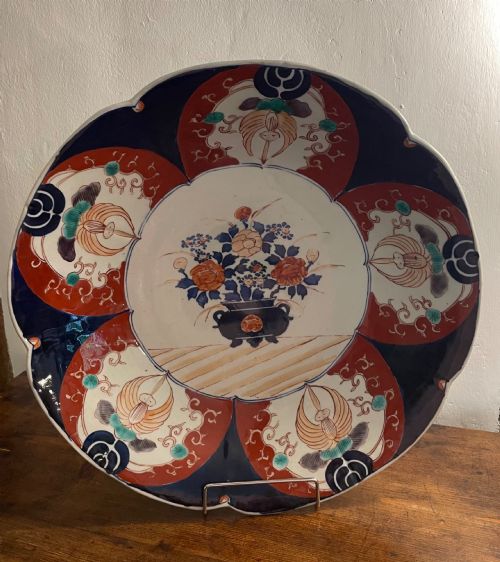
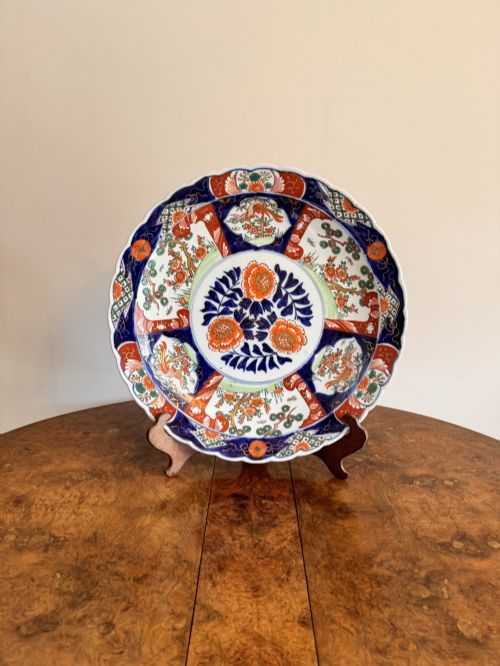
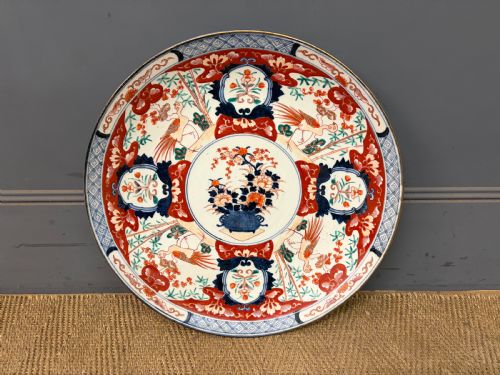
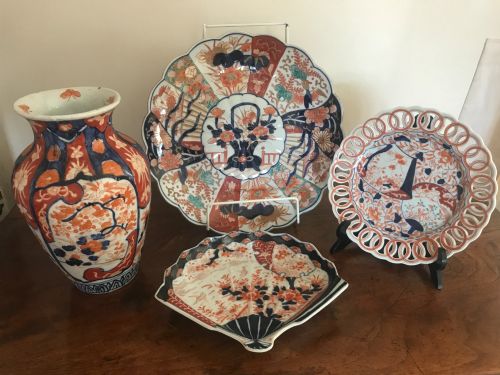
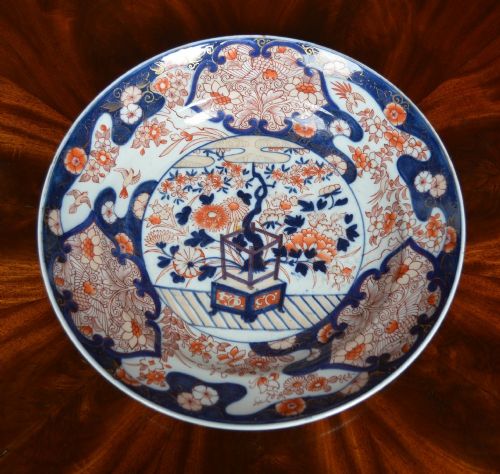
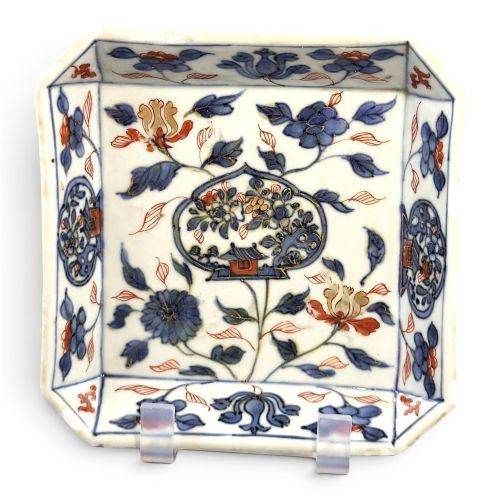
Buyers seeking an antique iron dish encounter a fascinating cross-section of ceramic, porcelain, and metalware traditions. The majority of pieces appearing under this search are actually Japanese Imari plates, chargers, and bowls from the Meiji period, alongside Chinese porcelain and iron-red decorated wares.
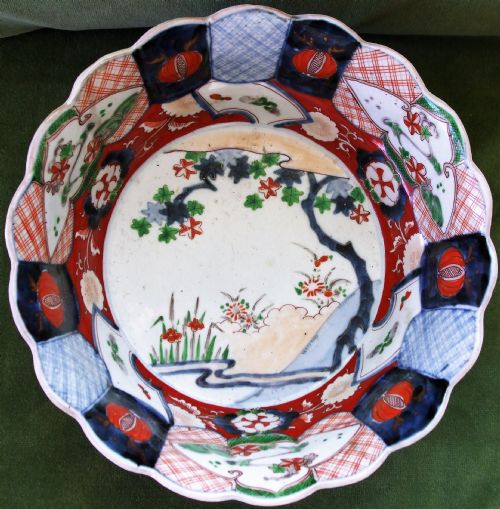
Forms span large chargers, deep lobed serving dishes, scalloped edge plates, and occasional patinated metal plaques inlaid with gold and silver. These objects served both practical dining functions and decorative display in period interiors.
Origins range widely across the nineteenth and early twentieth centuries, drawing heavily upon Japanese Meiji aesthetics, Chinese Qing dynasty exports, and Georgian era ceramic imports. The term often bridges heavy iron-red ceramic palettes and literal metalwork plaques.
Materials and production methods
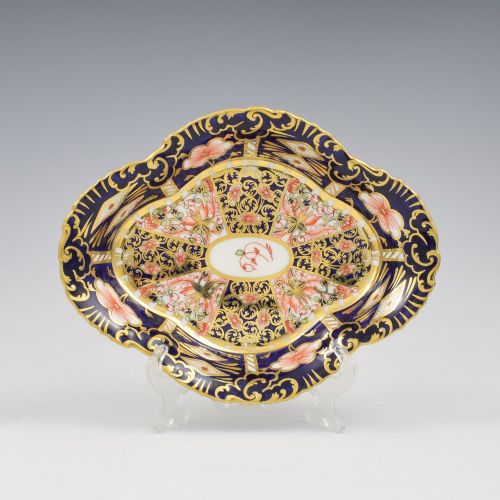
The objects recorded here utilise fine porcelain, ceramic, and bone china, alongside patinated iron enriched with gold leaf and silver inlay. Kiln workers applied dense glazes and overglaze enamel to achieve the vibrant iron-red and cobalt blue tones characteristic of Imari decoration.
Painters executed intricate floral, bird, and figural designs by hand, often incorporating gilt highlights directly onto the hardened glaze. Metal plaques received meticulous surface incising to secure precious metal wire inlays into the iron ground.
Antique Iron Dish Retail Price Guide 2026
Typical asking prices for iron dish among the pieces listed under this phrase on Sellingantiques today, from the lower quarter to the upper quarter. They describe what is for sale here now, not the wider market.
Several plates faithfully depict the Seven Lucky Gods, ensuring your tabletop enjoys divine supervision during dinner parties.
Distinguishing finer examples
Quality rests primarily in the precision of the hand painting and the crispness of the porcelain body or metal casting. Superior pieces display finely delineated brushwork in the iron-red and gilt motifs, with balanced compositions that utilise the white space effectively.
The depth of colour saturation and the complexity of the form - such as hexagonal shaping, scalloped edges, or pierced openwork - elevate certain bowls and plates above standard production wares. Patinated iron plaques depend upon the security and intricacy of their gold and silver wire inlay.
Royal Crown Derby
The Antique Iron Dish Glossary
- Imari
- A style of Japanese porcelain featuring a distinctive palette of underglaze blue, iron-red, and gilt. These wares were heavily exported to Europe from the port of Imari.
- Meiji Period
- The era in Japanese history spanning from 1868 to 1912, noted for a massive output of decorative arts destined for Western markets.
- Charger
- A large decorative plate or dish, typically measuring over twelve inches in diameter, used historically for ceremonial service or prominent display.
- Overglaze Enamel
- Coloured glass decoration applied over a previously fired and glazed ceramic surface, requiring a subsequent low-temperature kiln firing to fix the colours.
- Iron-Red
- A brick-red ceramic pigment derived from iron oxide, famously utilised in Chinese and Japanese porcelain decoration.
Antique Iron Dish: Frequently Asked Questions
What is an antique iron dish?
An antique iron dish typically refers to Japanese and Chinese ceramics decorated with iron-red pigments, or occasionally literal patinated iron plaques with metal inlay.
These pieces represent centuries of Asian export traditions valued by collectors for their intense hand-painted colour palettes.
How were these dishes used originally?
Many large chargers and plates functioned as principal serving vessels for grand feasts or as decorative cabinet pieces.
Smaller bowls and scalloped dishes saw service during formal dining, while metal plaques served strictly ornamental roles on walls or furniture.
How do I care for my antique dish?
Keep delicate porcelain and metal inlaid ironwork away from direct sunlight and moisture fluctuations to protect the pigments and glazes.
Dust gently with a soft dry cloth and avoid harsh modern cleaning agents that might damage the fragile overglaze enamels or gilt.
How can I tell the period?
Dating relies upon stylistic markers such as the specific shades of iron-red enamel, the symmetry of hand-painted motifs, and the composition of the ceramic body.
Meiji period Japanese pieces and Kangxi era Chinese wares each display distinct potting techniques and glaze characteristics that reveal their age.