





Antique Iron Boot Scraper
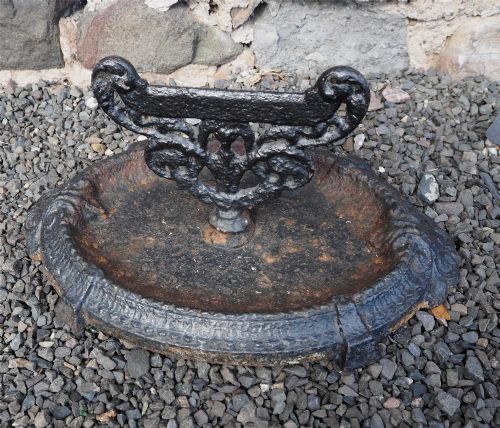
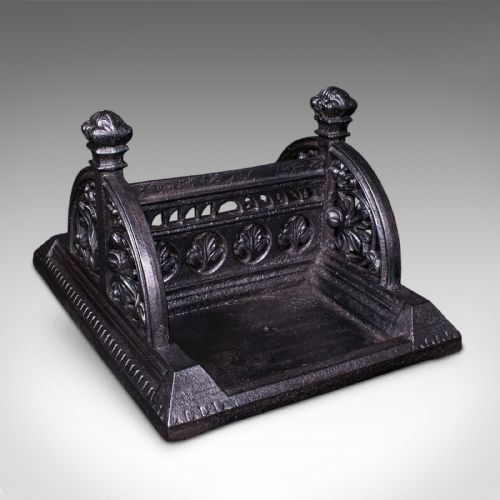
These antique iron boot scraper examples clean mud from footwear at a doorway, offering practical utility and period character for an entrance.
Antique Iron Boot Scraper
An antique iron boot scraper stands at a doorway to remove mud and dirt from footwear before entering a house. The selection on this page ranges from Georgian country house pieces to late Victorian townhouse examples.
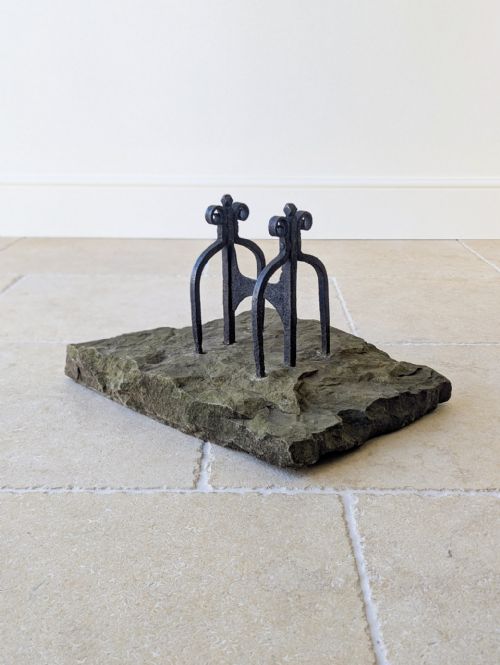
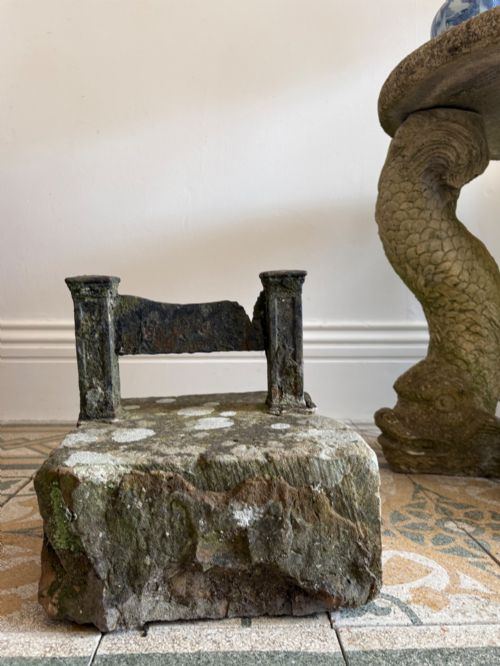
You will most commonly meet cast iron and wrought iron versions paired with stone blocks, designed for mounting near an entrance or stepping directly into the ground. Styles stretch across Victorian, Georgian, Regency and Gothic Revival designs.
How they were made
Makers utilised cast iron and wrought iron for the blades and frames, shaping metal through casting and hand-working techniques. Heavy forms often incorporate stone blocks such as Yorkstone or Bath Stone to anchor the metal securely.
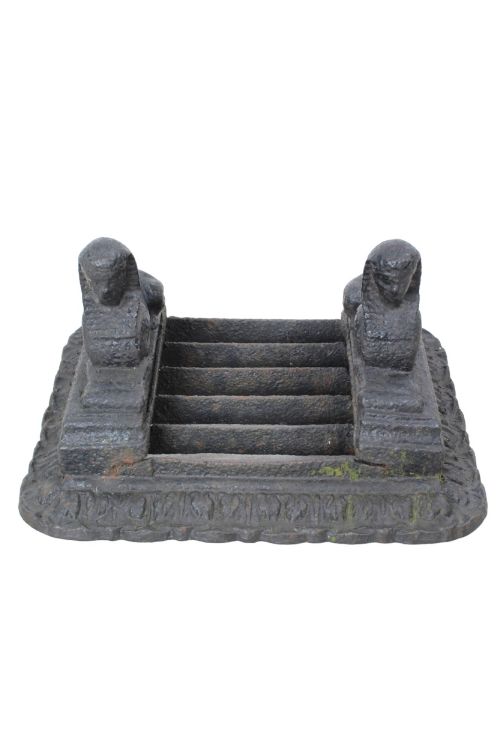
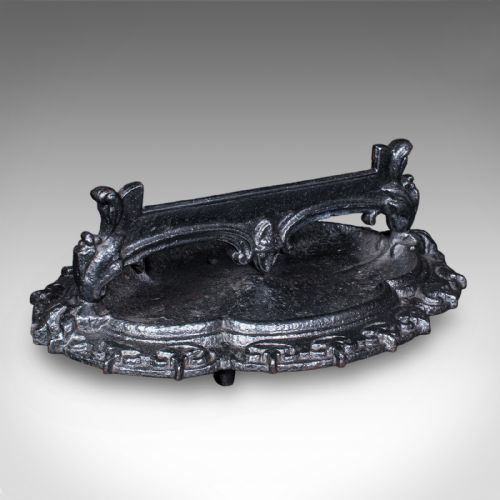
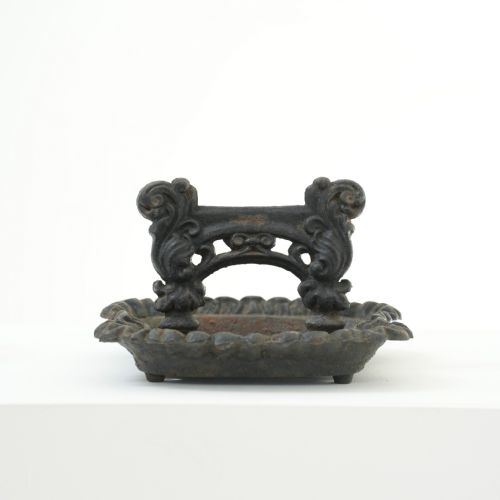
Design details range from plain utility blades to ornate models featuring decorative pulls, lions, unicorns and Gothic or Egyptian Revival motifs.
Listings span Victorian, Georgian, Regency, and 1900 periods, utilising cast iron, wrought iron, stone and Yorkstone.
What varies in quality
Quality separates through the weight and presence of the metalwork, alongside the quality of the supporting stone base. Pieces from significant makers or substantial country houses display more refined casting and architectural detailing.
The sophistication of the design dictates distinction, moving from simple utilitarian scrapers to elaborate architectural forms featuring integrated shoe pulls and ornamental beasts.
Coalbrookdale
The Antique Iron Boot Scraper Glossary
- Boot scraper
- An iron blade fixed outside a doorway designed for scraping mud off the soles of boots and shoes. It is usually anchored in stone or secured directly to masonry.
- Shoe pull
- An upright loop or handle attached beside the scraper to steady oneself while scraping or pulling off a boot. They appear frequently on townhouse and country house models.
- Cast iron
- Molten iron poured into a mould to form rigid shapes and decorative motifs. This material accounts for the majority of surviving examples on this page.
- Wrought iron
- Iron heated and hammered into shape by hand rather than poured into a mould. It provides fibrous strength for slender frames and scrolls.
- Yorkstone
- A tough British sandstone used as a heavy mounting block for iron scrapers. It grounds the metal securely outside a threshold.
Antique Iron Boot Scraper: Frequently Asked Questions
Where were antique iron boot scrapers placed?
These scrapers stand immediately outside exterior doorways, often flanking the entrance steps of townhouses and country houses.
Their positioning ensured visitors and residents cleared heavy mud from their footwear before stepping onto interior floors.
What is the difference between cast iron and wrought iron scrapers?
Cast iron pieces are formed by pouring molten metal into moulds, allowing for sculptural details like lions, unicorns and Gothic arches.
Wrought iron items are hand-forged by heating and hammering the metal, resulting in distinctive linear structures and scrolls.
How do I identify a Georgian boot scraper?
Georgian examples often feature restrained classical lines, severe architectural profiles and integration with heavy stone bases dating from the eighteenth century.
Later Victorian versions frequently incorporate more ornate decorative styling, such as Gothic Revival or Egyptian Revival motifs.
Did these pieces always have stone bases?
Many examples are inset directly into hewn stone blocks like Yorkstone or Bath Stone, while others were designed to mount into masonry or paving.
The heavy stone base provided the stability needed to withstand vigorous scraping.
What is a shoe pull?
A shoe pull is an integrated loop or handle attached alongside the scraping blade.
It allowed a person to steady their foot or assist in pulling off muddy boots before entering the house.