


Antique Irish Occasional Table
An antique irish occasional table brings centuries of cabinet-making skill into a room, offering both practical surface space and distinct regional character.
Antique Irish Occasional Table
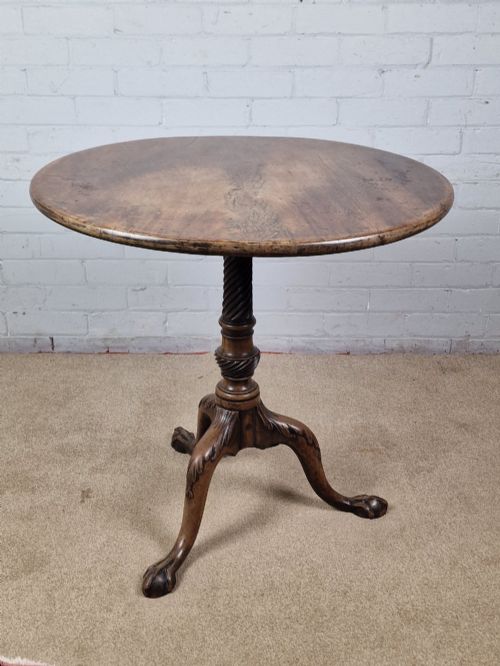
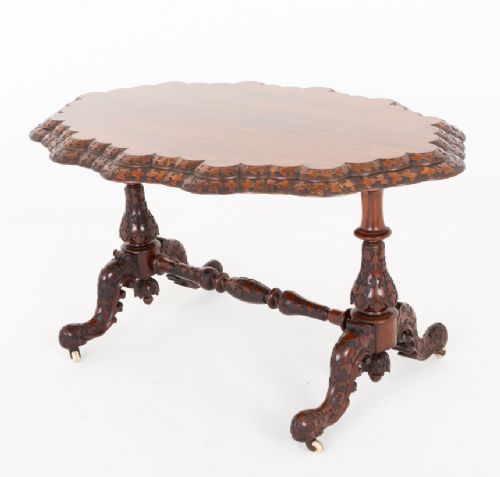
When you search for an antique irish occasional table, you encounter a diverse selection of small tables designed for specific domestic tasks. The inventory spans several distinct eras, incorporating Georgian, Victorian, and William IV pieces.
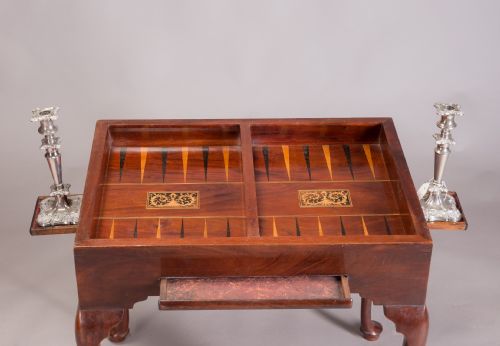
The forms range from tilt-top and tripod wine tables to centre tables, side tables, sofa tables, and nests of tables. Killarney ware examples also appear, alongside specialised pieces like teapoys and work tables.
Origins trace across the 18th and 19th centuries, including specific periods such as George II, George III, and George IV. Walnut, mahogany, rosewood, oak, and yew wood dominate the physical forms.
How they were made
Cabinet-makers utilised dense native and imported timbers, shaping mahogany, walnut, rosewood, oak, burr oak, pollard oak, and yew wood into sturdy frames and decorative surfaces. Marquetry and intricate inlay work distinguish specialised Killarney ware examples.
Structural elements frequently incorporated brass hardware, bone details, and hinged mechanisms for tilt-top and snap-top designs. Turning, carving, and tripod leg construction provided stability for smaller occasional surfaces.
Listings feature pieces spanning the 18th and 19th centuries, including Georgian and Victorian periods, constructed from mahogany, walnut, rosewood, oak, and yew wood.
What varies in quality
Quality rests in the choice of timber and the depth of figure in materials like burr walnut, burr oak, and pollard oak. Exceptional patination and rich colour separate standard items from superior pieces.
The refinement of carved details, such as the ornamentation on silver tables and centre tables, dictates the grade of craftsmanship. Maker attribution or stamps from known workshops further influence the standing of an individual table.
Strahan of Dublin·Gillington of Dublin
The Antique Irish Occasional Table Glossary
- Tilt Top Table
- A table with a hinged top that rotates to a vertical position when not in use. This mechanism allowed the furniture to be stored compactly against a wall.
- Teapoy
- A small stand or box designed to hold tea canisters and brewing equipment. These pieces often feature interior compartments and sturdy pedestal bases.
- Silver Table
- A display table with a raised gallery edge intended for holding silver items or tea services. Georgian makers frequently carved these with ornate detailing.
- Killarney Ware
- Decorative furniture produced in County Killarney, typically characterised by elaborate marquetry using native timbers like arbutus and yew. Chess boards and floral motifs frequently decorate the surfaces.
- Pollard Oak
- Timber taken from trees that were pollarded, resulting in a dense, highly figured grain pattern. Cabinet-makers utilised this wood for distinctive occasional table tops.
- Snap Top Table
- A table top secured by a catch mechanism that locks the surface flat or releases it to tilt. It shares similarities with the tilt-top form.
Antique Irish Occasional Table: Frequently Asked Questions
What is an antique irish occasional table?
These are small movable tables built during the Georgian and Victorian eras by Irish cabinet-makers. They include forms such as wine tables, sofa tables, and centre tables.
Craftsmen utilised timbers like mahogany, walnut, and rosewood, often incorporating intricate carving or marquetry inlay.
How were these tables used?
Owners placed them around reception rooms for specific tasks such as serving tea, holding silver, playing games, or needlework. Tilt-top and snap-top versions allowed the furniture to be moved aside when floor space was needed.
Specialised forms like teapoys and work tables provided enclosed storage for small personal items.
How do I identify a Killarney ware table?
Killarney ware pieces feature distinct marquetry surfaces constructed from multiple native woods, including yew and arbutus. Chess boards and intricate botanical motifs are common decorative elements on these Victorian items.
The use of local timber marks them out from standard domestic furniture.
How do I care for a mahogany or walnut table?
Keep the wood away from direct heat sources and strong sunlight to prevent the timber from drying out or fading. Regular dusting with a soft, dry cloth preserves the finish and patination.
Avoid using silicone-based polishes that can damage antique surfaces over time.