


Antique Irish Dining Table
These heavy timbers form an antique irish dining table, built for long evenings and built to last through generations of family life.

Antique Irish Dining Table
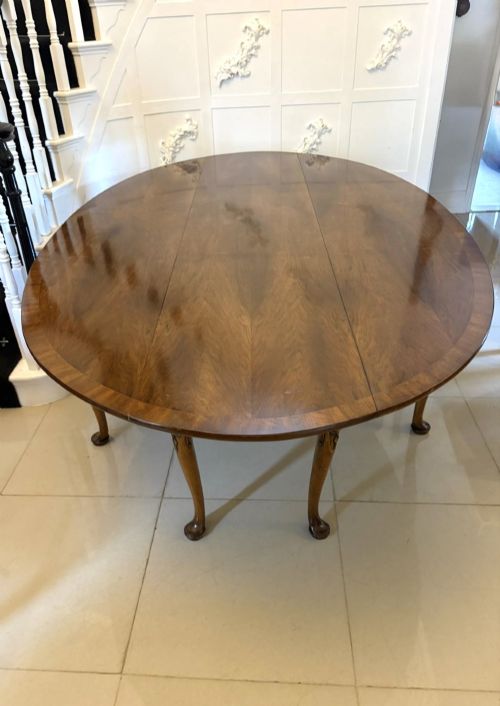
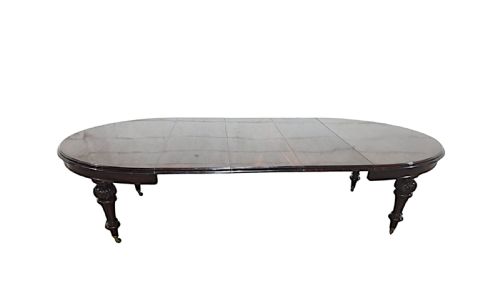
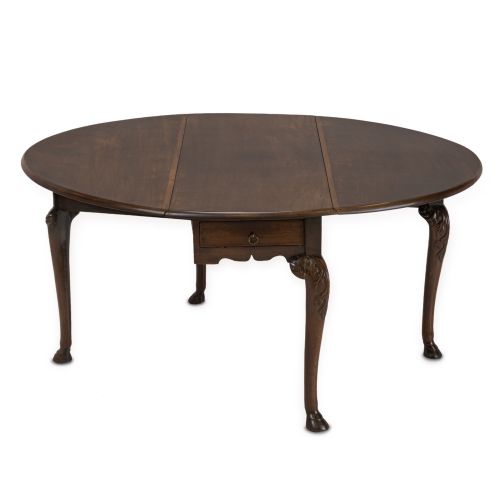
An antique irish dining table brings substantial presence to a room, appearing in forms from expansive multi-pedestal arrangements down to adaptable drop-leaf designs and large gate-leg wake tables. These pieces emerge predominantly from the eighteenth and nineteenth centuries, spanning Georgian, Regency, and Victorian eras.
The materials that shape these tables include rich mahogany, walnut, oak, and occasional rosewood, reflecting the preferences of cabinet makers working in Dublin and regional workshops. Buyers will find extendable versions with extra leaves alongside fixed-form dining and serving tables designed for large gatherings.
Makers often utilised clever mechanisms, resulting in metamorphic formats that adapt easily to changing numbers of diners. The scale ranges from intimate seating for six up to monumental proportions accommodating over twenty guests.
How they were made
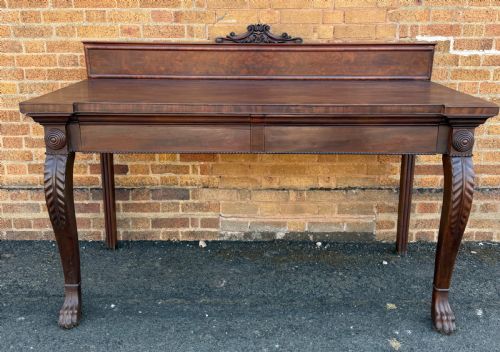
Makers selected dense hardwoods such as mahogany, oak, and walnut, often employing figured veneers to create striking grain patterns across large tabletops. Structural integrity relied on solid timber framing, sturdy pedestals, and robust cabriole legs terminating in hoof or claw feet.
Joinery techniques included traditional mortise and tenon frames, drop-leaf hinges, and sliding runner systems to support multiple extension leaves. Hand-carved decorative motifs, parcel-gilding, and brass fittings completed the construction, balancing functional adaptability with refined design.
Some tables extend so far they require an entire battalion of leaves just to reach dinner.
What varies in quality
Quality rests in the selection of the timber, where heavily figured mahogany or burr walnut displays superior depth and grain continuity across added leaves. The ambition of the design dictates value, distinguishing standard utilitarian boards from grand multi-pedestal tables with intricate carving and substantial scale.
The integrity of the mechanism sets finer examples apart, particularly in metamorphic or extending tables where smooth operation reflects high-grade cabinet making. Original proportions, uncompromised patination, and the retention of matching leaves elevate a piece far above altered or heavily restored equivalents.
William and Gibton·Mack Williams and Gibton·The Woodworkers Ltd Kilkenny
The Antique Irish Dining Table Glossary
- Wake table
- An extra-large drop-leaf or gate-leg table traditionally used for gatherings, offering generous seating capacity when fully opened. These tables feature long leaves supported by multiple swing legs.
- Drop-leaf table
- A table with a fixed centre section and hinged flaps on either side that fold down when not in use. This format allows the furniture to save space against a wall.
- Pedestal table
- A table supported by one or more central pillars rather than four corner legs, often standing on splayed brass-capped legs with castors. This design provides maximum legroom for seated guests.
- Metamorphic furniture
- Pieces engineered to transform from one form or size into another through clever mechanical design. These versatile items adapt between console, serving, and full dining configurations.
- D-end table
- A dining table whose end sections form a semicircle resembling the letter D, often used as part of a modular dining suite with a central drop-leaf section. When separated, these ends function as side tables against a wall.
Antique Irish Dining Table: Frequently Asked Questions
How do I seat twenty people?
Look for multi-pedestal tables or large wake tables that accommodate numerous leaves. These formats were specifically built to extend significantly for major gatherings.
Ensure your dining space allows sufficient clearance around the perimeter once the table reaches its maximum length.
What is a wake table?
A wake table is an exceptionally long drop-leaf or gate-leg table designed to seat large numbers of people. They typically feature numerous legs to support the extended leaves safely.
These pieces offer a practical solution for modern hosts who enjoy entertaining large groups around a single timber surface.
How do I spot a Regency table?
Regency tables frequently showcase pillar and claw pedestals, bold mahogany grain, and classical proportions inspired by ancient Greek and Roman design. Look for brass toe caps and castors beneath splayed legs.
They date from the early nineteenth century and often include clever mechanisms for adding extra leaves.
How do I care for mahogany?
Keep wooden surfaces away from direct heat sources and strong sunlight to prevent the timber from drying out or fading. Use coasters and placemats to protect the polished finish from moisture and heat.
Apply a quality beeswax polish occasionally to nourish the grain and maintain a natural lustre.