



Antique Intaglio Jewellery
Antique intaglio jewellery comprises carved gemstones mounted in gold, silver, and steel, prized for bearing ancient motifs and personal ciphers.
Antique Intaglio Jewellery
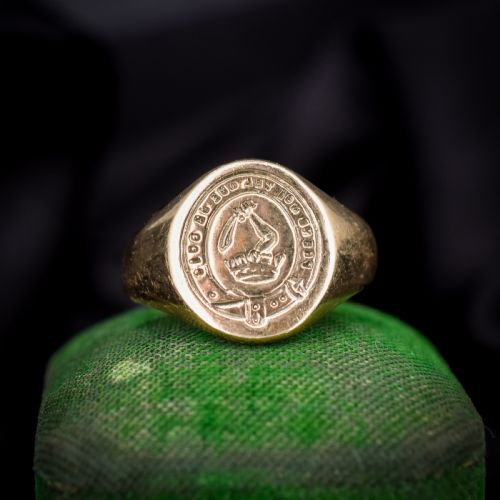
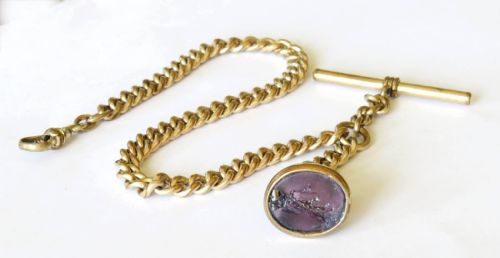
Antique intaglio jewellery encompasses rings, fob seals, pendants, charms, and brooches set with carved hardstones. Buyers encounter pieces spanning from the late medieval period through the Georgian, Victorian, and Edwardian eras up to the Art Deco years.
The most common forms on this page include swivel and stationary fob seals alongside signet rings, frequently housing stones carved with classical figures, portraits, crests, or mottoes.
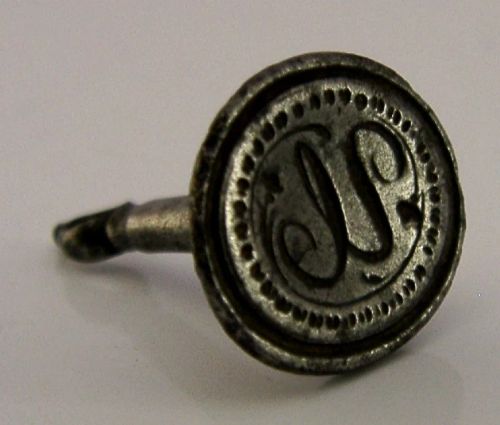
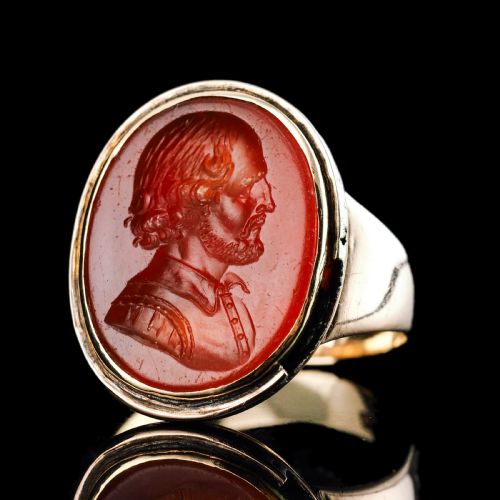
Materials range from early bronze and cut steel to high-karat gold set with carnelian, bloodstone, chalcedony, rock crystal, and sardonyx. Stylistic influences draw heavily on classical revival themes alongside medieval motifs and later geometric designs.
Materials and construction
Craftsmen shaped hardstones such as carnelian, chalcedony, bloodstone, and agate using abrasive wheel cutting techniques to sink intricate intaglio designs into the polished face of the gem.
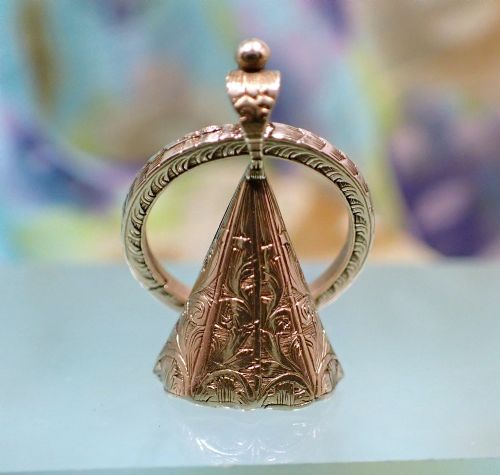
Mountings utilise yellow gold, ranging from nine to eighteen karats, alongside silver, rolled gold, gilt metal, and cut steel, often shaped into ornate bezels or swivel frames to allow the seal to reverse.
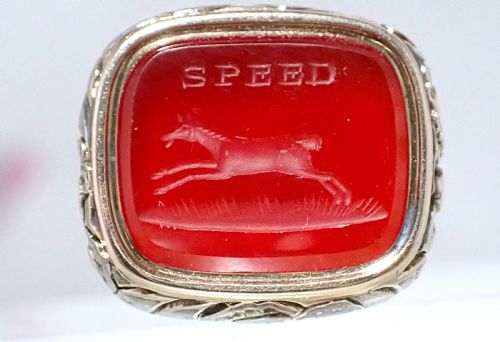
Several pieces preserve personal messages in wax, including a fob seal inscribed with the single urgent word "SPEED" alongside a carved horse.
Assessing quality and execution
Quality rests principally upon the crispness and depth of the stone carving, where superior pieces exhibit fine anatomical detail, sharp lettering, and secure bezel settings.
The choice of mount material and the presence of fully articulated or ornate chasing on the gold and silver fob frames further distinguish higher-tier examples from standard workshop production.
The Antique Intaglio Jewellery Glossary
- Intaglio
- A gemstone or metal surface carved with a sunken design so that it leaves a raised impression when pressed into sealing wax. This technique reverses the motif for stamping purposes.
- Fob seal
- A small pendant designed to hang from a watch chain, featuring a carved stone matrix at the base for impressing wax. These served practical administrative functions before the widespread use of envelopes.
- Carnelian
- A brownish-red variety of the mineral chalcedony, commonly utilised for intaglio rings and seals due to its durability and rich colour.
- Essex crystal
- A technique where a rock crystal cabochon is reverse-carved and painted on the flat back to create a three-dimensional illusion when viewed from the front.
Antique Intaglio Jewellery: Frequently Asked Questions
What is antique intaglio jewellery?
Antique intaglio jewellery consists of wearable ornaments, such as rings, pendants, and watch fobs, featuring gemstones or metals carved with a sunken design. These pieces function both as personal adornment and historical signets.
Originating across several centuries, these items often display heraldic crests, classical portraits, or mottoes carved into stones like carnelian and bloodstone.
How were fob seals used?
Fob seals were suspended from pocket watch chains and carried by gentlemen and ladies to authenticate letters and documents. The carved stone base was pressed into hot sealing wax to leave an impression.
Many examples feature swivel mechanisms allowing the wearer to display either a blank face, a monogram, or a detailed figurative intaglio.
What stones appear in these pieces?
Common stones include carnelian, bloodstone, chalcedony, sardonyx, agate, and rock crystal. These hardstones were selected for their hardness and colour.
Makers also utilised metals such as gold, silver, bronze, and cut steel to frame the carved gems.
How do I date an intaglio ring?
Dating relies upon the style of the stone carving, the metallurgical composition of the mount, and the overall silhouette of the setting. Georgian and Victorian pieces often display distinct neoclassical motifs.
Hallmarks stamped on gold or silver mounts provide specific assay office dates, though many earlier swivel seals remain unmarked.