
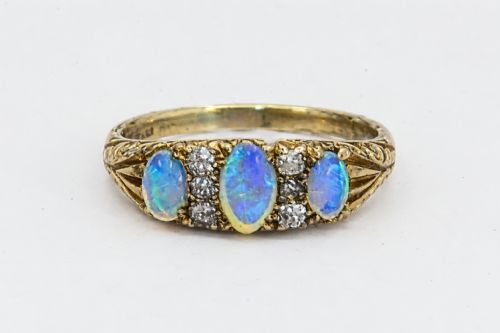
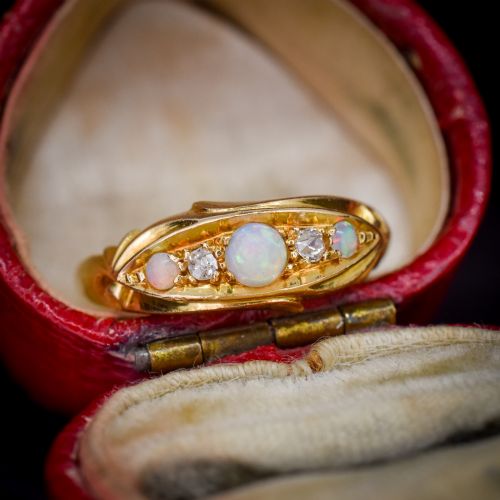
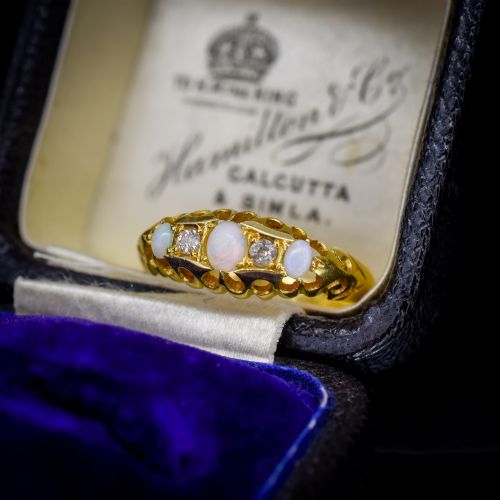
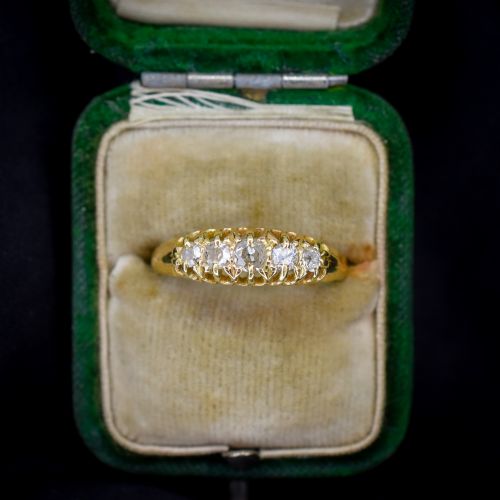

Carved Stone Ring
A carved stone ring brings together the lapidary skill of intaglio and cameo work with the rich weight of 18ct yellow gold.
Carved Stone Ring
A carved stone ring is a piece of jewellery featuring a gemstone shaped with a cameo or intaglio motif, set within gold bands that frequently date from the Victorian, Edwardian, and Georgian periods. When searching this phrase, a buyer encounters examples ranging from hardstone cameos depicting classical figures to ancient-style intaglios mounted securely in precious metal.
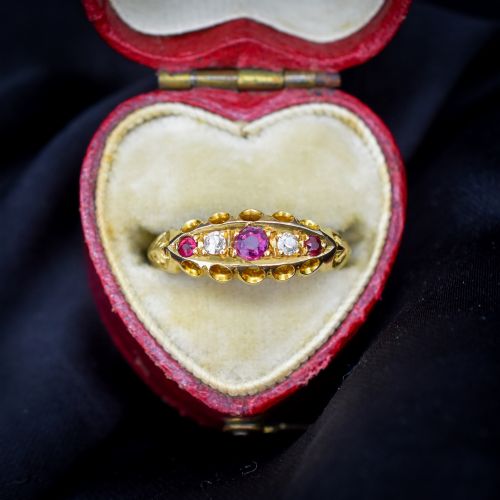
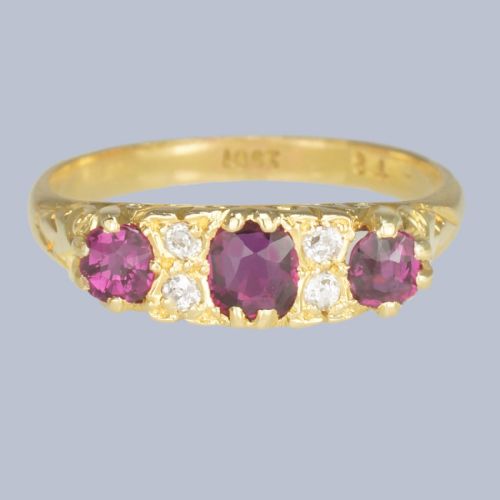
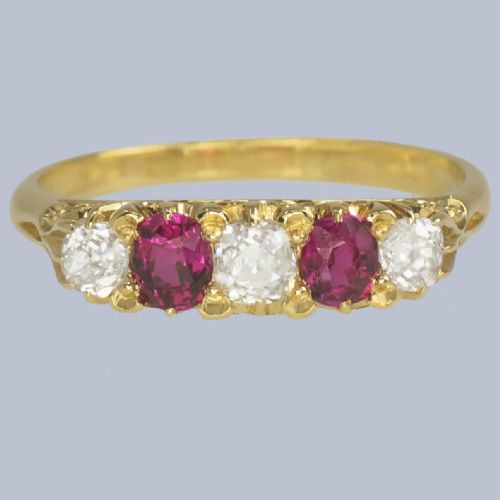
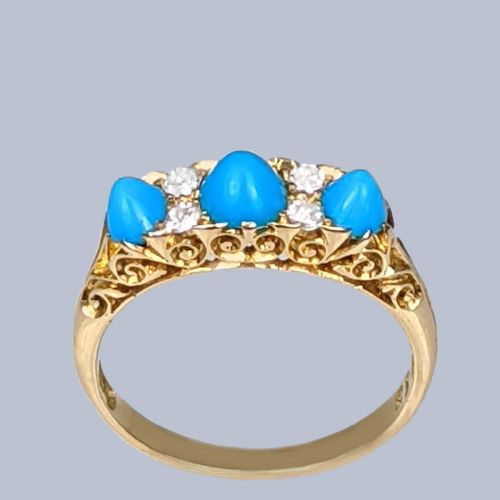
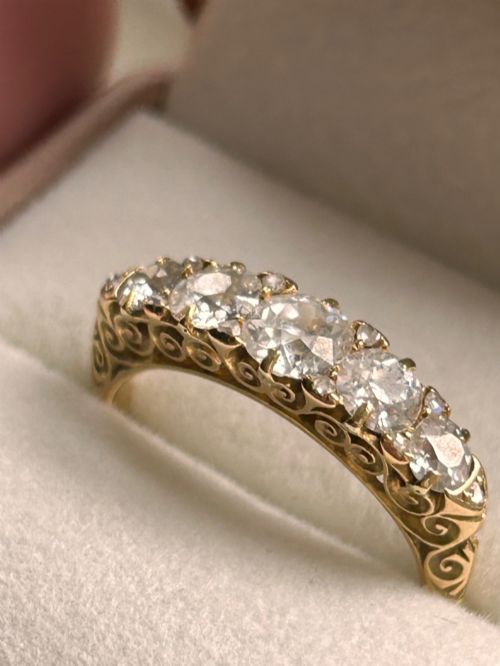
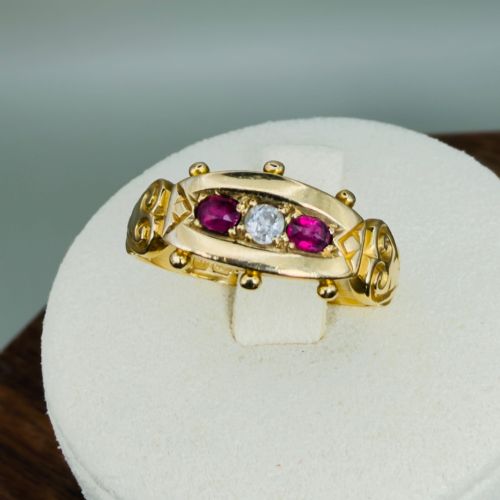
The selections on this page lean heavily towards late nineteenth and early twentieth-century British workshop production, alongside Georgian hardstone pieces and mid-century items. These rings present various configurations, from single stone swivel mounts to cluster settings flanked by diamonds and rubies.
How they were made
The materials recorded in these listings centre on 18ct yellow gold paired with hardstone, agate, or chalcedony, augmented occasionally by gemstones such as diamond, ruby, and turquoise. Artisans carved motifs directly into the layered stone using specialised miniature drills and abrasives, exploiting natural colour variations within the material to create depth in cameos.
Settings employ traditional claw, bezel, and gypsy mounting techniques designed to hold the carved stone firmly in place while exposing the relief work. Hallmarks stamped into the gold bands provide clear records of assay offices in cities such as Birmingham and Chester during the Victorian and Edwardian eras.
Some antique rings double as secret seals, carved so deeply that their owners could stamp hot red sealing wax on letters.
What varies in quality
Quality in a carved stone ring rests primarily upon the crispness and anatomical accuracy of the lapidary carving itself. Superior pieces exhibit fine detail in facial expressions, drapery, or heraldic motifs, whereas lesser examples show softer edges and shallower incisions.
The choice and integration of secondary gemstones, such as matched old cut diamonds or vibrant rubies surrounding the central carved stone, also dictate the overall standard. Weight and gauge of the 18ct gold shank contribute to the durability and perceived substance of the ring.
The Carved Stone Ring Glossary
- Cameo
- A method of carving where the relief design projects upward from a background of a contrasting colour. This technique often utilises layered agate or shell.
- Intaglio
- A design incised into the surface of a gemstone so that an impression pressed into wax yields a relief. These served historically as personal seals.
- Hardstone
- A term for semi-precious stones harder than ordinary marble, including agate, jasper, and onyx, commonly utilised for glyptic art.
- Boat ring
- A ring style featuring a navette-shaped setting stretching horizontally across the finger, typical of the Georgian and Edwardian periods.
- Gypsy ring
- A band ring where the gemstones are flush-set directly into thick gold, sloping smoothly down to the finger.
Carved Stone Ring: Frequently Asked Questions
How do I care for a carved stone ring?
Wear the ring with care during physical tasks, as hardstones can chip or scratch upon impact with harder surfaces.
Clean the piece gently using warm soapy water and a soft brush, avoiding harsh chemical dips that might damage softer stones or gold settings.
Can these rings be resized safely?
Most 18ct gold rings can be altered by a skilled jeweller who understands antique construction methods.
Take care not to expose heat-sensitive stones like turquoise or opal to the torch during the resizing process.
What periods do these rings come from?
The listings encompass items spanning from the Georgian era through Victorian, Edwardian, and mid-century decades.
British hallmarking often permits precise dating of the gold mount to specific assay years.
Are intaglios and cameos different?
Yes, cameos feature motifs carved in relief that stand proud of the background surface.
Intaglios are sunken engravings carved into the stone so the design appears hollowed out.