


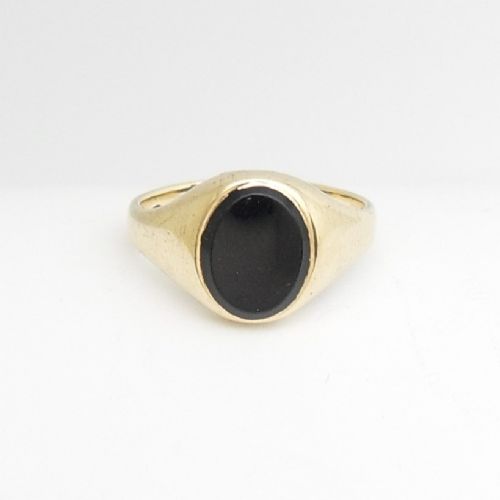


Gold Seal Ring
A gold seal ring is a traditional band set with a carved stone or engraved metal face, prized for both historic utility and enduring style.
What these pieces are
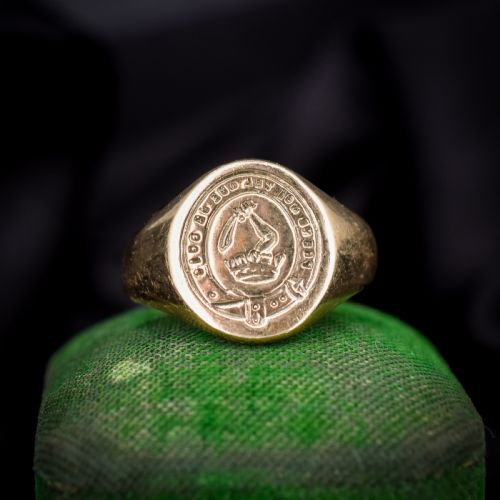
A gold seal ring combines a durable band with a flat or intaglio face originally used for pressing into hot wax to stamp documents and correspondence. These wearable pieces of history carry personal monograms, carved crests, or inset gemstones designed to leave a distinct impression.
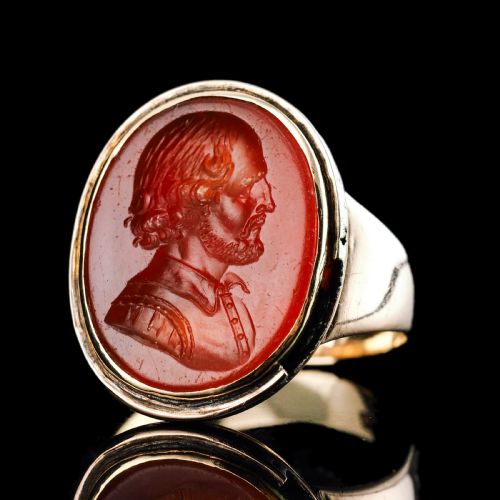
The gold seal ring examples found across our pages span several distinct eras, including Georgian, Edwardian, and 1940s periods. Buyers will encounter both classical intaglio designs cut directly into hardstone and bolder signet ring forms shaped from yellow or rose gold.
Makers utilised various precious metals, incorporating materials such as bloodstone, black onyx, and diamonds alongside solid gold bands. Each piece reflects the aesthetic preferences of its decade, shifting from intricate classical revival motifs to robust mid-century retro styling.
How they were made
Goldsmiths worked with fifteen-carat rose gold, fourteen-carat yellow gold, and eighteen-carat gold to cast or forge the heavy bands required for daily wear and pressure sealing. Metalwork techniques involved shaping solid gold into robust signet shoulders and secure bezel settings.
Lapidaries carved intaglio designs in reverse directly into hardstones such as bloodstone and black onyx so that the resulting wax impression appeared the right way round. Selected stones were then neatly flush-mounted or elevated within gold claws alongside small accent diamonds.
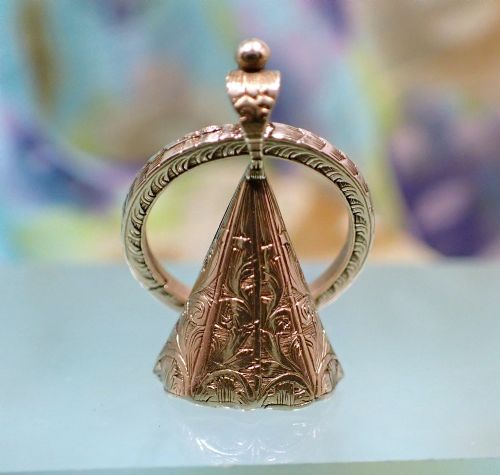
Some antique swivel rings allowed the wearer to carry two distinct seals on one finger, effectively doubling down on administrative multitasking.
What varies in quality
Quality rests upon the crispness of the intaglio carving and the depth of the metal engraving, where sharper lines produce a cleaner stamp in wax. Superior examples demonstrate confident craftsmanship in the reverse lettering or heraldic detail.
The choice and condition of the set gemstone heavily influence the standing of a piece, with unblemished bloodstone and rich black onyx commanding attention. Heavier gauge gold settings that resist thinning over generations also distinguish finer examples from lighter mass-produced alternatives.
The Gold Seal Ring Glossary
- Intaglio
- A design carved into the surface of a gemstone or metal so that the impression rises in relief when stamped into wax. This technique requires immense precision from the lapidary.
- Signet ring
- A ring bearing a crest, monogram, or engraved face traditionally used to sign documents. These pieces were often worn daily by individuals of standing.
- Bloodstone
- A dark green chalcedony flecked with red jasper spots, frequently chosen for seal rings due to its hardness and striking appearance. It provides a stable dark canvas for detailed engraving.
- Swivel ring
- A ring construction featuring a central bezel that rotates on an axis, allowing the wearer to display either of two different seal faces. This versatile mechanism was popular in the Georgian era.
Frequently Asked Questions
What is a gold seal ring used for?
A gold seal ring was historically utilised as a personal stamp for authenticating letters and legal documents by pressing the engraved face into hot wax. The inverted carving left a raised, recognisable impression that confirmed the sender's identity.
Today, these rings are worn primarily as decorative jewellery and personal accessories. They retain their historic charm while serving as everyday statement pieces.
How do I date a gold seal ring?
Dating a gold seal ring involves examining the hallmarks, metal purity, and stylistic cues characteristic of specific eras like the Georgian or Edwardian periods. Distinctive design choices, such as swivel mechanisms or specific gemstone cuts, point towards particular decades of manufacture.
Consulting the specific materials used, such as fifteen-carat rose gold or fourteen-carat yellow gold, also helps narrow down the timeframe. Comparing the engraving style against known historical examples provides further clarity.
How do I care for a vintage gold seal ring?
Caring for a vintage gold seal ring requires gentle cleaning with warm soapy water and a soft brush to protect softer gemstones like bloodstone or onyx. Avoiding harsh chemical dips ensures the precious metals and inset diamonds remain undamaged.
Store the ring separately from harder jewellery to prevent scratches on the gold band or the engraved stone face. Regular checks by a jeweller will ensure the settings remain secure.