



Antique Indian Light Base
These antique indian light base pieces bring hand-painted colour and carved form into a room.
Antique Indian Light Base
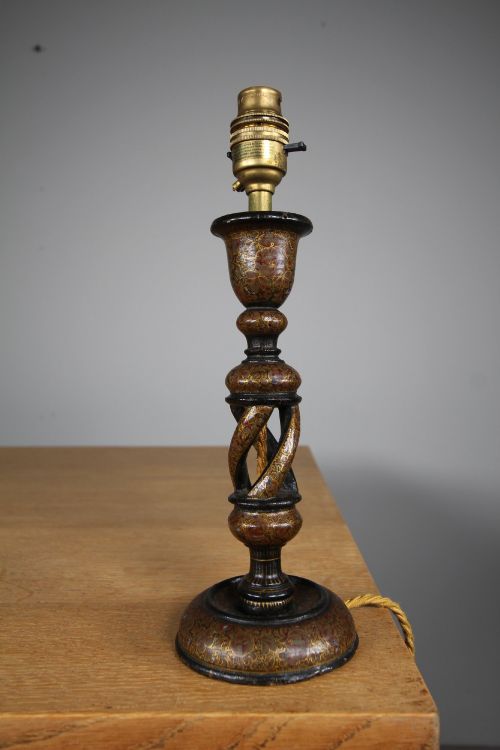
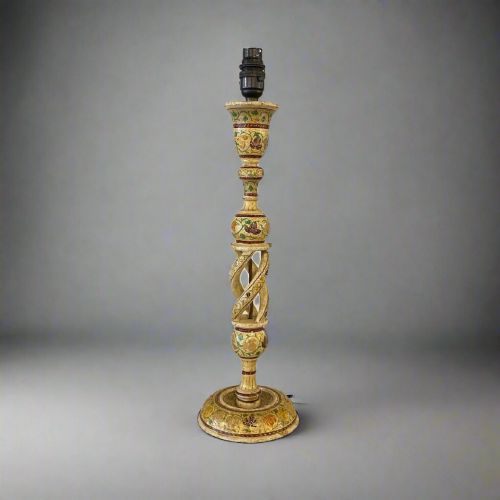
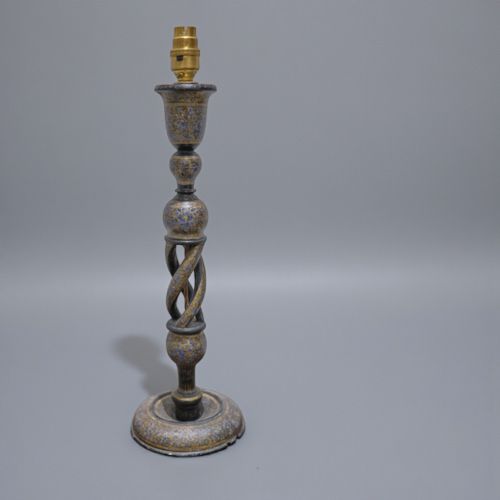
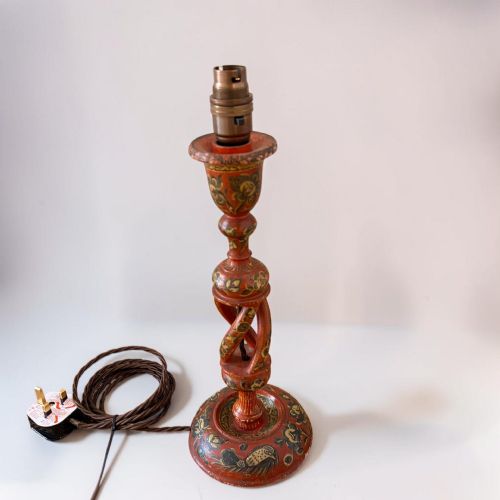
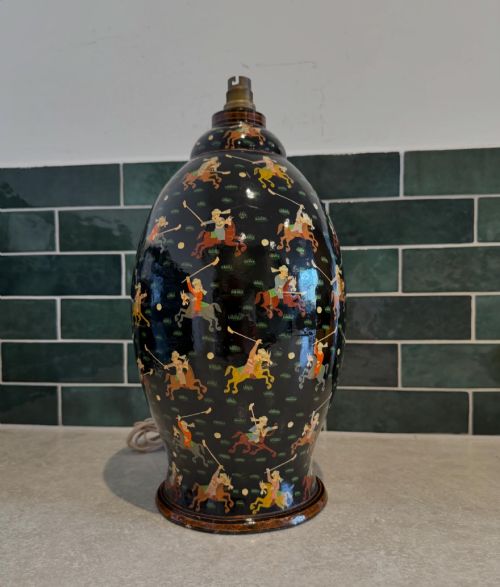
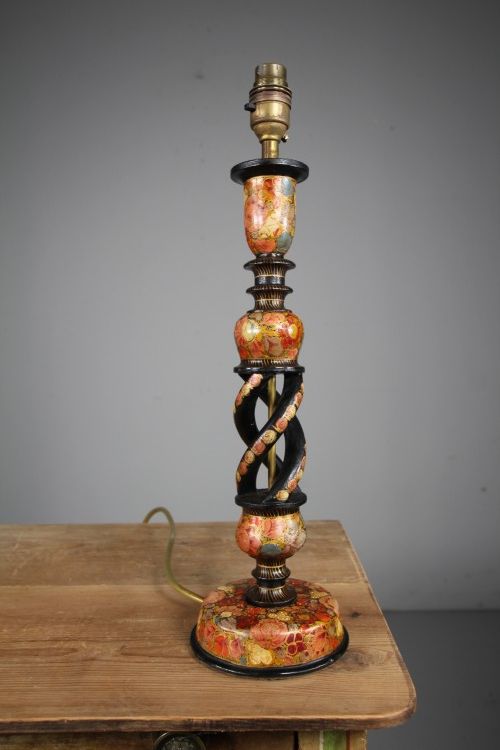
An antique indian light base serves as a table lamp, often formed from turned wood or papier-mache. These items originate predominantly from Kashmir, bringing regional decorative traditions into domestic lighting.
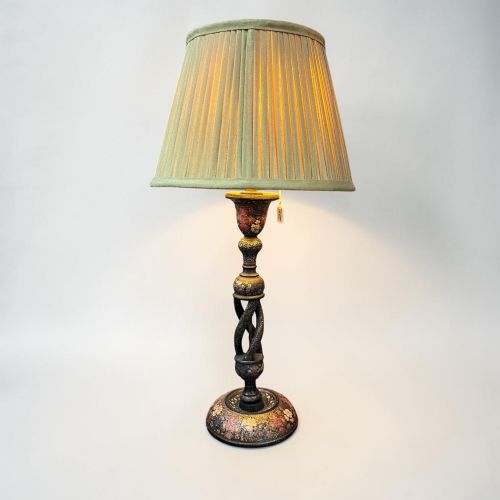
Most examples found on this page date from the Victorian era through the early decades of the twentieth century, including the 1900s, 1910s, and 1920s. Buyers frequently encounter tall twist designs and hand-painted surface decoration among these listings.
How they were made
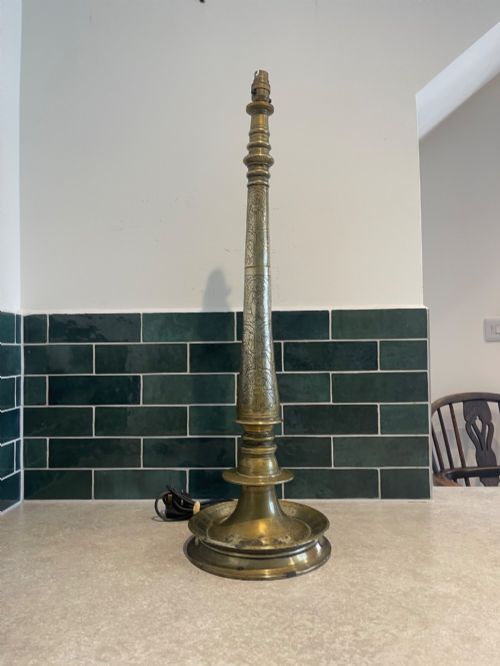
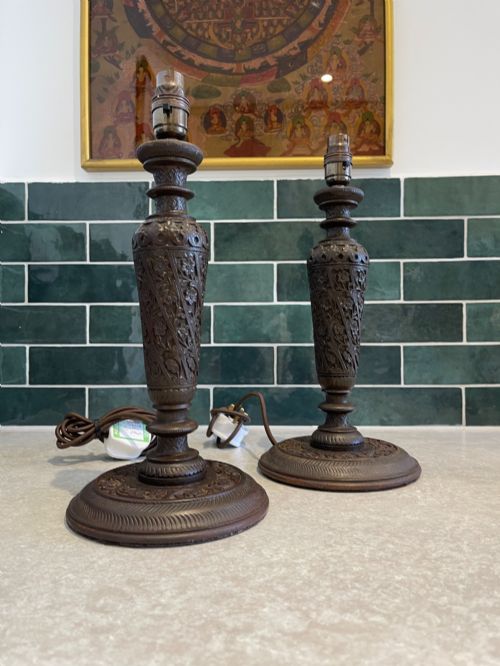
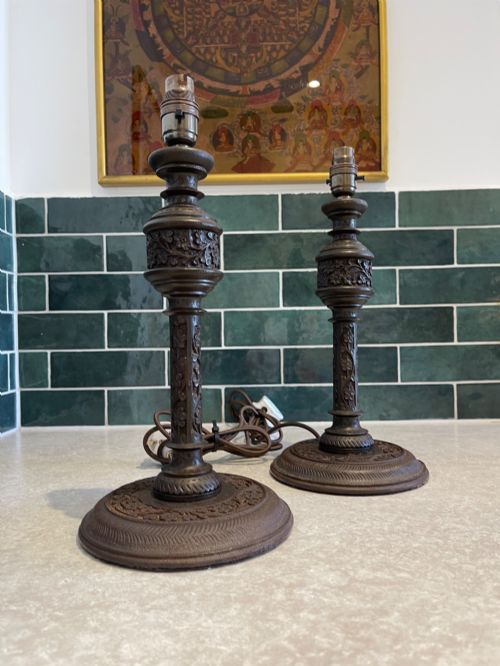
Artisans shape these lamp bases using wood, such as walnut, alongside papier-mache and brass. Turned wood techniques create balanced vertical forms like the tall twist designs seen in many pieces.
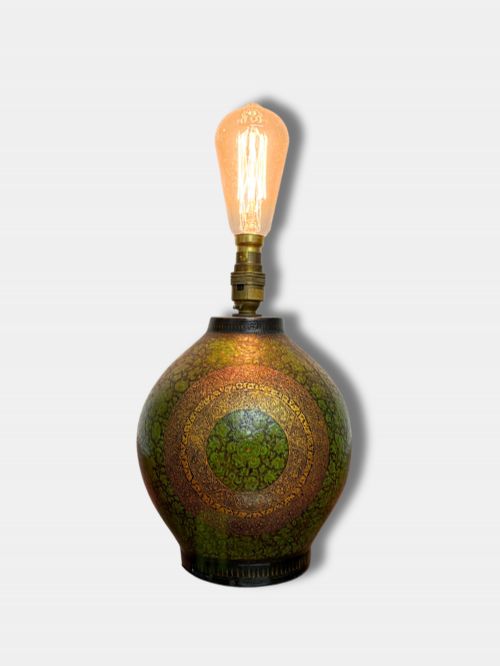
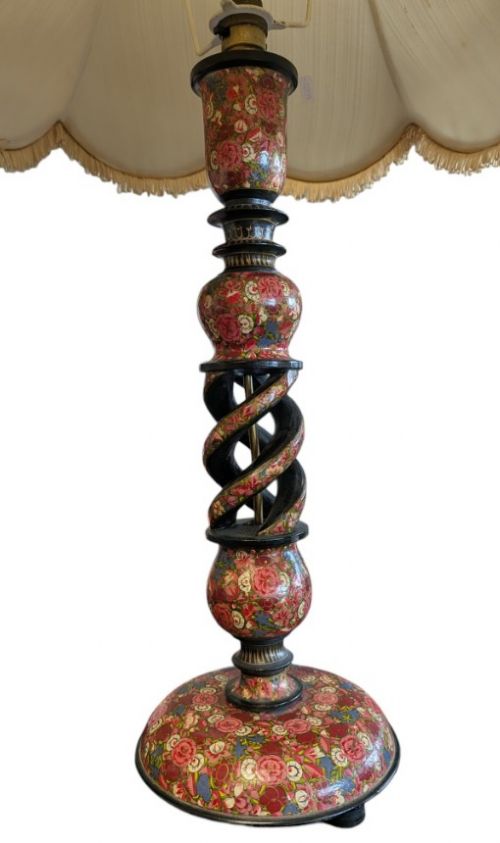
Makers apply hand-painted details and gilt gold to the surfaces, particularly on Kashmiri papier-mache and wooden bodies. Fabric components also appear as part of the wider lighting assemblies.
Antique Indian Light Base Retail Price Guide 2026
Typical asking prices for indian light base among the pieces listed under this phrase on Sellingantiques today, from the lower quarter to the upper quarter. They describe what is for sale here now, not the wider market.
Even tall twist lamps need a steady surface to prevent midday wobbles.
What varies in quality
The refinement of the hand-painted decoration determines the visual appeal of each lamp base. Rich colour palettes and intricate patterns separate finer artistic efforts from simpler decorative applications.
The complexity of the woodwork, such as deep carving in walnut or precise turning on twist columns, distinguishes superior examples. Material selection, including heavy brass or solid wood construction, dictates the physical presence of the object.
The Antique Indian Light Base Glossary
- Anglo-Indian
- A descriptive term for items produced in India during the British period, often combining local craftsmanship with British taste. These pieces incorporate regional materials and motifs.
- Papier-mache
- A composite material made of paper pulp reinforced with glue or resin, moulded and dried. This substance provides a smooth surface for detailed hand painting.
- Turned wood
- Wood shaped on a lathe to create symmetrical columns and twist profiles. This technique produces the slender silhouettes common in table lamps.
- Gilt gold
- A thin layer of gold applied to the surface of wood or papier-mache for decoration. This finish catches the light and highlights painted details.
Antique Indian Light Base: Frequently Asked Questions
What periods do these lamps come from?
The pieces date from the nineteenth century, including Victorian examples and the 1880s, through to the early decades of the twentieth century. Dates span the 1900s, 1910s, and 1920s.
This timeline captures the period of British interaction with Indian craft production, reflecting the styles popular in domestic interiors of those eras.
How were these lamps used originally?
These items functioned as table lamps to provide task and ambient illumination in domestic rooms. Their decorative bases served as visual centrepieces on side tables.
Many examples have been rewired for modern electrical use while retaining their original hand-painted and carved bodies.
What materials make up these light bases?
Makers utilised wood, including carved walnut and turned wood, alongside papier-mache and brass. Fabric elements also accompany certain lamp assemblies.
Surface decoration frequently involves hand-painted pigments and gilt gold applied over the base material.
How do Kashmiri and Anglo-Indian styles differ?
Kashmiri pieces focus heavily on papier-mache and hand-painted floral or decorative motifs. Anglo-Indian works often blend traditional Indian forms with British furnishing requirements.
Both styles utilise regional craftsmanship to create distinctive lighting pieces for the home.