
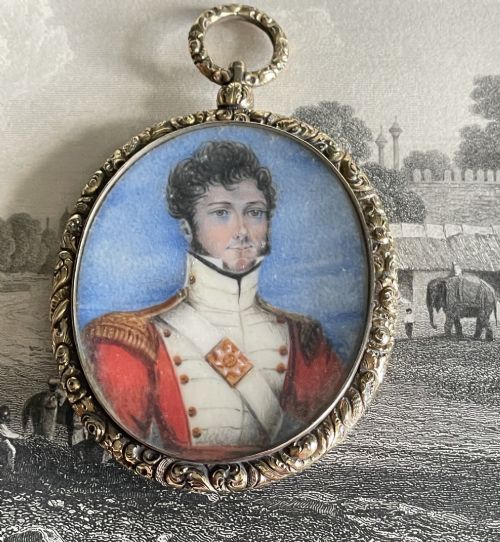


Antique Indian Frame
An antique Indian frame carries the hand of the subcontinent, housing everything from portraits to mirrors in carved hardwoods.
Antique Indian Frame
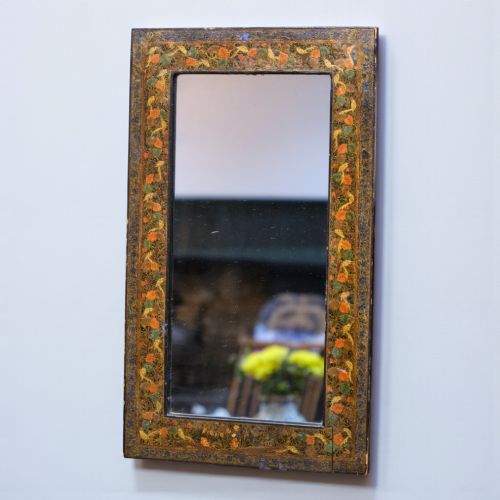
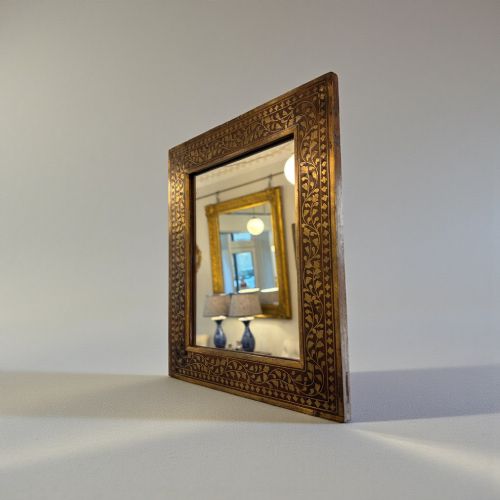
An antique Indian frame brings together architectural salvage, mirror surrounds and picture housings created across the nineteenth and early twentieth centuries. These pieces cross paths with Anglo-Indian, Mughal and traditional Indian styles, reflecting both local craftsmanship and British colonial taste.
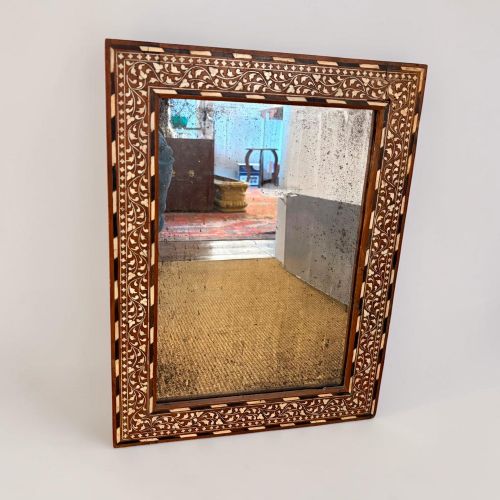
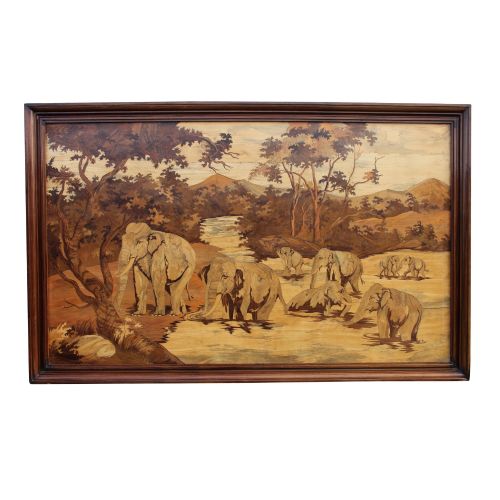
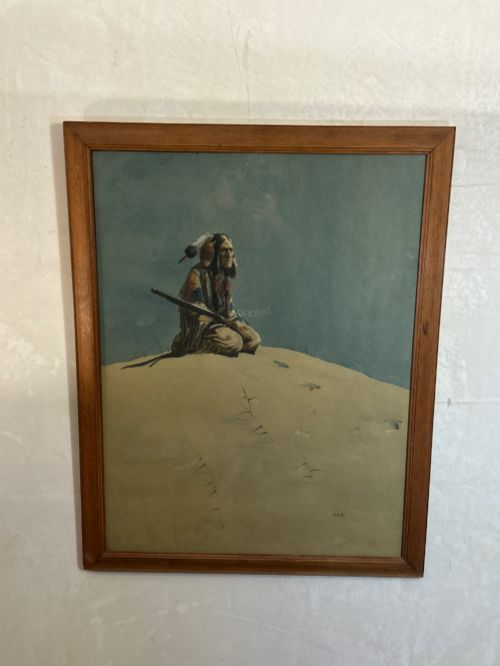
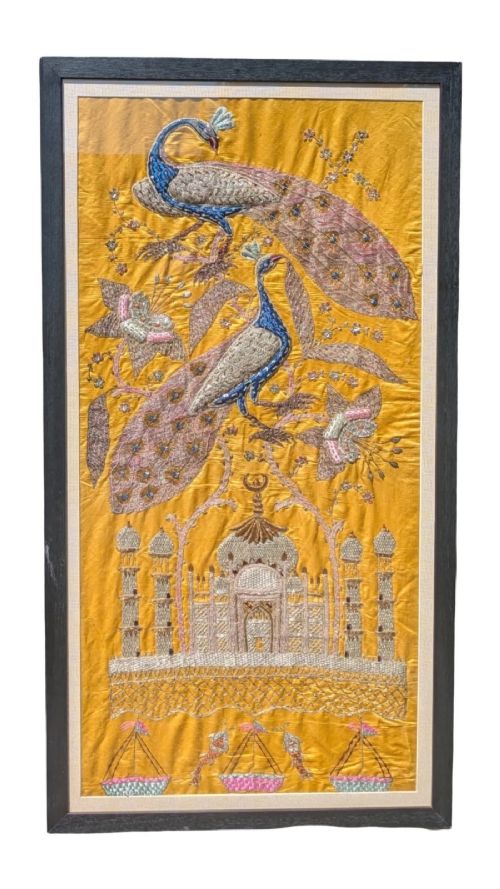
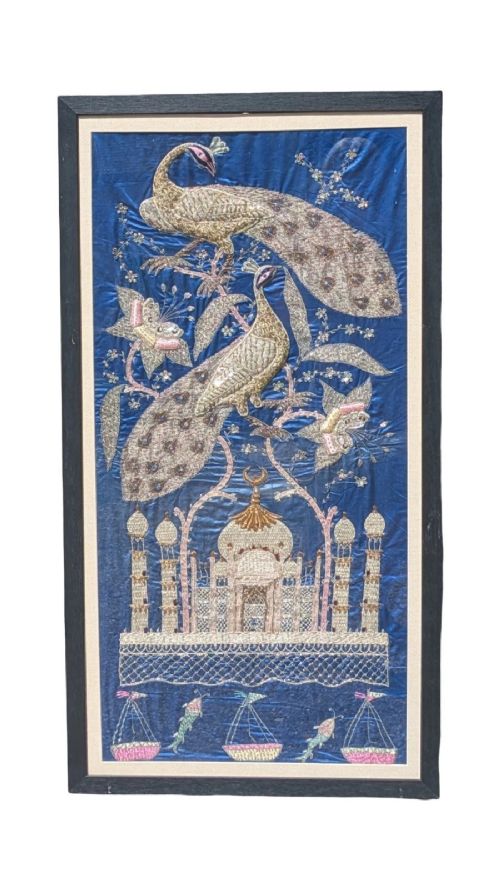
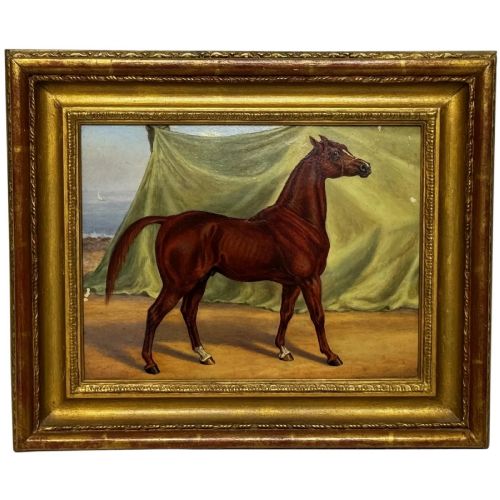
Mirrors form a large share of the selection, particularly pieces originating from Hoshiarpur featuring intricate surface work. Alongside these are framed paintings, watercolours, and textiles such as embroideries and screens displayed behind glass.
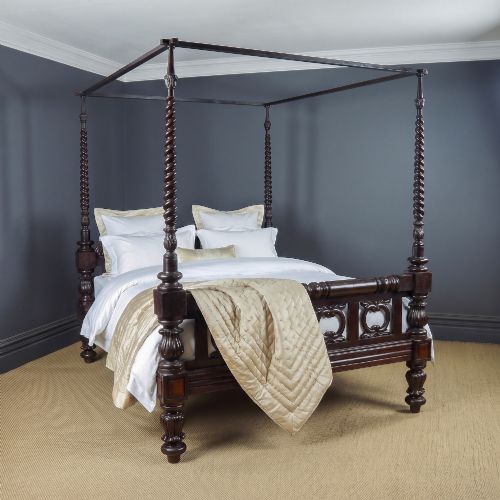
The objects span domestic furnishings and decorative items, including four-poster beds, chairs, and doors integrated into wall art. Dating ranges from the Regency period through Victorian and Edwardian eras up to the 1930s.
How they were made
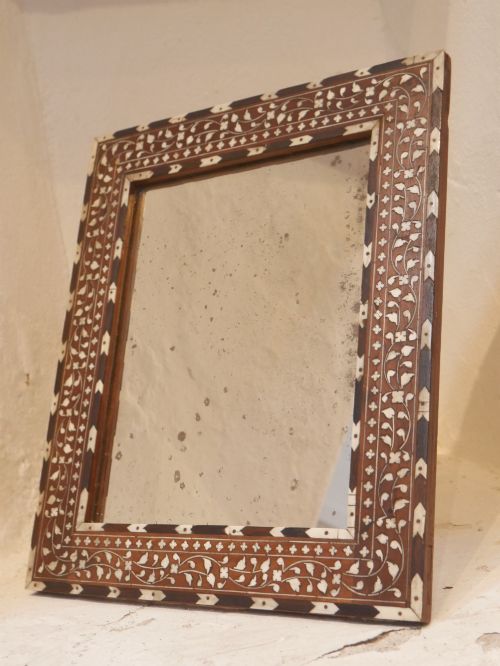
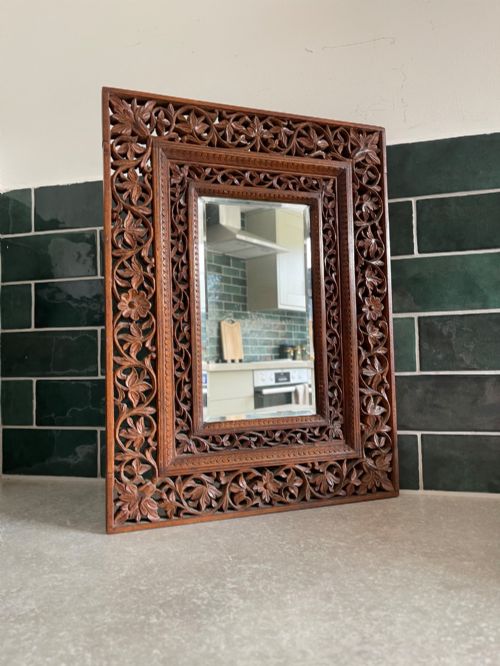
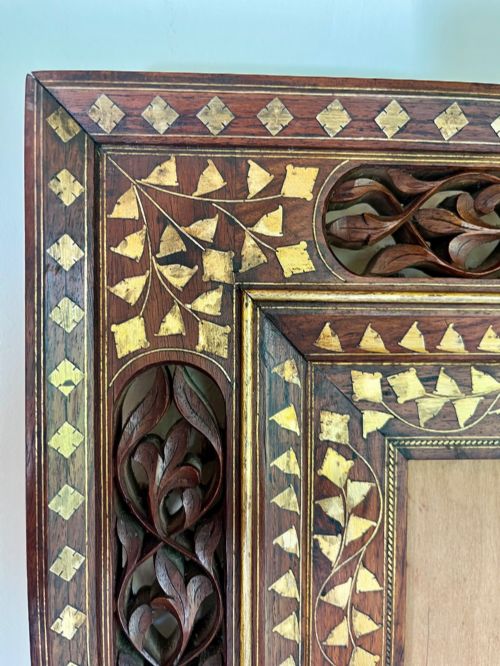
Timber selection relies heavily on dense regional woods such as teak, shisham, ebony, walnut and hardwood, often paired with brass wire, bone or ivory inlay. Artisans shaped these materials using deep relief carving, piercing and marquetry techniques.
Inlaid geometric and floral motifs define the Hoshiarpur work, contrasting with the smooth dark surfaces of colonial mahogany and ebony furniture. Paper, glass and silk serve as the primary media for the watercolours, gouache miniatures and embroideries held within the frames.
Materials span teak, ebony, walnut, brass, paper, glass and silk across items dated from the Regency era to the 1930s.
What varies in quality
The fineness of the carving and the complexity of the inlay separate standard items from superior examples. Dense, crisp execution in wood or brass wire shows the hand of a skilled workshop rather than simpler production.
The integrity of the structural frame and the survival of original decorative elements, such as inlaid panels or silk embroidered backgrounds, dictate the standing of an individual piece.
The Antique Indian Frame Glossary
- Hoshiarpur
- A city in Punjab known for woodwork, particularly the production of furniture and mirror frames decorated with intricate brass, bone or ivory inlay. Pieces from this centre often display dense geometric and floral patterns.
- Anglo-Indian
- A style describing objects made in India during the British period, combining local craftsmanship with European forms such as armchairs and four-poster beds. These items reflect the cultural exchange of the colonial era.
- Mughal
- Pertaining to the Muslim dynasty that ruled large parts of India from the sixteenth to the nineteenth century, influencing miniature painting styles and decorative arts. Artworks from this tradition often depict court scenes, rulers and landscapes.
- Marquetry
- The art and craft of applying pieces of veneer to a structure to form decorative patterns, pictures or designs. In these listings, it appears on wooden panels depicting animals and scenes.
- Gouache
- An opaque water-based paint method used widely in Indian miniature paintings. It allows for rich, flat areas of colour and fine linear detail.
Antique Indian Frame: Frequently Asked Questions
How do I identify Hoshiarpur work?
Hoshiarpur pieces are recognised by their dense surface ornamentation using brass, bone or ivory inlaid into dark woods like shisham. The patterns typically feature intricate geometric or floral designs covering the entire wooden body.
Such work originates from the Punjab region and appears frequently on mirrors, frames and occasional furniture from the late nineteenth and early twentieth centuries.
What is Anglo-Indian furniture?
Anglo-Indian furniture consists of pieces made in India by local craftsmen for British residents, combining traditional Indian carving techniques with Western forms. Common examples include armchairs, folding chairs and large four-poster beds.
These items utilise native timbers such as teak, ebony and hardwood, often displaying deep relief carving or turned wooden elements.
How should I care for wooden frames with inlay?
Maintain these items by keeping them away from direct sunlight and sudden temperature changes, which can dry out the timber and loosen delicate brass or bone inlay. Dust gently with a dry, soft cloth.
Avoid using liquid polishes or moisture, as these can seep into the carved recesses and damage the vulnerable organic materials used in the construction.
What periods do these pieces date from?
The selection spans the nineteenth and early twentieth centuries, covering the Victorian and Edwardian eras alongside specific design periods like Regency. Many items date from the height of the British Raj around 1880 to 1900.
Dates are assigned based on stylistic evidence, materials used, and documented workshop practices from regions such as Kashmir and Hoshiarpur.