

Antique Indian Cabinet
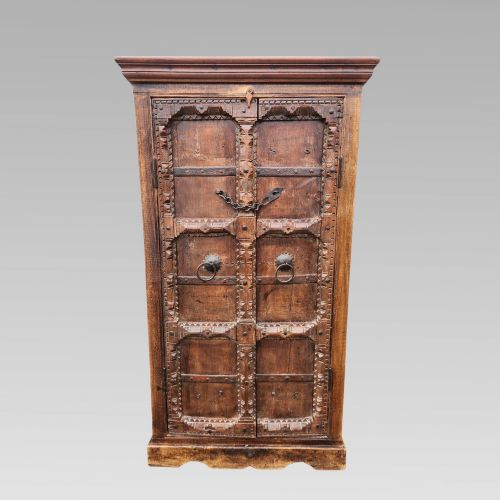
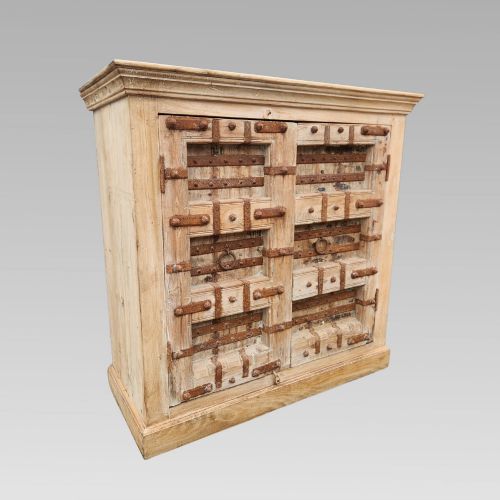
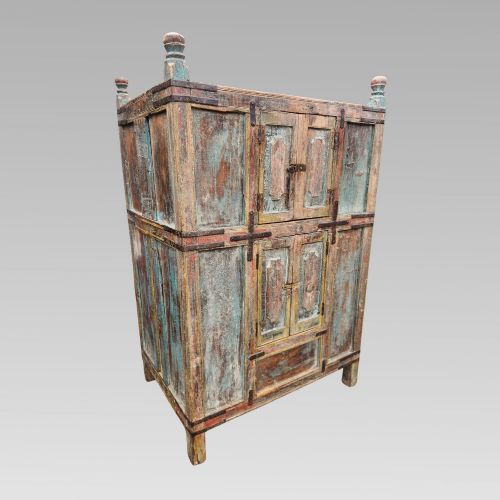
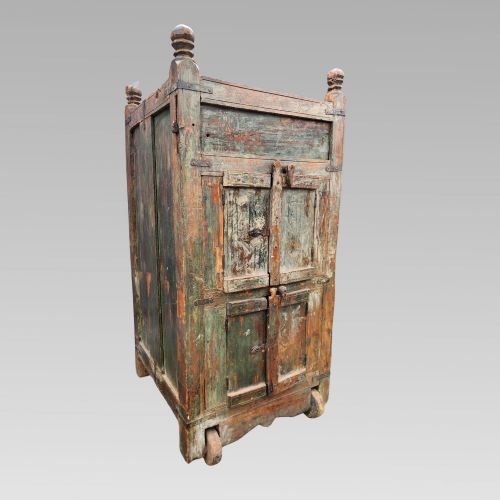
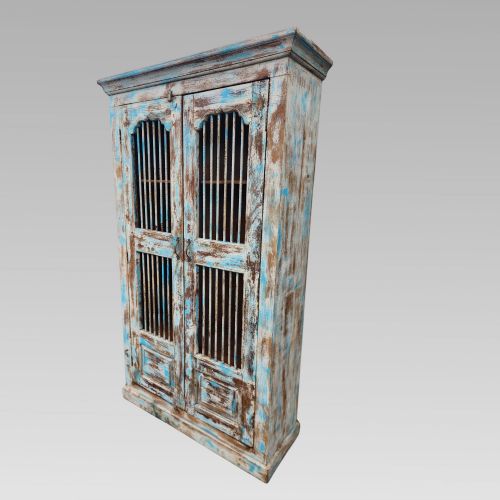
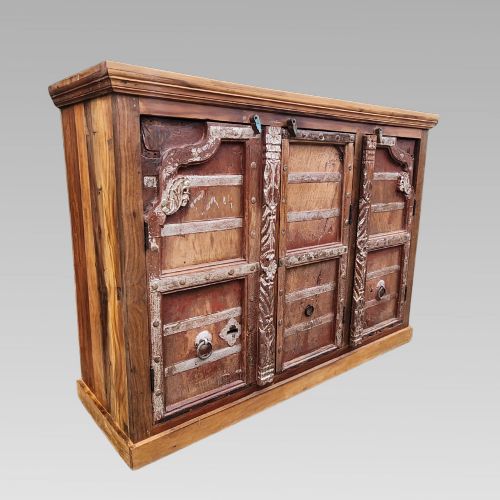
An antique indian cabinet brings dense timber and intricate carving together, offering generous storage with strong colonial character.
Antique Indian Cabinet
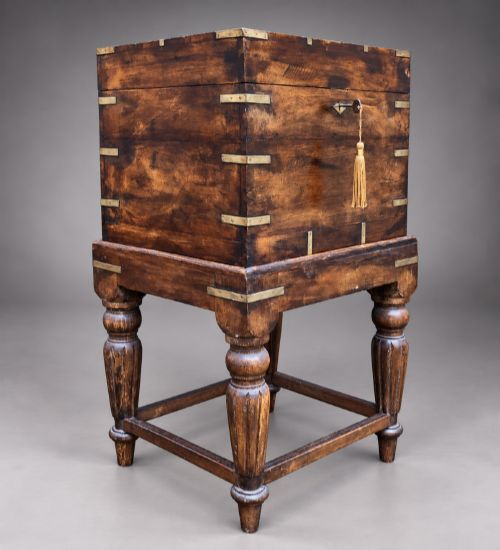
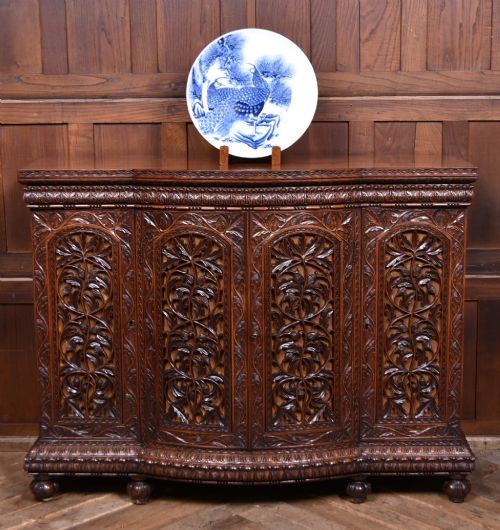
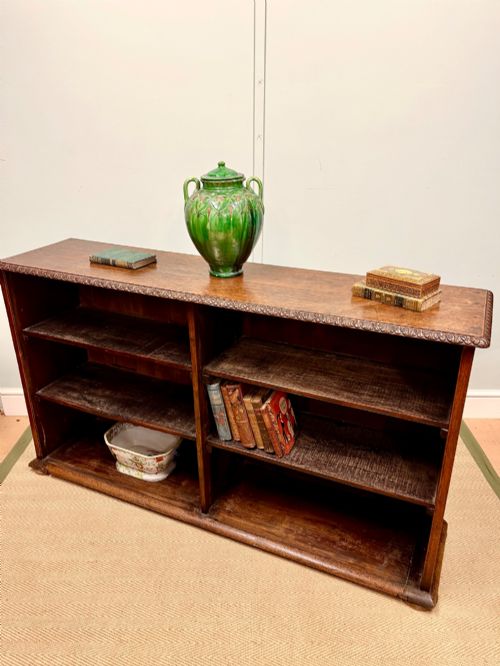
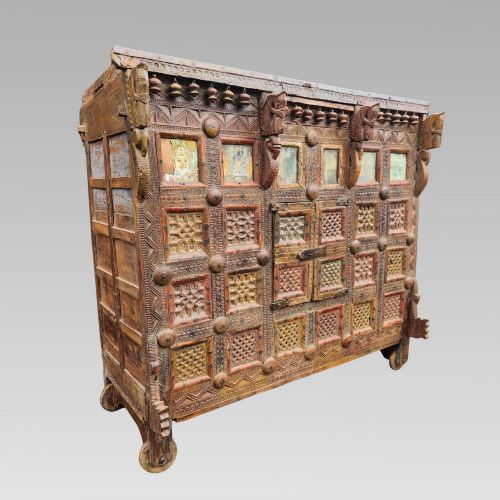
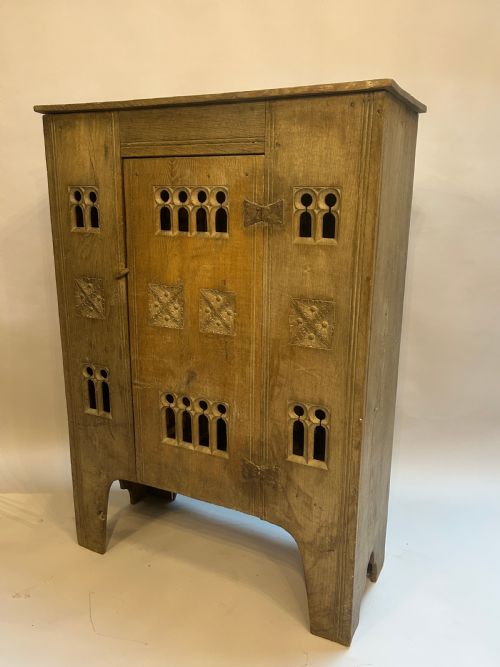
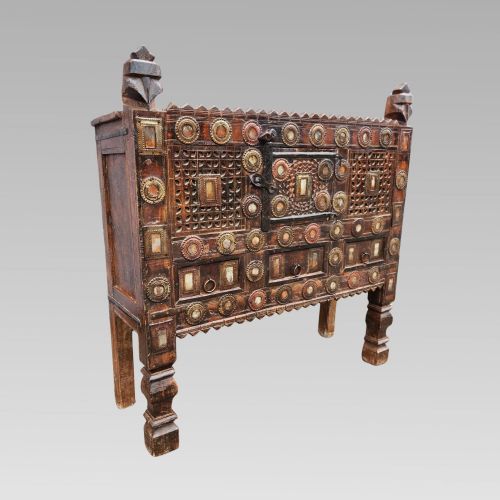
The term antique indian cabinet covers a broad family of storage furniture, ranging from sideboards and bookcases to dowry chests and side cabinets. These pieces emerge from traditional, provincial, and colonial workshops, often displaying deep carving or metal bound reinforcement.
Anglo-Indian pieces frequently appear alongside traditional regional forms, reflecting British influence merged with local craftsmanship. Common variants include the carved teak cupboard, the padouk sideboard, and the low damchiya dowry chest.
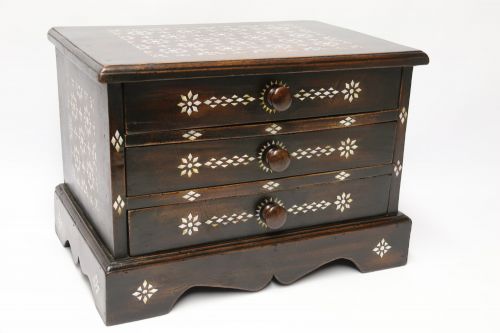
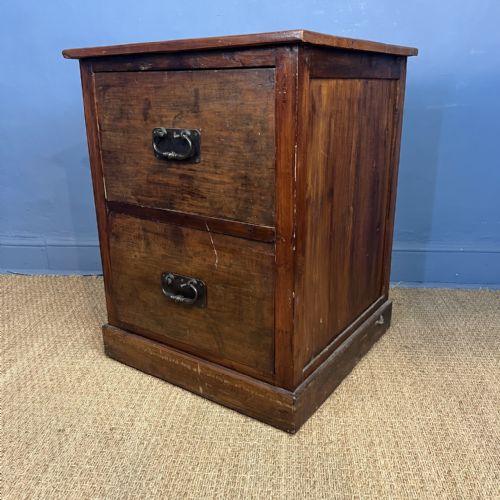
Dates span across the eighteenth, nineteenth, and early twentieth centuries, encompassing Victorian and Edwardian periods. Collectors encounter diverse formats, from tall almirahs to small tabletop display cases and filing units.
Materials and methods of construction
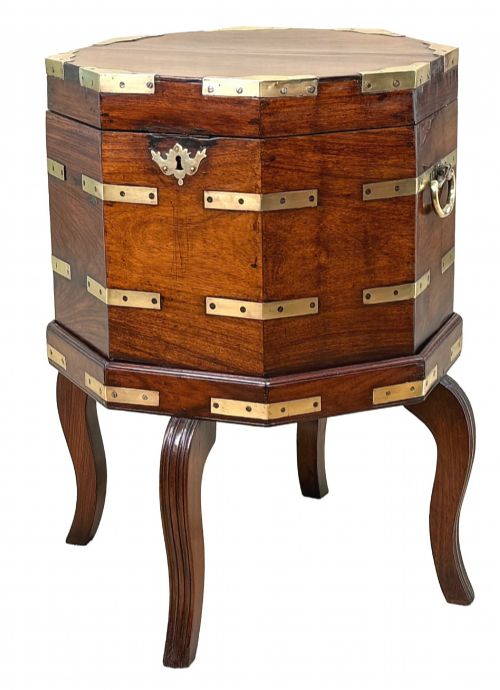
Construction relies heavily on dense tropical timbers such as teak, padouk, satinwood, and hardwood, chosen for structural stability and rich grain. Carpenters employed traditional joinery, often reinforced with iron bindings, brass fixtures, and intricate bone or abalone inlay.
Carving forms a central technique, with artisans chiselling floral motifs, figural panels, and temple pediments directly into the solid wood. Surfaces finish with natural wax or polish to highlight the deep colour of the timber.
Listings feature pieces spanning from the eighteenth century to the nineteen-thirties, constructed in teak, padouk, satinwood, and cedar.
Distinctions in quality
Quality rests primarily on the depth and crispness of the hand carving, alongside the selection of timber. Dense, well-figured padouk or heavy teak timbers denote superior construction compared to softer secondary woods.
Intricacy of detail, such as fine brass hardware, bone inlay, and original metal bindings, separates standard utility cupboards from finer drawing room and collector pieces.
The Antique Indian Cabinet Glossary
- Almirah
- A freestanding cupboard or wardrobe used for storage. This term derives from Portuguese influence in the region.
- Damchiya
- A traditional low dowry chest featuring carved panels and heavy storage capacity. These cabinets often sit on low feet and open from the front or top.
- Padouk
- A heavy, durable reddish-brown tropical hardwood favoured by colonial cabinetmakers. It resists warping and takes a fine carved edge.
- Cellarette
- A specialised cabinet or chest designed to hold wine bottles. Examples often sit on low stands or feature internal compartmentalisation.
- Inlay
- The technique of embedding contrasting materials such as bone, brass, or lighter woods into the surface of a cabinet. This creates decorative geometric or floral patterns.
Antique Indian Cabinet: Frequently Asked Questions
How do I identify an Anglo-Indian piece?
Anglo-Indian furniture combines traditional British cabinet forms with local Indian carving techniques and tropical timbers. Look for familiar shapes like sideboards or bookcases executed in padouk or teak with dense floral relief.
Craftsmen often integrated regional motifs alongside standard European furniture proportions, creating a distinct cross-cultural aesthetic.
What is a damchiya used for?
A damchiya served traditionally as a dowry chest for storing textiles, valuables, and household goods in Indian homes. These low cabinets feature hinged doors and heavily carved panels.
Today, buyers utilise them as low sideboards or media consoles in living spaces.
Are these cabinets made of solid wood?
Most antique examples utilise solid tropical hardwoods like teak, padouk, rosewood, and cedar throughout their construction. This heavy timber provides natural durability and weight.
Secondary woods may appear in internal shelving or drawer linings on certain provincial pieces.
How do I care for a teak cabinet?
Maintain the wood by applying a neutral beeswax periodically to nourish the dry tropical timber. Avoid placing the piece near direct heat sources or strong sunlight.
Dust regularly with a soft, dry cloth to protect the intricate hand-carved surfaces.
What period do most pieces date from?
The majority of available pieces date from the nineteenth century, spanning the Victorian era through to the early nineteen-hundreds. Earlier examples from the eighteenth century appear less frequently.
Stylistic markers and construction methods help narrow down the manufacturing decade.