

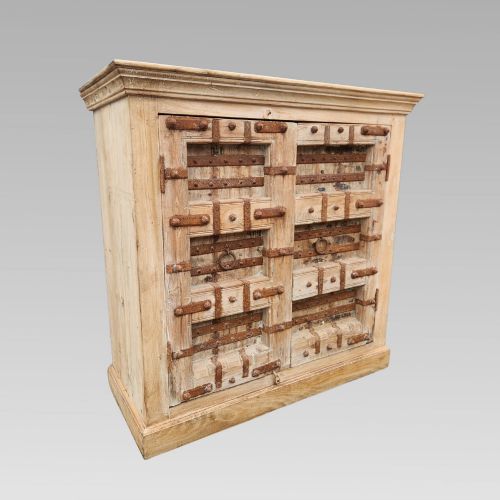
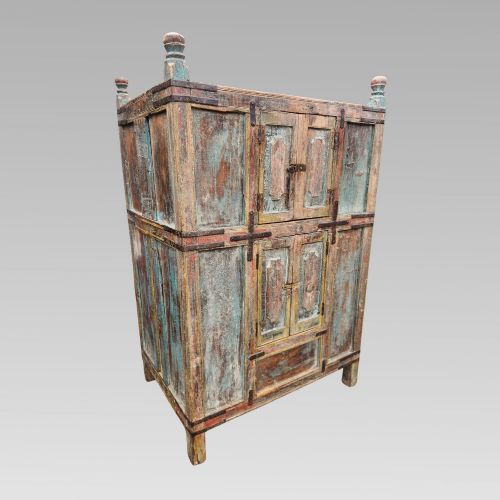
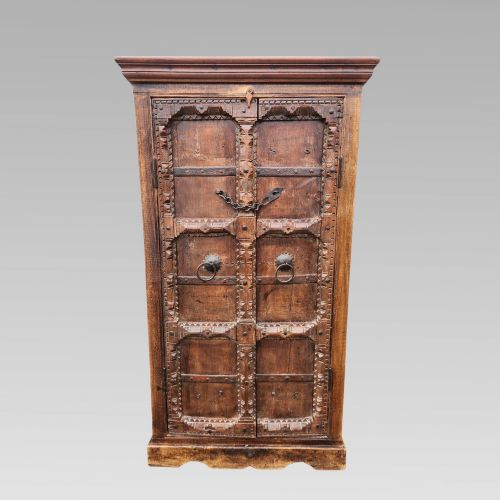
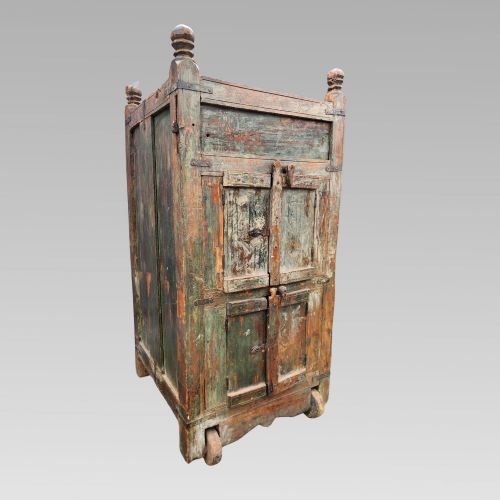



Vintage Indian Armoire
These vintage Indian armoire pieces bring enduring craftsmanship and character into any interior through rich regional timbers and traditional joinery.
Vintage Indian Armoire
When you search for a vintage indian armoire, you encounter robust storage cupboards, almirahs, and damchiya dowry chests originating from the subcontinent. These pieces combine practical storage with distinct regional character, serving as focal points in contemporary interiors.
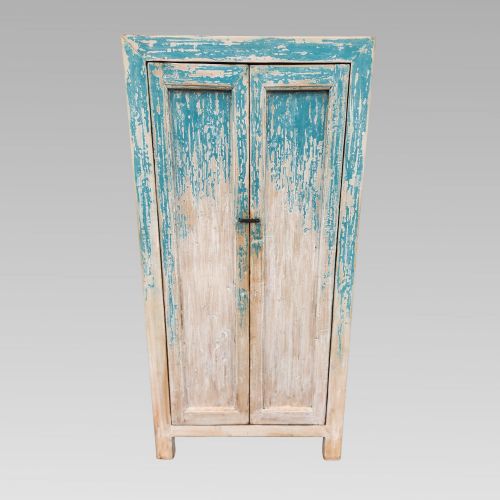
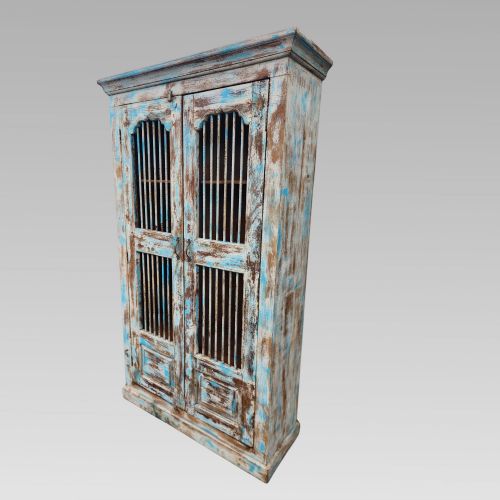
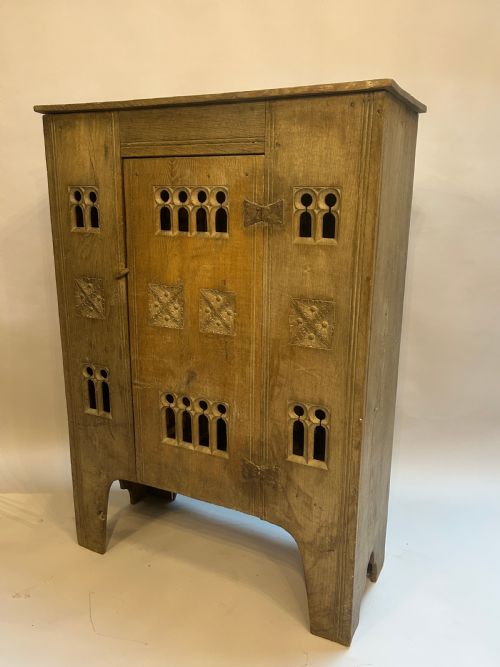
The selection ranges from nineteenth-century traditional designs and Anglo-Indian styles to early twentieth-century painted folk art pieces. You find substantial timber cabinets configured with internal shelving or wardrobe space, designed to anchor a room.
Most items reflect utilitarian roots adapted for modern homes, utilising reclaimed hardwoods to provide generous capacity. Their presence brings tactile warmth and historical depth to domestic spaces.
How they were made
Construction relies heavily on durable timbers such as teak, cedar, and rosewood, selected for their stability and grain. Artisans join these structural woods using traditional techniques that accommodate regional climate shifts.
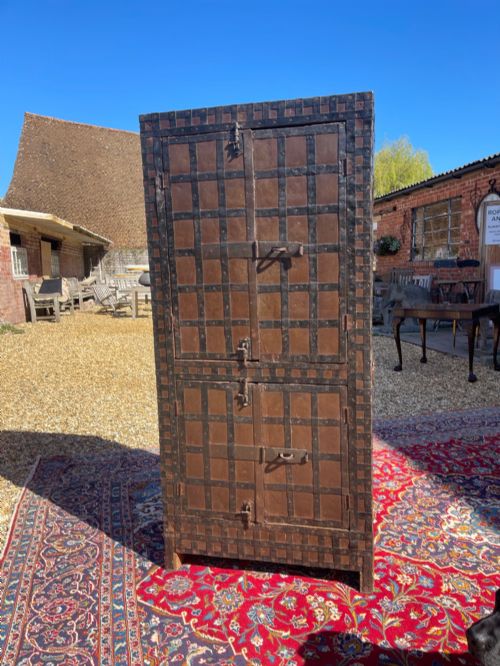
Metal elements including iron hinges, brackets, and brass fittings reinforce the heavy frames and doors. Many surfaces feature layers of traditional paintwork or retain the raw, textured finish of reclaimed timber.
Vintage Indian Armoire Retail Price Guide 2026
Typical asking prices for vintage indian armoire among the pieces listed under this phrase on Sellingantiques today, from the lower quarter to the upper quarter. They describe what is for sale here now, not the wider market.
Current listings span the nineteenth century and early twentieth century, utilising teak, cedar, rosewood, iron, and glass.
What varies in quality
The refinement of surface decoration, from untouched natural grain to layered folk art paint, dictates the visual impact. Original hardware and undisturbed joinery separate standard utility pieces from exceptional examples.
The Vintage Indian Armoire Glossary
- Almirah
- A freestanding cupboard or wardrobe used for domestic storage across South Asia. These pieces often feature panelled doors and robust internal shelving.
- Damchiya
- A traditional low dowry chest or cabinet adapted in various forms for household storage. They typically display intricate woodwork and folk art influences.
- Anglo-Indian
- A design style blending British aesthetic requirements with indigenous Indian woodworking techniques. This crossover emerged during the colonial period.
- Reclaimed timber
- Salvaged wood sourced from older architectural structures and repurposed for new furniture. This practice preserves dense, aged hardwoods with distinct character.
- Folk art
- Decorative painting and ornamentation executed in traditional regional styles. Such embellishments impart individuality and vibrant colour to utilitarian storage pieces.
Vintage Indian Armoire: Frequently Asked Questions
How were these cupboards used?
These cabinets served primarily for storing garments, household linens, and valuables within traditional homes. Their deep shelves and enclosed spaces kept contents secure from dust and climate.
In contemporary settings, they function effectively as wardrobes, linen stores, or media units, adapting easily to modern domestic requirements.
How do I date an almirah?
Dating relies on assessing the timber type, construction methods, and surface treatments visible on the piece. Nineteenth-century examples often display hand-wrought iron hardware and heavier structural framing.
Twentieth-century iterations may incorporate painted folk art finishes or lighter proportions while retaining traditional joinery techniques.
Are the painted finishes original?
Many surfaces retain authentic traditional paint layers that have developed a soft, aged patina over decades of domestic use. These finishes vary from subtle muted tones to vibrant folk art motifs.
Examining the wear patterns and interaction between the paint and underlying timber helps determine the historical context of the decoration.