



Reclaimed Wood Cabinet
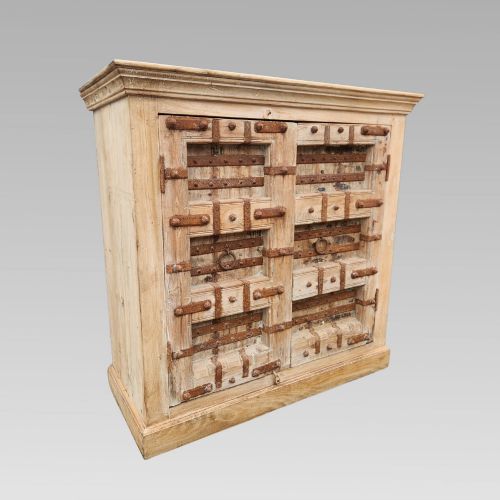
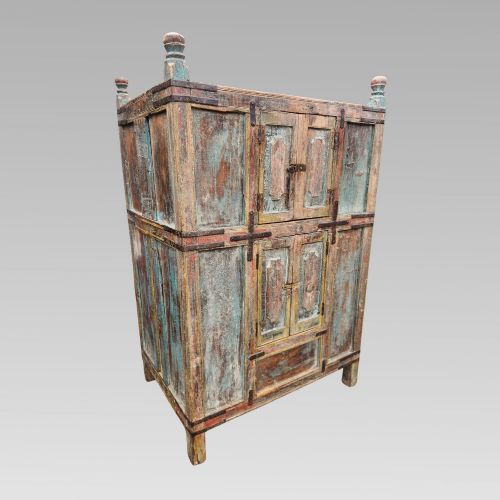
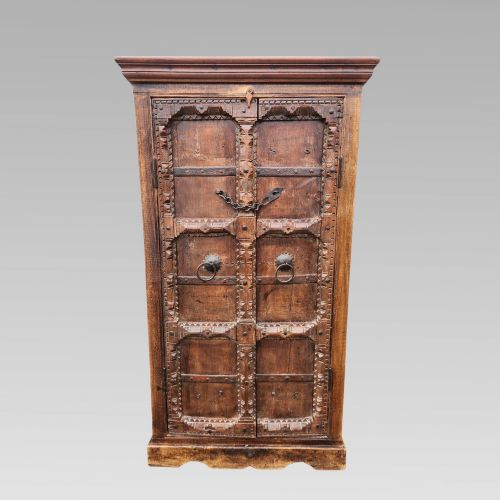
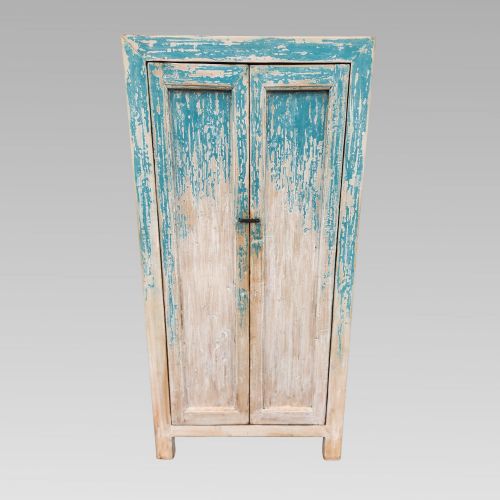
A reclaimed wood cabinet brings robust storage and deep character to a room, offering practical utility built from seasoned timbers.
Reclaimed Wood Cabinet
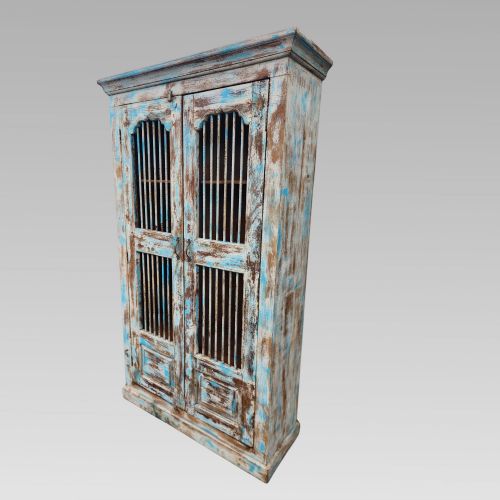
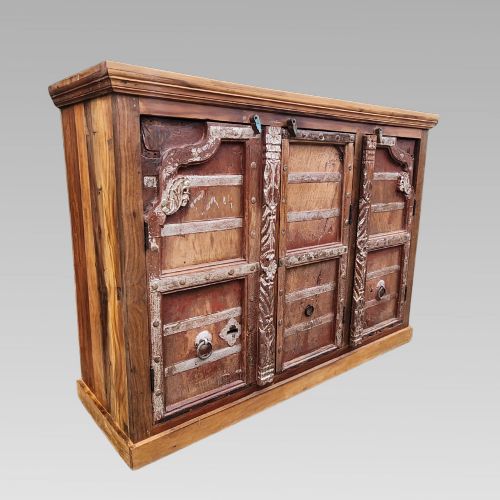
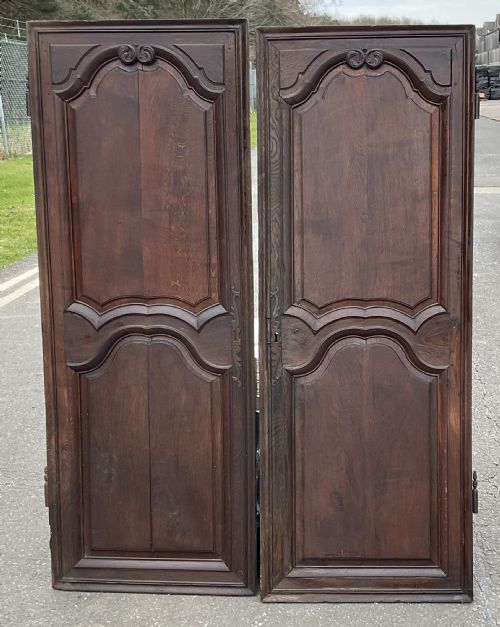
The inventory on this page ranges from 18th-century French armoire doors and 19th-century pine workbenches to storage cupboards and wardrobes dated around 1900 and 1930. Traditional Indian, rustic Indian, provincial, Gothic revival, and Scandinavian country styles dominate the selection.
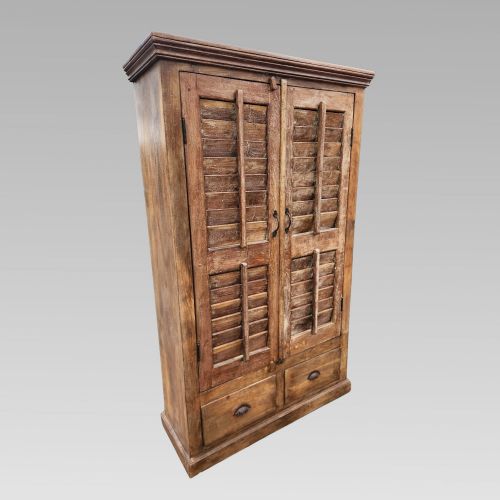
Many items function as storage cupboards, almirahs, sideboards, or wardrobes featuring shelves and louvre doors. Each reclaimed wood cabinet showcases the distinct patina of its original material.
How they were made
Construction relies heavily on dense timbers such as teak, cedar, rosewood, pine, oak, and walnut, often salvaged from older architectural elements or furniture. Iron hardware frequently secures doors and panels.
Surface treatment includes exposed natural grain alongside painted finishes, while decorative execution encompasses carved wood panels, linenfold motifs, and louvre slats.
Reclaimed Wood Cabinet Retail Price Guide 2026
Typical asking prices for reclaimed wood cabinet among the pieces listed under this phrase on Sellingantiques today, from the lower quarter to the upper quarter. They describe what is for sale here now, not the wider market.
Materials recorded across the inventory include iron, teak, paint, cedar, rosewood, pine, oak, and walnut.
What varies in quality
Quality separates through the depth of carving, the complexity of panel work such as linenfold designs, and the integrity of the salvaged timber. Items featuring intact painted surfaces or specialised architectural elements like louvre doors represent the higher end of the range.
Construction scale and architectural presence also define the tier, moving from simpler utility storage to substantial statement pieces with intricate joinery.
The Reclaimed Wood Cabinet Glossary
- Almirah
- A freestanding cupboard or wardrobe, commonly found in Indian domestic furniture. These units provide deep interior storage shelves.
- Linenfold
- A style of wood carving that imitates folded linen, frequently seen on medieval and Gothic revival panels. It creates a textured surface across flat wooden doors.
- Armoire
- A large wardrobe or cupboard, traditionally used for storing clothes. French examples often feature substantial panel construction.
- Workbench
- A sturdy table used by artisans for manual work, constructed from heavy timber to withstand daily use. Swedish examples in pine are particularly sought after for interiors.
Reclaimed Wood Cabinet: Frequently Asked Questions
What is a reclaimed wood cabinet?
A reclaimed wood cabinet is a storage piece constructed from salvaged timber, offering both practical utility and distinct historical character.
These items encompass Indian storage cupboards, European workbenches, and architectural panels dating from the 18th century to the 1930s.
How do I style a reclaimed wood cabinet?
These cabinets suit various interior schemes, from rustic country rooms to eclectic modern spaces, acting as statement focal points.
Their robust presence works well in kitchens, living areas, or hallways where substantial storage is required.
What materials are used in these cabinets?
Construction materials include dense hardwoods like teak, cedar, and rosewood, alongside European softwoods and hardwoods such as pine, oak, and walnut.
Iron fittings and painted finishes frequently complement the exposed timber.
How do I identify the period of a cabinet?
Dating relies on construction techniques, stylistic markers like Gothic linenfold carving or provincial detailing, and recorded historical origin.
Items span specific eras including the 18th century, the 19th century, and the early 20th century up to 1930.