
Distressed Wood Cabinet
These pieces known as a distressed wood cabinet bring character to a room through weathered surfaces and practical storage.
Distressed Wood Cabinet
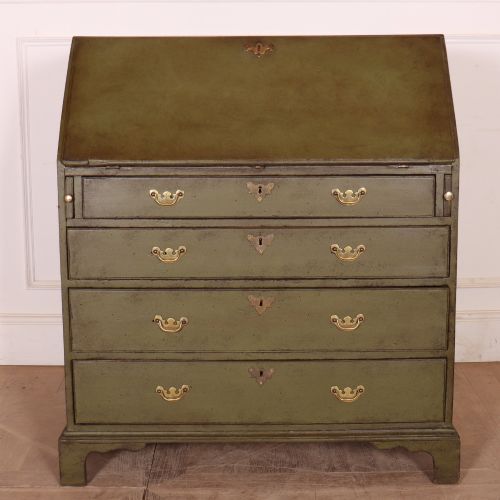
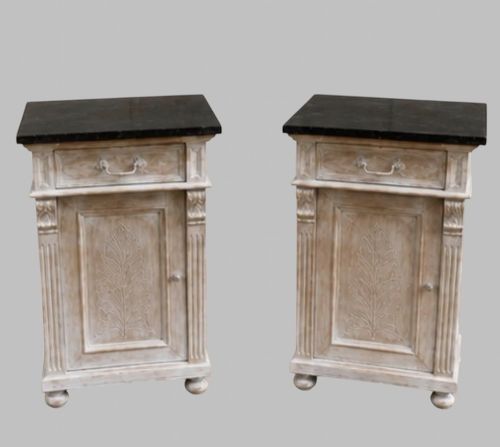
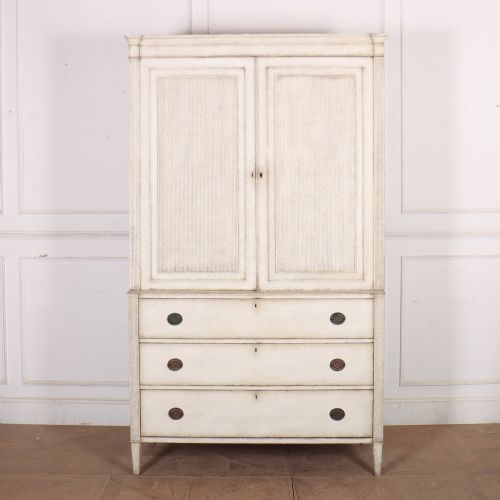
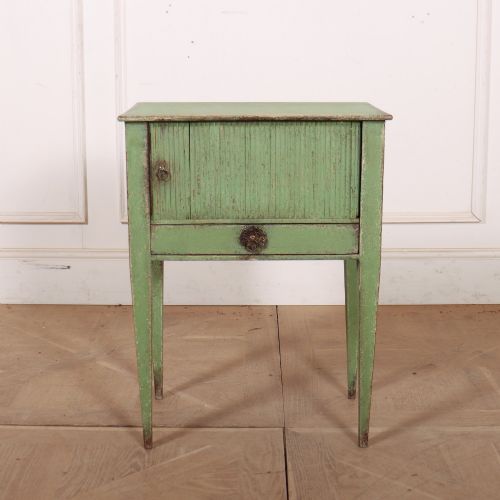
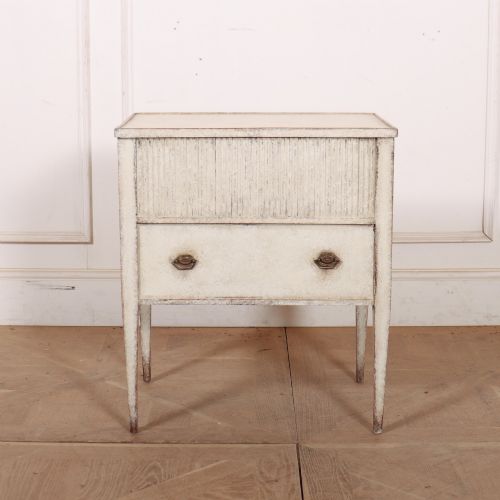
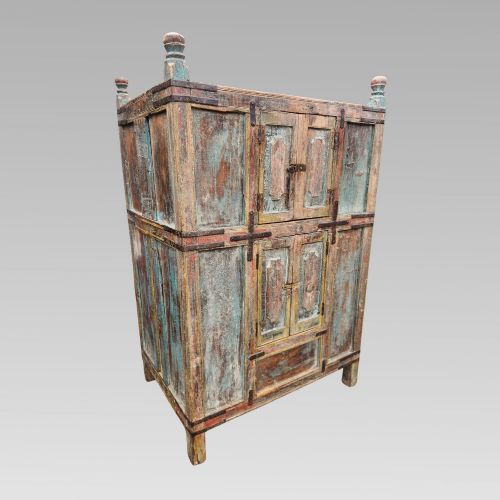
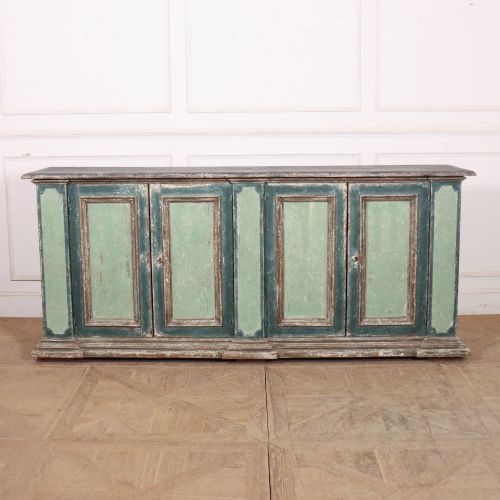
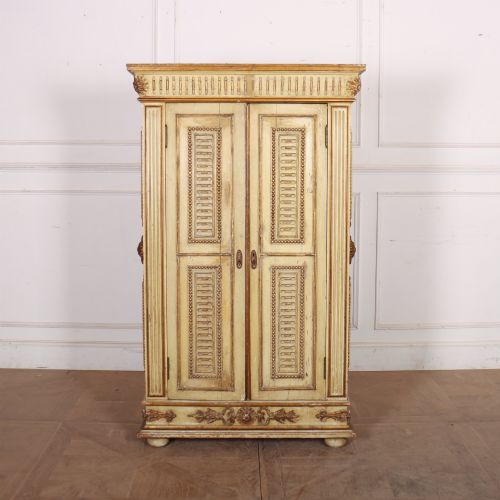
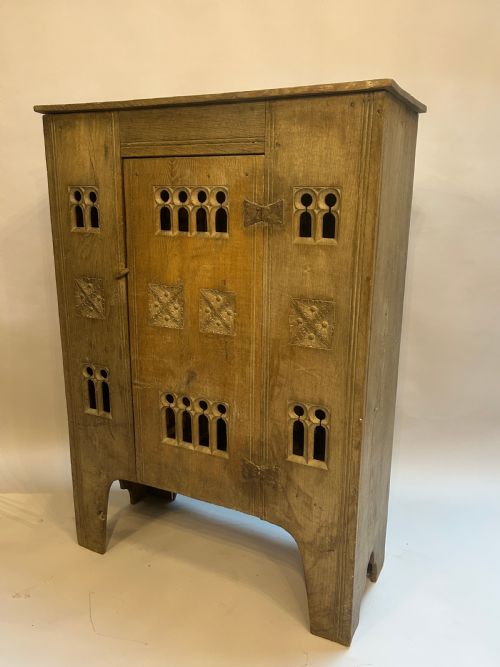
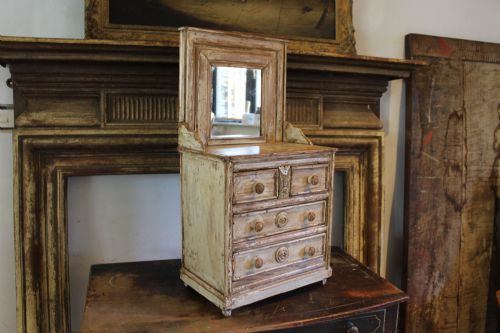
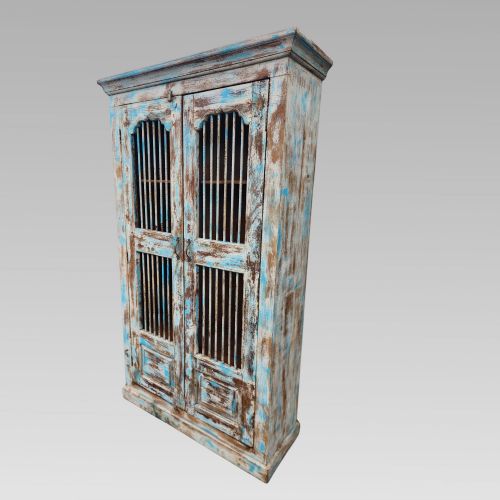
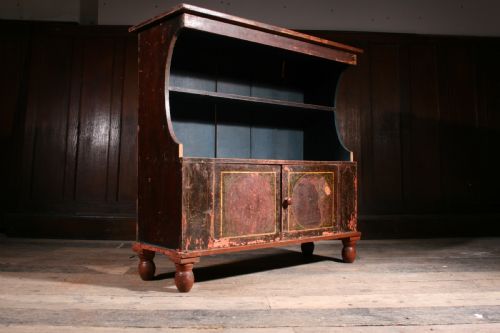
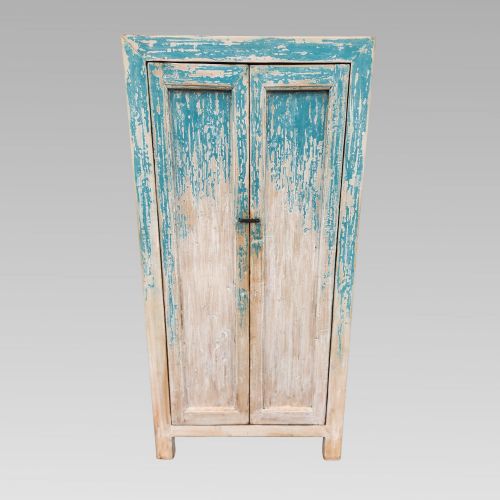
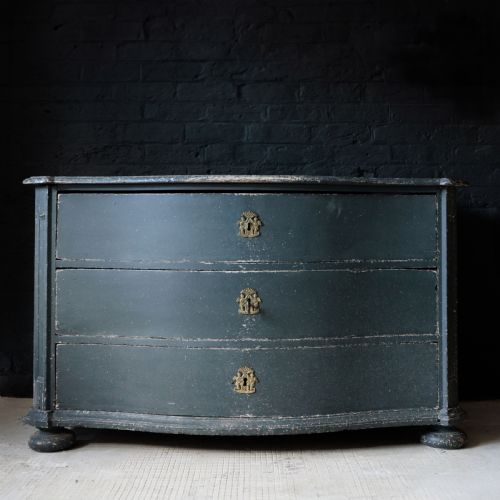
A distressed wood cabinet is a storage piece defined by aged, painted, or weathered wooden surfaces originating from various regional traditions. When looking for a distressed wood cabinet, buyers encounter forms ranging from large French library bookcases and Swedish linen cupboards to compact bedside tables and Indian almirahs. These items span the eighteenth and nineteenth centuries alongside early twentieth-century examples.
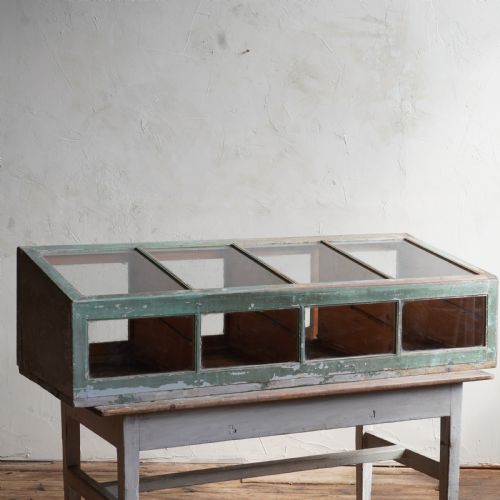
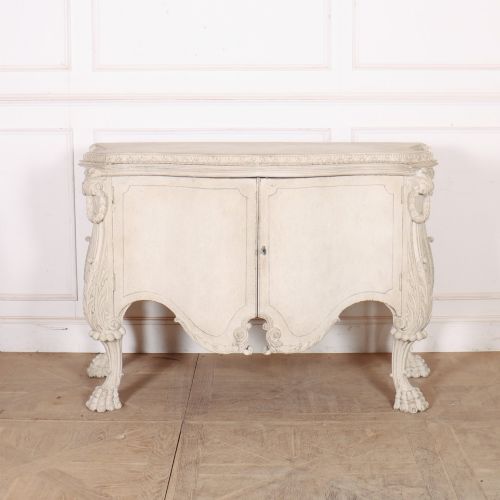
The selection on this page demonstrates regional styles such as French Provincial, Gustavian, Italian Country, and Rustic Indian. Forms include display cabinets, chests of drawers, sideboards, buffets, and wardrobes. Each piece offers specific storage functions, from countertop display units to full-height linen cupboards.
European examples frequently display painted pine or hardwood constructions with traditional regional detailing. Indian variants utilise teak and cedar, often featuring weathered polychrome paint finishes. Buyers select these items for their historical presence and functional storage capacity.
How they were made
Makers constructed these cabinets using regional timbers such as pine, teak, and cedar, joined with traditional carpentry methods appropriate to the period. Iron and brass hardware, including hinges and handles, secured doors and drawers while glass panels appeared in display variants.
Surfaces were finished with paint or left as exposed wood, developing patination through age and use. Regional workshops applied decorative paint layers, polychrome schemes, or simple protective coatings that later weathered into the characteristic distressed appearance.
Regional styles represented include French Provincial, Gustavian, Scandinavian Country, Dutch Provincial, and traditional Indian.
What varies in quality
Quality in these cabinets rests in the integrity of the original construction and the authenticity of the surface finish. Pieces retaining original paint layers and period hardware hold greater historical coherence than those with later alterations.
The proportion of the cabinet, the skill of the original joinery, and the depth of natural patination distinguish finer examples. Regional characteristics, such as the specific carving on an Indian almirah or the proportions of a Swedish commode, determine the distinction between standard utilitarian items and finer works.
The Distressed Wood Cabinet Glossary
- Almirah
- A standing cupboard or wardrobe used for storage in Indian domestic architecture. These pieces often feature substantial timber construction and painted finishes.
- Commode
- A low chest of drawers or cabinet originating from French furniture design. They frequently stand on legs and serve bedroom or living spaces.
- Gustavian
- The Swedish neoclassical style characterised by lighter painted finishes and restrained classical ornamentation. It emerged during the late eighteenth century.
- Polychrome
- Painted in several colours. This finish appears on decorative furniture from various European and Indian traditions.
- Buffet de Corps
- A large two-body sideboard or cupboard combination common in French dining rooms. The upper section typically provides display shelving above a lower storage base.
Distressed Wood Cabinet: Frequently Asked Questions
How do I clean a painted cabinet?
Dust the surface regularly with a soft, dry cloth to prevent dirt accumulation.
Avoid chemical cleaners and moisture which can damage aged paint layers and underlying wood.
Are these cabinets suitable for modern kitchens?
Yes, many buyers utilise these pieces for storing tableware, linens, or dry goods.
The deep shelves and enclosed cupboards offer practical storage within contemporary rooms.
What is the difference between pine and teak cabinets?
Pine cabinets commonly originate from European traditions and feature lighter painted finishes.
Teak cabinets typically stem from Indian workshops, offering denser wood construction and weathered natural or painted surfaces.
How can I date an eighteenth-century cupboard?
Examine the construction methods, tool marks on the timber, and the composition of the hinges and fixings.
Original paint layers and timber shrinkage patterns also provide indicators of age.