


Antique Incense Holder
These antique incense holder pieces are crafted to burn aromatics safely, offering both functional ritual use and exquisite sculptural form for the home.
Antique Incense Holder
When you search for an antique incense holder, you encounter a fascinating array of vessels designed for burning fragrant materials across centuries. The selection spans distinct forms, from traditional censers and ritual vessels to specialised pastille burners and decorative holders.
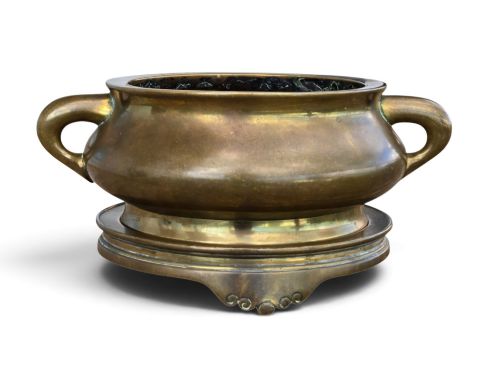
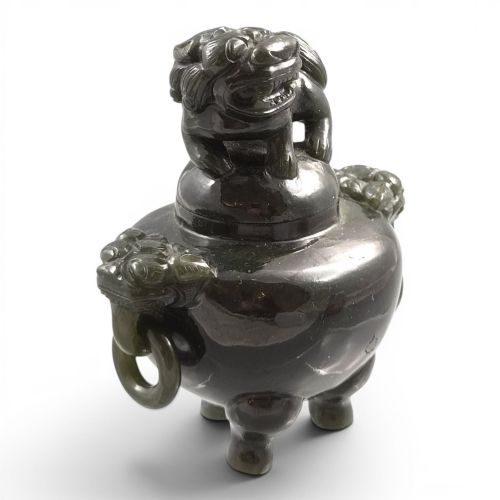
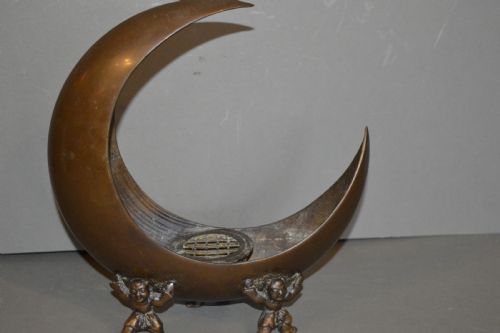
You are most likely to meet Chinese bronze censers and porcelain burners originating from the eighteenth and nineteenth centuries on this page. These pieces often incorporate sculptural elements such as Foo dogs, dragons, or crescent moon shapes.
The material palette reflects diverse cultural traditions, encompassing dark green jade, earthenware, ironstone, and various copper alloys. Each piece reveals the specific decorative language of its period, whether Qing Dynasty, Regency, or Edwardian.
Assessing quality and execution
The standard of a piece depends heavily on the precision of the casting or the delicacy of the ceramic modelling. Heavier, master-cast bronzes exhibit superior resonance and clean architectural lines compared to simpler iterations.
Surface decoration dictates the upper tier of the range, visible in the sharpness of carved dark green jade details and the hand-painted execution of porcelain glazes. The integration of matching stands and complex figural elements elevates the overall refinement.
Listings feature items from the eighteenth, nineteenth, and early twentieth centuries, spanning Georgian, Regency, and Edwardian eras.
The Antique Incense Holder Glossary
- Censer
- A vessel specifically constructed for burning incense. These containers often feature pierced covers to allow fragrant smoke to drift outward.
- Pastille Burner
- A small ceramic or metal container designed to melt aromatic pastilles. They frequently appear in Regency and Georgian interior settings.
- Foo Dog
- A stylized mythical lion guardian frequently depicted upon Chinese metalwork and jade carvings. They traditionally serve a protective function in statuary and vessel design.
- Imari
- A distinctive style of Japanese and English porcelain decoration utilising rich underglaze blue and contrasting iron red with gilt. The palette remains instantly recognisable across various nineteenth-century forms.
- Archaistic
- A design approach that consciously emulates ancient forms, patinas, and motifs from earlier historical dynasties. Makers utilise this style to connect contemporary ritual vessels with historical prestige.
Antique Incense Holder: Frequently Asked Questions
How do I clean an antique incense holder?
Dust gently with a dry, soft brush to preserve any natural patina or delicate surface enamel.
Avoid using water or chemical solvents on porous materials like earthenware and jade.
Were these holders used for cones or sticks?
Historical censers and burners primarily accommodated loose incense, aromatic pastilles, or larger resin blocks placed on charcoal.
Specialised holders later evolved to support specific stick or cone formats depending on the cultural tradition.
How can I tell a Qing Dynasty piece apart?
Examine the specific casting weight, surface patination, and traditional motifs such as dragons or imperial marks.
Stylistic markers often align with distinct reigns, providing reliable clues to the exact period of manufacture.
Can I still burn incense in these vessels?
Many metal censers remain robust enough for functional use with modern incense cones or appropriate heat-resistant barriers.
Fragile ceramics and jade pieces are generally best appreciated as decorative sculptures to prevent thermal shock.