


19th Century Ceramic House
These 19th century ceramic house pieces and related domestic figures bring tactile warmth and architectural charm to a room.
19th Century Ceramic House
A 19th century ceramic house search reveals a varied group of utilitarian vessels, architectural models, and decorative figures spanning Georgian and Victorian periods. Buyers encounter Staffordshire pottery cottages, prattware buildings, and porcelain miniatures alongside larger planters, jugs, and plates.
The objects originate from English potteries, French workshops, and Dutch kilns, reflecting distinct regional tastes of the nineteenth century. Domestic forms dominate the selection, capturing vernacular architecture and everyday domestic life in fired clay.
Figurines and miniature furniture sit alongside utilitarian crocks and decorative plates, showing how nineteenth-century makers translated buildings and household scenes into ceramic media. These pieces range from simple slipware vessels to detailed moulded cottages.
How they were made
Potters shaped these items from earthenware, porcelain, and terracotta, utilising local clays and refined pastes depending on the intended function. Lead glazes and enamels added colour and waterproof surfaces to utilitarian crocks and decorative cottages alike.
Moulding and hand-painting defined the decoration of Staffordshire figures and Dutch Delftware, with artisans applying blue and white pigments or multi-coloured enamels before firing. Gold leaf occasionally highlighted finer ornamental details on nineteenth-century porcelain.
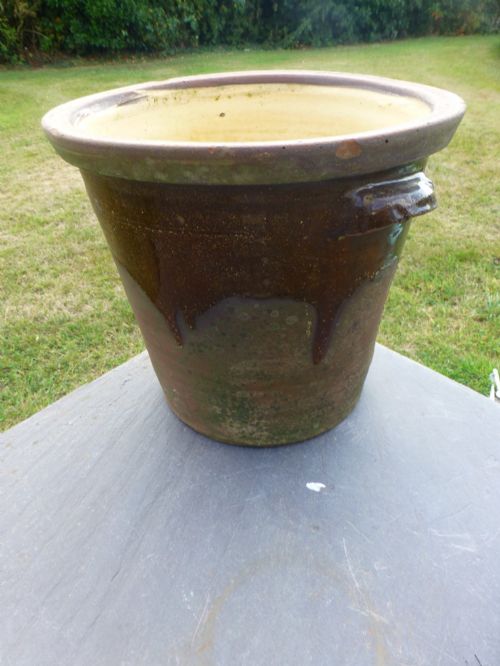
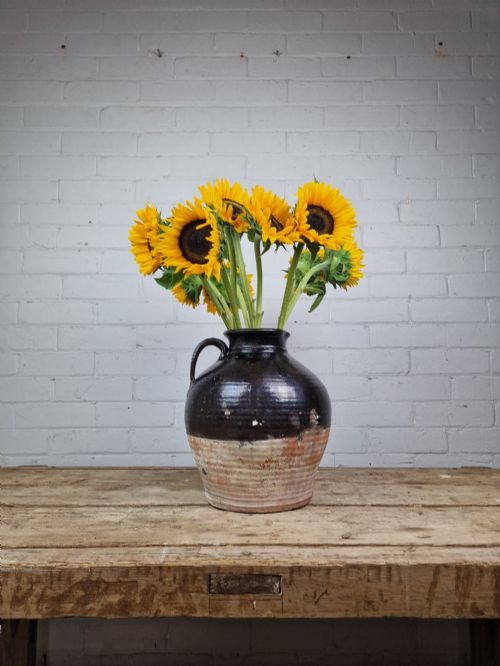
Listings feature 19th century earthenware, porcelain, and terracotta forms including jugs, planters, and decorative cottages.
What varies in quality
The clarity of moulded architectural details and the precision of hand-painted decoration separate simpler wares from finer examples. Crisp lines on Staffordshire cottages and neatly applied glazes indicate skilled workshop production.
Preservation of original enamel colours and intact glaze surfaces significantly influence the character of each piece. Minimal wear to surface painting and stable terracotta or earthenware bodies preserve the visual integrity of these nineteenth-century items.
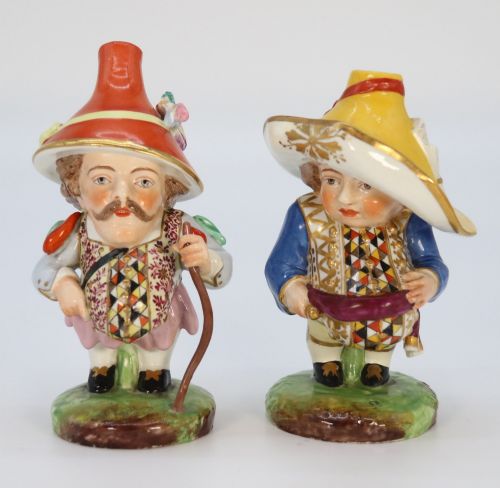
Samson of Paris·Mexborough pottery
The 19th Century Ceramic House Glossary
- Earthenware
- Porous pottery fired at lower temperatures, commonly used for utilitarian crocks, jugs, and traditional country wares. It requires a glaze to become impermeable to liquids.
- Staffordshire
- Pottery produced in the English region encompassing Stoke-on-Trent, famous for figures, cottages, and blue and white transfer-printed tableware. These factories supplied domestic mantelpieces across Britain.
- Prattware
- A type of English earthenware featuring underglaze coloured reliefs, often associated with Leeds and Mexborough potteries during the late eighteenth and early nineteenth centuries. The palette typically includes ochre, blue, brown, and green.
- Slipware
- Pottery decorated with liquid clay applied before firing, creating smooth surface patterns or raised designs. This traditional technique appears on utilitarian jugs and kitchen vessels.
- Delftware
- Tin-glazed earthenware originating in the Netherlands, recognised by its white background and blue painted decoration. Miniature furniture and plates frequently utilised this tin-glaze technique.
19th Century Ceramic House: Frequently Asked Questions
What is a Staffordshire cottage?
A Staffordshire cottage is a small ceramic model of a house, often functioning as a pastille burner or a decorative mantel ornament during the Victorian era. These pieces reflect popular rural and domestic architecture of the nineteenth century.
Potters moulded these buildings with applied clay details representing thatch, flowers, and animals, finished with hand-painted colours.
How do I care for antique ceramic figures?
Keep ceramic figures and architectural models out of direct sunlight to prevent fading on hand-painted enamel and glaze surfaces. Dust them gently with a soft, dry brush.
Avoid using water or cleaning solutions on antique earthenware and porcelain, as moisture can penetrate unglazed areas or damage historical repairs.
What distinguishes earthenware from porcelain?
Earthenware is a porous, opaque pottery fired at lower temperatures, requiring glaze to hold liquids, whereas porcelain is vitrified, dense, and often translucent. Nineteenth-century makers used both materials for entirely different domestic purposes.
Utilitarian crocks and rustic cottages utilised earthenware, while finer decorative plates and imported styles favored porcelain bodies.
Are these ceramic houses functional?
Many nineteenth-century ceramic buildings served as pastille burners, diffusing scented smoke through their chimneys, while others were strictly ornamental mantel pieces. Larger vessels in the category, such as salting crocks and jugs, retained their practical storage uses.
Examining the interior reveals whether a structure had an opening for burning pastilles or if it was manufactured purely as a display model.