






Antique Imari Serving Dish
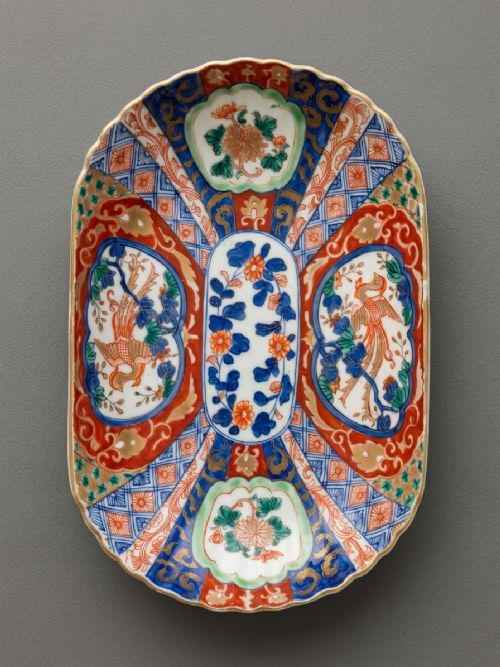
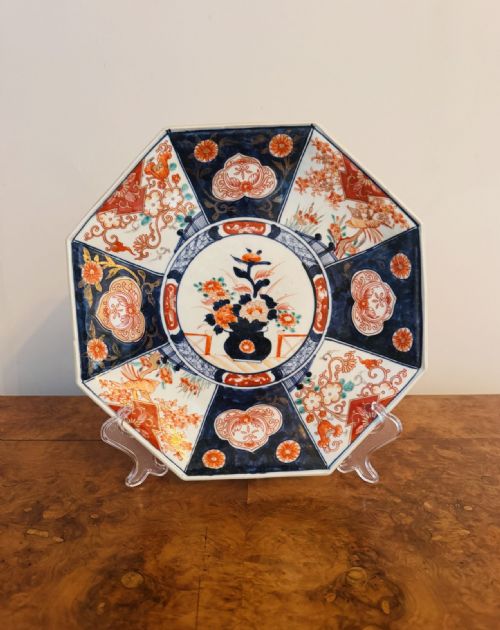
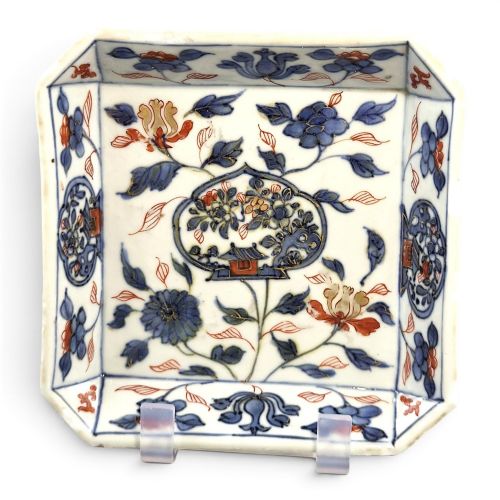
An antique imari serving dish brings striking cobalt blue, iron red, and gilt decoration to the table.
Antique Imari Serving Dish
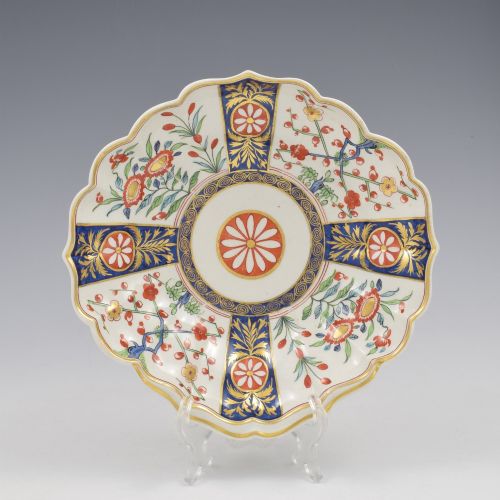
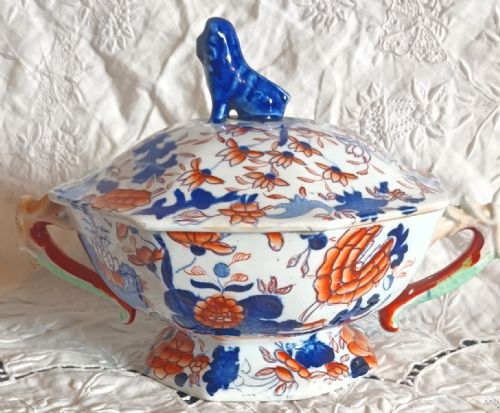
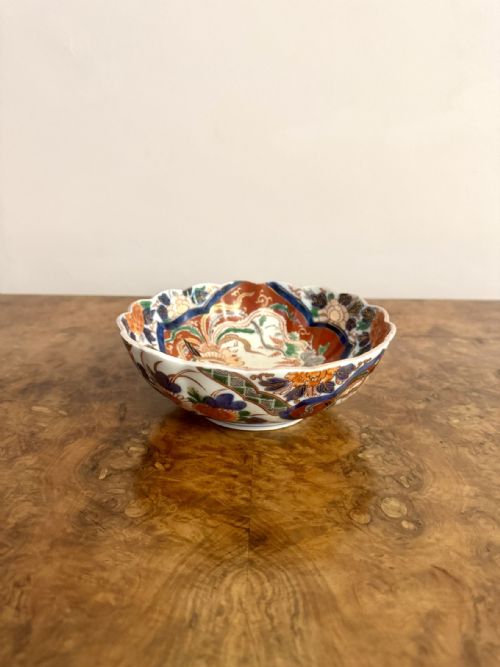
An antique imari serving dish encompasses everything from deep porcelain bowls and chargers to scalloped dishes, fish forms, and boat-shaped servers. These pieces cross cultural lines, appearing as both traditional Japanese Meiji period wares and English interpretations produced in ironstone and porcelain.
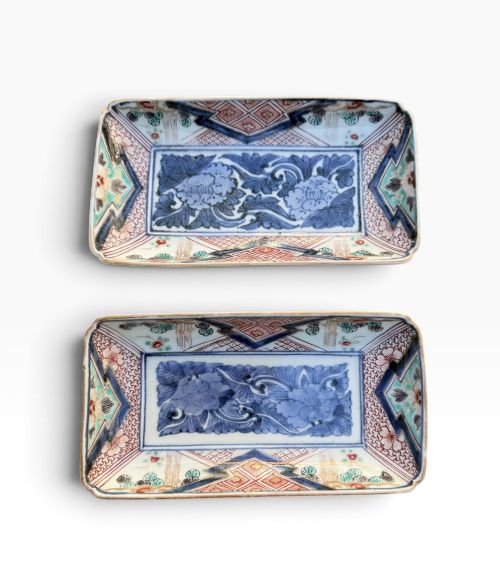
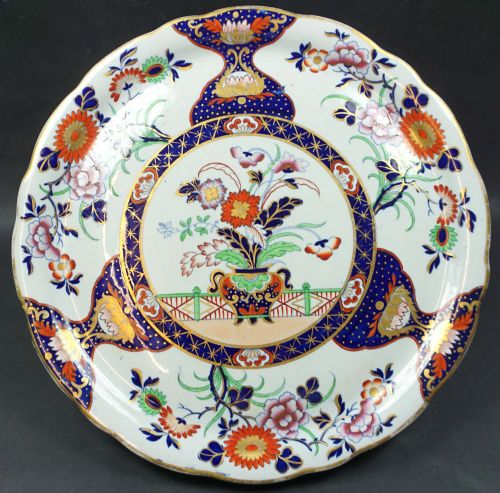
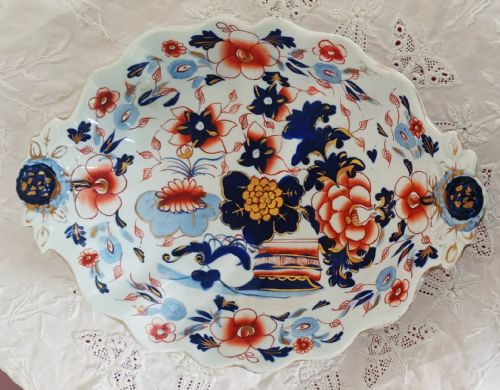
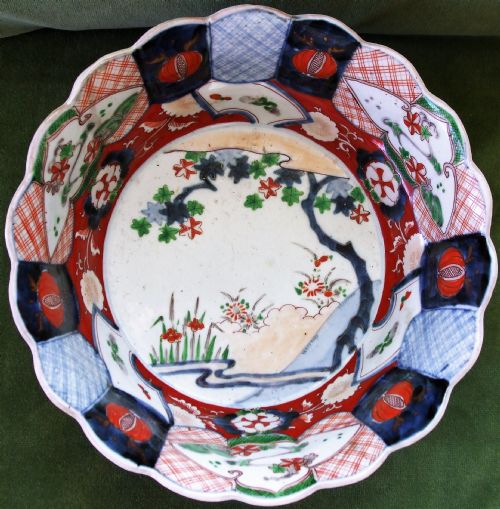
The selection here ranges widely in form, including serving platters, square plates, tureens, and low comports. Japanese originals sit alongside English variations influenced by the distinctive palette and patterns of the East.
How they were made
Makers shaped these serving vessels using ceramic, earthenware, and heavy ironstone, applying glaze and hand-painted enamel decoration. Gold leaf and gilding frequently highlight the painted floral, bird, and geometric motifs across both porcelain and ironstone bodies.
Firing techniques allowed for vibrant cobalt blue underglazes combined with iron red and gold overglazes. English factories utilised durable ironstone bodies to support large platters and tureens, while Japanese kilns focused on translucent porcelain.
Antique Imari Serving Dish Retail Price Guide 2026
Typical asking prices for imari serving dish among the pieces listed under this phrase on Sellingantiques today, from the lower quarter to the upper quarter. They describe what is for sale here now, not the wider market.
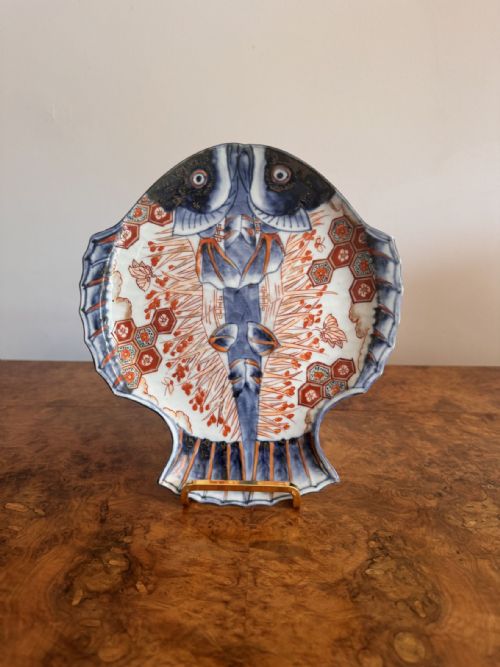
One exceptional dish takes the literal form of a swimming fish.
What varies in quality
Quality rests in the crispness of the hand-painted brushwork and the vibrancy of the enamel and gilding layers. Superior examples display precise detailing in complex floral and bird motifs without blurring or pooling in the glaze.
Form and moulding define the higher tiers of the range, seen in unusual shapes such as fish, boat-shaped vessels, and deep square plates with scalloped edges. Heavy ironstone platters and well-modelled tureens demonstrate the structural ambition of the maker.
Royal Crown Derby·Hicks and Meigh·Mason·Minton·Chamberlain Worcester
The Antique Imari Serving Dish Glossary
- Imari
- A style of ceramic decoration originating in Japan, characterised by a palette of cobalt blue, iron red, and gold. English factories later reproduced these distinct patterns on ironstone and porcelain.
- Ironstone
- A heavy, durable type of earthenware patented in the nineteenth century. It provided a robust alternative to porcelain for large serving platters and tureens.
- Comport
- A raised dish or bowl used for serving fruit or sweets at the table. These pieces often stand on a pedestal or low foot.
- Tureen
- A deep covered bowl designed for serving soup, gravy, or vegetables. They frequently feature handles and matching stands or platters.
- Charger
- A large decorative plate used traditionally as a base under other courses or displayed on its own. They provide a wide surface for complex painted designs.
Antique Imari Serving Dish: Frequently Asked Questions
What is an imari serving dish?
An imari serving dish is a decorative tableware piece featuring the traditional Japanese colour palette of cobalt blue, iron red, and gold. These vessels include bowls, platters, and shaped dishes.
Such pieces were produced in both Japanese kilns and English factories during the eighteenth, nineteenth, and early twentieth centuries.
How do I care for antique ceramic dishes?
Wash these pieces gently by hand using mild soap and warm water. Avoid abrasive sponges or harsh detergents that can damage the overglaze enamel and gold leaf.
Keep them away from modern dishwashers and microwaves to preserve the hand-painted surfaces and ironstone bodies.
How do I date an imari dish?
Dating relies on examining the ceramic body, the style of the painted decoration, and any maker marks on the base. Japanese pieces often date to the Meiji period, while English versions typically align with Georgian and Victorian eras.
Comparing the weight, glaze consistency, and pattern style helps narrow down the period of manufacture.
Were these dishes used for food?
Many of these vessels served practical roles on the dining table for meat, fish, vegetables, or desserts. Tureens held hot foods, while platters and chargers presented larger courses.
Over time, many fine chargers and decorative bowls transitioned primarily to display pieces due to their elaborate artwork.