


Antique Imari Cabinet Plate
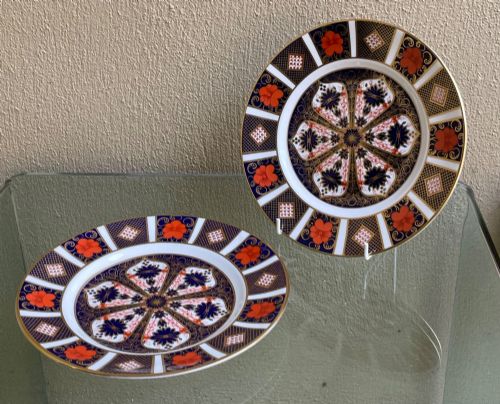
An antique imari cabinet plate brings rich blue, iron-red and gilt decoration to a wall or display surface.
Antique Imari Cabinet Plate
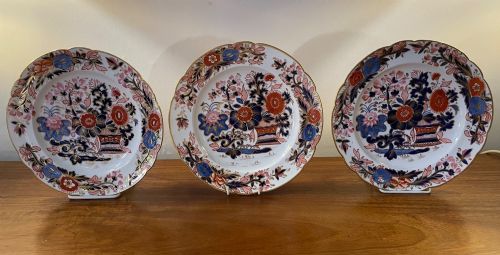
When you search for an antique imari cabinet plate, you are looking at ornamental ceramic dishes created for display rather than dining. The pieces seen here span centuries of production, originating from Japanese workshops as well as English factories imitating the aesthetic.
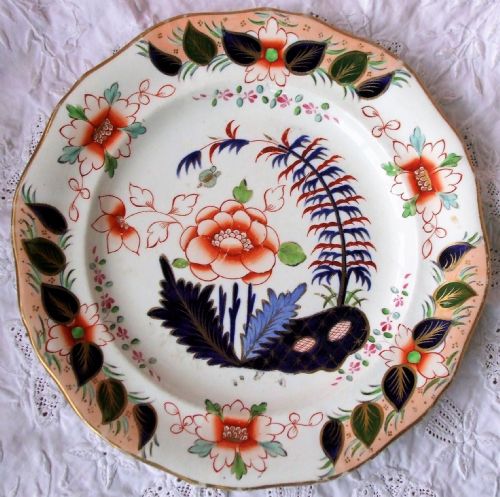
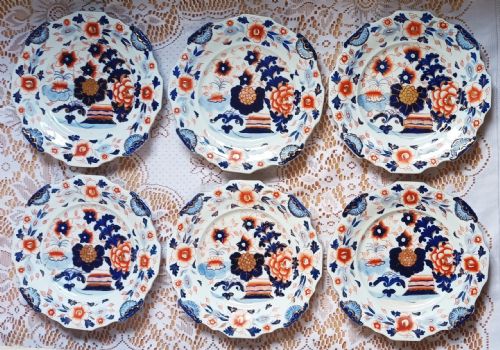
Japanese examples feature prominently among the listings, often dating to around nineteen hundred or the nineteenth century. English interpretations from the Georgian and Victorian periods also appear, utilising ironstone, porcelain and bone china to capture the distinctive palette.
Forms vary from standard circular plates to hexagonal shapes, scalloped edges and shell designs. These display pieces showcase intricate patterning derived from East Asian traditions adapted for Western and domestic markets.
How they were made
Potters shaped porcelain, ironstone, ceramic or bone china into plates and chargers before applying underglaze blue and vibrant enamel colours. Artisans then added gold leaf or gilt highlights to accentuate specific motifs within the design.
Firing techniques varied depending on whether the piece originated in East Asian kilns or English potteries such as Derby, Worcester or Masons. The combination of glaze, enamel and metallic leaf created the rich surface texture characteristic of the pattern.
Available forms range from standard circular plates to hexagonal designs and shell-shaped dishes.
What varies in quality
The crispness of the hand-painted enamel work and the precision of the underglaze blue separate standard examples from finer pieces. Superior items display meticulous brushwork and well-preserved gilding that remains bright across the surface.
The weight and refinement of the ceramic body also differ, with high-grade porcelain and dense ironstone offering a more substantial feel. Maker attribution, particularly to established English factories or specific Japanese periods, influences the standing of the piece.
John Davenport of Longport·Flight Barr And Barr·Chamberlain Worcester·John Ridgway·Royal Crown Derby·Masons Ironstone
The Antique Imari Cabinet Plate Glossary
- Imari palette
- A decorative scheme dominated by underglaze cobalt blue, iron-red enamel and gold. This specific colour combination originated in Japan and was later copied by European potteries.
- Ironstone
- A durable type of earthenware patented in the nineteenth century. It provided a sturdy body for colourful patterns used in daily service and display.
- Cabinet plate
- A decorative dish intended for display in a cabinet or on a wall rather than for practical dining use. These pieces often feature more elaborate ornamentation than table service wares.
- Kakiemon
- An asymmetrical Japanese ceramic style featuring delicate enamel painting of birds and flora. This aesthetic influenced European porcelain factories during the eighteenth and nineteenth centuries.
- Charger
- A large ornamental plate used traditionally for ceremonial purposes or as a base setting. In this context, it refers to oversized display dishes.
Antique Imari Cabinet Plate: Frequently Asked Questions
How do I tell Japanese imari from English imari?
Japanese examples typically use lighter body materials and distinct stylistic motifs rooted in East Asian traditions. English versions often employ ironstone or bone china and incorporate regional factory shapes.
Examining the foot ring and the underside of the ceramic helps reveal the origin. English pieces frequently carry factory marks or pattern names associated with domestic makers.
Can I hang a cabinet plate on the wall?
Many of these plates were designed specifically for visual display in cabinets or on walls. Using a properly fitted, coated wire hanger distributes the weight evenly without damaging the rim.
Ensure the hanging hardware is secure before mounting the dish. Avoid placement in direct sunlight to protect the enamel colours.
What periods do these plates come from?
The selection spans from the eighteenth century through to the mid twentieth century. Georgian and Victorian English pieces sit alongside Meiji period Japanese imports.
Dates are assigned based on stylistic evidence, factory marks and manufacturing materials. Earlier pieces often reflect direct trade influences while later items show industrial production shifts.
What is the difference between a plate and a charger?
Chargers are significantly larger than standard dining or cabinet plates, traditionally functioning as centrepieces or decorative wall pieces. Standard plates are smaller and suited for cabinet display.
Both forms utilise the imari palette but serve different visual scales within a collection. Chargers offer a broader surface area for intricate hand-painted narratives.