
Antique Hunting Painting
An antique hunting painting captures the kinetic energy of hounds, horses and rural pursuits across canvas and paper.
Antique Hunting Painting
An antique hunting painting brings together centuries of rural field sports, equestrian portraits and game still lifes.
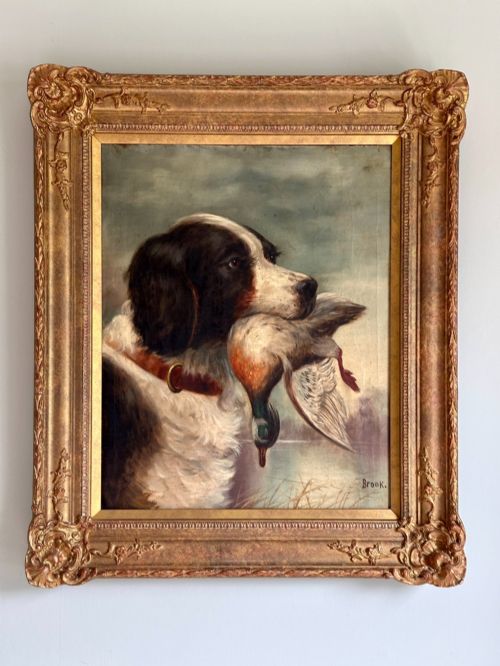
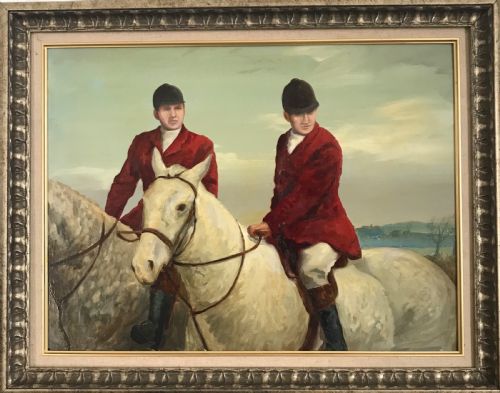
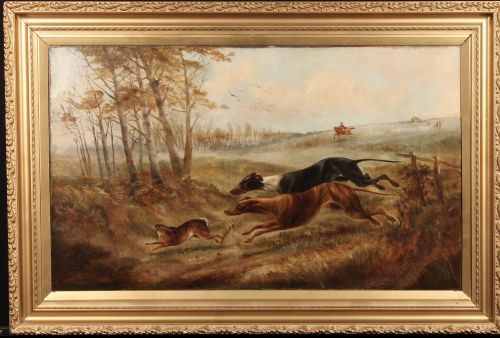
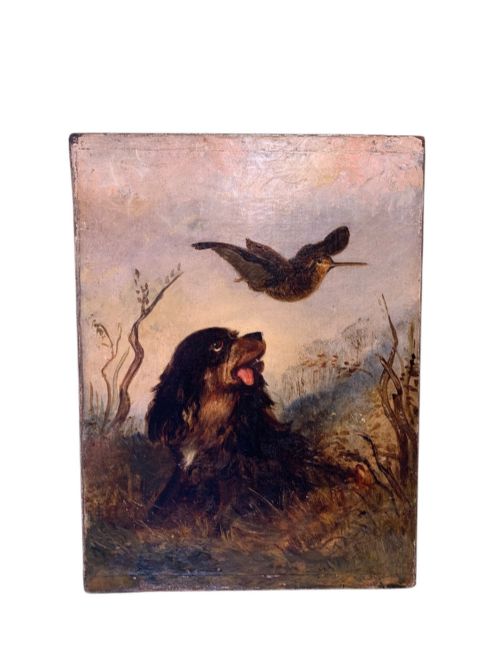
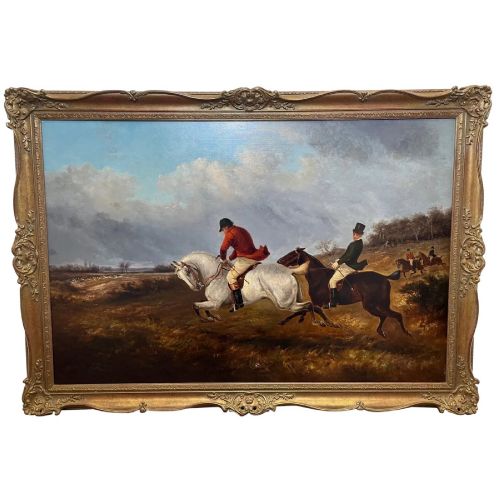
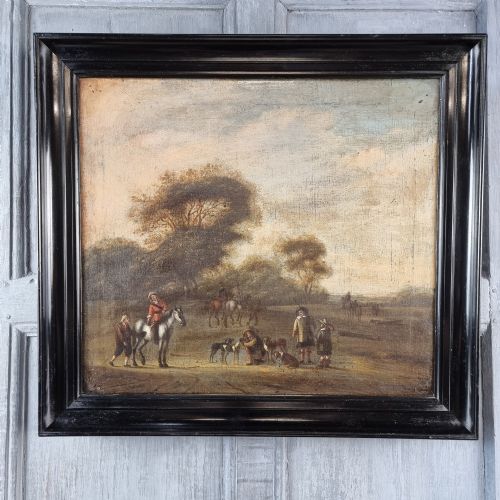
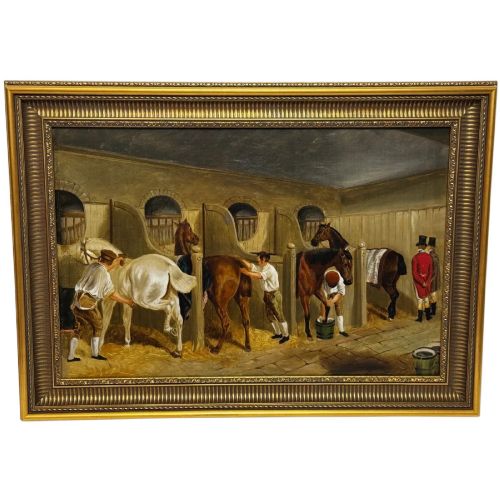
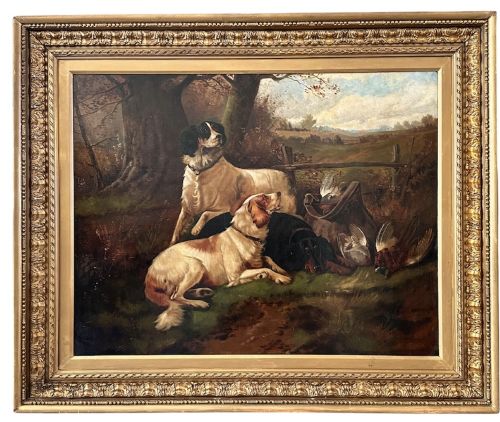
Buyers encounter depictions of mounted riders taking fences, packs of hounds in full cry and quiet studies of gun dogs with the day's bag.
The selections span Victorian canvases, Edwardian watercolours and earlier Georgian depictions of country gentlemen.
Materials and Methods
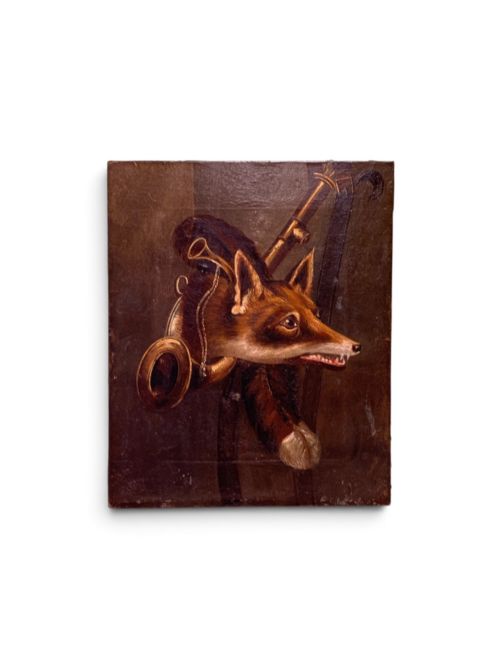
Artists relied primarily on oil paint applied to stretched canvas or wooden panels, capturing rich textures in horses' coats and woodland scenery.
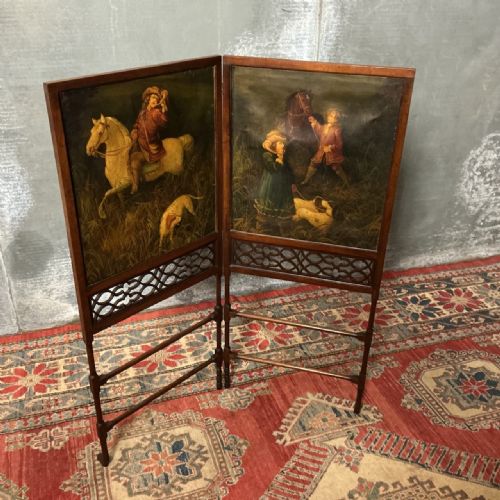
Watercolour and bodycolour on paper appear frequently in smaller works, alongside reverse paintings executed directly on glass.
Gilt wood frames often house these works, providing the period surrounds appropriate for nineteenth-century sporting art.
Listings feature works spanning from the seventeenth century through the Edwardian period, executed in oil, watercolour and reverse glass.
Evaluating Execution
Quality rests upon the artist's command of anatomy, particularly the muscular tension of galloping horses and the alert posture of pointers and spaniels.
Compositional balance separates standard decorative pieces from works by recognised sporting masters who accurately rendered landscape depth and atmospheric light.
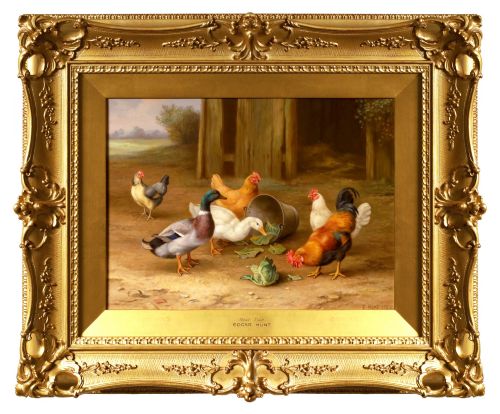
George Armfield·Edgar Hunt·Henry Alken·John Frederick Herring Senior·Arthur Wardle·John Nost Sartorius
The Antique Hunting Painting Glossary
- Bodycolour
- Water-based pigment mixed with a white filler to create an opaque finish, common in nineteenth-century watercolours.
- Trompe l'oeil
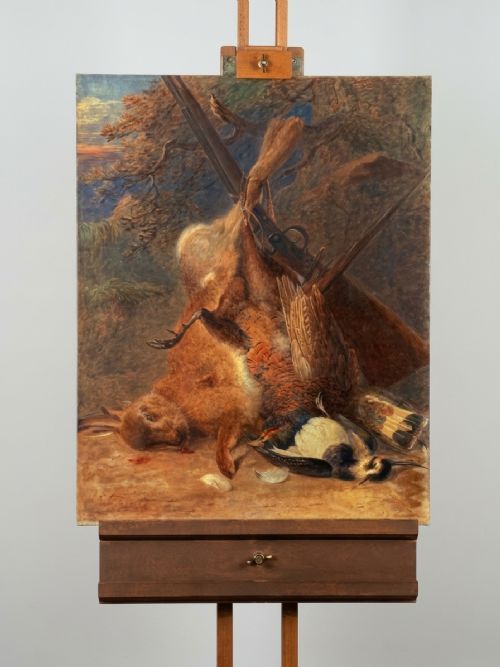
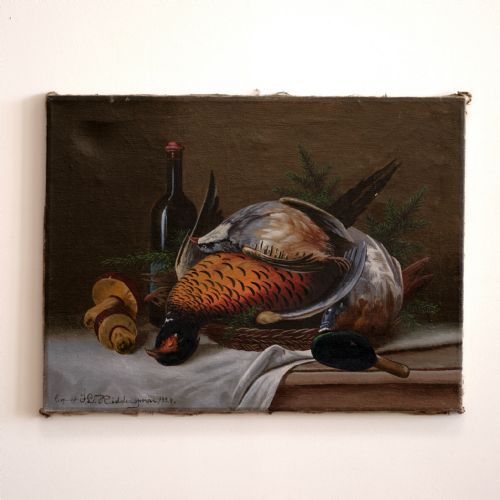
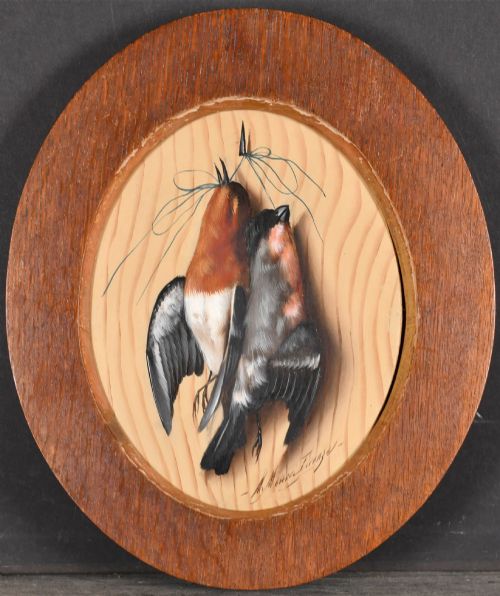
- A painting technique designed to create optical illusions of three-dimensional objects, often used in still life game compositions.
- Gilt wood
- Wood carved and coated with gold leaf or gold paint, utilised for traditional picture framing.
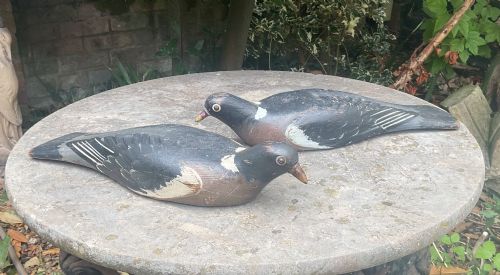
- Decoy
- Carved and painted wooden forms resembling birds, used in shooting practices and gathered alongside sporting art.
Antique Hunting Painting: Frequently Asked Questions
What subjects appear in these paintings?
The works depict fox hunting, equestrian scenes, gun dogs with game, and coaching journeys across rural landscapes. Artists focused heavily on horses, hounds and country pursuits.
Still life paintings of dead game, hares and songbirds also form a major part of this artistic tradition.
How do I date a sporting painting?
Dating relies on costume details, framing styles, and stretcher construction behind the canvas. Nineteenth-century works often bear signatures or exhibition labels.
Stylistic shifts between Georgian precision and Victorian romanticism provide further chronological clues.
Where should I hang these pieces?
These works suit traditional studies, libraries and living spaces, echoing the country house aesthetic. Pairing them with wood furniture or period accessories enhances the display.
Direct sunlight should be avoided to protect nineteenth-century watercolours and oil pigments.
What is the difference between oil and watercolour?
Oil paintings use slow-drying pigments on canvas or wood panels, offering deep texture and rich colour blending. Watercolours use pigment suspended in water on paper, providing a lighter finish.
Watercolours are typically mounted behind glass for protection against moisture.