
Antique Hunting Dog
These antique hunting dog pieces capture centuries of field sports through bronze, oil, and Staffordshire pottery, offering collectors a tangible piece of canine heritage.
Antique Hunting Dog
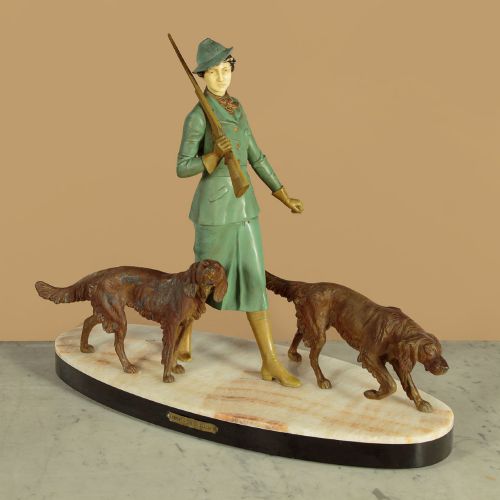
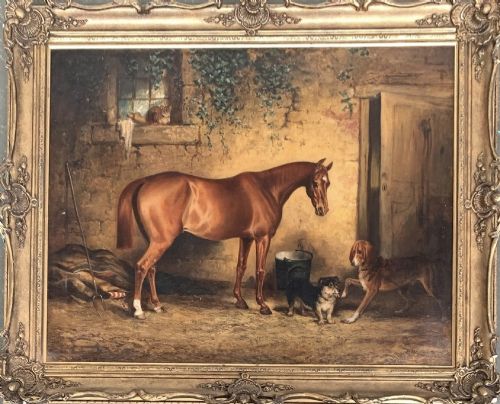
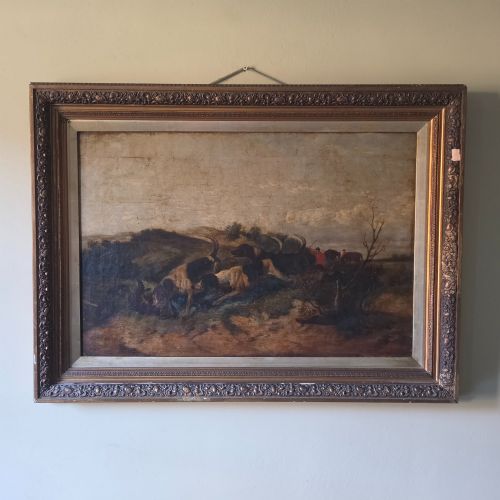
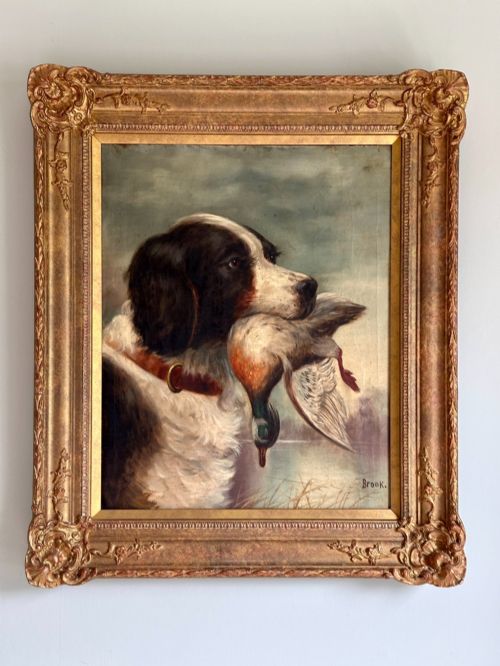
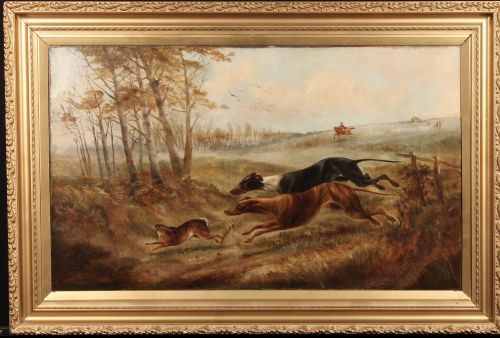
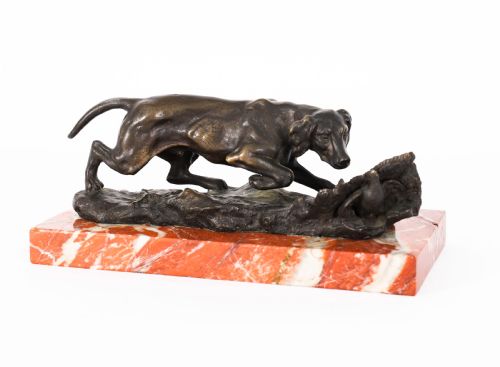
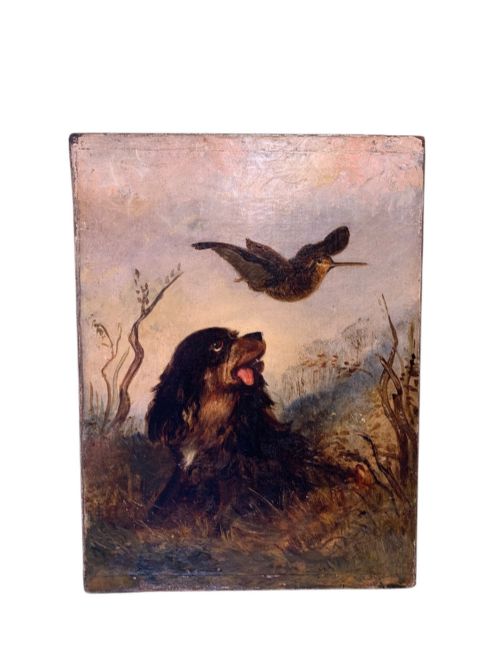
When you search for an antique hunting dog, you encounter works that celebrate the sporting bond between humans, hounds, and gundogs across varied material culture. The versions you are most likely to meet on this page span oil paintings on canvas, bronze sculptures, and Staffordshire pottery figures.
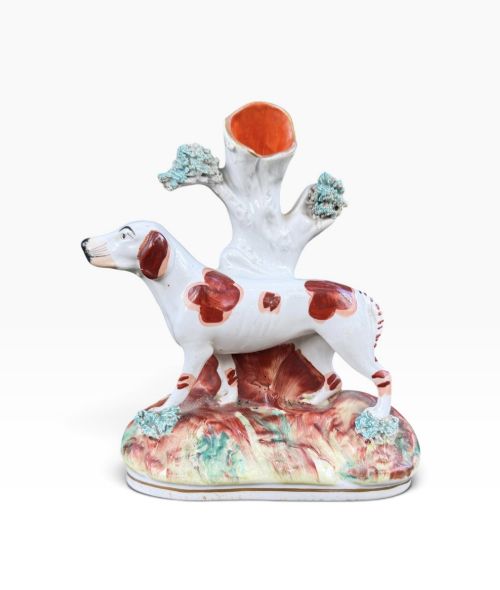
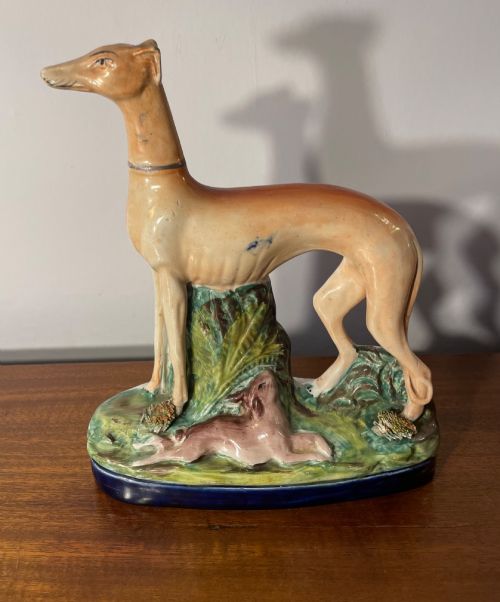
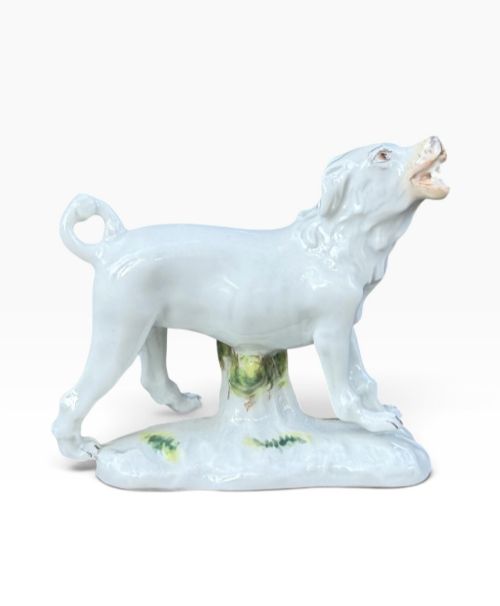
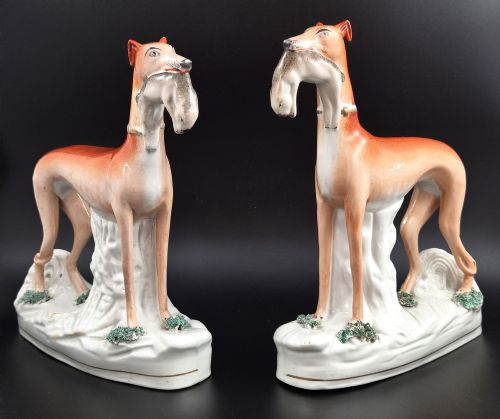
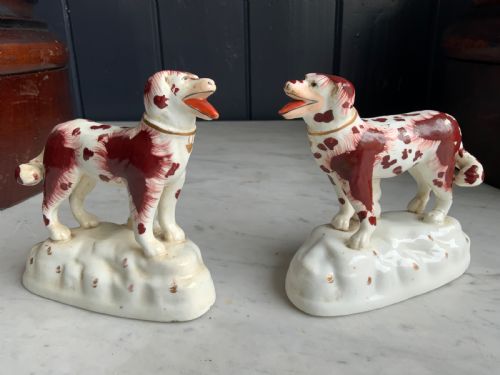
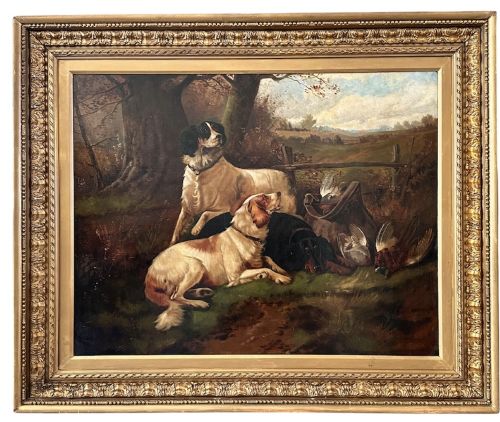
The selections range from Victorian Staffordshire greyhound pairs and spill vases to French animalier bronzes and detailed oil portraits of pointers, setters, and hounds in rural landscapes. These objects reflect the prominence of field sports and canine companionship in domestic interiors across the eighteenth, nineteenth, and early twentieth centuries.
How they were made
Makers utilised traditional mediums such as oil paints on canvas, cast bronze, and earthenware pottery to capture the anatomy and movement of sporting dogs. Sculptures often involved the lost-wax casting method for bronze or moulded clay for pottery, finished with hand-painted glazes or patination.
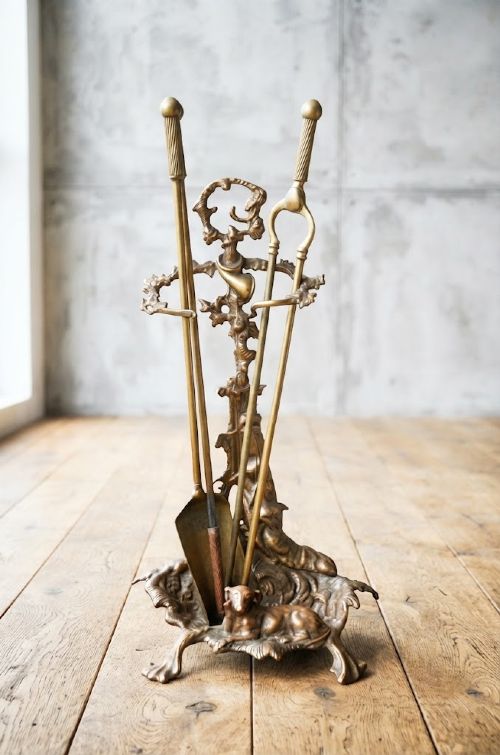
Painters layered oils to render the texture of a gundog's coat and the play of light across landscape backgrounds, while silversmiths and ironfounders shaped metals for brooches, whistles, and fire stands.
Materials represented across the selection include wood, canvas, bronze, earthenware, glass, marble, and gilt.
What varies in quality
The distinction between tiers rests upon anatomical accuracy, the expressiveness of the canine subject, and the fidelity of the artist's hand. Finer works display meticulous attention to muscle structure, realistic fur textures, and well-composed landscape settings rather than generic representation.
In pottery and bronze, superior execution shows in crisp moulding lines, delicate hand-painting, and rich patination that retains depth, whereas lesser examples rely on heavy glazes that obscure detail or stiff, formulaic postures.
Thomas Parr factory·Henry Barraud·George Stubbs·Carl Kauba·John Sargent Noble·Edwin Henry Landseer·C. H. Weigall·John Frederick Herring Senior·Thomas Hicks·Arthur Wardle·Jules Moigniez·Peter Spicer·Delabrierre·Rene Lalique·Colin Graeme Roe·Samuel Raven·J F Marie Huet Villiers·William Woollett
The Antique Hunting Dog Glossary
- Animalier
- A nineteenth-century artistic movement dedicated to the realistic portrayal of animals, particularly predators, horses, and hounds. Sculptors in this tradition worked extensively in bronze.
- Spill vase
- A hollow pottery vessel designed to hold taper spills for lighting fires or pipes. These often took the form of tree trunks beside seated dogs.
- Gundog
- A category of dog bred to assist hunters in finding and retrieving game. In art, these include pointers, setters, spaniels, and retrievers.
- Hare coursing
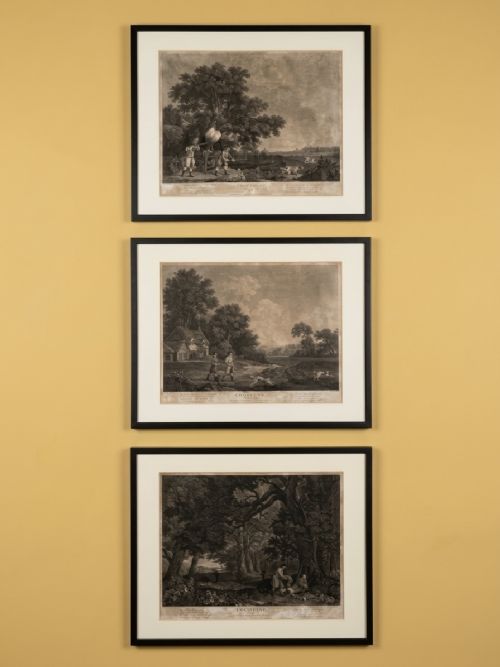
- A traditional field sport involving greyhounds or other sighthounds chasing hares by sight. Depictions of this pursuit appear frequently in nineteenth-century prints and paintings.
Antique Hunting Dog: Frequently Asked Questions
How do I identify Staffordshire pottery dogs?
Staffordshire pottery dogs typically feature earthenware figures made in the Midlands of England, often depicting greyhounds, spaniels, or poodles. They are recognised by their hand-painted glazes and moulded forms, frequently created as pairs for mantelpieces.
Many examples include hollow backs or spill vase attachments designed for practical household use.
What subjects appear in hunting dog art?
Artworks featuring hunting dogs commonly portray pointers, setters, and bloodhounds in rural landscapes, moorlands, or accompanying gun sports. Scenes often include retrieved game, hares, or mallard drakes alongside the dogs.
These paintings and prints document the central role of field sports in historical country life.
How should I display antique dog sculptures?
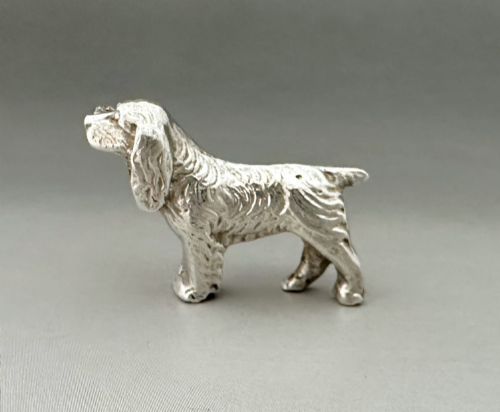
Antique dog sculptures in bronze or ceramic suit stable shelf spaces, mantelpieces, or designated display cabinets away from direct heat sources. Their varied sizes allow them to integrate easily into existing interior arrangements.
Maintaining moderate room temperatures helps preserve the integrity of both painted pottery finishes and metal patination.