



Antique Hunting Ceramics
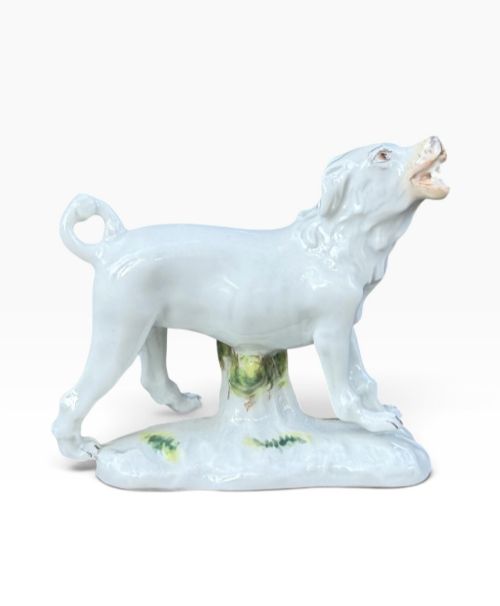
Antique hunting ceramics encompass earthenwares, porcelains, and stonewares depicting sporting dogs, stags, and quarry that collectors seek for thematic displays.
Antique Hunting Ceramics
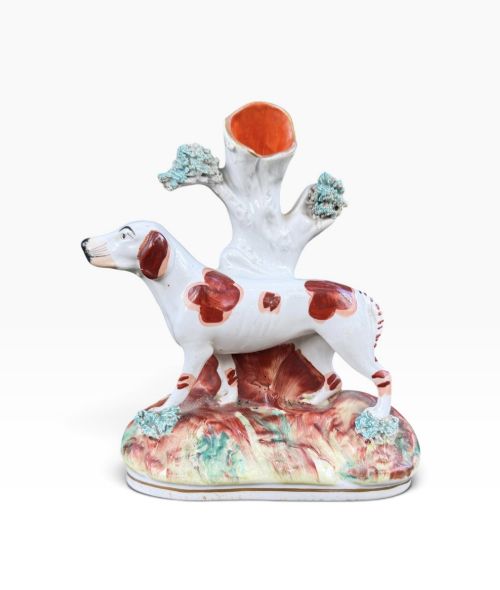
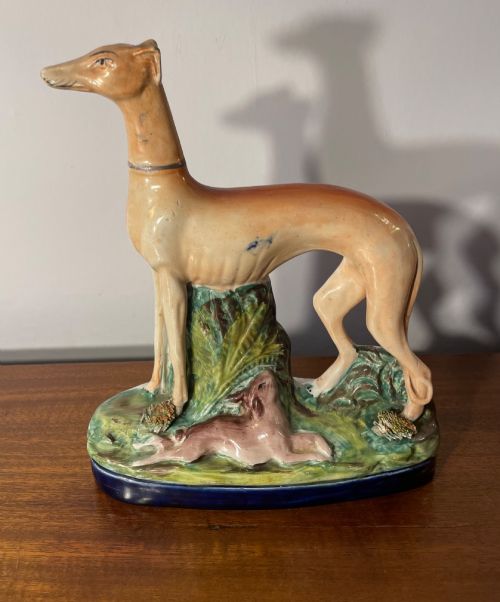
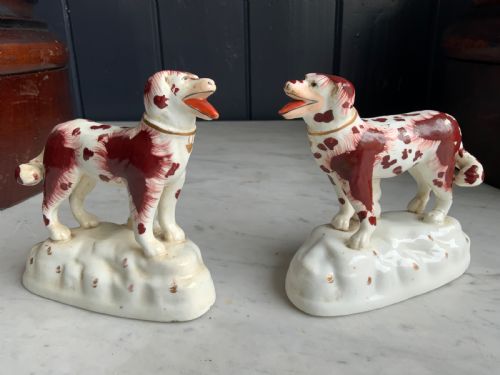
Antique hunting ceramics span figures, spill vases, jugs, and mugs referencing field sports, ranging from Georgian relief-moulded ale vessels to Victorian Staffordshire greyhounds and setters. Buyers encounter earthenware figures of hounds with hares alongside porcelain groups and transfer-printed plates.
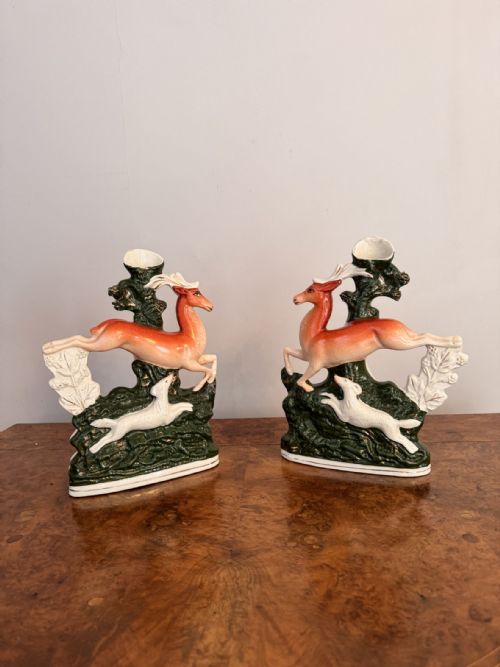
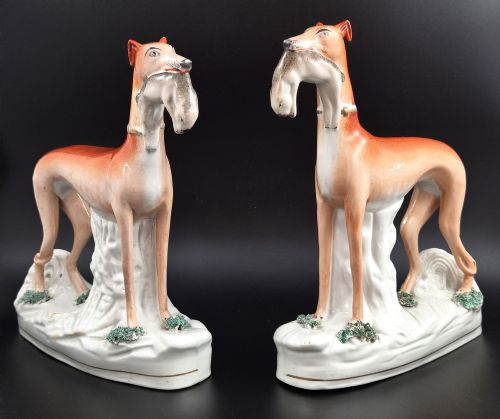
Staffordshire pottery dominates the available selection, particularly spill vases and pairs of greyhounds created during the Victorian era. These animal figures and narrative tablewares celebrate rural pursuits through modelled ceramic forms.
How they were made
Potters utilised earthenware and porcelain bodies, shaping figures and vessels through pressing, moulding, and casting. Stoneware tygs and harvest jugs relied on dense, impervious clay bodies fired at high temperatures.
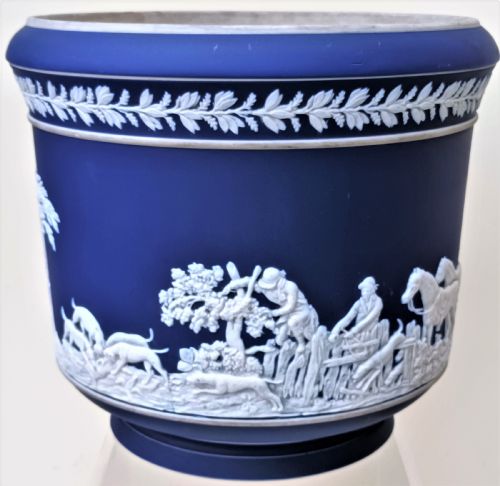
Glazes included lead glazes and enamel colours applied over transfer-printed or hand-painted hunting scenes. Relief moulding provided textured surfaces for jugs and jasperware pieces.
Certain loving mugs conceal small ceramic frogs inside the vessel, designed to surprise drinkers as the liquid level recedes.
What varies in quality
Quality rests in the crispness of the moulding and the sensitivity of the hand-painting, particularly on animal faces and landscape details. Earlier pieces often display sharper relief and more carefully applied pigments than mass-produced later outputs.
Condition and completeness separate standard examples from finer survivals, especially on fragile spill vases and multi-piece tea sets. Pairs that remain together carry greater significance than separated single items.
Thomas Parr factory·William Adams and Sons·James Dudson·Enoch Wood factory
The Antique Hunting Ceramics Glossary
- Spill vase
- A hollow ceramic vessel designed to hold taper matches for lighting candles or fires. These often depict dogs with game at the base.
- Jasperware
- A fine-grained, unglazed stoneware developed with contrasting applied white relief decorations over a coloured body. Blue varieties appear frequently in Victorian jardinieres.
- Tyg
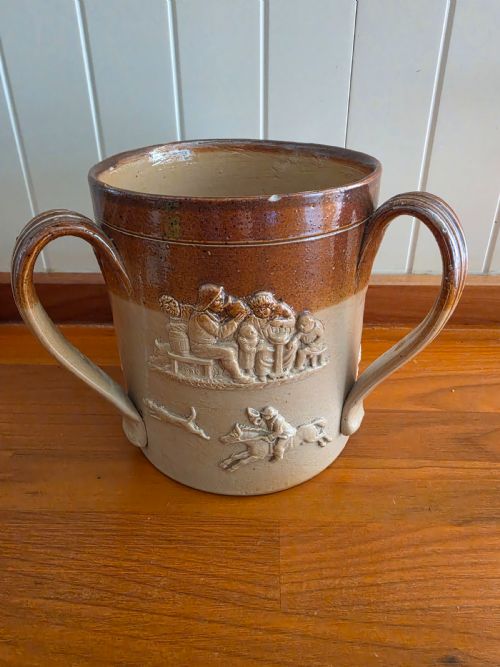
- A large drinking vessel featuring three or more vertical handles designed for communal passing. Early examples occur in salt-glazed stoneware.
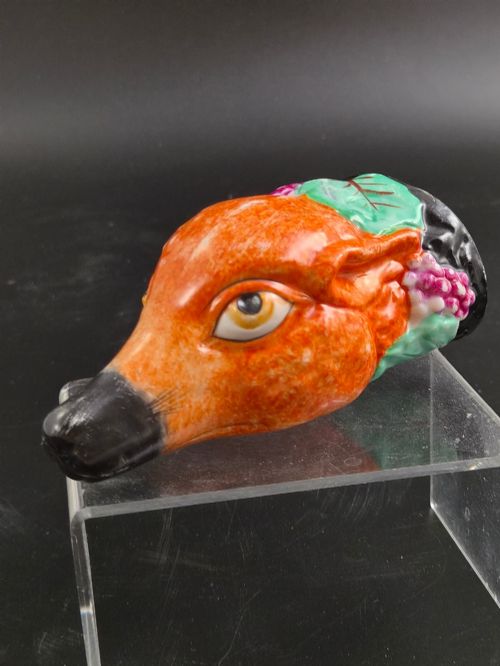
- Stirrup cup
- A ceramic cup modelled in the shape of an animal head, traditionally handed to riders before a hunt. These porcelain and earthenware vessels often take hound or fox forms.
- Transfer printing
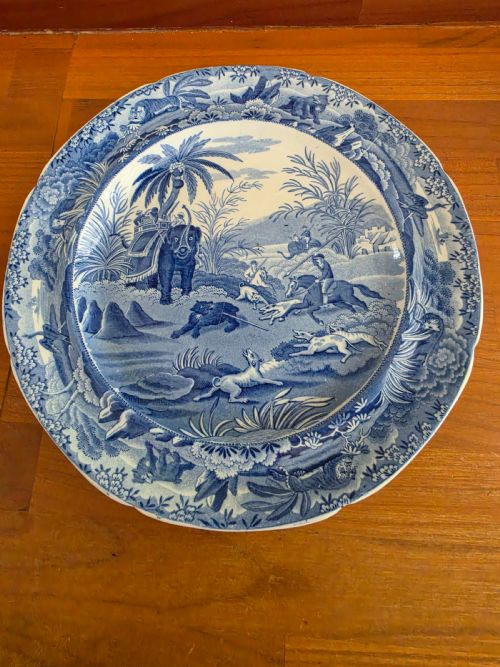
- A decoration technique involving the transfer of an engraved ink design from a copper plate onto paper and then onto the ceramic body. This method produced detailed hunting scenes on plates and mugs.
Antique Hunting Ceramics: Frequently Asked Questions
What are antique hunting ceramics?
These pieces comprise ceramic figures, vessels, and tablewares decorated with sporting subjects, hounds, and game animals. They reflect historical rural pursuits through 19th-century and Edwardian craftsmanship.
Collectors find Staffordshire figures, German porcelain, and English stoneware sharing common themes of the chase and country life.
How do I date Staffordshire dog figures?
Dating relies on modelling styles, base characteristics, and glaze types. Earlier pieces often show more naturalistic postures and simpler underglaze markings.
Victorian examples frequently pair greyhounds with hares or incorporate spill vases behind the animal figures.
How were hunting jugs used?
Large harvest jugs and pitchers served ale and cider during rural gatherings and post-hunt celebrations. Their sturdy earthenware and stoneware construction suited communal dining.
Transfer-printed scenes and relief moulding connected the vessels directly to the themes of field sports and agriculture.
Where should I display ceramic figures?
Display these pieces on stable shelves or within enclosed cabinets away from direct sunlight and heavy traffic. Pairs of greyhounds or candlesticks look best balanced symmetrically on mantelpieces.
Ensure larger items like jardinières and harvest cups rest on solid surfaces capable of supporting their weight.