
Antique Hunter Pocket Watch
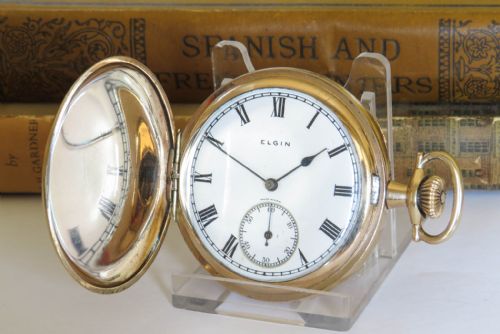
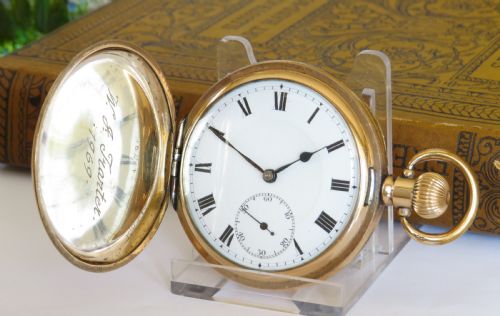
When you search for an antique hunter pocket watch, you are seeking a timekeeper with a protective metal lid over its glass dial.
Antique Hunter Pocket Watch
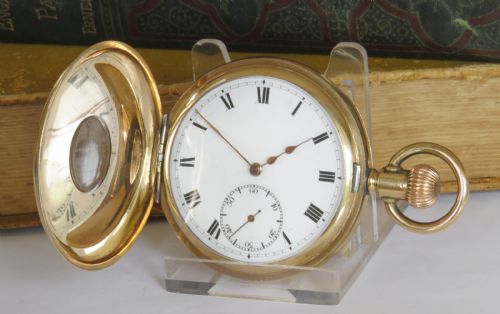
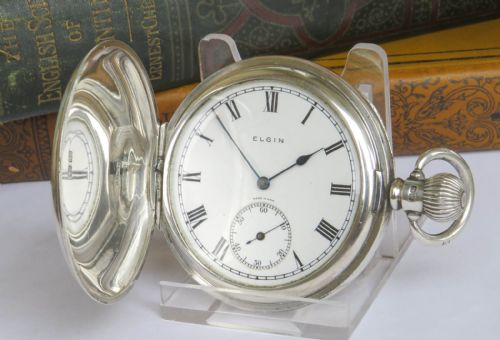
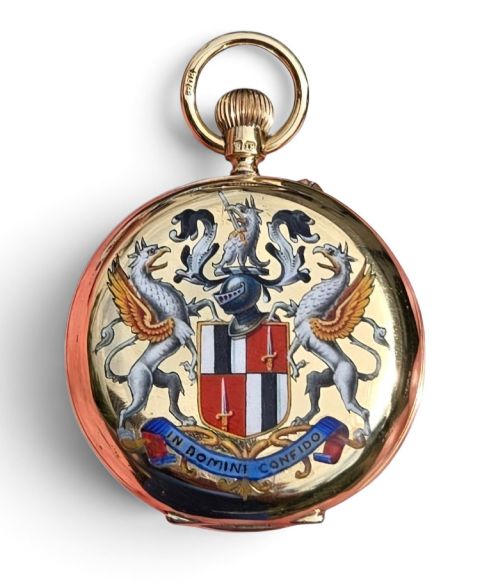
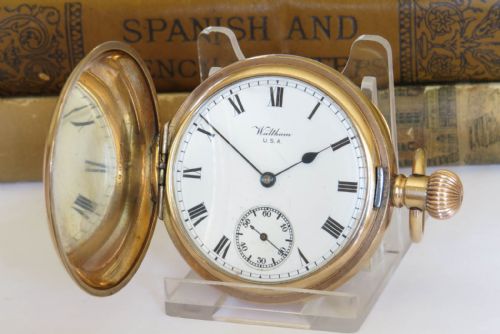
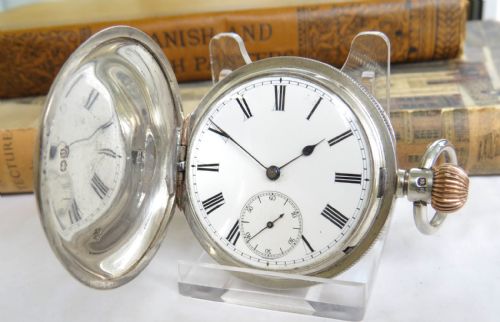
The antique hunter pocket watch is defined by its hinged metal cover, designed to shield the delicate glass face from scratches and knocks during daily wear. This protective outer lid distinguishes it from the open-face design, requiring the user to press a crown-mounted pusher to spring the cover open before reading the time.
Examples span from the late Victorian era through the Edwardian period and into the Interwar years, reflecting changing fashions in horology. Specimens range from heavy, ornate gold presentation pieces to sturdy silver models issued for railway service or civic awards.
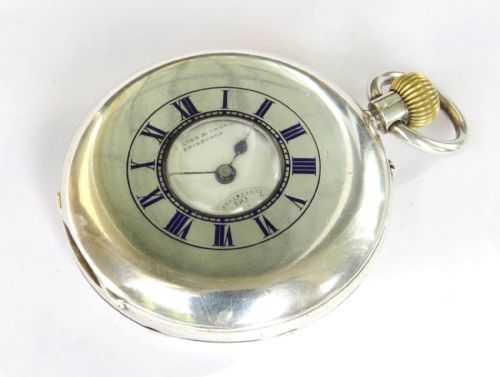
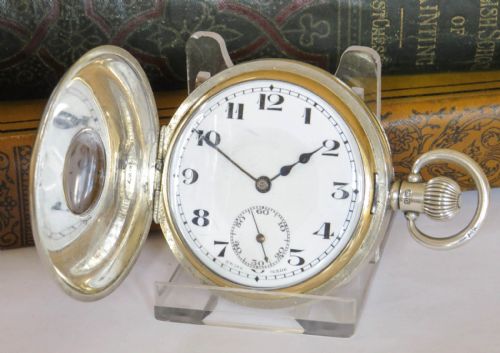
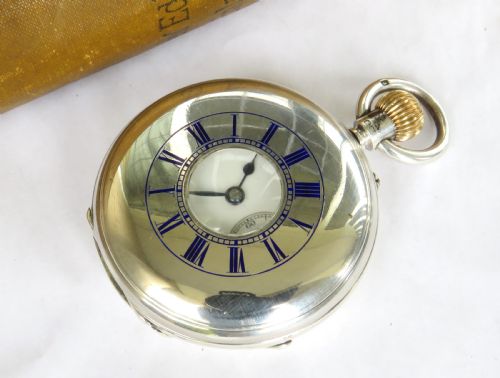
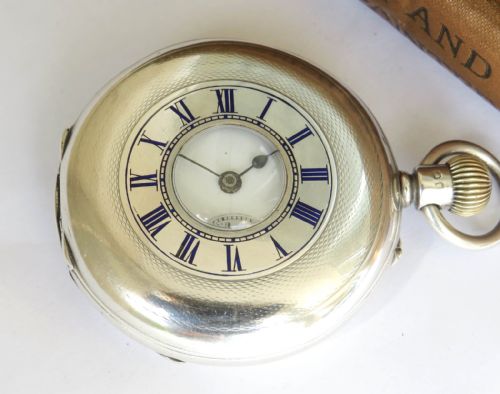
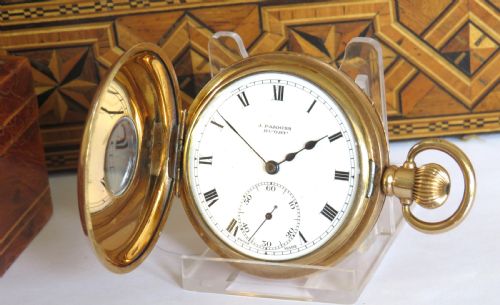
The selection here encompasses both full hunter versions, where the dial is completely hidden beneath metal, and half hunter variants. Half hunter pieces feature a small glass aperture ringed with enamel numerals on the outer lid, allowing the wearer to check the hands without opening the case.
Materials and Construction
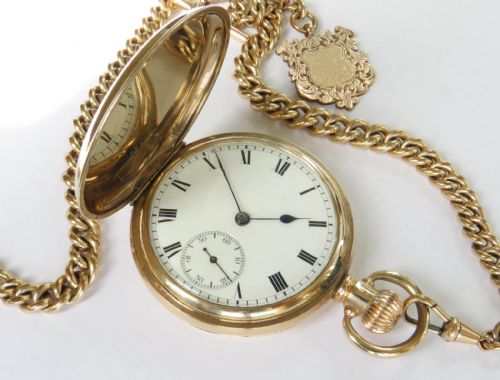
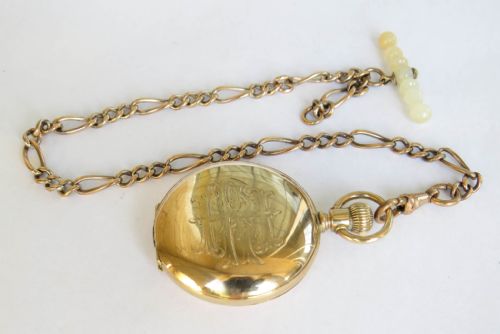
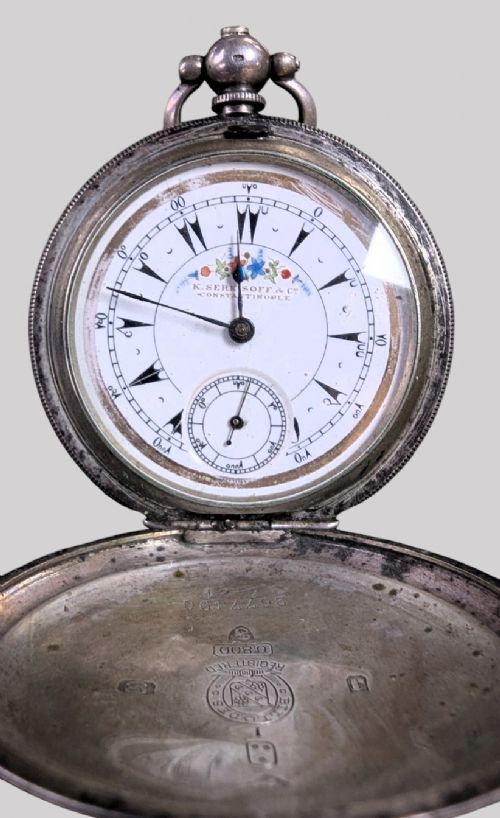
Cases were fashioned from a variety of metals, shifting from solid sterling silver and high-carat gold to durable gold plate and gold filled alternatives. Finer specimens display intricate engine-turned patterns, niello-ware details, or hand-engraved scrollwork across the exterior covers.
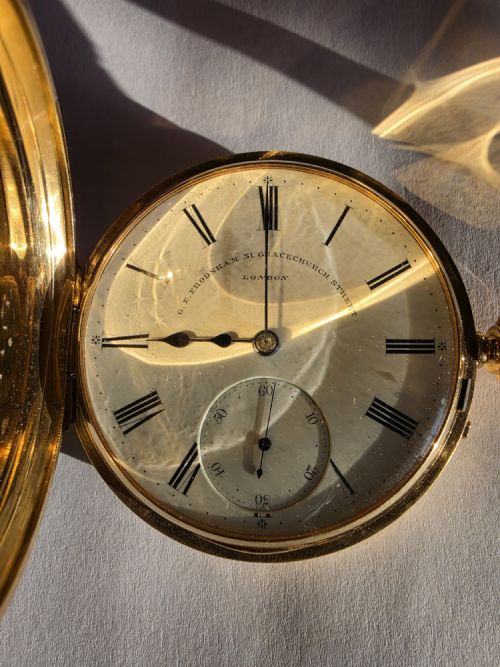
Mechanically, these timepieces rely on traditional jewelled lever movements, though earlier pieces from the nineteenth century utilise fusee mechanisms to maintain even tension as the mainspring unwinds. Dials were predominantly white enamel with painted Roman or Arabic numerals, paired with delicate blued steel hands.
Certain pieces record civic bravery awards and railway service histories, carrying tales of heroism right inside their heavy metal covers.
Distinctions in Quality
Superior quality in an antique hunter pocket watch is evident in the precision of the movement and the weight of the metal case. High-grade mechanisms feature a greater number of jewels to reduce friction, micro-regulators for exact timing, and damascened bridges.
The integrity of the case hinge and the snap of the spring mechanism also separate standard production items from masterwork creations. Solid gold or heavy silver cases with crisp, unrubbed engine-turning and uncompromised enamel dials represent the peak of the maker's art.
Hamilton and Inches·George Edward Frodsham·Waltham·Elgin·Longines·R. Stewart Glasgow·Urania·Revue·Corgémont·Tiffany and Co·J W Benson·Rotherhams·Baume and Co
The Antique Hunter Pocket Watch Glossary
- Hunter
- A pocket watch featuring a hinged metal cover that protects the dial from damage. The spring-loaded lid opens via a button integrated into the winding crown.
- Half Hunter
- A pocket watch style where the outer metal lid incorporates a glass window surrounded by enamel markers. This permits the wearer to read the hours without releasing the main cover.
- Fusee
- A conical pulley device used in older mechanical watches to equalise the torque of the mainspring as it runs down. This system ensures consistent power delivery to the escapement for improved accuracy.
- Enamel
- A glassy substance fused to metal through high-temperature firing, commonly utilised for watch dials and exterior case decoration. It provides a durable, smooth surface that resists fading over decades.
- Engine-turned
- A decorative geometric pattern mechanically engraved into metal surfaces using a rose engine lathe. This technique creates precise, repeating textures that catch the light.
Antique Hunter Pocket Watch: Frequently Asked Questions
How do I open the front cover?
Most hunter pocket watches open by firmly depressing the button located in the centre of the winding crown at the top of the case. This action releases the internal spring catch and snaps the protective lid upward.
Forcing the cover open manually without pressing the crown pusher can damage the delicate hinge mechanism over time.
Are these watches suitable for daily wear?
While these timepieces were built for everyday use by past generations, antique movements require gentle handling and regular professional servicing. They lack modern shock resistance and water sealing, meaning they need protection from drops and moisture.
Many collectors enjoy carrying them in a dedicated waistcoat pocket secured with a matching chain.
How do I wind a mechanical pocket watch?
Gently rotate the crown between your thumb and forefinger in a clockwise direction until you feel firm resistance. Stop winding immediately once you feel this tension to avoid snapping the mainspring.
Most vintage movements require winding once a day to maintain continuous operation.