




Antique Horse Drawing
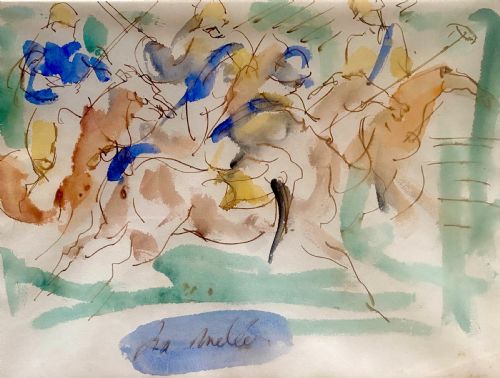
An antique horse drawing captures the power and elegance of equines through delicate lines on paper.
Antique Horse Drawing
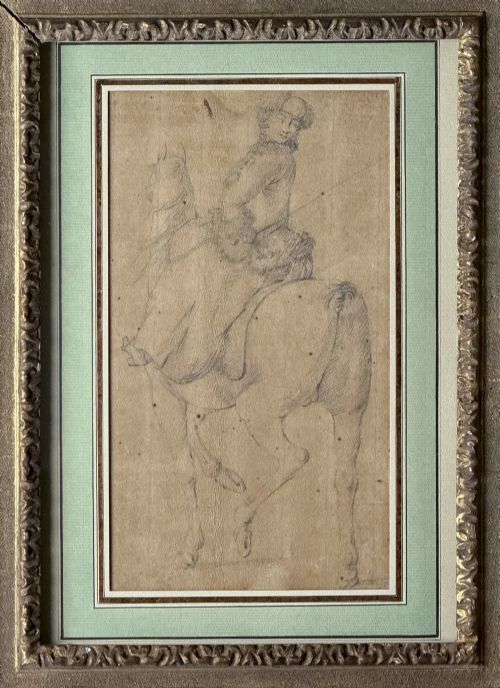
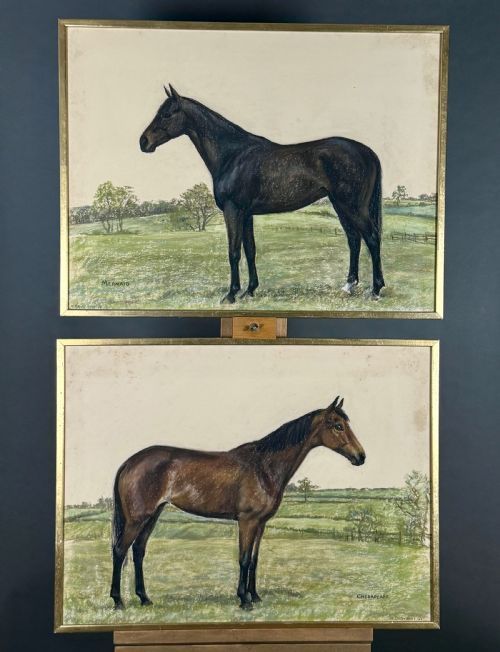
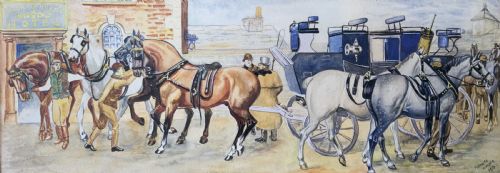
When you search for an antique horse drawing, you encounter works on paper executed in mediums such as chalk, pencil, pastel, and watercolour. These pieces range from early eighteenth-century Northern European equestrian studies to nineteenth-century coaching scenes and Edwardian depictions of trotting horses harnessed to carts. You are most likely to meet Victorian and Edwardian works on paper capturing working animals, hunting subjects, and street scenes.
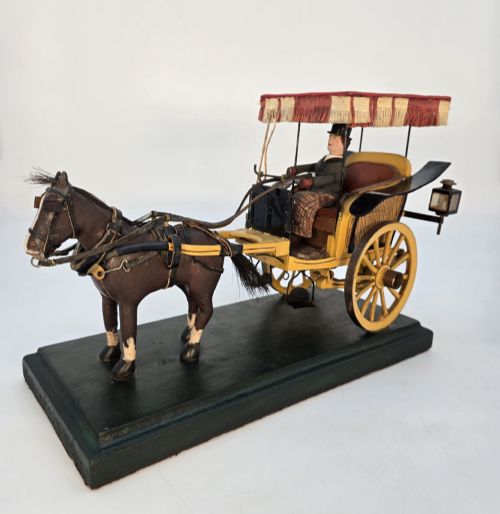
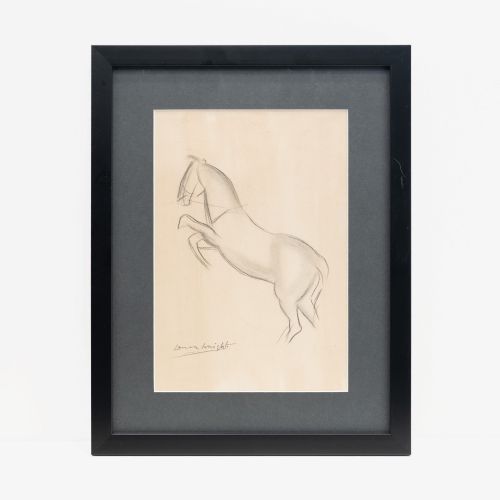
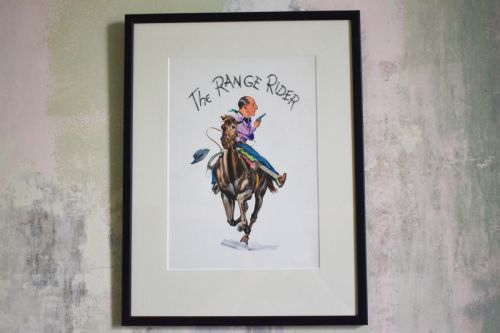
The selection includes framed artwork and standalone sheets originating from English School, French, and Vernacular Folk Art traditions. Many capture horses in motion, pulling traps, carriages, and stagecoaches across townscapes and country tracks. Others focus closely on the animal's form through detailed equestrian studies executed by named artists and regional hands.
Beyond direct sketches, the material encompasses related works on paper that place horses at the centre of historical or genre narratives. These span from military cavalry encounters to peaceful rural landscapes featuring logging carts and plough teams. Each piece preserves a distinct record of how earlier generations observed and recorded horses in daily life.
Materials and execution
Artists relied primarily on paper supports, applying mediums such as graphite, charcoal, chalk, pastel, and watercolour to build their compositions. Watercolour pigments combined with ink outlines provided fluid movement, while charcoal and heightened chalk added dramatic shadow and texture to street scenes and equestrian studies.
Framing materials varied according to the period, utilising woods such as oak and walnut to protect the delicate paper surfaces. Many works incorporate protective glass, preserving the original pigments and preventing the fading of nineteenth-century watercolours and pastels over generations of display.
Factors of quality in equestrian art
Quality in an antique horse drawing rests upon the surety of the draughtsmanship and the artist's ability to convey equine anatomy and movement accurately. Superior examples display confident, unhesitating lines that capture the tension of muscle and the weight of the animal, whereas lesser works often exhibit stiff proportions and awkward poses.
The preservation of the paper support and the vibrancy of the original medium significantly influence the piece. Strong, unfaded pigments and clean paper without excessive foxing or damp staining distinguish higher-grade watercolours and pastel drawings from neglected items.
Cecil Charles Windsor Aldin·Albert Ludovici Jnr·William Manners·Charles James Lauder·Samuel Henry Alken·Eduard Leon Cortes·John Charles Maggs·Charles H Poingdestre·Johan Noah Bemmel·John Richard Worsdale·Donald Wood·Frank Saltfleet·Henry H Parker·Fred Lawson·John Baragwanath King·Thomas Rowlandson·George Wright·C Keene·Auguste Rousselin
The Antique Horse Drawing Glossary
- Equestrian study
- A drawing or painting focusing specifically on the anatomy, form, and movement of horses. These works often served as preparatory sketches or detailed observational pieces for larger compositions.
- Watercolour
- A painting method where natural pigments are suspended in a water-based, transparent solution applied to paper. It allows for delicate washes and layered tones particularly valued in nineteenth-century British landscape and animal art.
- Pastel
- A dry medium composed of powdered pigment and a binder, shaped into sticks for drawing. It creates velvety textures and rich colour saturation on paper surfaces.
- Chalk drawing
- An artwork executed using natural or prepared chalk minerals on tinted or white paper. Artists utilised heightened chalk to introduce stark contrasts of light and shadow.
- English School
- A classification for artworks produced by artists trained or working within England during a particular era. It encompasses diverse regional styles ranging from formal academic painting to vernacular folk art.
Antique Horse Drawing: Frequently Asked Questions
What subjects appear in these drawings?
The works depict horses in various settings, ranging from formal equestrian studies and hunting scenes to working animals pulling stagecoaches, logging carts, and light traps. Many also capture urban street scenes and military encounters involving cavalry.
Artists focused on both the practical utility of horses in transport and agriculture, and their aesthetic form in motion. This provides a varied record of equine life across the eighteenth, nineteenth, and early twentieth centuries.
How should I frame and display works on paper?
Works on paper require conservation-grade framing behind protective glass to shield them from dust, physical damage, and handling. Acid-free mounts prevent chemical degradation of the paper over time.
Display them away from direct sunlight and high humidity to prevent the fading of watercolours, pastels, and inks. Stable indoor temperatures ensure the paper support does not warp or develop foxing.
How do I distinguish nineteenth-century drawings?
Nineteenth-century drawings often reveal their age through the characteristics of the paper support, framing methods, and stylistic conventions. Hand-laid or early machine-made papers frequently bear watermarks or tactile qualities distinct from modern synthetic sheets.
Signatures, inscriptions, and framing remnants on the reverse often point to specific schools or framing establishments active during the Victorian and Edwardian periods. Comparing handling techniques with documented works from the same era confirms attribution.
Were these drawings created as studies or finished works?
Some pieces functioned as preliminary anatomical studies or quick field observations intended for the artist's reference. Others were completed as independent, highly detailed works designed for exhibition and framing.
Finished watercolours and pastels often feature signatures, dates, and careful composition suitable for immediate display. Both categories offer insight into the working methods of period artists.