
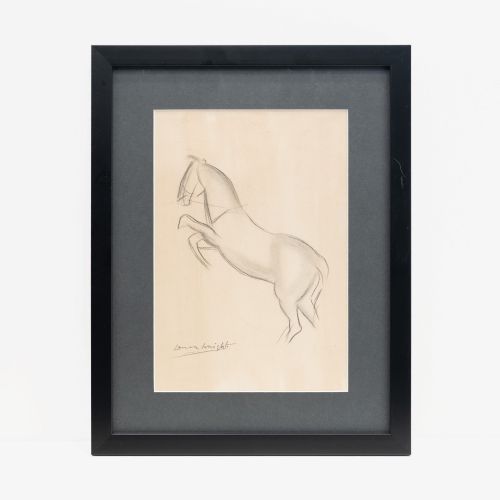

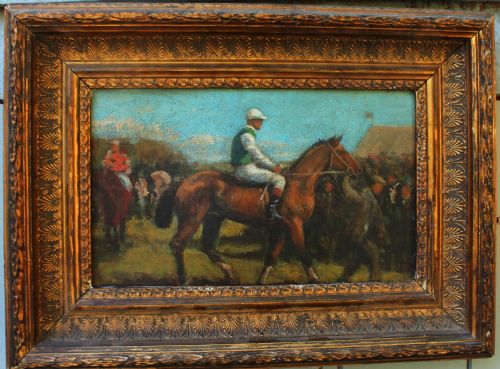


Framed Equestrian Study
A framed equestrian study captures the power and elegance of the horse, offering an enduring focal point for any traditional interior.
Framed Equestrian Study
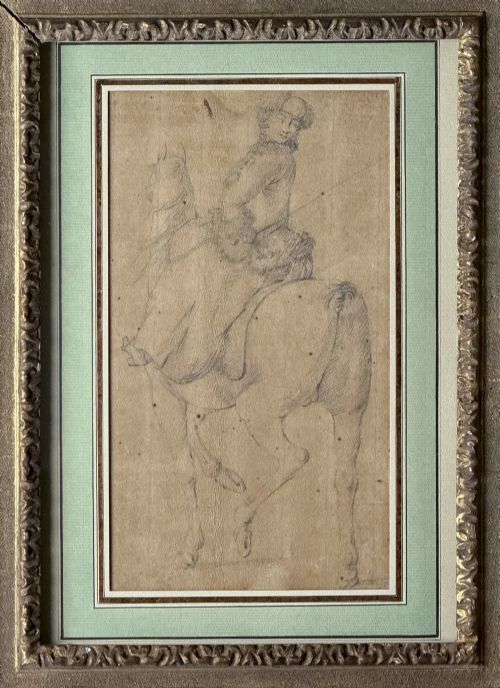
A framed equestrian study brings together works focusing on horses, riders, and racing scenes across multiple centuries. Buyers encounter diverse interpretations ranging from early eighteenth-century Northern European school drawings to twentieth-century modern British compositions.
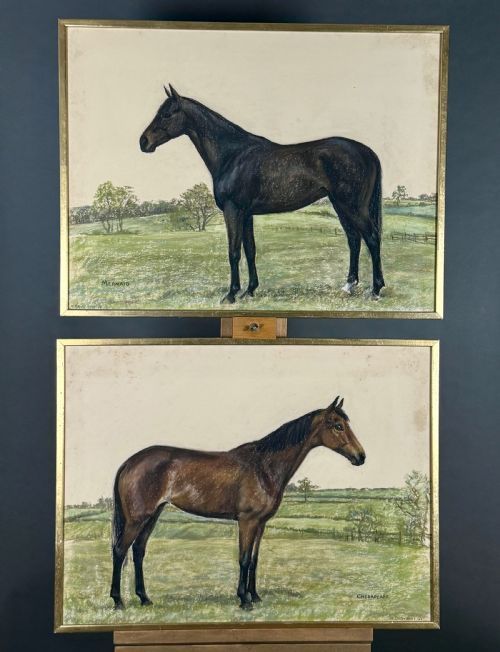
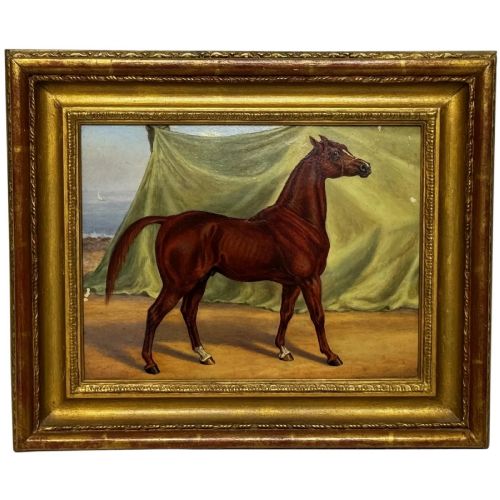
The selection on this page relies heavily on framed artwork, oil paintings, watercolours, and antique engravings. Traditional English school pieces and colonial works frequently appear alongside intimate pencil sketches and larger oil on canvas studies.
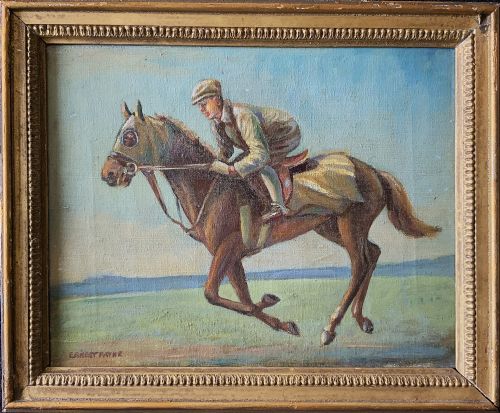
Most pieces show thoroughbreds, racing stables, or portrait studies of notable mounts and jockeys. These varied formats provide collectors with options spanning simple educational prints to finished cabinet paintings.
How they were made
Artists historically employed oil on canvas or board to achieve rich textures and deep tones in racecourse and stable scenes. Watercolour and graphite on paper allowed for swift, accurate recording of equine anatomy during live sessions.
Pastel and pen and ink techniques offered alternative methods for capturing the precise movement of a rearing horse or a battle scene. Photographic prints utilised early twentieth-century darkroom methods before being framed and glazed for display.
Listings feature works spanning the eighteenth century to the 1960s, executed in oil, watercolour, ink, and pastel.
What varies in quality
Quality rests upon the artist's anatomical accuracy in rendering the horse's musculature and movement. Superior works demonstrate a confident line and correct proportions rather than rigid, formulaic depictions.
The integration of the subject within its environment, whether a paddock or a garrison town, distinguishes accomplished execution. Evidence of hand manipulation in early drawings and the permanence of pigments in oil paintings further separate standard output from masterworks.
Ernest Payne·Dame Laura Knight·Alfred Munnings·Snaffles·Johan Noah Bemmel·Allan Gwynne Jones
The Framed Equestrian Study Glossary
- Equestrian Realism
- A style focused on the accurate, lifelike portrayal of horses and their anatomy. It prioritises precise musculature over romantic exaggeration.
- English School
- A broad term for artists working within Britain from the eighteenth century onward. These creators often documented rural sports and sporting subjects.
- Oil on Board
- A painting technique where pigment is applied to a rigid wooden or composite panel rather than stretched canvas. This surface provided a stable base for detailed oil studies.
- Watercolour Painting
- A method using water-soluble pigments on paper to create translucent washes. It allowed artists to work rapidly in the field.
- Pastel on Paper
- A dry medium composed of powdered pigment and a binder pressed into sticks. It creates velvety colour fields well suited to soft coats.
Framed Equestrian Study: Frequently Asked Questions
How do I date an antique horse painting?
Dating relies on the support material, framing methods, and stylistic conventions visible in the brushwork or drawing. Costume details on jockeys or grooms also offer reliable chronological clues.
Comparison with documented works by the same school or period helps narrow the timeframe of creation.
What is the difference between a study and a finished painting?
A study is typically a preparatory work created to test composition, light, or anatomy before executing a larger canvas. These pieces often display looser brushwork and immediate energy.
Finished paintings present a fully resolved narrative with polished surfaces intended for formal exhibition.
How should I hang watercolour studies?
Watercolours are sensitive to direct sunlight and require placement away from bright windows to prevent fading. UV-filtering glass provides essential protection during display.
Maintaining stable indoor humidity prevents the paper support from buckling within its mount and frame.
Are photographic horse prints collectible?
Vintage photographic prints documenting famous racehorses carry historical significance alongside traditional drawn art. Period framing and contemporary glazing add authenticity.
Collectors value these images for their precise record of sporting history and stable management.