


Antique Equestrian Illustration
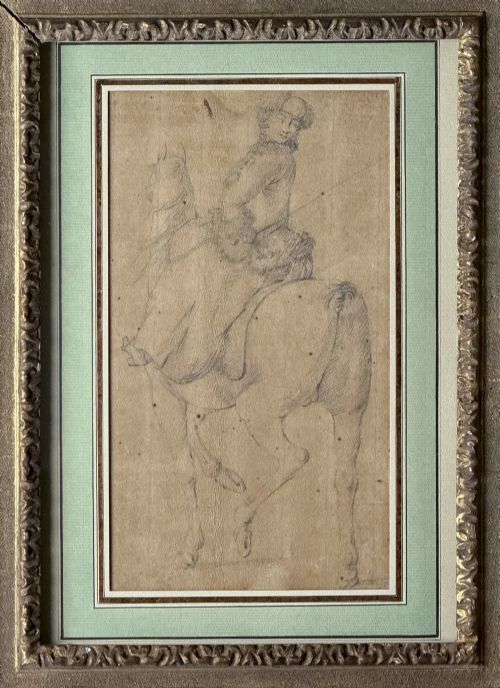
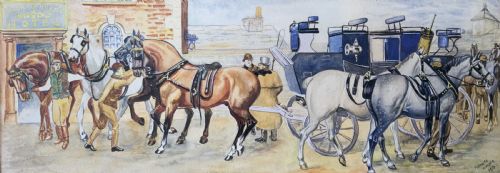
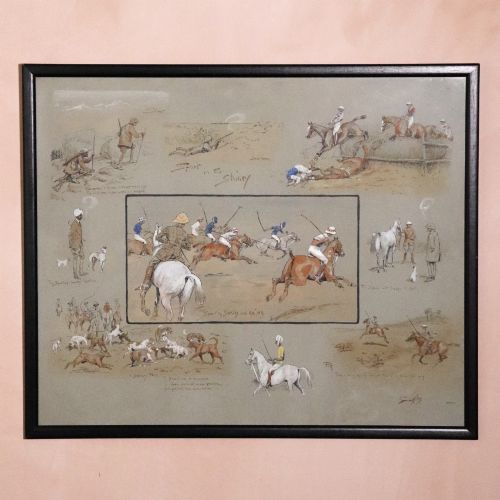
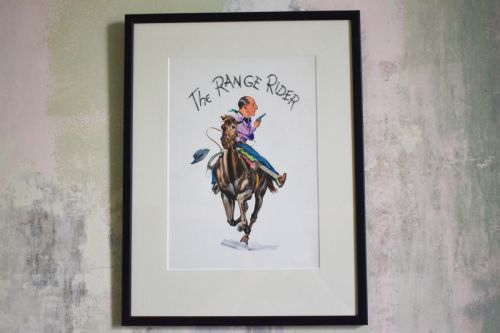
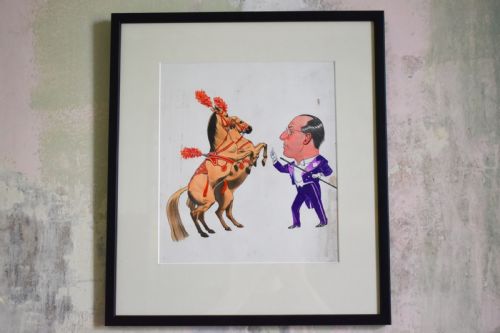
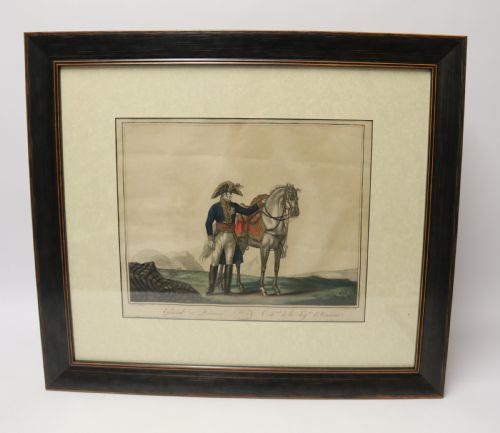
These antique equestrian illustration pieces bring the energy of horses and hounds into a room through watercolours, drawings, and prints.
Antique Equestrian Illustration
An antique equestrian illustration captures horses, riders, and sporting scenes across paper, framed art, and prints. The pieces on this page span the eighteenth century, the Victorian era, the Edwardian period, and the early twentieth century.
Buyers encounter works ranging from loose watercolour paintings and pen and ink drawings to chalk sketches and original prints. Subjects stretch from coaching scenes and hunts to military actions and individual portraits of horses.
Origin points vary from British studios to Northern European schools and French Orientalism. The most common forms are framed watercolours and prints housed behind glass in wooden frames like oak or walnut.
Materials and methods
Artists worked primarily on paper using watercolours, ink, chalk, and charcoal, sometimes applying hand colouring or heightened touches to prints and drawings. These mediums allowed for quick field sketches as well as finished studio paintings.
Framing materials reflect the period of production, utilising timber mouldings such as oak and walnut frames alongside glass to protect the delicate paper surfaces. Many pieces retain their original mountings, preserving the historic presentation of the artwork.
Listings feature works executed across the eighteenth, nineteenth, and early twentieth centuries, utilising paper, glass, wood, watercolour, ink, and chalk.
Assessing quality
Quality rests in the sureness of the draftsmanship and the vitality captured in the horse or rider. A strong hand shows confidence in bone structure, muscle movement, and the dynamism of a hunt or race.
The survival of the paper and the crispness of the ink, watercolour, or chalk determine the visual impact of the work. Original framing and the presence of artist signatures or period attribution further elevate the standing of a piece.
Snaffles·Cecil Charles Windsor Aldin·Charles Clifford Turner·William J Hodgson·Helena Maguire
The Antique Equestrian Illustration Glossary
- Watercolour painting
- A picture executed with pigments bound in a water-soluble binder on paper. This medium dominates the smaller sketches and finished works in this collection.
- Framed artwork
- A piece of art enclosed within a protective border and glass. Most items here are presented ready for hanging in period wooden frames.
- Original print
- An impression taken from an engraved, etched, or lithographic plate created by the artist or printer. These differ from modern mechanical reproductions by virtue of their period production.
- Hand coloured print
- A monochrome printed image enhanced with applied washes of watercolour by hand. This technique bridges the gap between printmaking and painting.
- Chalk drawing
- An artwork produced using dry mineral or pigment sticks on paper. The soft medium allows for expressive shading and rapid tonal work.
Antique Equestrian Illustration: Frequently Asked Questions
How should I hang antique equestrian illustrations?
Keep works away from direct sunlight to protect vulnerable watercolours and paper from fading over time. Maintain stable room temperatures to prevent the wood frames and paper from warping.
Group smaller framed prints or drawings together on a shared wall to create impact. Ensure secure picture hooks support the weight of traditional oak or walnut frames.
What subjects appear in these illustrations?
The works depict horses in various settings, including hunting scenes, military campaigns, coaching journeys, and individual animal portraits. Sporting art and satirical prints also feature prominently among the selections.
Scenes range from peaceful park rides to dynamic battle action and racing moments. Each subject reflects the social and sporting interests of its specific decade.
How do I date an equestrian drawing?
Examine the paper quality, the style of the framing, and any visible signatures or inscriptions left by the artist. Signatures often correspond to known active dates of nineteenth and early twentieth-century painters.
Clothing styles, horse tack, and vehicle types depicted in the scene offer reliable clues for dating. Technical markers like ink composition and paper watermarks help confirm the era of production.
Are these works original or reproductions?
The selection includes original hand-drawn watercolours, ink sketches, chalk drawings, and period-produced prints. Each piece originates from the historical era ascribed to it rather than being a modern copy.
Close inspection under magnification reveals the brushstrokes, plate marks, or paper textures of authentic period production. Contemporary framing sometimes accompanies the historic artwork to ensure continued protection.