
Antique Horse Art
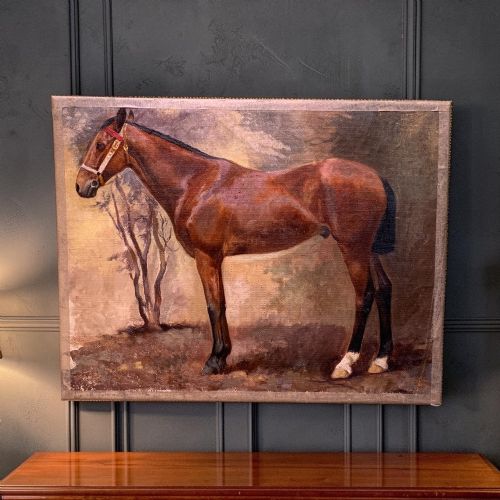
Antique horse art spans centuries of oil paintings, watercolours, and sculptures capturing the strength and character of the animal.
Antique Horse Art
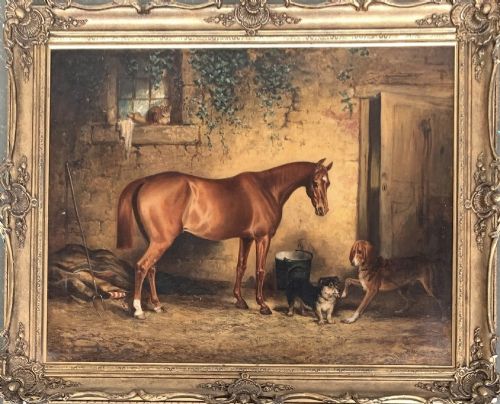
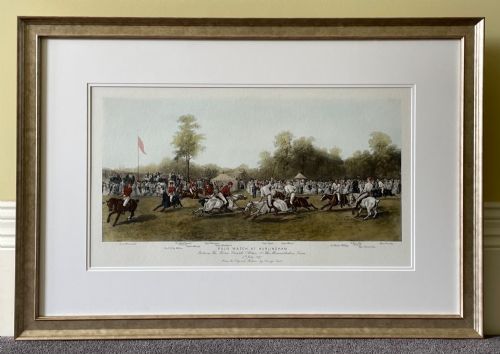
Collectors seeking antique horse art encounter a wide variety of works, from detailed Victorian oil paintings of racehorses in stables to lively 19th century watercolours of farm carts and polo matches.
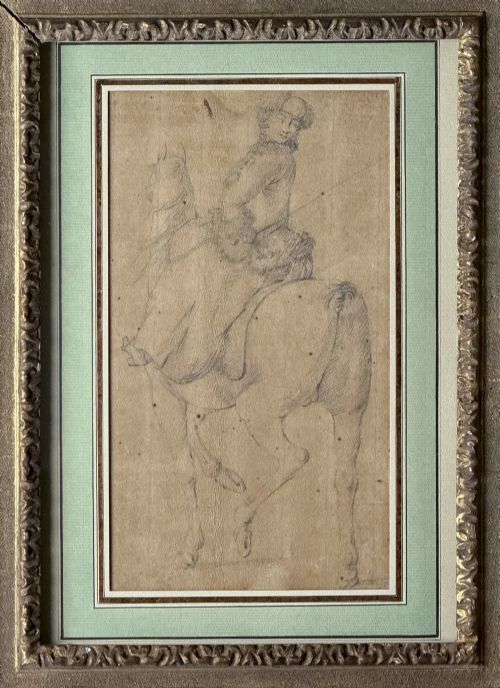
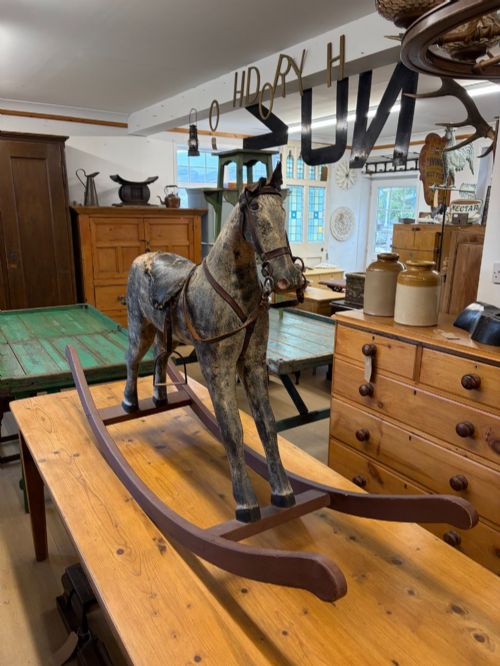
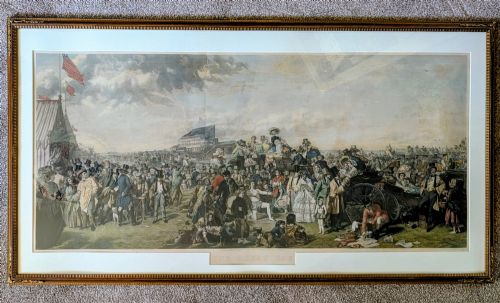
The selection ranges across several centuries, encompassing early equestrian drawings, framed prints of famous derby winners, and folk art wooden models.
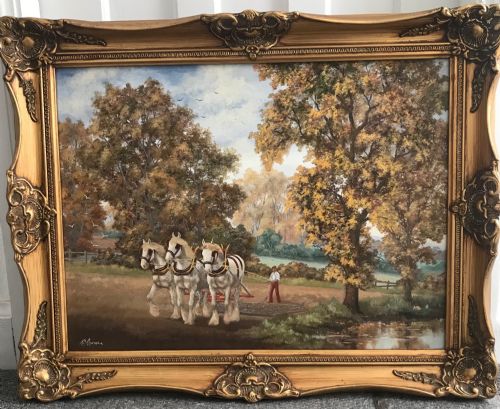
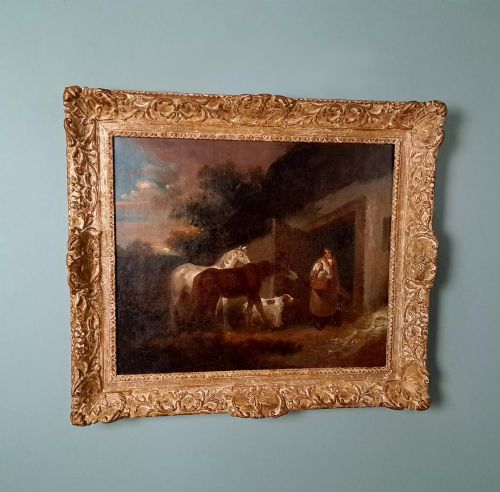
Oil paintings on canvas and paper works dominate the offerings, frequently housed in period giltwood or oak frames that complement the traditional subject matter.
How they were made
Painters applied oil paint to canvas or created watercolours on paper, capturing light and texture with fine brushwork.
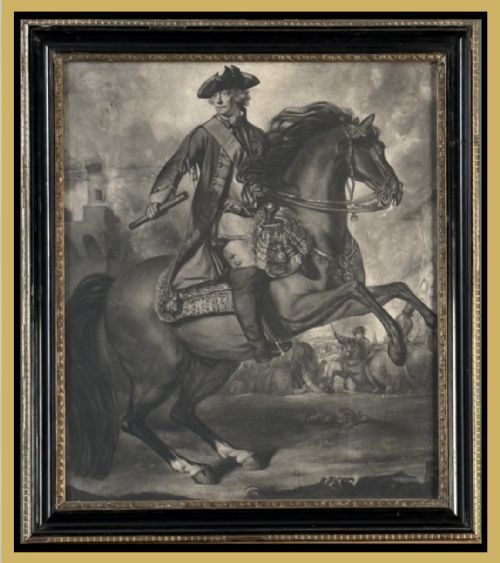
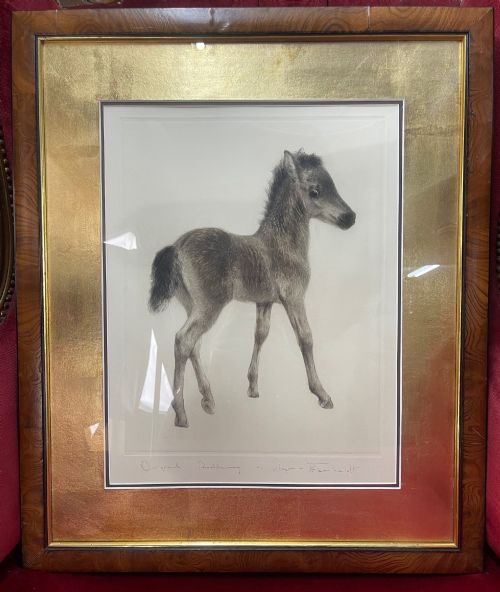
Printmakers utilised techniques such as drypoint, lithography, and mezzotint to produce detailed multiples after well-known artists.
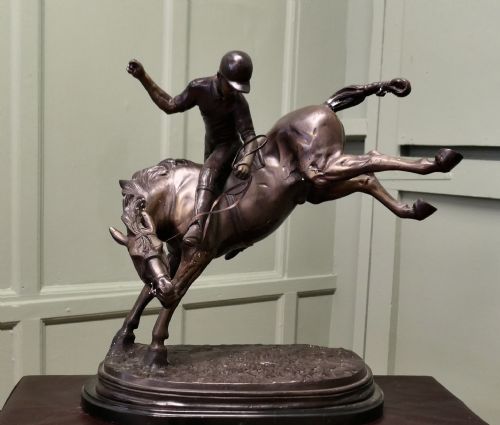
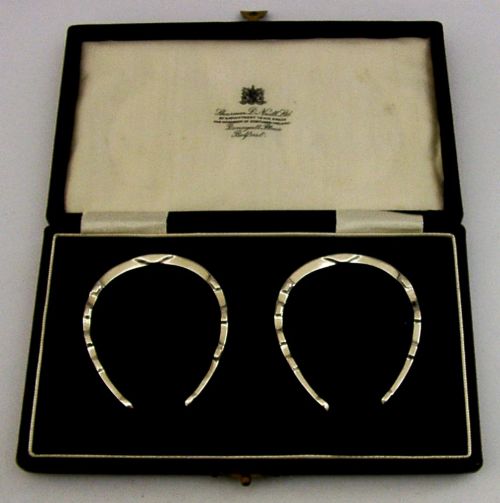
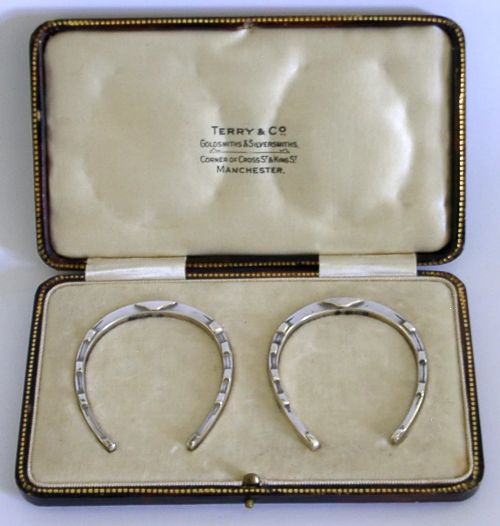
Sculptors and makers carved wood or cast sterling silver to shape decorative objects, napkin rings, and models.
A scratch-built wooden model of a Paris chaise carriage complete with horse and driver offers a charming slice of 1928 street life.
What varies in quality
The anatomical accuracy of the animal and the handling of light across its coat distinguish accomplished works from routine decorative pieces.
The depth of provenance and the clarity of artist signatures or period framing elevate the standing of individual works within the broader field.
Edward Fisher·Sir Joshua Reynolds·William Joseph Shayer Senior·John Wootton·Thomas Hudson·Kurt Meyer-Eberhardt·William Powell Frith·Thomas Smythe·R.D. Roberts·Albert Clark·Sir Anthony van Dyck·George Finch Mason·Abraham Cooper·Henry Barraud·Fred Fitzpatrick·Ernest Payne·Edward Priestley·David Cox·Myles Birket Foster·James Hardy Jr·George Rees·David Bates·Constantin Guys·William Adam·Wilson Hepple
The Antique Horse Art Glossary
- Mezzotint
- A printmaking process of the intaglio family, where the plate is roughened to produce tonal gradations rather than hard lines. It allows for rich, velvety darks and subtle transitions.
- Drypoint
- A printmaking technique in which an image is scratched directly into a metal plate with a sharp needle. This method raises a burr that holds ink, creating a soft, velvety line.
- Giltwood
- Wood that has been treated with a thin layer of gold leaf or gold paint. It frequently appears on traditional picture frames from the eighteenth and nineteenth centuries.
- Aquatint
- A intaglio printmaking technique that produces tonal effects resembling watercolour washes. It was often used alongside line etching to create coloured sporting prints.
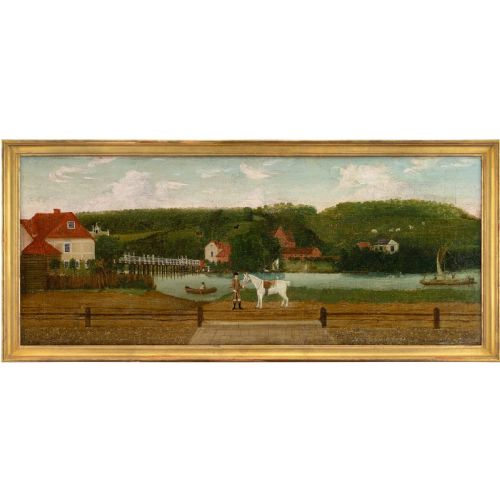
- Primitive
- A descriptive term for art produced outside academic traditions, often displaying a flat perspective and bold simplicity. These pieces rely on direct observation and vernacular charm rather than formal training.
Antique Horse Art: Frequently Asked Questions
What subjects do these paintings show?
The works depict racehorses, hunters, farm animals, and horses at work in landscapes or stables. Many capture specific historical events, hunts, or coaching scenes.
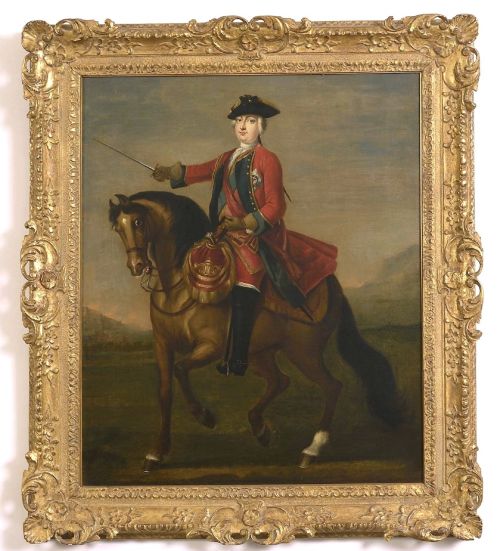
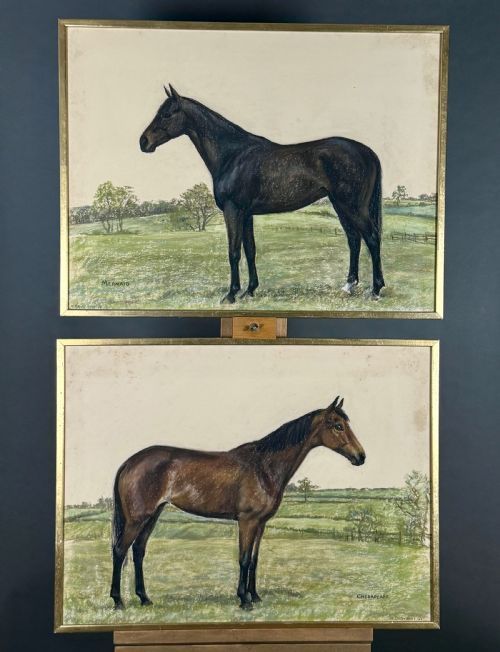
Artists also recorded portraits of named prize horses alongside riders, grooms, and military officers.
How are prints distinguished from original paintings?
Original paintings feature visible brushstrokes and the physical texture of oil paint or watercolour on canvas or paper. Prints display a uniform dot pattern or the platemark impressions left by printing presses.
Close inspection under magnification reveals the ink distribution characteristic of mechanical or manual printing methods.
How should these artworks be displayed at home?
Traditional oil paintings and watercolours suit rooms with controlled natural light, away from direct sunlight that can fade paper and pigments. Matching the period frame to the interior style enhances the visual impact.
Securing heavy giltwood frames safely to wall studs protects both the artwork and the surrounding space.
What periods do these pieces represent?
The selections span from the seventeenth century through the Victorian era and into the early twentieth century. Each period brings distinct clothing, framing styles, and artistic conventions.
Nineteenth century works dominate, reflecting the peak of equine portraiture and sporting art.