





Antique Horse and Carriage Painting
An antique horse and carriage painting captures the motion and atmosphere of coaching days, offering a window into historical travel.
Antique Horse and Carriage Painting
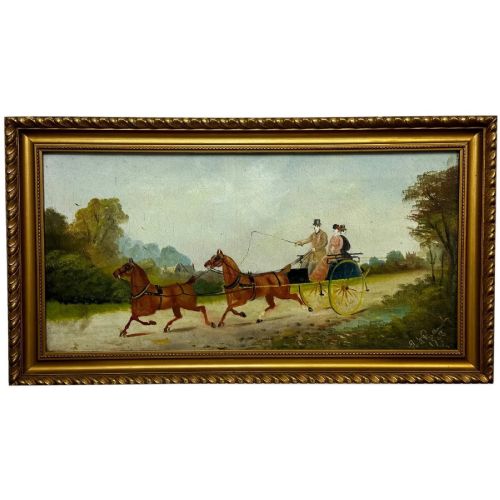
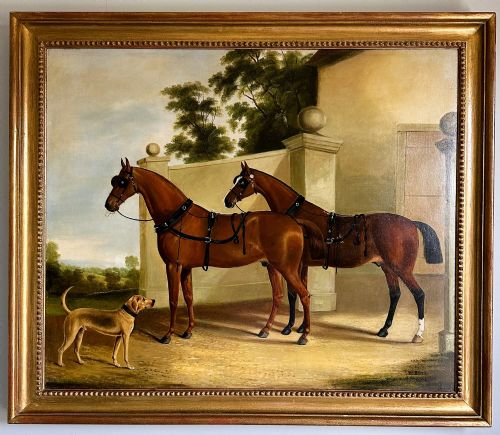
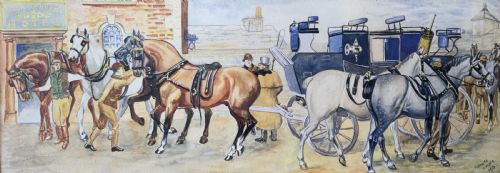
An antique horse and carriage painting depicts traditional transport, coaching scenes, and street life from the nineteenth and early twentieth centuries. These works range from detailed oil paintings on canvas to delicate watercolours framed in wood and glass.
Buyers will encounter various interpretations spanning traditional British sporting art, Edwardian folk art, and French street scenes. The subjects vary from royal mail coaches navigating snowstorms to quiet country gigs and bustling city cabs.
Materials and construction
Artists utilised oil paint on canvas or watercolour on paper, capturing light and movement with fine brushwork. These artworks are typically housed in period wood frames, often protected behind glass.
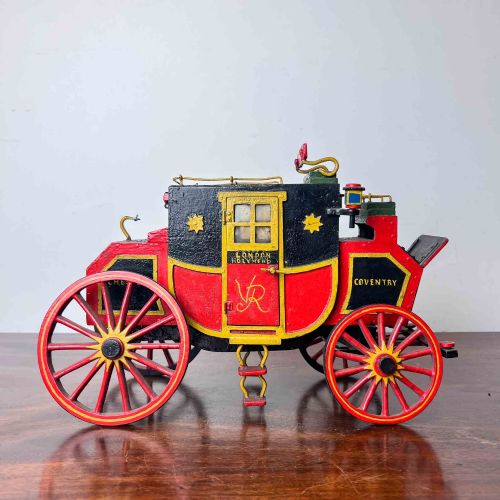
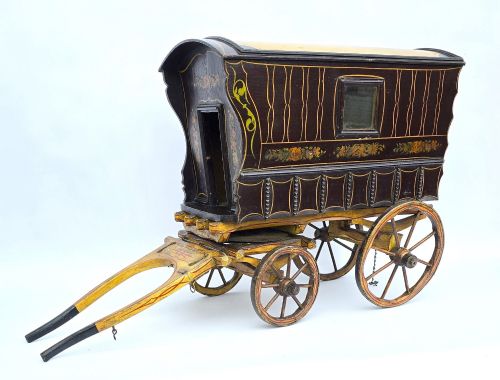
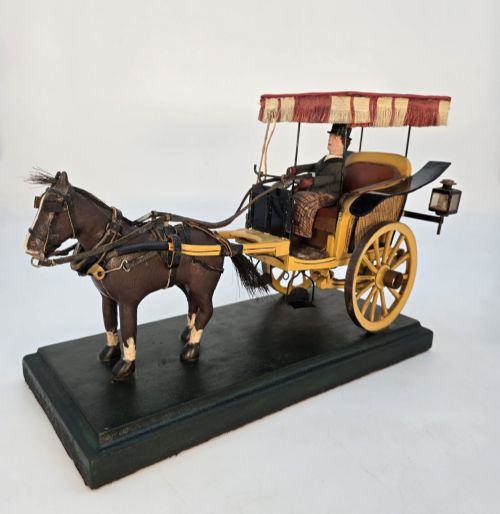
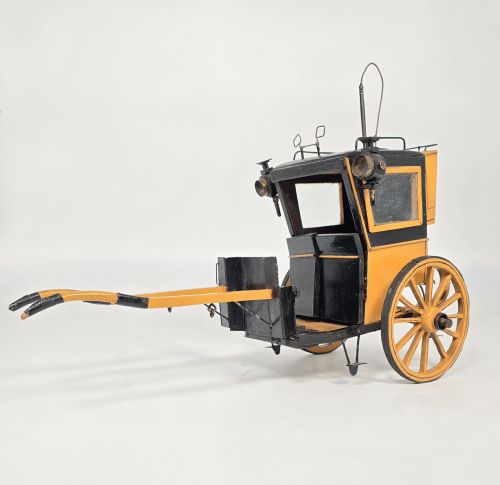
Alongside flat art, the selection includes wooden models and scratch-built metal pieces that translate the carriage theme into three dimensions.
Antique Horse and Carriage Painting Retail Price Guide 2026
Typical asking prices for horse and carriage painting among the pieces listed under this phrase on Sellingantiques today, from the lower quarter to the upper quarter. They describe what is for sale here now, not the wider market.
Several carriage drivers battling snowdrifts appear remarkably calm while their horses strain against the winter wind.
Distinguishing quality
Quality rests upon the artist's ability to render the anatomy of horses and the complex mechanics of carriages with anatomical precision. Stronger pieces display confident brushwork in the handling of snow, weather, and atmospheric light.
The sophistication of the composition and the preservation of the original canvas, paper, and frame significantly influence the standing of the work.
R.D. Roberts·Albert Ludovici Jnr·George Wright·William Manners·Charles James Lauder·Philip Henry Rideout·Samuel Henry Alken·Eduard Leon Cortes·John Charles Maggs·John Richard Worsdale·John Vine of Colchester·James Pollard
The Antique Horse and Carriage Painting Glossary
- Oil on Canvas
- Pigment mixed with drying oil applied to a stretched fabric surface. This medium allows for rich colour depth and textured brushwork.
- Watercolour
- A paint consisting of transparent pigment suspended in a water-based solution applied to paper. It yields a luminous and delicate finish.
- Folk Art
- Artistic work created by untrained or traditional craftspeople operating outside academic traditions. These pieces often emphasise utilitarian charm and personal expression.
- Gouache
- An opaque water-based paint that provides solid areas of colour. It is frequently combined with watercolour to add highlights to historical illustrations.
- Provenance
- The documented history of ownership of an artwork. A clear record supports the authenticity and attribution of the piece.
Antique Horse and Carriage Painting: Frequently Asked Questions
What subjects appear in these paintings?
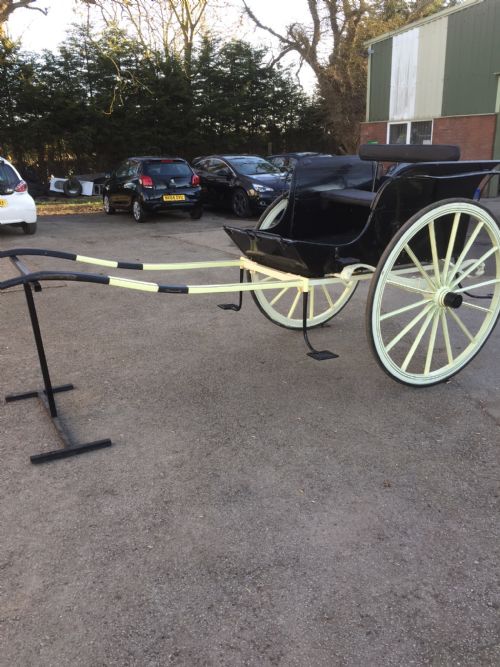
The artworks depict mail coaches, stagecoaches, and private carriages navigating country lanes, snowy roads, and city streets. Many scenes incorporate horses, drivers, and passengers in motion.
Sporting encounters and winter weather conditions frequently feature as central themes in the compositions.
How should I hang these paintings?
Position the artwork at eye level in a room with controlled humidity away from direct sunlight. This protects the canvas, paper, and original wood frames from fading.
Ensure wall fixings match the weight of the framed oil painting or watercolour.
What periods do these pieces represent?
The works span the nineteenth century and the early decades of the twentieth century. This includes Victorian, Edwardian, and Belle Epoque eras.
Artistic styles range from traditional British sporting scenes to French post-impressionism.
Are models included with the paintings?
The selection encompasses both flat two-dimensional paintings and three-dimensional scale models. These tactile objects include wooden and metal carriages alongside painted works.
Both categories document historical transport methods.