
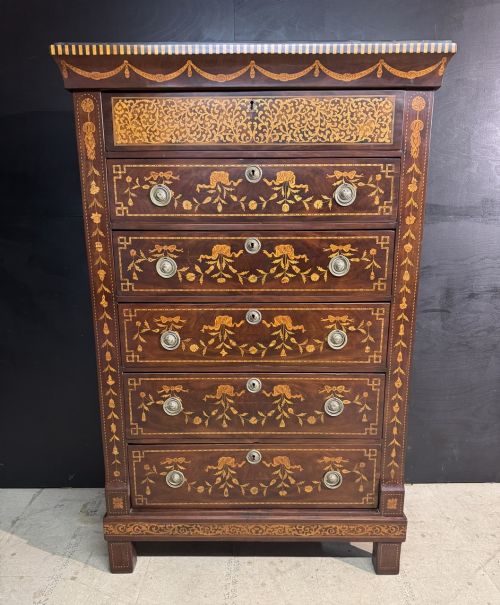
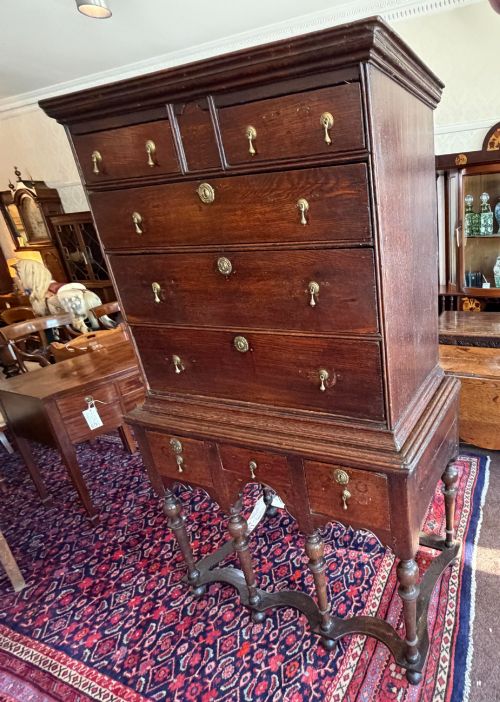
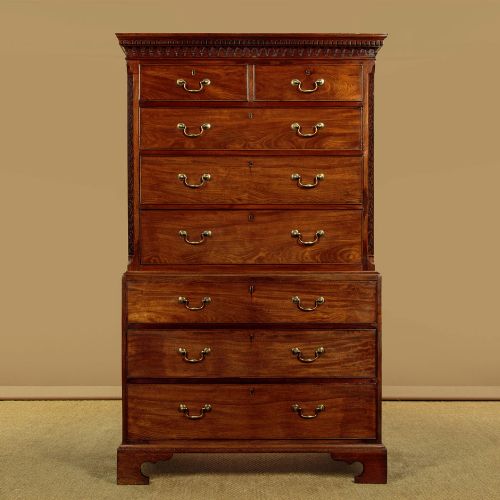
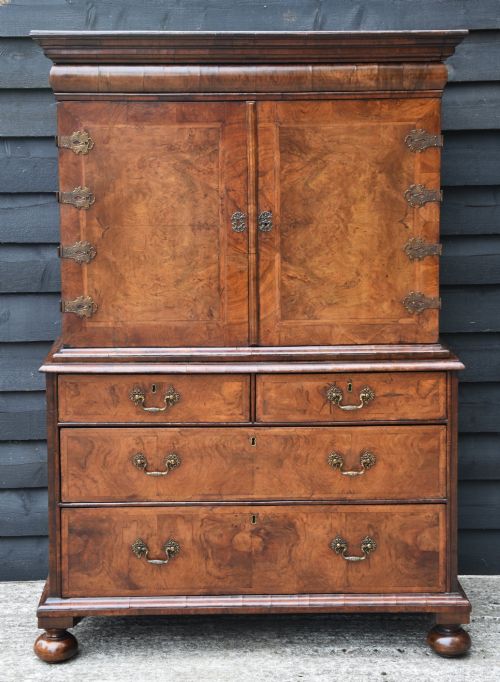
Antique Highboy Cabinet
An antique highboy cabinet brings imposing height and partitioned storage to a room, uniting upper and lower drawer sections in walnut, mahogany, or oak.

Antique Highboy Cabinet
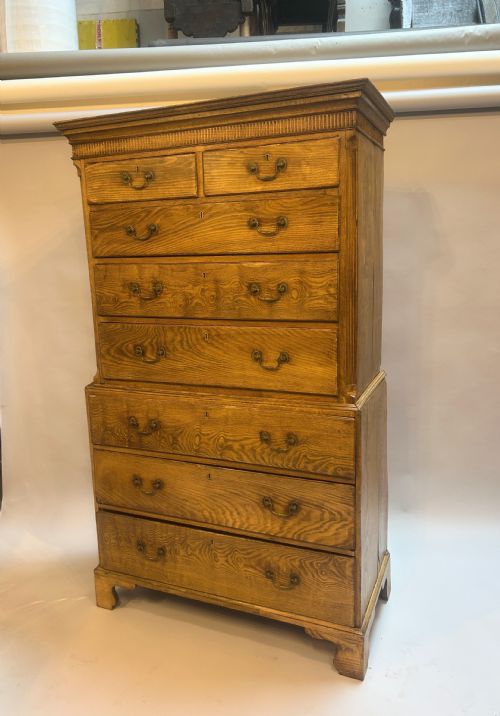
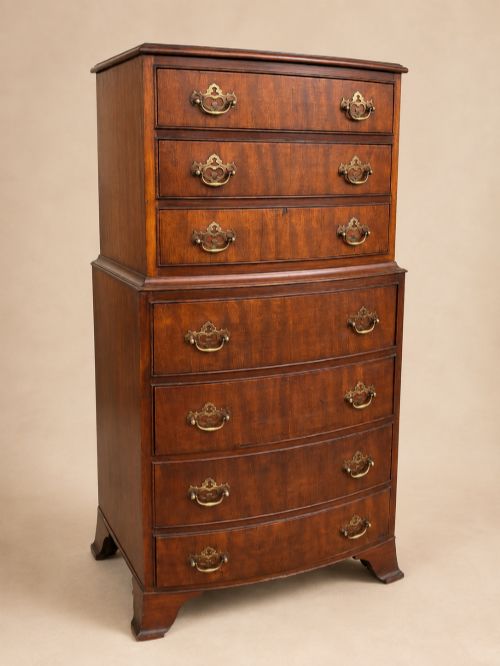
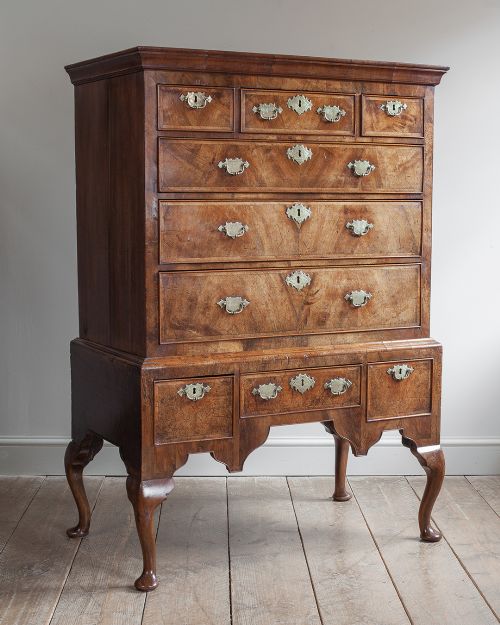
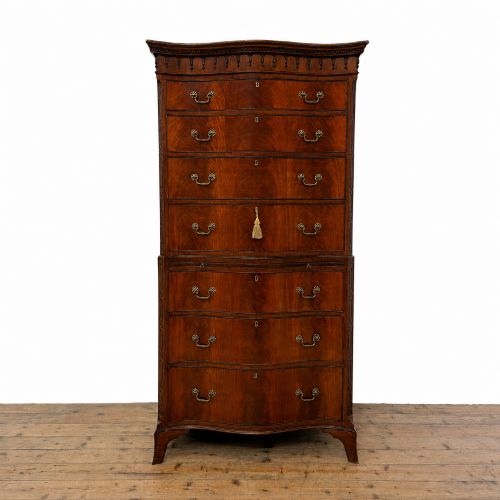
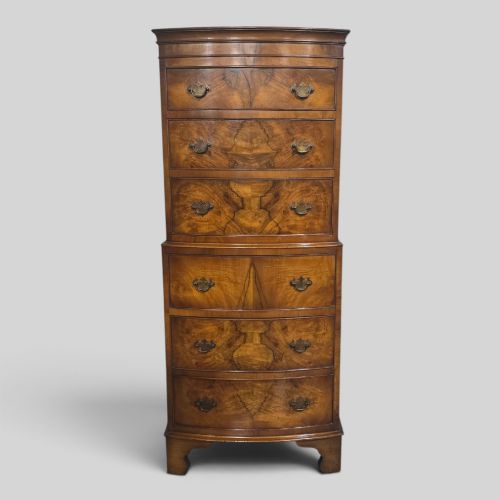
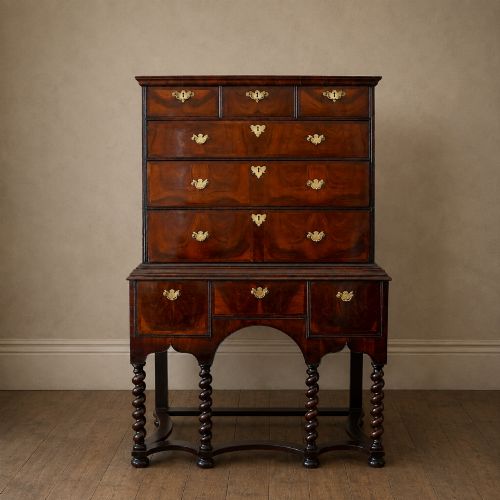
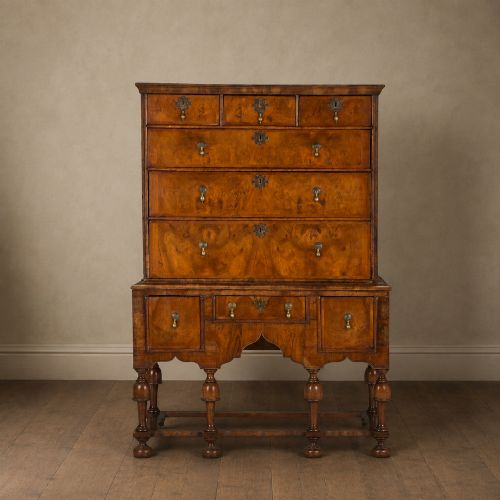
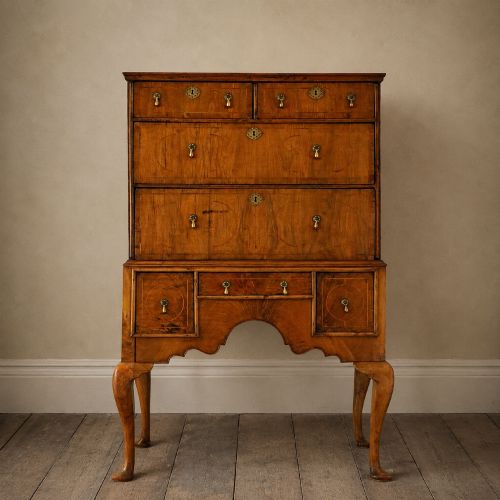
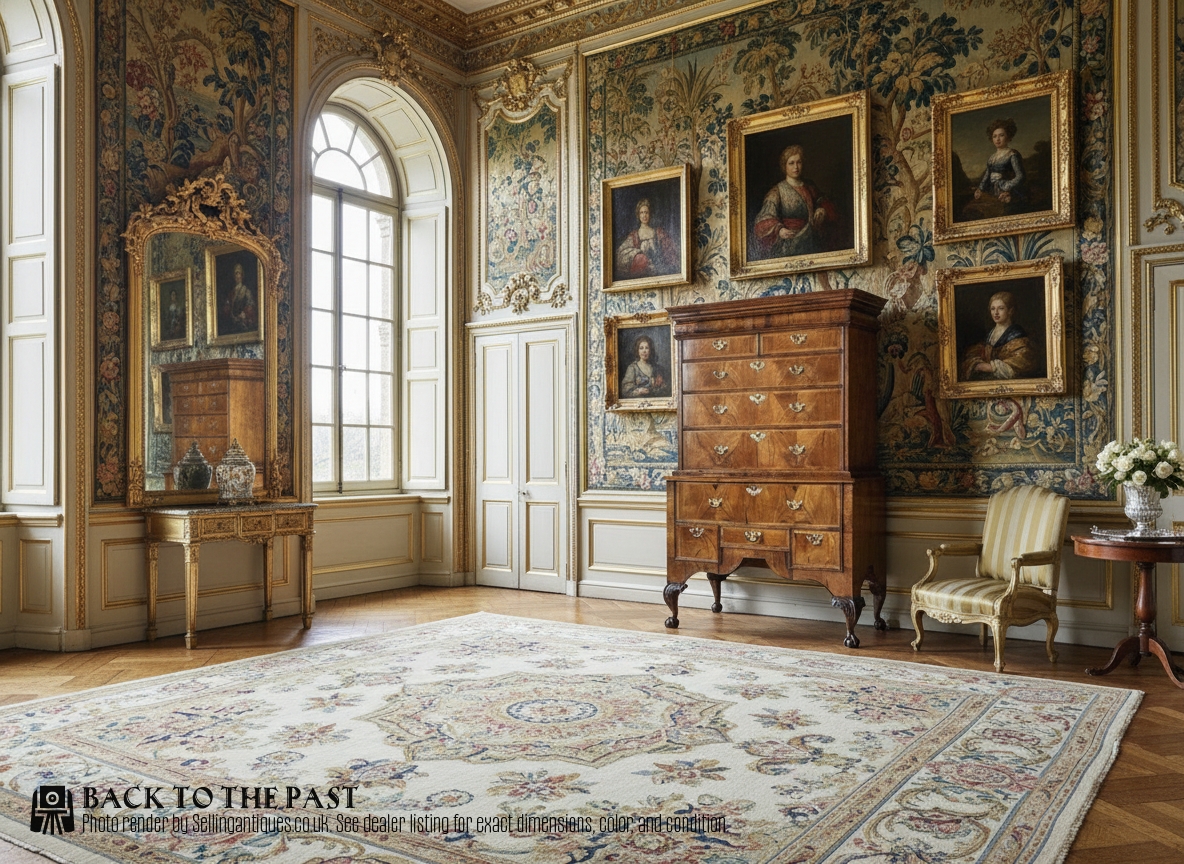
When you search for an antique highboy cabinet, you encounter tall storage furniture built in two stacked sections, frequently designated in listings as chests on chests, tallboys, or cabinets on stands. These pieces evolved to maximise vertical storage without occupying a large footprint on the floor.
The versions you meet most often on this page date from the seventeenth and eighteenth centuries, spanning the William and Mary, Queen Anne, and Georgian periods, constructed primarily in walnut, oak, and mahogany.
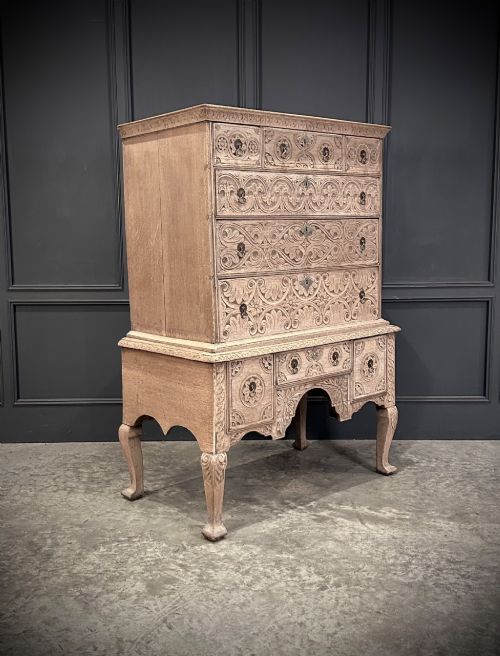
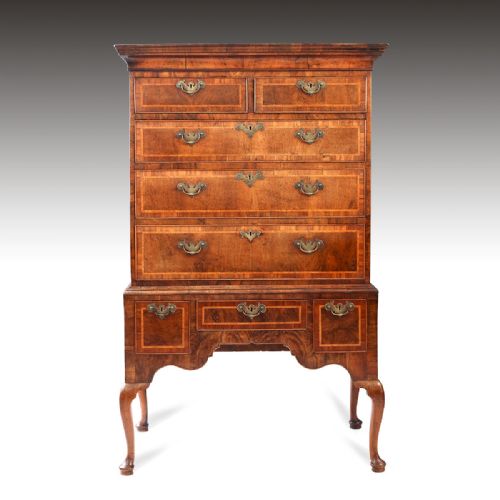
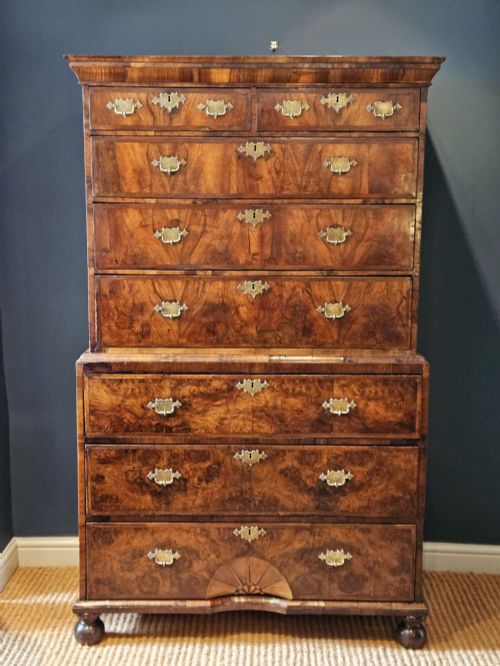
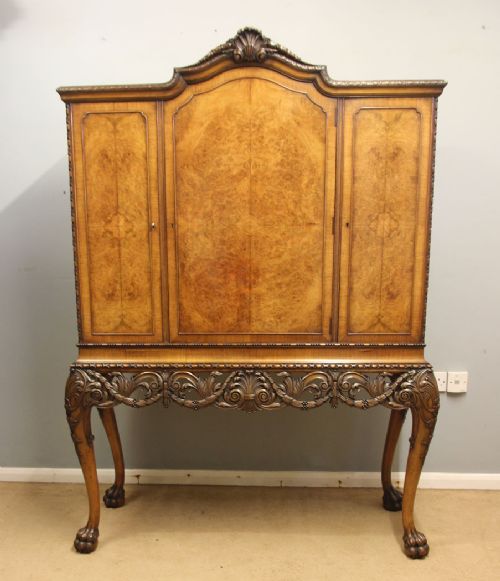
Formations range from tall chests of drawers resting on separate low stands with legs to unified double-body chests on chests, occasionally featuring bureau drawers, secretaires, or upper cupboard doors.
What separates the finest examples
The distinction between ordinary and exceptional examples rests upon the selection and matching of timber veneers, such as uniform burr walnut grain mirrored symmetrically across drawer tiers. Subtleties in proportion, crispness of carved details like sunburst motifs or cabriole leg knees, and the retention of original brass hardware elevate an individual piece.
Integrity of the timber surfaces and the harmonious relationship between upper chests and lower stands, rather than replaced components or later alterations, determine the standing of an example within the range.
Listings feature walnut, mahogany, oak, burr walnut, and boxwood inlay across pieces spanning the seventeenth to the twentieth centuries.
The Antique Highboy Cabinet Glossary
- Chest on stand
- A two-part storage form featuring an upper chest of drawers resting upon a low, leg-supported frame. This configuration precedes the taller unified chest on chest.
- Tallboy
- A tall chest of drawers, often synonymous with a chest on chest or a high chest, providing vertically stacked storage compartments.
- Cabinet on chest
- An enclosed upper cabinet with doors placed upon a lower chest base, designed for securing valuables or linens.
- Veneer
- A thin layer of figured wood, such as burr walnut or mahogany, applied over a secondary timber carcase to create decorative patterned surfaces.
- Crossbanding
- A border of veneer laid around the edges of a drawer front or panel with the grain running perpendicular to the central field.
Antique Highboy Cabinet: Frequently Asked Questions
What is a highboy cabinet?
A highboy cabinet is a tall piece of furniture comprising an upper chest of drawers stacked upon a lower chest or a leg-supported stand.
They were designed to provide ample vertical storage capacity while minimising the floor space occupied in domestic chambers.
How do I date an antique highboy?
Dating relies on observing structural timbers, secondary woods, handle hardware types, and distinct stylistic details like cabriole legs or cornice mouldings.
Earlier pieces from the seventeenth and early eighteenth centuries utilise walnut and oak construction, whereas later eighteenth-century examples favour mahogany.
Where were highboys used in a house?
These tall cabinets were traditionally placed in bedchambers and dressing rooms for storing garments, linens, and personal valuables.
Their commanding height made them principal storage items in formal domestic rooms.
How do I care for walnut veneer?
Keep walnut furniture away from direct sunlight and sources of heat to prevent the underlying veneers from drying and lifting.
Apply traditional wax sparingly and polish with a soft cloth to maintain the finish without sealing moisture into the wood.
What is the difference between a tallboy and a highboy?
The terms are often used interchangeably in trade descriptions to denote tall stacked drawer units, though highboy specifically references the chest-on-stand configuration.
Both forms offer elevated storage divided into two distinct stacked sections.