
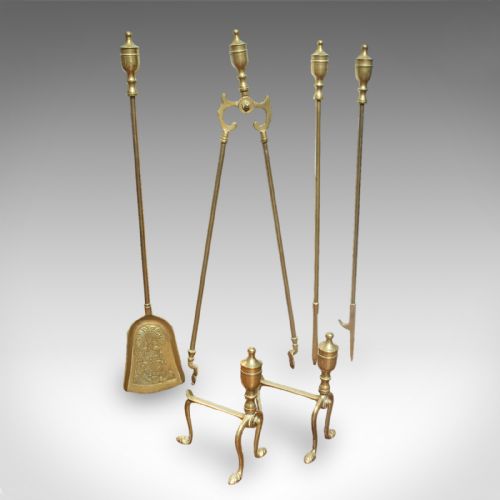


Antique Hearth Shovel
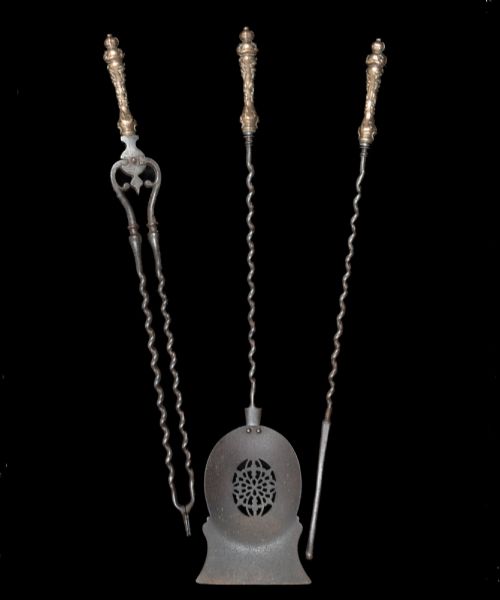
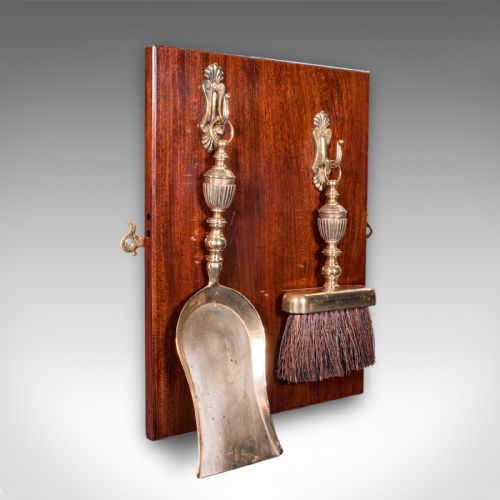
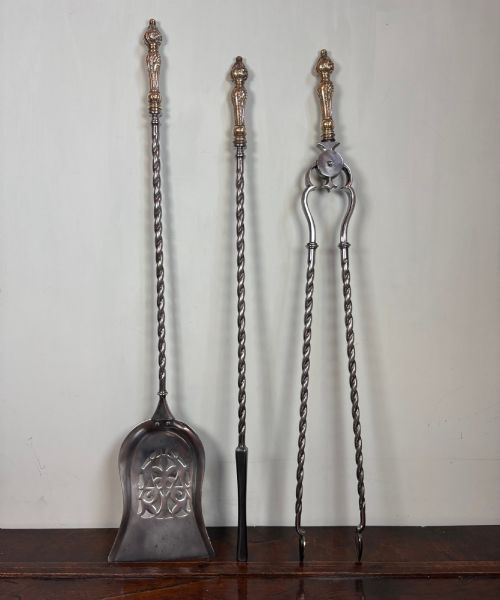
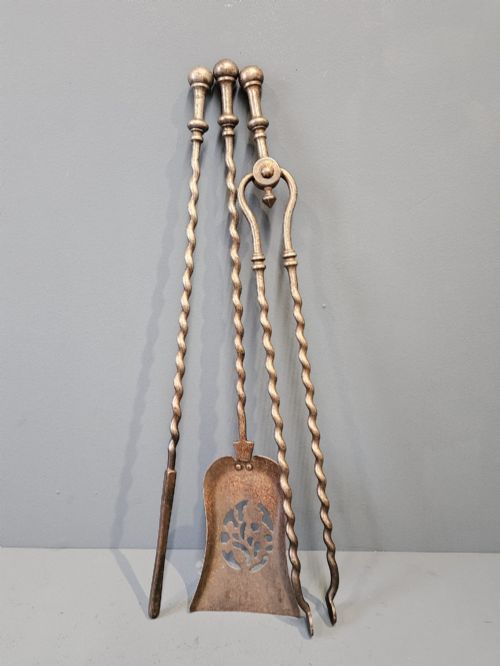
An antique hearth shovel clears the ash and tends the coals, bringing solid brass, steel and iron utility to the Victorian or Georgian fireplace.
Antique Hearth Shovel
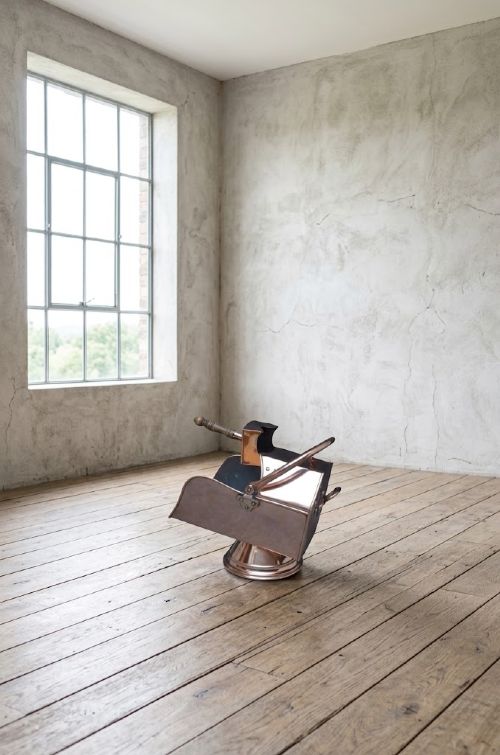
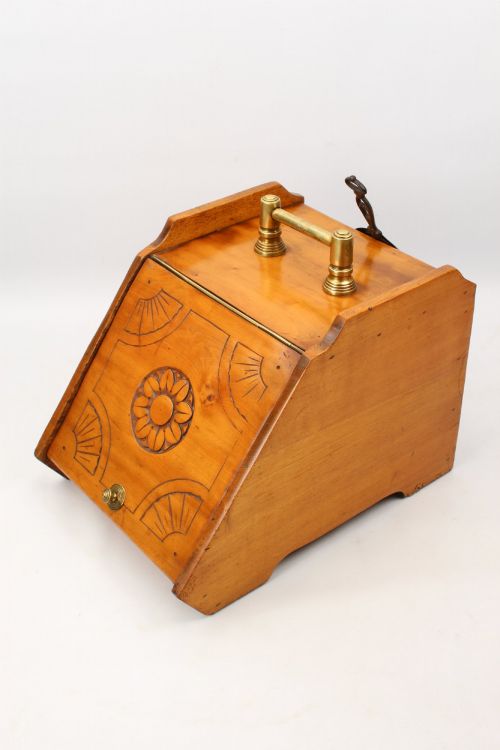
When you search for an antique hearth shovel, you are looking at practical fireplace equipment shaped across the eighteenth, nineteenth and early twentieth centuries. These pieces appear both as standalone items paired with coal scuttles or boxes, and as part of larger companion sets alongside pokers and tongs.
The versions you are most likely to meet on this page date from the Victorian and Georgian eras, fashioned in England and France. They range from simple country house iron tools to decorative brass and polished steel designs meant for formal drawing rooms.
Materials and Construction
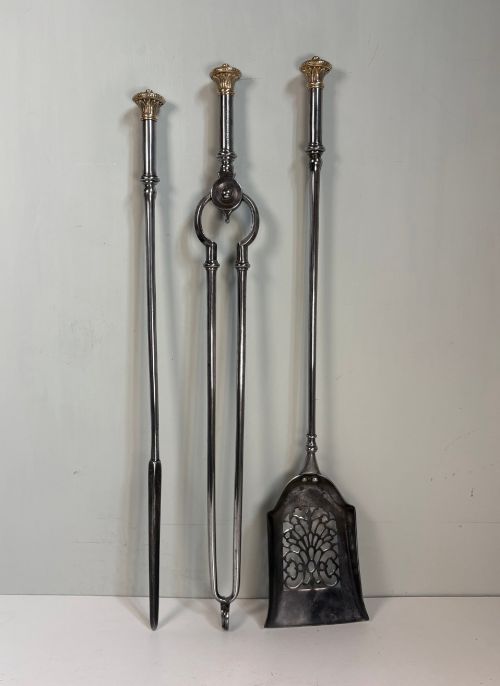
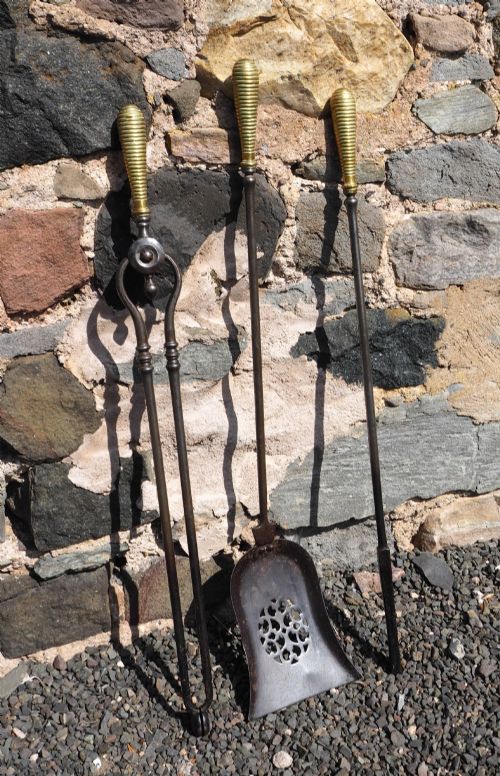
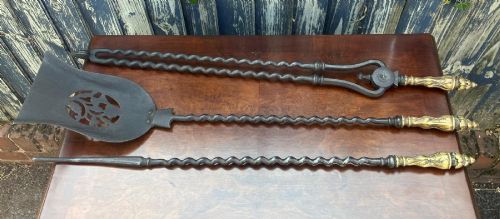
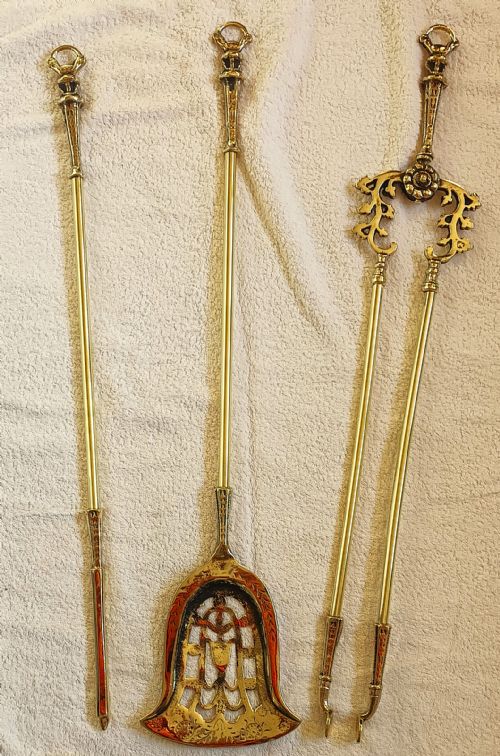
Blacksmiths and metalworkers forged these shovels using durable metals like iron, steel and wrought iron for strength, often pairing them with bright brass handles or mounts. Polished steel and gun metal appear alongside heavier cast or beaten copper and iron variants.
Handles display careful manual work, including turned wooden elements in mahogany or oak, alongside cast brass details and rope twist patterns that provide both grip and decorative finish.
Listings span the Georgian, Victorian and Edwardian periods, utilising materials such as brass, steel, iron, mahogany and oak.
Judging Quality and Finish
Quality rests in the weight of the metal and the integrity of the joins between the blade and the shaft. Finer examples maintain crisp detailing on handles and mounts, showing balanced proportions rather than hasty casting.
The better pieces retain their original matching companions or form part of an integrated set, whereas lesser or assembled groups show mismatched wear patterns and replacement parts.
The Antique Hearth Shovel Glossary
- Companion set
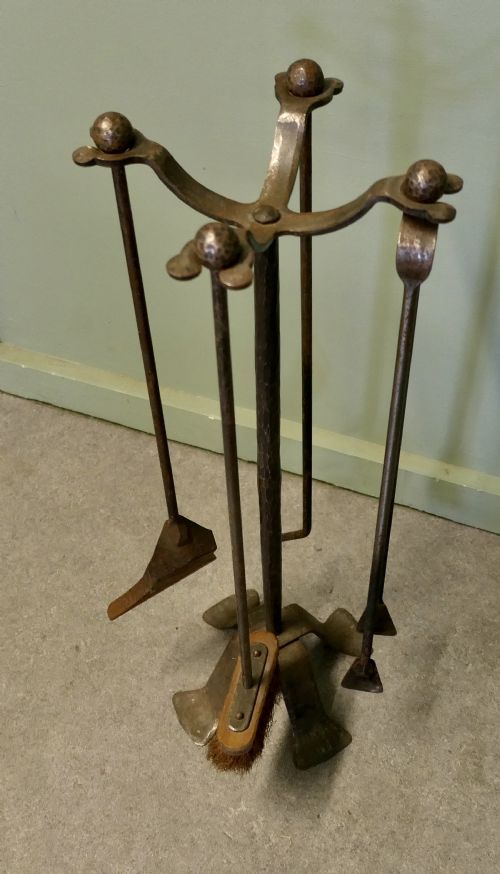
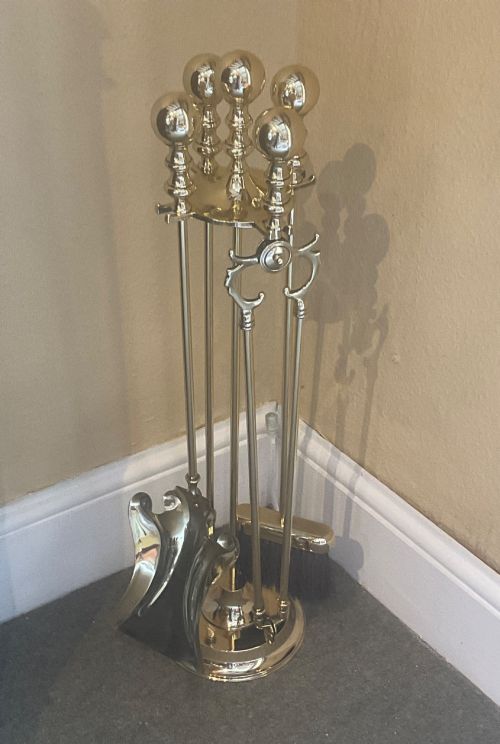
- A matched collection of fireplace tools, typically including a shovel, poker and tongs, often displayed together on a stand or with fire dogs.
- Fire irons
- The collective term for metal implements used to tend a domestic fire, comprising pokers, tongs and shovels.
- Purdonium
- A specialised Edwardian coal box or scuttle, frequently constructed from oak with a drop-front lid and an internal metal liner designed to house a matching shovel.
- Coal scuttle
- A container designed for carrying and storing coal near the fireplace, often paired with its own dedicated shovel.
Antique Hearth Shovel: Frequently Asked Questions
What is a hearth shovel used for?
A hearth shovel serves the practical purpose of clearing ash from the grate and scooping small coal onto the fire. It forms an essential part of daily fireplace maintenance.
Historically, homeowners kept these tools near the hearth for constant access during cold months, requiring robust construction to withstand heat and weight.
Are these shovels sold individually?
While some shovels are listed on their own or paired directly with coal scuttles, many more survive as part of larger companion sets.
Collectors often encounter them grouped alongside pokers, tongs and fire dogs, reflecting how they were originally manufactured and used together in period rooms.
How do I date an iron hearth shovel?
Dating relies on observing the manufacturing techniques, metal finishes and stylistic details evident in the handle and blade shape. Georgian and Regency examples often feature hand-forged steel, while Victorian pieces frequently incorporate bright brass.
Comparing the tool to documented companion sets from the same era helps narrow down its decade of origin.
What metals were used for these tools?
The listings show a heavy reliance on brass, steel, iron and wrought iron, sometimes combined with gun metal or copper. Handles frequently incorporate turned woods like mahogany and oak.
These materials were chosen for their ability to resist high temperatures while providing a decorative contrast within the hearth.